
Diesel Generators comprise one of the more instrumental aspects of modern day infrastructure due to the fact that they provide dependable power supplies to all sectors. Be it data centers that ensure continual operation of critical digital activities, or the production facilities where power lapse is not an option, these toughly built instruments are the main driving force of all the uninterrupted power systems. This guide scopes into learning industrial diesel generators, uncovering the changes in technologies, efficient operations, and some general principles to achieve the highest performance in 2026. Whether you are a facility engineer, a manager or a business professional looking for directions to rational and responsible decisions, this article will provide you with the respective information about diesel generator systems and the basic modalities of their operation to help you achieve your goals.
Understanding Diesel Generators

What is a Diesel Generator?
Diesel Generators comprise an assembly of mechanical and electrical systems that enable the conversion of chemical energy present in diesel fuel or natural gas into electrical energy. The operation is achieved by the concerted working of the diesel engine and the alternator. Mechanical energy is then transferred through the combustion of diesel fuel in the diesel engine to the alternator and, in turn, alternator produces electrical energy.
Diesel generators have been classified as standby or auxiliary sources or emergency power units mostly used in case where mains power is inactive or not accessible. They are often in use in factories, hospitals, data centers, construction sites and residential places where there is need to keep systems running always. They are highly durable and effective which is why they are commonly used for long term as well as severe conditions of operations.
The high regard with which these generators are held is as a result of having low gas consumption, going for long periods before breakdowns and ability to offer power without inconsistencies. A good number of diesel generators are built to withstand various load conditions comfortably making them efficient machines. It is also worth noting that with regular maintenance and use of quality parts, contemporary diesel generators perform excellently without frequent interruptions hence continuing to serve as power sources in industries and businesses effectively.
How Diesel Generators Work
The functionality of diesel generators, as the name suggests, implies converting chemical energy of the diesel fuel into mechanical energy and ultimately electrical energy. This happens in the engine when diesel fuel is fed into the combustion chamber. Furthermore, it mixes with air and is compressed at a very high pressure triggering it to burn. When the fuel explodes, mechanical energy is also created, therefore allowing the engine parts to move.
The engine’s mechanical energy is converted into electrical energy by means of the generator’s alternator. In an alternator, the magnetic induction principle is followed by spinning the rotor shaft within the stator which in turn generates electricity. The movement of rotor induces and the changes in rotating magnetism causes generation of electric current in the armature coils, AC currents are generated in the coil. The electricity produced then undergoes regulation in order to standardize the voltage and frequency of electric currents that are transmitted for service of equipment.
Control panels, fueling systems, and cooling systems are among the accessories offered in most systems powered by diesel engines. Diesel generators are as well strategically designed and encompass systems that ensure the smooth functioning of the engine without defects. Diesel Generators have an advantage where it can be relied upon for electricity in such settings due to their affective and strong construction.
Types of Diesel Generators
Diesel Generators come in two main categories founded on the usage of these generators. These include Stationery and portable Generators. Unlike previous traditional generators, portable diesel generators are small in size and are meant for use in places where there is no electricity like construction sites in outdoor functions and for instance homes that have power blackouts for a few hours days. These generators are easy to carry and are usually fitted with wheels or handles for easy movement. They look tiny, however, they provide efficient power in short periods or moderate periods.
Diesel Generators that are stationary, however, are crafted for long-term use and are mostly used in industrial plants, medical centers, and emergencies, where power in the building must not go off. Stationary diesel generators differ from portable ones, being larger and needing to provide for longer periods without power. Units of this type tend to have advanced functions like ATCutoverSwitches and remote maintenance possibilities to ensure operation under grid loss.
Apart from that, diesel generators may also be classified according to their power capacity which varies from very low power generators which are less than 50 kw for simple purpose use to very high power generators of more than 1000 kw which are applicable in industries and business. Users may, depending on their needs, use those that are best suited for stand by, diesel engines for prime power and continuous power factor generators, thus leading to optimized performance and cost management.
Applications of Diesel Generators
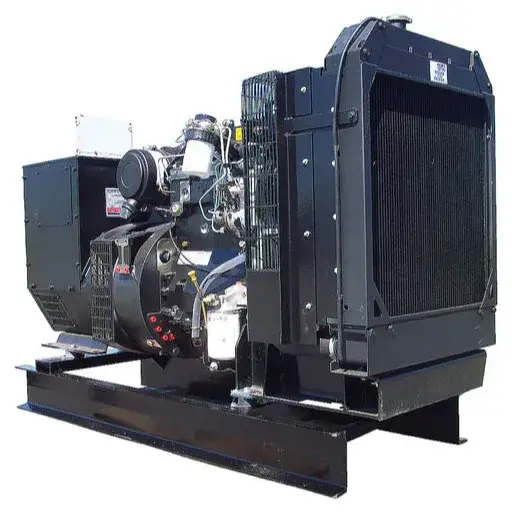
Industrial Applications
Diesel Generators are vital for the efficient functioning of various industries since they cover all the immediate power needs in all forms. Because of their reliability, performance, and capacity to work in harsh environments, diesel generators are found in the following spheres:
- Production Facilities: Diesel Generators play the role of main or supplementary sources of energy in production plants to maintain the continuous production flow. For instance, the sustained flow of electricity is fundamental in automobile or electronics factories due to the high cost of downtime.
- Building and Drilling Activities: At isolated construction areas, and mining sites with no grid connectivity, diesel generators provide all the necessary power required for operating heavy constructions, lighting, and working tools. Generators of any capacity which ranges from 50 Kw to more than 500Kw can be utilized in these types of operations.
- Petroleum Industry: The utilization of Diesel Generators is very high, especially in the oil and gas sector, e.g. mostly upstream in the exploration and production sectors, which can result in power demand of over 1,000 kW in some remote places. These include drilling rigs, pumps, and other such infrastructure.
- Datacenters:The operation of a datacenter ensures no loss or damage of data and the smooth running of processes, hence, a continuous power supply is paramount. These diesel generators are in fact standby units; they only switch on as soon as there is a power failure detected. In most cases, data centers are equipped with several generators of high capacity, as the requirements are higher than a few megawatts.
- Medical Facilities: Almost every hospital or any institutional medical facility is supplied with diesel generators in order to avoid disruptions in its work in stressful situations. An equipment that provides critical services such as artificial respiration and operating theaters are supposed to be operative at all times. As a result, generators are useful. Such power needs range from 100kW in case of small clinics to more than 2,000kW in case of the big hospitals or clinics.
Diesel Generators are one of a kind, as they maintain efficiency and the operational resilience of the respective industry while factoring in their their particular needs.
Commercial Use of Diesel Generators
The movement of goods and services in the commercial sector needs stable power, it is aimed at sustaining the flow and the possible disruptions which might result into heavy losses are put at bay. Such is diesel generators which are effective, long lasting, and they can produce a lot of energy and sustain the same for many hours on end.
- Operations of Retail Stores: Retailers require incessant supply of electricity facilitating operation of lightings, tills, computers, and storage fridges. For example, a grocery store of average size needs a 200 kW to 400 kW diesel generator, to operate without service break in case there is a power outage.
- Offices: Large buildings comprising many floors and mechanical systems (e.g. electrical systems and heating ventilation air conditioning systems) usually have generators as backup power in case of a breakdown. For a larger building, the typical requirements will be higher than 1000 kW while for a smaller building it will be only 150 kW.
- Datacenters: In case of data centers, very reliable wall stop power sources are required. This is due to fact that even slight power interruptions may affect the operation, thereby putting the safety of the data at risk. Diesel generators, ranging from about 1000kW to more than 5000kW, have been adopted to guarantee this need.
- Hospitality Industry: For those of hotels and resorts, their operations is dependent on building backup power facilities meant to support easily available services such as lighting, elevators, kitchens and air conditioning among others. It is also common to make use of smaller loads between 100 KW for smaller hotels and restaurants up to 3000 KW and plus for large hotels.
- Manufacturing Facilities:On the other hand, industrial and manufacturing units need enhanced back up power in place so as to keep the production lines and machinery running. Based on the nature of size and the type of machinery used and its components, diesel engines from 500 KW to 10 MW are used.
Diesel Generators offer the ability to scale up or down according to the workload and they are very reliable due to their high power factors and the fact that they have been in business for a long time providing backup power to various commercial segments.
Residential Applications: Diesel Home Generators
In case of a power outage, diesel home generators get the part of ensuring that everyone is safe and comfortable by providing electricity in areas where storms are common or electronics consume a lot of power. Such appliances are designed to cover more power needs and high utilizations and therefore come with high ratings in terms of life, fuel consumption as well as sustainability. The following five points describe the common use and the advantages of diesel-powered generators in homes:
- Provision of Backup Servicing: Diesel Generators go a long way in preventing power failure in cases where there is a blackout by maintaining a constant electricity flow that synchs with lights, preserving food, running refrigerators, and heating cooling systems. A full tank of diesel fuel in most cases allows for an uninterrupted operation of a generator for 8 to 24 hours, depending on its architectural design and the domiciliary biening to which it has been applied, as evidenced by the industrial repertoire on gensets.
- Powering HVAC Systems: The comfort of the house or any other building occupied by people is of great concern where electricity is lost. Diesel Generators do come in to power a housing unit’s HVAC system easily and effectively thus sparing one’s life in almost inhabitable conditions.
- Support for Security Systems: The power supply is essential for operating the security systems installed in homes, including the alarm systems, cameras and automatic door locks, among other systems. Diesel generators provide the assurance that these systems are operational in the event of a power cut which enhances security and comfort.
- Support for Home Offices and Remote Working:With the trend towards remote working, it is important that home offices are powered at all times. With diesel generators, the power demands of computers, internet routers, and other office machines are met with ease and in turn enhancing efficiency in the work and communication.
- Storage of Perishable Items: Fridge coolers and deep freezers are useful when there is power loss because they keep food and medicines from getting spoilt. However, a diesel generator ensures that these devices have stable power, which translates into cost saving without wastage.
Diesel Generators used in homes are therefore satisfactory in that they are easy to use and effective in providing electricity where it is needed thereby making them be a necessity in residential settings. They are of great importance especially in areas where natural gas lines are unavailable and this is because many people can easily obtain and keep diesel.
Benefits of Diesel Generators
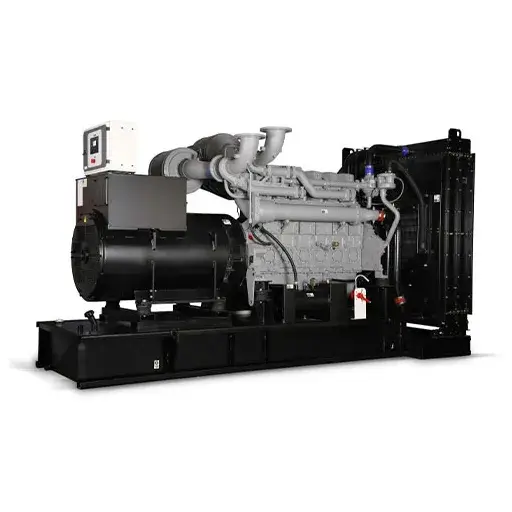
Reliability and Performance
- Strong Build Quality: Diesel Generators include sturdy materials and elements in their framework which can withstand long working hours irrespective of environmental factors. The hardy nature of diesel generator guarantees an extended service period more than any other type of generators thereby incurring more than 20000 working hours with correct service.
- Capability Even In High Conditions: The functioning of diesel engines is better over gasoline engines when it comes to size and huge amounts owed to their load operations. This is because diesel engines are able to produce constant and stable power output without spikes or drops in the voltage. This is very important because major appliances as well as sensitive electronic devices cannot cope up with any degradation in power.
- Low Maintenance Requirements:Unlike diesel engines, gas generators have many moving parts, thus increasing their chances of breaking down mechanically. For this reason, most maintenance tasks usually entail regular oil change, replacement of oil filters, and cleaning of fuel tanks, therefore making the cost incurred quite low.
- Generates Power With Less Fuel:In comparison to gasoline engines, more efficient and cost-effective diesel engines can produce the same amount of electricity. Research conducted on average fuel efficiency of diesel generators shows them to operate within 30-50% efficiency depending on installed load. Hence, operational costs are minimized.
- Performance in Harsh Environments:Diesel engines work on the principle of compression ignition which eliminates the need for random sparking in various weather conditions which may be hot or very cold. These types of engines are work horses and do not use spar plugs for ignition making them very reliable even in harsh weather. This makes them usable even in undeveloped areas or terrains.
Cost-Effectiveness and Fuel Efficiency
Diesel available engines are appreciated for being pocket-friendly and carrying higher fuel economy levels, hence being the darling of the industries and the transport sector. Provided below are five aspects to demonstrate their advantages in these areas:
- Very High Energy Density: Diesel has greater energy density compared to petrol thus higher energy in the same loads. For example, diesel contains around 15 percent more energy per gallon than gasoline which improves fuel efficiency in general.
- Reduction in Fuel Consumption: Unlike gasoline engines, diesel engines are more thermally efficient achieving 20 to 40 percent more fuel efficiency in the same conditions. This makes the operation of the engine more frugal so fuel is consumed lesser amounts as compared to work done which is more economical in the long run.
- More Engine Longevity: Since these engines have a very robust structure and have low operating RPM, diesel engines can last 20-30% more than gasoline ones. This translates to a reduction in the cost of repair and replacement and as such, there are savings in operation costs over a prolonged period.
- Costs of Maintenance Are Lowered: Unlike petrol engines, diesel engines do not include spark plugs or the electrical systems that come with petrol machinery, thereby making it easy to provide maintenance, and parts do not need frequent replacement. The total maintenance cost could be reduced appreciably over the useful life of the engine.
- Different Fuel Alternative Compatibility: Today, it’s not uncommon for diesel engines to run on a whole range of alternative fuels such as biodiesel without the need for much adjustment. Such flexibility lowers fuel expenses further especially if the jurisdiction in question promotes the use of biodiesel or it is cheaper.
Consequently, all these attributes present diesel engines as a cost efficient strategy for many applications including those that require maximum efficiency and / or durability.
Long Operating Life and Durability
Diesel Generators are known to be very strong and flexible machines because of their long life and powerful performance. However, both their configuration and manner of work make diesel engines very time durable and reliable in the work process. This is mainly possible because of the following reasons:
- Heavy Duty Engine Design: All diesel engines have relatively heavy constructions, for instance, they have stronger cylinder block reinforcements and they are fitted with more massive crankshafts, being able to bear the greater compression ratios. All this heavy construction helps lower the rate of wear when used for longer periods of time.
- Lower Rotational Indices: Diesel engines in general show a lower revolutions per minute (RPM) than gasoline engines. Such low RPM helps to mitigate the stress caused to the engine; less friction is thus produced, whereby the wear and tear of a component is slower over time.
- Optimal Lubrication System: Improved lubrication mechanisms exist within Diesel Generators engines that have moving components, allowing consistent lubrication of these components thus reducing rust and corrosion wear, and also makes the engines last longer between reworking.
- Enhanced Cooling Methods: Modern-day diesel engine machines possess advanced gadgets that make them cool efficiently and thus avoids overheating while working extensively. Temperature management ensures long usage of the internal parts of the engine.
- No Premature Ignition: While spark ignited engines experience knocking frequently, because compression ignition is present in diesel engines, there is no or reduced knocking sound. This efficient combustion process reduces stress on engine components, further enhancing their durability.
All these determine that diesel engines can easily reach their life spans of around more than 500 000 miles on cars or more than 20 000 hours on machines without any major changes or provisions. This impassable durability maintains their utility in harsh conditions.
Comparing Diesel Generators to Other Generators
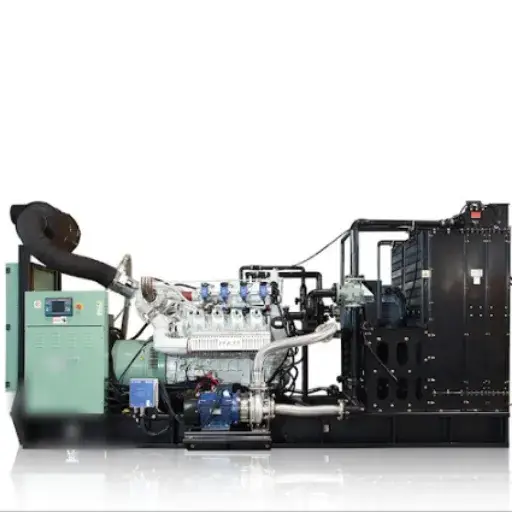
Diesel vs. Gasoline Generators
Diesel generators are more fuel-efficient and durable, while gasoline generators are cheaper, lighter, and quieter.
|
Key Point |
Diesel Generators |
Gasoline Generators |
|---|---|---|
|
Efficiency |
Higher |
Lower |
|
Durability |
Longer lifespan |
Shorter lifespan |
|
Cost |
Higher upfront |
Lower upfront |
|
Noise |
Louder |
Quieter |
|
Fuel Safety |
Less flammable |
Highly flammable |
|
Portability |
Heavier |
Lighter |
|
Maintenance |
Less frequent |
More frequent |
|
Emissions |
Higher pollutants |
Lower pollutants |
Standby Generators vs. Portable Generators
Standby generators are automatic, powerful, and permanent, while portable generators are cheaper, mobile, and manual.
|
Key Point |
Standby Generators |
Portable Generators |
|---|---|---|
|
Cost |
Higher |
Lower |
|
Installation |
Permanent, complex |
None required |
|
Operation |
Automatic |
Manual |
|
Power Output |
Higher, whole-house |
Lower, limited devices |
|
Fuel |
Natural gas/propane |
Gasoline |
|
Portability |
Fixed |
Mobile |
|
Noise |
Quieter |
Louder |
|
Maintenance |
Regular contracts |
Occasional upkeep |
Utility Power vs. Diesel Backup Power
Utility power is consistent and grid-dependent, while diesel backup power is independent, reliable, and suitable for emergencies.
|
Aspect |
Utility Power |
Diesel Backup Power |
|---|---|---|
|
Energy Source |
Grid electricity |
Diesel engine |
|
Dependability |
Weather-sensitive |
Highly dependable |
|
Initial Cost |
Affordable |
Expensive |
|
Upkeep |
Low |
Frequent |
|
Pollution |
Minimal |
Significant |
|
Sound Level |
Silent |
Loud |
|
Installation |
Pre-existing |
Needs setup |
|
Mobility |
Fixed |
Portable options |
|
Durability |
Long-lasting |
Moderate lifespan |
|
Application |
Daily use |
Emergency scenarios |
Maintenance of Diesel Generators
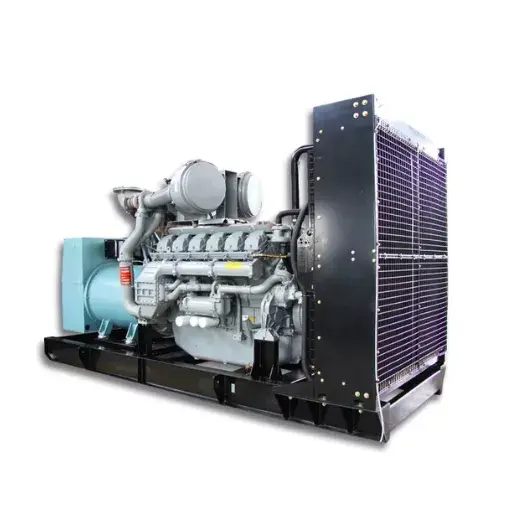
Essential Maintenance Practices
Diesel Generators need to be regularly serviced and maintained in order to guarantee their dependability, efficiency and service lifespan. The following are comprehensive and informative care practices to be conducted in random intervals:
- Conduct Visual Inspection: Inspect the system visually so as to differentiate between instances of fuel, oil or lubricant water or any loose parts that reduce efficiency and damage the vital parts. Make sure the hoses, belts or seals are intact, to avoid any breakdowns at critical stages.
- Change Oil and Filters: The diesel engine oil is worn out by the continuous thermal and combustion processes and external environmental effects. It is advisable to replace the engine oil and oil filters every 100 – 250 running hours depending on the manufacturer and the working conditions.
- Fuel System Maintenance: Check the fuel system at intervals and clean it for any contamination or water that may be present in the fuel. Fuel used in an engine is diesel and serves as a good environment for bacteria growth, hence the need for cleaning of the system. Additives or biocides can also be used to control microbial growth.
- Monitoring of Engine’s Cooling System: Confirm whether there is enough coolant and if its concentration is correct. Clean the cooling system to inspect the radiator, hoses, cooling water pump etc. from time to time and check them for any wear and tear or clogging.
- Battery Tests: The generator’s battery provides the power necessary to turn it on. Check the voltage, load the battery, clean its terminals, and check its condition and how well it is held in place. Avoid loss of operation by changing defective or troubled batteries.
- Air Filter Servicing: Diesel engines operate on air that is reasonably free from dirt. Check and change air filters as per the schedules to avoid restricted flow of air efficiency loss and excessive emissions.
- Inspection of Exhaust System:Check the exhaust system for any cracks, rust or obstruction. It is mandatory that the exhaust system performs correctly to ensure safety and to meet the emission standards.
- Functional Testing of Control System: The safety shut-off systems and the control panel of the generator should be tested on a regular basis. All limits/blowers/indicator devices and safety-rutile proceeds must be checked out properly to avoid damage to machines or human health.
- Load Testing: Load bank testing must be carried out on a regular basis to make sure the dinghy is working properly against different loads sometimes. Then we stop wet stacking and the carbon clogging of the exhaust system by unloading the generator where athe ut load working most of the time off the be siraj uldb augmented generator.
- Documentation and Logging: Every maintenance activity such as date of inspection, service conducted and parts replaced must be recorded. This provides operational analysis and prevention of any faults before they occur.
- Diesel Generators Assist: It is impossible to develop a description for cordless power tools without referring to at least a few diesel generators. Unless you are dealing with an electric generator, the source of power is a diesel generator, as simple as it sounds. Everything can be triggered by toggling the main breaker of a unit – diesel generators are not an exception. It is simple, because you will only have to turn the main breaker of the unit on and off in order to trigger everything else in the diesel generators.
Adaptation of these critical maintenance processes will enable the Diesel Generators to retain higher performance, reduce outages to a lower minimum, and guarantee that emergency loss of loads is executed efficiently. This means that such levels of discipline in following these procedures will not only enhance the importance of regulatory compliance but will optimize the efficiency of the system as well.
Fuel Tank Management and Maintenance
Most facilities depend mainly on utility power, which is obtained from regional electrical grids, because it is easily scalable, affordable, and available worldwide. It is based on alternating current (AC) and is conducted over prolonged transmission and distribution systems to guarantee a stable energy supply. On the downside, this form of energy is vulnerable to interruptions whenever there are collapsing large aggregates, grid overloads, or even equipment faults and such interruptions can last for long periods.
On the other hand, diesel backup power systems can be trusted to perform when blackouts occur. Diesel Generators can be operated autonomously off the grid and can be rated for high power output as long as there is enough fuel. Unlike the utility power they incorporate, they are not affected by fluctuations in the distribution network to necessitate their use in such mission critical settings as hospitals, data centers, and processes industries.
Diesel Generators Efficiency ratings range from about 35% to 45% across different load conditions and generator configurations. further development including diesel particulate filters (DPFs) and selective catalytic reduction (SCR) systems has enabled the continued, increasing adaptation of diesel generators towards modern environmental regulations for environmental measures without compromising operability.
In a contrast between these two, it will be noted that under normal situations, the utility power remains the most viable alternative. This is because the cost per kWh is much lower. Recent research findings show that the utility power average electricity costs in the U. S are between $0.10 – 0.14 in most entities. The Cost of Backup Power From Diesel Generators, on the contrary, is dependent on the current fuel price, the cost of equipment maintenance, and the original plant cost. Nevertheless, in the event of a power cut, the speedy start-up of diesel generator goes a long way towards stable power supply hence plays a very substantial part.
References
-
Use of performance-monitoring to improve reliability of emergency diesel generators
A study from MIT focusing on improving the reliability of emergency diesel generators through performance monitoring. -
Part-load economy of diesel-electric generators
This research explores the efficiency of diesel-electric generators, particularly in rural power production. - Click here to read more.
Frequently Asked Questions (FAQ)
Q: What makes Diesel Generators reliable in case of power failure?
A: Diesel generators are plants that burn diesel oil to produce electricity, these machines operate as diesel – fueled power sources in standby generator arrangements or during emergency power outages. They are well-built with very compact sizes enabling them to be placed in canopies which ensures provision of the required back-up power in emergency power systems, power generation generators or even allowing users to stay safe inside their houses by automatically coming on when the mains supply is cut off.
Q: Distinguish between a single phase and three phase diesel generator?
A: One-phase diesel generators provide electricity on a small level, like residential or small commercial building, whereas three-phase diesel generators are made for carrying heavy loads such as industrial generators and power systems in continuous operation. In each situation, it will depend on the electric load required, availability of equipment and if the system will run continuously or be a diesel backup system.
Q: Can diesel generators work for limitless hours and what is defined by continuous duty in this context?
A: The vast majority of diesel generators do have the capacity for continuous duty as they are built specifically for prolonged use while powered such as in the event of operational power systems such as data centers or in industrial processes where power is required on a nonstop basis. Continuous use is granted only when the equipment is regularly serviced, has enough fuel supply be it liquid or alternative source, operates within ambient temperatures and has the specific recommendations requested by the maker in order to prevent damages which may lead to early decommissioning using the equipment before its due time.
Q: Would propane or any other fuel constitute direct usability in diesel generators?
A: In general, diesel generators use diesel as a fuel. However, there is the availability of dual fuel standards and even converted engines which will run on propane or natural gas. Transformation of a diesel engine to propane/gasoline or dual fuel natural gas operation can likewise be done, although only if applicable instructions and guidelines from the engine manufacturer are followed; otherwise, the engine will be stacked into unrepairable state with usage of propane, which would be not very pleasant. In order to or better still nest the models that are known for their seasoned advantage and longevity that are meant for warmover purposes, one should keep in mind this as well.
Q: How does the backup diesel device operate via a change-over switch?
A: For backup electrical systems with diesel generators, a change-over switch is integrated in the system to switch over the electrical loads between the utility and the back-up diesel generator when the grid fails. In order to ensure safety and regulations, it is set such that while the generator is on, the consumption can be maintained’s supply but not be over-fed back into the system. Without automatic transfer switches however, emergency systems cannot be installed nor can homes be set for blackout safety.
Q: What aspects should be considered for industrial generator enclosure or canopy and its installation?
A: Diesel generators are housed in enclosures or canopies to shield the machine from unfavorable conditions, provide sound-proofing, and pressurize it against the ingress of dirt in dusty atmospheres. Installation requires adequate clearance which is prescribed by the manufacturer, proper cooling without interference, stable securing of 1800rpm or any other diesel generator mount to a ground, and proper routing and provision of exhaust and fuel, common case mode and emergency operating systems.
Q: What impact does the RPM such as operate at 1800 on generators have?
A: The speed of the generator affects the frequency as well as the mechanical wear and tear on the generator, which is why most diesel generators are manufactured to run at 1800 rpm to provide 60Hz power or at 1500 rpm for a 50Hz power. The excitation system and rotor as well alternator coil design ensures the best possible performance and endurance of any motors running on these power supplies. Use at such relatively low speed also aids the generator in providing reliable energy even to very delicate devices; allows extended operations; as well as structural possibility of a rotor and Alternator coil design for such electrical load without premature exhaustion.
Q: Can small diesel generators be used as a cheap source for home power backup rather than bigger ones meant for industrial scale?
A: Designed to meet the needs of respective clients, small and compact diesel generators as opposed to their heavy industrial counterparts intended for back-up of regular services incorporates such benefits as easier system setup due to the containment unit easier to transport and at times cheaper canopies enclosing the units. More large scale diesel generators which are never filled with oil burn less fuel and provide continuous three phase power. Choose depending on the availability of electrical systems, where the device will be placed if it is stationary or movable, and on its use – if it is important to power emergency facilities or only priority loads to keep the house from freezing.
Q: Is it possible for diesel generators to supply power to the grid or work in parallel with other units?
A: In order to feed power to the grid, one must use appropriate equipment grid-interactive inverters, synchronizing devices, and obtain utility authorization in order to protect the grid against back feeding. Most industrial generators are capable of being paralleled to increase power supply, provide services over a longer time; paralleling must be allowed as far as the manufacturer’s design criteria and controls go for units to connect well and encourage equalization of the electrical load. Tags: Diesel Generators