
Electric Generators are great tools for power supply in various sectors including but not limited to health service delivery, manufacturing, data centers, and emergency systems of infrastructure. It therefore goes without saying that understanding the structure and working principles of electric generators alone is not enough to guarantee optimum performance and dependability of such systems. This is particularly because of how important it is to comprehend the cooling systems that are built and usually incorporated into such generators. Adequate cooling does not only prevent overheating and subsequent system malfunction but it also extends the service life of a generator under intensive work conditions. Elements of a cooling system in generators will therefore be diligently addressed in this article, with an emphasis on the designs, workings, and science behind well-oiled machines. Whether you are an engineer or technician, or somebody who deals with energy related issues, this document will bestow upon you the skills of improving generators’ carrying capacity and distribution inq solvency condition.
Overview of Generator Cooling Systems

Importance of Cooling in Electric Generators
Electric Generators need cooling systems for purposes of efficiency and conservation of the machine. This is because it uses up electrical energy, and in mechanical work, energy loss occurs in the form of heat which is quite significant. If supplemental temperature control is not provided, this extra heat may cause the breakdown of the insulation material, impairment of components inside the machine, and the generator may become unusable after a short period of time. Proper cooling should ensure such generated heat is evenly distributed across the unit and never exceeds levels recognized as safe structural and operational constraints.
Apart from the generator itself, overheating is also detrimental to the stability of the electricity system it is connected to. High temperatures can cause failure of the insulation of wires and deformation of the rotor and electrical short crossings which might as well result in long periods of unproductive work or replacement of the device. With effective cooling components such as air based, hydrogen based, or water cooling systems, generators can be run successfully as not only do they achieve their effectiveness but also they are operated safely without causing thermal failures.
Undoubtedly, the use of advanced cooling systems accomplishes improved energy efficiency and environmental sustainability. Because heat is controlled, it consequently increases power output and the excessive energy spent on heat dissipation is lowered. This is especially crucial in industrial units with large generator capacities when any insignificant improvement in cooling ability is capable of accumulating immense energy savings in the long run. For this reason, cooling does not serve as a mere protection function; it is a core feature during the designing of a generator as this ensures that power generation is satisfactory and sustainable.
Types of Cooling Systems in Generators
Cooling systems in power generator structures are built to ensure the temperatures remain within acceptable levels and that overheating is avoided all through the electricity generation process. There are several types of cooling systems appropriate for different capacities and purposes of generators in use.
- Air-Cooled Systems: Electric Generators may also be air cooled with the outside air being used to take the heat off from the generating unit. Fans or blowers are employed to eject the air on relevant components such as the alternator or the engine. However, because of the cheap nature and simplicity of air cooling, it is generally applied in small generator sets or where the heat to be dissipated will not do much harm to the generator set and therefore will not require much air cooling.
- Liquid Cooled systems: In these systems thermal energy from the generators is dissipated by the use of a liquid which is conventional, a solution of water and antifreeze. The warm coolant then would circulate to radiator or cooler where it would be assisted by cooling funnels by external-air cooling mechanism before it recirculates. Water cooling is applicable to they big or high generated power generators because it has a better heat management mechanism than air cooled generators.
- Hydrogen Cooled eletric generators: Hydrogen-cooled systems, on the other hand, are used in large electric generators like the ones built in power stations. Hydrogen is a good cooling element for such generators having low density yet high thermal conductivity. It permits the removal of heat without incurring high windage power losses as in air. These cooling systems are also more convoluted; however, their use is obligatory in high – power density electrical machines.
The choice of a cooling method is dictated by generator dimensions, rated power, cooling environmental conditions and the requirements of operation. There is an assortment of advantages and limitations in the respective technologies; therefore, it’s very important to select the appropriate system to ensure efficiency as well as dependability.
How Cooling Affects Generator Performance
Modern Electric Generators must have quality cooling systems built into their design in order to ensure that the inner parts are not damaged as a result of excess temperature, which is possible during the operation of the electric generator for a long period of time or simply to ensure high operational efficiency of the generator. The cooling system helps to conduct away the warm air produced by the generator in service and thus prevents excessive strain of the mechanical and electrical parts due to temperature increase. That means that even if the device is working continuously at a high load, then it will still be inside the temperature range.
The efficiency of a generator is greatly affected by its capability to even out temperature fluctuations . Too much heat can increase electrical resistance in the windings of the generator hence loss of energy which means reduced power. Apart from damage to the windings, too much heat might cause degradation of the insulation and other components within it, thus reducing the machines dependability in terms of the time it can last. Good and powerful cooling helps on the risks of such instances occurring and assures a great and smooth operation.
Suitable cooling systems also extend the envelope of operational safety due to differences in the working environment. In fact, models of Electric Generators which are used in areas with high heat loads and or high humidity, will surely need efficient cooling techniques since the effect of elevated surrounding temperatures will be enormous. Hence upon basing the understanding of this concept on assumed generator capacity and environmental factors, efficient performance will be gained while avoiding possible generation of heat such that it becomes disastrous. This therefore posits the importance of a proper choice and maintenance of a cooling system in order for a generator to remain efficient and in good operational state.
Types of Generators and Their Cooling Systems
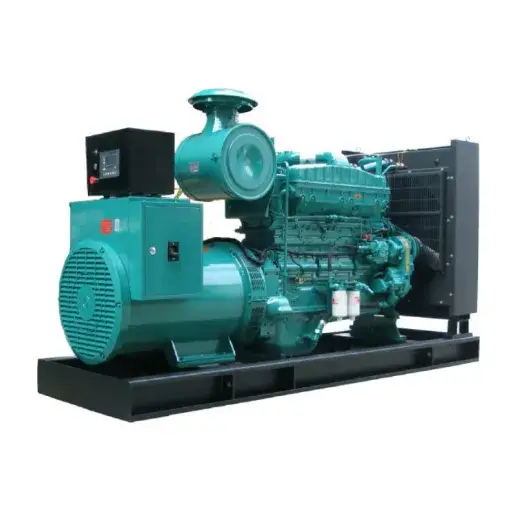
Portable Generators: Cooling Solutions
Electric Generators come in all shapes and sizes including the portable types for many purposes, which have a cooling system, as it is very important for their working. They are mainly air-cooled, because, unlike their larger industrial counterparts, they are small and low powered. Air cooling makes use of heat conducting metal components called fins and fans that blow cool air around the engine hence cooling it whenever it is working.
Electric Generators have been constructed to include air-cooling enhancers thereby raising the generated power’s efficiency. This includes; improved fan blades design and vent systems in machines, whose precision is aimed at enhancing heat removal as well as minimising the associated sound levels. Nonetheless, air- cooled electric generators on wheels fit best in situations where wayside use will be minimal or in low load. Constant use over continued time under high-load conditions would break the limits of the cooling mechanism, leading to strains of heating or performance debilitation, if not well checked and controlled.
Electric generators must be consistently maintained for proper performance where users must clean cooling vents from debris and worn out parts of the fans should be checked from time to time. It is also advisable to opt for a generator that comes with enhanced temperature control systems such as thermal cut-out switches for prolonged use. By comprehending the cooling needs associated with their portable generators, users can greatly enhance both reliability and longevity of the equipment.
Standby Generators and Their Cooling Mechanisms
Electric Generators are meant to run for a considerable time without further intervention, and in turn, have a very strong cooling system especially to ward off any heat shock from the appaliance. Such systems come as air-cooled or liquid cooled. In the former, large fans are provided to ensure heat rises and reduces the temperature of the engine thus this ones are best for lower power rating. The latter on the other hand has a provision for a liquid coolant which normally contains the water and antifreeze mixture to be circulated via the engine block and radiator for heat absorption and expulsion successively. These are utilized in the various portable standby generators.
Efficient operation of a standby generator’s cooling system is typically affected by such aspects as temperature, position of the generator and maintenance practices. As an illustration, high ambient temperature causes low cooling efficiency compelling the user to make sure that the unit has proper ventilation and sufficient space for air circulation. The latest technology in Liquid-Cooled generators involves efficient pumps and non-corrosive materials so that they can withstand frequent and high temperature operation. The overheating hazard is reduced by routine cleaning and or replacement of the radiators and the coolant within them. The cleaning of the hoses and other seals further helps the operational time without breaking.
All these measures enable the operators, and end users of the Electric Generators in order to provide reliable power distribution and avoid the risk of overheating the generator. Apart from the focus on engineering precision, one economy emphasizes the efforts of the users in trying to protect the reliability of the generators.
Inverter Generators: Efficiency and Cooling
Inverter technology in generators is a great improvement due to its greater effectiveness and more accurate power delivery than conventional ones. Inverter generators differ from the traditional ones in that they make use of electronics and more advanced magnetics to generate less contaminated and more stable power. The mechanism operates such that the power extracted from the engine is first converted into a higher frequency AC power before it is changed into DC and converted back into a stable AC power. This facilitates provision of a sine wave power, especially for electronic devices such as laptop computers, medical instruments and cell phones which otherwise would be damaged without clean and carefully controlled power.
Electric Generators are more advanced compared to regular ones in-terms of efficiency mainly because of a special feature that enables the control of the speed of the engine according to the load. This new enhanced feature is usually referred to as ‘smart throttle’ and permits the engine to work at different rates and not just one fixed speed. In the process, consumption of fuel is drastically cut down allowing more hours of use while letting out only a little carbondioxide. It is said that the difference between the fuel consumption of inverter jeet models and ordinary generators can be as high as 40%, which means that they are friendly to the environment and no power is lost. It also helps that inverter generators are much quieter due to the presence of a much compact body and of high performance silencer equipment which makes these machines ideal for use in homes and garages and even outdoor areas.
Proper maintenance of cooling systems is significant to the efficient and effective working of inverter generators in addition to expanding their useful life. Most of these devices include heat management techniques like forced air cooling and some high-end machines include fluid cooling. Forced air cooling involves using well-positioned fans in the engine or electronic parts to aid in the removal of excess heat without exerting any heat stresses. Conversely, such a liquid cooled system, although rare, is very effective since it utilizes heat exchangers as a means of heat management. Cleaning air intake ports, checking coolant levels and other services are required to prevent any heat related troubles and thus keeping the generator thermal specifications intact. These strides in cooling and power saving features justify the development that inverter electric generators turbocharged in the battle of current generation capacity.
Key Features to Consider in Generator Cooling Systems
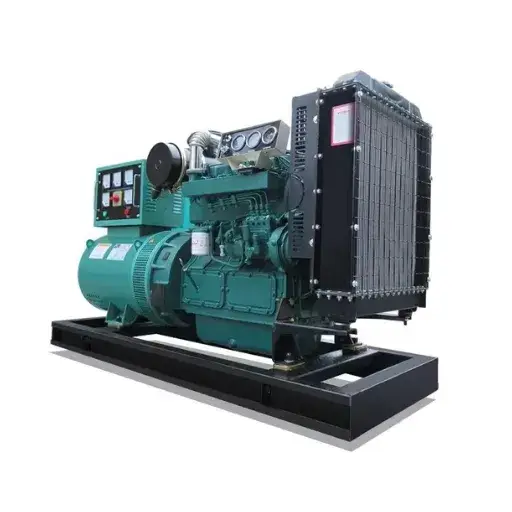
Cooling System Design and Efficiency
Modern cooling systems intended for use with electric generators have been designed to provide the maximum thermal efficiency and reduced power consumption, as well as environmental toxicity. This is usually achieved through either liquid-cooled or air-cooled designs. Liquid cooling systems in most cases use water-based ethylene glycol but regardless these are effective in controlling the heat from the Generators with a high capacity power output. These operate using a series of pumps, radiators and fans that cut in temperature, to maintain spot cooling.
Air cooled systems, on the other hand, uses the concepts of heat sink like fins placed strategically and fans of high speed to help in cooling the components in the center of the zoom of the generator. However, air cooling systems are simpler in construction than liquid cooled systems and so more preferred in portable types of generators which are smaller and where aspects of weight and maintenance are of key concern.
Adaptive improvements have gone into place cooling systems such as variable-speed fans control and dynamic thermal monitoring are worked out. Variable-speed fans increase the inherent power of cooling based on the actual requirements at that point, hence reducing any efficiency loses during such low loads. On the other hand, Thermal management units with say in-class sensors measure the the thermal pattern of the generator all the time with aims towards preventive maintenance to avoid any thermal breakdown.
Such developments reinforce the dependence on precision engineering and intelligent design to develop cooling systems that are compatible with contemporary performance and sustainability requirements.
Fuel Type and Its Impact on Cooling
One factor which significantly affects the energy cooling process and the efficiency of the power generation apparatus is the kind of fuel used. Electric Generators based on diesel an example of these generators, operate with very high piston compression ratio and produce excessive heat, thus requiring significant cooling systems to avoid structural trauma. In contrast, the use of natural gas generators creates almost no significant heat, as they use a clean burning fuel, thus, reducing the need for the cooling apparels and the thermal costs.
Developments in fuel mechanisms based on the use of hydrogen in turn raises the hope of reducing the thermal energy losses. During combustion gases produced there is more often water quenched as steam instead of producing excess heat as fossil fuels do. Yet this transition presents its own difficulties, for example various materials to work with higher flame temperatures and safe from hydrogen losses tend to introduce challenges in cooling systems considerations.
Biofuels as a substitute will also cause variation in cooling requirements associated with different energy density and heating tendencies in burning than the conventional fuels. Blended fuel powered systems usually demand cooling systems which respond to changes in the cooling load so as to provide efficient performance in all operational situations.
The uniqueness of these elements aids in understanding the rise in the importance of addressing the issue of designing cooling systems for special fuels with distinct thermodynamic as well as chemical characteristics. Operating on such enhanced management of energy will permit a choice of fuel that is more effective due to the additional, more rational use of the Electric Generators.
Automatic Cooling Features in Modern Generators
Modern Electric Generators employ automatic cooling systems which ensure reliability and efficiency during operations. The said systems also comprise monitoring sense organs in real-time which measure the changes in temperatures of the core parts of the generator such as rotor, stator etc. Once the temperatures rise above some preset temperature limits, smart control rooms are activated and cooling mechanism (such as liquid cooled or air cooled circuits) is applied to remove excess heat in a particular way.
Heavier duty machines are often liquid cooled with water and glycol etc. providing normal working. Liquid-cooling systems have been preferred over conventional air-cooled systems since they have better heat conductivity which translates to quick thermal releases from overheating areas. Furthermore, most of the modern generators have variable speed cooling fans controlled by algorithms that regulate the airflow according to the load at hand and as such does not waste energy or produce sounds while ensuring that there is an appropriate temperature balance.
In addition, these systems include fail-safe measures, such as automatic shutdown protocols in the event of emergencies, to protect the components and prevent mishaps. Internet of things technologies enables operators to monitor operating conditions and get real-time warnings and messages on the condition of the equipment and when it needs maintenance. All these breathtaking innovations illustrate how engineering excellence and digital transformation go hand in hand to increase the life span and productivity of active cooling systems with Electric Generators of the present age.
Maintenance Tips for Generator Cooling Systems
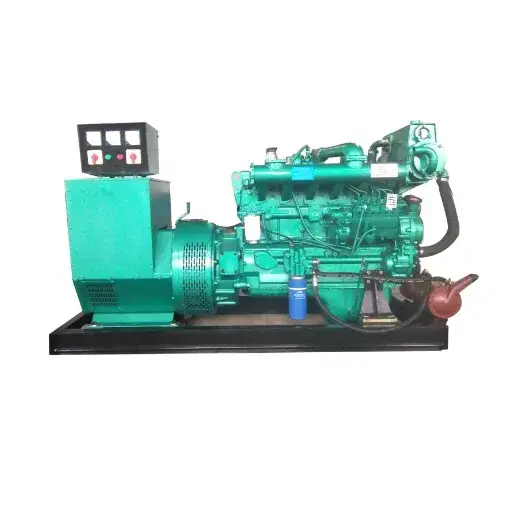
Regular Inspection and Cleaning of Cooling Components
Regular service of cooling systems for Electric Generators is essential to maintain and keep up equipment in a good working condition. Inspect the radiator, the hoses and the coolant reservoir simultaneously for any damages or leakages or blockages. Dust, debris, and minerals are various agents that control heat transfer and therefore affect the temperature and performance of the system. Therefore, compressed air or a soft brush should be used to clean the radiator fins thoroughly without causing injuries to the fragile parts.
Also, check the level of the coolant and verify that the right coolant mixture (within the recommendations of the manufacturer) is in use. This is because coolant, with time, gets tired or in other words, loses its ability to transfer heat. Drain and change the coolant at the intervals given and ensure that there are no sediments or signs of rust in the system.
Check if all the fan belts are properly tensioned and if there are any cracks or tears that may cause undermining of the system. Use and user(include user) also thermometer to test generator if it is working within the operating limits otherwise it might be a sign for some other cooling systems constraints. Regular inspection and timely maintenance of the cooling system within the generator enables the operator to prolong the service life and enhance the efficiency of the system hence reducing the possibility of machine hours or repairs which can be very expensive.
Replacing Filters and Fluids
The uptime of any generator is ensured based on the routine maintenance of its consumables, i.e. its filters and fluids. Understanding the significance of the air filter, oil filter and fuel filter, it is clear that these components enhance the engine’s performance by filtering out the impurities. For most filters, it is of utmost importance that the replacement is done as specified or earlier when the given device cannot function as expected. The efficiency in combustion can be compromised in the presence of blocked inflow, such as a dirty air filter. Electric Generators usually cannot provide internal working fluids or cannot efficiently provide lubrication or even fuel flow , in cases when the fuel and oil filters are blocked .
While all the other systems in a generator system appear to be clear, the maintenance schedule of the lubricating fluids, especially the oil and coolant replacements, is also very important. The oil which caters to your vehicle is recommended by the respective manufacturer for a reason: it helps to maintain optimal oil viscosity and lubrication at diverse temperatures. Maintaining a proper car’s cooling system level is crucial, so always check the coolant regularly when maintenance is being performed on the generator. Some of the reasons why one would choose more advanced coolant products that include organic acid technology (OAT) or hybrid organic acid technology (HOAT) include the fact that one can foresee a longer coolant change interval, and that the technology has been engineered to guard against rust.
With the progress in technology, different strategies have emerged which encourage condition monitoring of oils and filters such that contamination or deterioration of lubrication levels can be registered enough to avoid breakdowns rather than scheduled servcing only. To integrate these methods along with visual inspections of equipment’s has allowed a more proactive approach that helps to eliminate the chances of breakdowns and enhances efficient use of the Electric Generators in providing services within harsh operating conditions.
Signs of Cooling System Failure
The role of the cooling system in the operation of Electric Generators is so significant, especially in relation to keeping the working temperature at reasonable levels. The avoidance of the overheating that might damage the generator totally is only possible with the proper functioning of this system. Most cooling system malfunctions will show specific signs, many of which can be noticed before they become more advanced if proper inspection is conducted. The main signs include:
- High Temperature Operation: When the dial of a generator shifts into the red zone, causing the temperature decrease mitt to move up invariably, there is a problem to be wary of. For a long time of over heat, disordering of internal parts will happen: place in cylinder head, piston, place in bearings, and others.
- Leaks of Coolant: Drops or puddles of coolant beneath the unit or hoses, gaskets or radiators in this case, may indicate broken seals of the system. The temperature will be harder to control as the system will tend to leak more and more.
- Inadequate Coolant Content:An unexplained loss of coolant with no apparent outward flowing can indicate some issues such as defective gaskets or cracks in the engine block or exceptional conditions of overheating whereby the coolant evaporates.
- Sounds or Vibrations that are Unusual: During the operation of the generator, sounds or vibrations that aren’t normal operation may occur due to a defective water pump, slackened suspension fan belts or worn out radiator components availability thus depicting wear and tear or a possible malfunction in the cooling system.
- Coolant that is Discolored is a Clear Indication of Contamination: The presence of rust or discoloration in the coolant is a clear indication that the cooling system has been compromised with contaminants or internal corrosion due to lack of maintenance or deterioration of the coolant itself. In extreme cases, the flow of cooling fluid becomes impossible as there are blockages in either the radiator or passages.
- Weird Pressure Points: It is possible for a blown pressure cap to cause systemic pressurization issues that hinder the coolant from moving. Sometimes, this pressure becomes too high and causes the hoses to burst or the seals to be forced open, and other times, the pressure is not enough and overheating will result.
By employing modern diagnostic techniques and tools, which include temperature indicators and fluid condition checkers, it becomes possible to recognize those symptoms at an earlier stage. Such data from such technologies makes it possible to locate the problem precisely and without any guesswork, therefore ensuring no unnecessary halting of operations much as the cooling process remains the same even as the equipment runs in overdrive.
Common Issues with Generator Cooling Systems
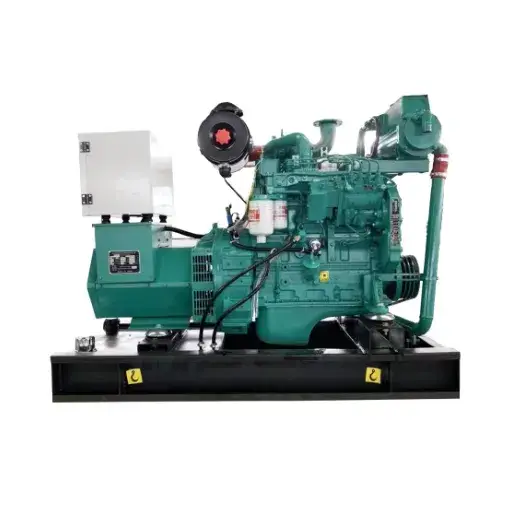
Overheating Problems in Electric Generators
Electric Generators are susceptible to overheating as a result of poor thermal management which results in thermal stress impinging the critical elements. The main parameter contributing in this case can include debris accumulation within cooling system in which case air or water flow is drastically limited. Another cause is identified by the pattern observed where insulation system is higher than rated in the stator or rotor winding. Such deformation weakens their thermal performance, making them susceptible to heat buildup if they even operate for a while.
Mismanagement in load of generation further increases frequency of cases of overheating. Generators running constantly and in appalling cases beyond the maximum rating result in overheating due to higher conductor resistance. Besides that, other external factors like high temperatures of the surrounding environment or poor ventilation of the generator limits the thermal mechanisms.
To address these challenges, there needs to be preventive actions in conjunction with more sophisticated monitoring solutions. For instance, thermal imaging devices can detect the problem spots allowing immediate action to be taken. In addition, employing electricity consumption balancing mechanisms and excising generators beyond their capacity are crucial to avoid overheating. The quality of coolant is also checked on a regular basis with the help of a maintenance schedule that furthers system durability and operating availability in harsh conditions.
Cooling System Failures and Their Causes
Breakdowns in electric generators, especially the cooling system, mainly occur due to wear and tear, insufficient servicing, and misuse. One of the causes is contamination of the coolant fluid by foreign bodies, dirt and even decomposing chemical inhibitors that diminishes the cooling process. Over time, this accumulation causes blockages and reduces the material’s ability to conduct heat.
Among the common problems encountered is a condition where the cooling system does not deliver the right amount of coolant, attributable to most cases of water pump failure, blockages within the lines or seals that are worn. When the flow is low in any particular section of the cooling system, its capacity to absorb all the generated heat tends to be compromised, thus overloading and possibly shutting down components. There is also the threat of radiator corrosion since introduction of gases means compromising the strength of the metal and on the extreme, the cooling system performance may be considerably affected.
Additionally, the fatigue wear in the materials whose exposure is increased by thermal cycling and vibration may deepen leading to cracks or cuts in the vital component such as thermal hoses, connectors, radiators etc. These performance issues within the fan motor or the sensor materialistically compound the problem of an already high ineffectiveness due to temperature fluctuations.
In conclusion, strategic tools such as process control, scheduling and replacement of parts services must be used in order to manage cooling failures and their subsequent interference in the continuous operations.
Solutions for Effective Cooling Management
In order to operate and manage cooling systems efficiently without breakdowns, a variety of strategies and high-quality solutions need to be implemented. Integrating advanced, better-grade coolants into the system is one way of dealing with challenges such as corrosion, scaling and fluctuation of temperatures. Moreover, these coolants are fortified with elements which help prevent or stabilize the system over a long period of time in harsh construction environments. Similarly, the use of high efficient and low thermal resistance heat exchanger is very helpful in carrying away the heat facilitating evaporation and effective cooling of the motor. This lowers the incidences of bearing heating as means of achieving refrigerant circulation in sunken motor Electric Generators .
One more important solution is the use of predictive maintenance to include sensor and IoT based repair routines. When the process analysis is performed, the systems can show if the temperatures, pressures or flows are not trending as expected so the implications can be rectified before they become a problem. More performance audits which are based on analytics can also help in improving the efficiency of the system.
Additionally, the use of reduced energy consuming and wear and tear prolonging electronically steered variable speed fans which are capable of delivering only required air flow as per demand is in high demand. The incorporation of automated control systems enhances operational performance as it adjusts parameters to suit the external and internal conditions. Such management methods in keeping cooling systems in top operating condition are also more than helpful in prolonging the service life of the systems in question as well as increasing the reliability of the systems.
References
-
Basics on Electricity and Electrical Generation
This document provides foundational knowledge about electricity and electric generators, hosted by the University of Chicago. -
A Study of Biogas Utilization Efficiency Highlighting Internal Combustion Electrical Generator Units
This study explores the efficiency of biogas-powered electric generators, hosted by the Knowledge Bank at Ohio State University. -
Domestic Electric Power Generator Usage and Residents’ Livability Milieu in Ogbomoso, Nigeria
This research analyzes the impact of electric generator usage on residents’ quality of life, available on Academia.edu.
Frequently Asked Questions (FAQ)
Q: How do Electric Generators work and in what capacity do they function as backup power units?
A: Generators are devices that help produce electricity in times when there are shortages of electricity. Such generators enhance the appliances’ mechanical breakdown as well as efficiency enhancement tools during pertinent locations. The manifestation of this type of generator includes both portable and stationary (standby home) models that are designed to back up a particular area or rather the entire home in Avance of the power being down. Systems such as lights, fridges, heating and cooling systems as well as Mv’s as live support devices are held in existence and operation before the power supply is restored.
Q: Why is it that one prefers a portable power generator versus a house backup system?
A: Like dual fuel portable ones or those that use gasoline and/or propane, portable generators are created for traditional camping especially with recreational vehicles or RV’s, for electrical needs of people working in building construction sites, or for short evacuation situations only. This energy is directed to the electrical characteristics of the cause and is remedied by the means of reserve energy in form of portable generators. These are permanently installed as a part of the primary wiring of the house with a transfer switch and are used for whole house standby power as they automatically turn on in case of an electric breakdown with no power.
Q: What wattage generator will I need for my house including size to enable it?
A: You would sum up the wattage of the few appliances you need and also include a provision for start-up wattages of electric motors. It is important to specify whether you want the backup to cover the whole house or only some circuits. An electrician who is certified can identify the appropriate capacity of the breaker, transfer switch and generator for a predetermined electrical demand and system such that the generator reliability is ensured.
Q: Are there different fuels that can be used. Also, What does dual-fuel and electric-start mean?
A: It is possible to operate generators using alternative fuels such as gasoline, propane, natural gas, diesel, or through solar and batteries. It is possible to have dual-fuel generators so that dual-fuel portable or dual-fuel stationary gasoline and propane gasoline or propane this adaptability. Electric start and remote start functionalities provide ease of usage however, for simpler or smaller generators, there is usually a recoil start option. Long power outages require one to plan proper refueling strategies.
Q: I would like to know some safety features such as the Co sensor or the Co shield that I should search for?
A: Yes. A CO shield, any CO detector, devices with safety cut-out or ventilation systems are the most sought-after. Always read the user’s manual, keep portable engines in the open, far away from any windows, and install a transfer switch to avoid backfeeding which is risky for lineworkers.
Q: Do I have to find a dealer or an electrician to connect the generator with the house’s electrical system or can I do it myself?
A: To ensure safety and comply with codes, find a licensed electrician or an authorized dealer for installation of the transfer switch breakers and wiring. Because, improper installation of electric generators can cause harm to the appliances as they are against the laws or backfeeding to the main utility grid. The safety concerns and compliance protocols are always guaranteed by experts while installing home back-up systems.
Q: In a residential power backup, how do integration of solar power, energy storage and external source generators used?
A: As opposed to only using solar panels, hybrid power systems also have components such as a deep cycle battery bank and standby generator. The batteries automatically take over in the event of a power failure, while the generator in place of a conventional one goes on to keep the batteries charged over a greater period of time. This aids in minimizing consumption of the fuel, enhancing the working years for the generator and promoting self reliance in terms of energy.
Q: What are the preventive measures that help in elongating the use of generators and in what way do refuels and the other accessories factor in?
A: It involves maintaining the generator regularly by changing the oil, filters, checking and cleaning the spark plugs, charging the batteries in case of electric starts, operating the generator under varying load conditions once in a while, and adding fuel stabilizer. Some accessories such as transfer switches, wireless remote starters, Carbon Monoxide Shield safety monitors come in handy including fuel gauges for safe- keeping of diesel or petrol propane that will be used.