
Are you ready to keep your residence or office running when the unexpected happens and the electricity goes out? Having an emergency power system is no longer a matter of choice but a requirement for ensuring safety and maintaining continuity during power outages. This comprehensive guide walks you through the complete installation of a backup generator, explaining how they operate, their necessity, and the factors influencing your choice. Whether your intention is to safeguard your home from unexpected blackouts or to make sure your company’s work doesn’t get interrupted at any point, the insights highlighted in this article will empower you when it is most essential.
Introduction to Emergency Power
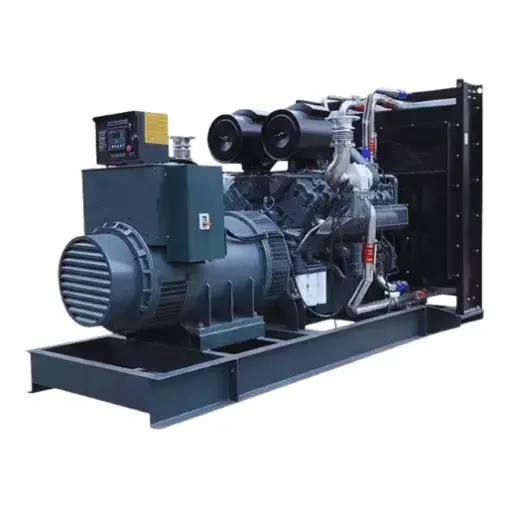
What is an Emergency Power System?
A power system that is emergency is a backup electrical system to supply power in case of an outage or failure of the primary electricity source. Its main purpose is to maintain the operation of essential services and not to cut them off. Otherwise, it might pose a threat to health, cause financial loss, or even ruin the equipment. These systems can be seen in hospitals, data centers, airports, and government institutions where power must not be disrupted under any circumstance.
The primary elements of an emergency power system usually consist of a power source, which can be standby generators or batteries, and a transfer switch. The power source is set into motion during an outage, whereas the transfer switch ensures a well-timed transfer from the main power source to the backup system. Emergency power systems are intended to offer an energy supply that is both reliable and instantaneous, thus covering the time required for the mains power to be restored.
Two Main Types of Emergency Power Systems:
- Uninterruptible Power Supplies (UPS): Provide instant power using stored energy from batteries, perfect for short-term outages or protecting sensitive equipment like servers.
- Standby Generators: Operate using fuel such as diesel, gas, or propane and are capable of supporting operations for long durations depending on fuel availability.
Importance of Backup Power Solutions
Backup power solutions have a key role in keeping the uninterrupted operation of houses, factories, and other facilities that are considered critical. Occasionally there are power outages caused by severe weather, utility failure or unexpected technical problems, and it is not always possible to rely on a backup – these interruptions can lead to financial losses, safety hazards, and major inconveniences. Backup systems like Uninterruptible Power Supplies (UPS) and standby generators do quite the opposite, they ensure that power is available for use during emergencies, thus effectively reducing these risks.
💡 Key Benefits for Businesses:
For companies, power backup is of utmost importance; it ensures that the operation of the company relies on such things as data preservation, IT system availability and productivity going on. Organizations that use sensitive machinery, like hospitals or data centers, are aware that even a very short power outage can cause huge problems. If these organizations have backup solutions, they can continue to provide essential services, avoid losses, and maintain the safety and trust of their clients or users.
At the household level, power backup can provide comfort to people since lighting, heating, cooling, and communication, which are the basic needs are not going to be cut off during the power outage. Moreover, it helps to avoid the damage of the appliances and electronic devices due to power surges when the main supply is restored. By purchasing reliable backup power systems, whether individuals or institutions, they can have the same as being resilient and prepared for power interruptions.
Common Applications of Emergency Power
Emergency power systems are essential in various situations and industries. Here’s how different sectors rely on backup power:
🏥 Healthcare Facilities
Hospitals rely on power backup to keep life-saving devices, including ventilators and monitors, running during outages. This capability is crucial in maintaining the safety and care of patients, especially during emergencies or natural disasters.
💾 Data Centers
Data centers count on emergency power solutions to prevent data loss and keep connections alive. A power outage in these places can disrupt operations, cause security breaches and lead to massive financial loss.
🏠 Residential & Commercial
Emergency power supply keeps the most important amenities like lighting, refrigeration, and heating systems working. This is particularly true for areas affected by bad weather, which may cause power outages to last longer than expected.
Types of Emergency Power Systems

Standby Generators
Standby generators are trustworthy backup power systems that automatically start to function during outages, thereby providing electricity to the vital areas without interruption. These generators are fixed installations outside the house, just like outdoor air conditioning units, and are linked up with the electrical system of the building. They are generally fueled by natural gas, propane, or diesel, which gives the regions’ different resource availability a flexible approach. A standby generator when power interruption happens, it senses the outage and starts supplying power right away in a few seconds, thus there is no or very little disruption of service.
✓ Main Benefits of Standby Generators:
- For homes: Supply power to refrigerators, air conditioning units, and medical equipment, guaranteeing comfort and safety during outages
- For businesses: Keep production lines, servers, and security systems running, eliminating risk of significant financial losses
- Modern integration: Capability to integrate with remote monitoring systems for preventive maintenance
- Scalable capacity: Can be sized according to property needs
- Eco-friendly options: Low-emission models gaining popularity
Standby generators are designed for durability and utility and their capacity can vary according to the size and needs of the property. They have regular maintenance that includes fuel supply checks, oil changes, and testing to ensure they are always ready for use. Technology has also played a critical role in making the modern generators not only more efficient but also more eco-friendly. By providing a reliable, automatic solution, standby generators are an indispensable part of the power outage scenario; they protect the residential and commercial sectors from the unpredictable power supply disruptions.
Uninterruptible Power Supplies (UPS)
Uninterruptible Power Supplies (UPS) have become the machines that still keep going when everything else stops. They are the ones that bridge power failure to the resumption of power or the startup of a backup generator. In the very first place, when the power outage occurs, UPS systems provide clean and dependable power to protect sensitive components like computers, servers, and medical devices from being damaged due to sudden power cuts or voltage fluctuations that can be in the form of surges, spikes, or sags. Thus, they are in the foreground of those applications where a two-second interruption could mean one hour of downtime or loss of data.
Contemporary UPS systems can be found in numerous shapes and sizes catering to all power needs, from little home office units to heavy-duty, industrial-grade systems for data centers and infrastructures that are critical for operation. Such delicate devices employ highly dependable battery technologies like lithium-ion or sealed lead-acid batteries that are prone to less maintenance and provide the same reliable output. Furthermore, the latest UPS versions are generally outfitted with smart features like energy monitoring, remote management and automatic diagnostics that help the users in maximizing the performance and spotting the problems that may take place beforehand so that they can be cooled down before turning critical.
⚡ Important Note: Buying a UPS system is not just a matter of protecting vital devices but also guaranteeing continuous operation and spreading the tranquility of mind across persons involved. Power failures have been on the rise due to the dilapidation of the power supply network and climate-related disasters; hence, the need for an uninterrupted power supply is felt more than ever, it is not a luxury anymore. A UPS can be the ultimate deciding factor whether the situation is under control or it is a costly disruption not only for a small business, hospital, or home use but also for all of them.
Solar Power Solutions for Backup
Solar power has turned out to be an efficient and eco-friendly option for backup energy needs. Solar-powered backup systems, which are mainly composed of solar panels, an inverter, and a battery, are capable of giving a renewable option compared to traditional gas or diesel backup systems. Home owners or businesses can accumulate the energy during the day and hence can use it during the period of outages or peak demand.
Solar technology has significantly improved the performance and cost of these solutions. Modern lithium-ion batteries, such as those used in solar backup systems, are the best performers in terms of energy density, lifespan and charging speed compared to the older types. Moreover, the combination of solar energy and smart power management tools will assist in the optimization of the power reserves so that users can have backup power at the time when they need it most.
🌞 Solar Backup Advantages:
- Especially useful in areas that frequently experience power outages or where the grid is unreliable
- Helps create a cleaner environment by reducing emissions
- Guarantees energy independence
- Eventual reduction of energy costs through less dependence on traditional sources
- Scalable from residential to large-scale industrial and commercial use
Key Benefits of Having an Emergency Power System
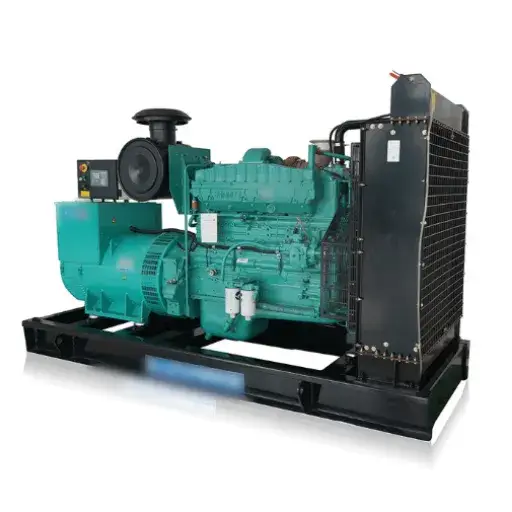
Ensuring Continuous Power Supply
An emergency power system’s most significant benefit is its capability to keep power supply running incessantly and unstopped during outages. There can be many reasons for power cuts like adverse weather, grid issues, or any other events, which makes houses and offices exposed to the problem. Emergency power systems which include generators and solar battery backups, help to keep the power supply for the essential systems like lighting, heating, cooling, and refrigeration by powering them up. For companies, this dependability can result in avoiding financial losses and ensuring continued productivity, especially for sectors where operations are very sensitive, such as healthcare or manufacturing.
🔌 Latest Technology Advancements:
The latest emergency power systems have made use of cutting-edge technologies to enhance efficiency and adaptability. The increase in the use of solar and other renewable sources has made it easy for hybrid systems combining solar panels with battery storage to be marketed very much. Not only these systems supply a reliable backup but also the total carbon footprint of the energy-dependent facilities is lessened.
Modern lithium-ion batteries have a longer life span and quicker charging than older diesel generators. Besides, smart technology makes monitoring of energy consumption possible in real-time, and then users can prioritize the important loads and make adjustments straight from their mobile devices or computers.
Protecting Critical Systems
Emergency power systems, like backup generators and uninterruptible power supplies (UPS), are key to keeping the operations of great services functioning. Hospitals, data centers, water treatment facilities, and emergency response centers are among the main beneficiaries of emergency power systems. They help to keep communication routes, lifesaving machines, and vital infrastructure working when the main power cuts off, thus avoiding big disruptions and potential harm.
Moreover, the recent past has witnessed the energy sector doing nothing but giving more power to the reliability and efficiency of these systems. A good case in point is the modern backup power solutions that usually come with renewable energy sources like solar power and battery storage, which are more sustainable than traditional diesel generators. Besides, the power management software gives real-time updates and schedules for preventive maintenance, thus making sure that the equipment is always in top shape for when the crucial moment comes.
🛡️ Community Resilience: It is evidently necessary to make these systems not just resilient but also scalable and innovative in order to develop communities that are ready to face and even reduce the impact of the growing risk of extreme weather and other disruptions. The governments, industries, and consumers could all play a part in the implementation of these solutions as part of a larger energy resilience strategy.
Cost-Effectiveness in the Long Run
The adoption of emergency power systems that can be scaled up and are innovative will bring about notable cost savings in the long run. While the initial outlay of advanced energy solutions may seem high, the long-term benefits are more than the initial expenses. For example, renewable energy-powered backup systems including solar-plus-storage solutions, cut off the use of fuel-based generators, thus, lowering the operating costs. Besides, the high-tech systems are built to last and be efficient thereby, automatically reducing maintenance requirements and extending the lifespan.
💰 Financial Impact:
Moreover, the future-proofing of energy resilience investments has the effect of reducing financial losses that would have been incurred due to prolonged outages or interruptions in the provision of essential services. Research has shown that the continued interruption of electricity can lead to businesses and governments losing millions of dollars in terms of productivity, data loss, and recovery efforts. Thus, with the reliable emergency power systems in place, organizations can reduce these risks and keep on operating.
How to Choose the Right Emergency Power System
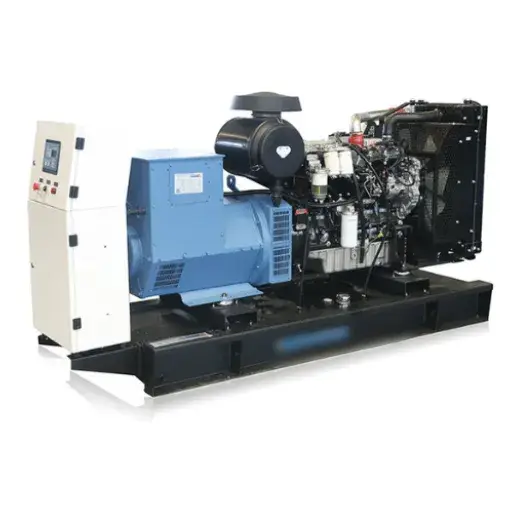
Assessing Your Power Needs
Choosing the appropriate emergency power system requires an extensive assessment of your power needs. Start by listing all the important systems and devices that must continue to work even when there is a power failure. This includes lighting, heating, and cooling systems, servers, refrigerators, and freezers, medical devices, security systems, and everything else that is vital to your home or business. Total the power required by adding up the watts of each unit, and do not forget to include the surge power that is needed during startup. A little overestimation is advisable in order not to create extra pressure on the system during emergencies.
📋 Step-by-Step Assessment Process:
- List Critical Systems: Identify all essential devices and systems that must remain operational during outages
- Calculate Total Wattage: Add up the watts of each unit, including surge power needed during startup
- Determine Runtime: Assess how long you’ll need backup power based on typical outage duration in your area
- Choose Fuel Type: Consider diesel, natural gas, or propane based on availability and efficiency
- Plan for Scalability: Consider systems that allow easy expansion or integration with renewable sources
Afterward, determine the length of time for which you may require the backup power. If the outages in your locality are usually brief, you might opt for a less powerful system with limited runtime. On the other hand, regions that are frequently hit by bad weather or have an unreliable power supply might need to have more powerful systems that can support operations for a long time. Among the advanced solutions are diesel or natural gas generators that usually have better fuel efficiency and longer life than small portable generators.
Finally, consider the power system’s expansion capability and compatibility. Systems that provide easy scalability or integration with renewable energy sources like solar panels can save you money and be eco-friendly in the long run. Consult with a professional energy consultant or technician for a load assessment and to make sure your emergency power system is in line with both your current and future requirements. Detailed planning today ensures that the system’s reliability and efficiency are not compromised during emergencies.
Understanding Power Supplies and Equipment
Power supplies and equipment are absolutely fundamental to the entire energy system and their proper operation allows devices and systems to work at their best under different conditions. The first thing a power supply does is to convert electrical energy from the source — this could either be a battery or the grid — into the form needed by connected devices. The systems that handle such a process can be divided into two main categories: linear power supplies and switching power supplies. While linear power supplies are synonymous with simplicity and reliability, switching power supplies are characterized by their much higher efficiency and smaller sizes and thus can be considered for more modern applications.
⚙️ Key Selection Factors:
- Power Ratings: Ensure adequate capacity for all connected devices
- Efficiency: Higher efficiency reduces energy waste and operational costs
- Compatibility: Must work seamlessly with existing systems
- Surge Protection: Prevents damage from power fluctuations
- Voltage Regulation: Maintains stable power output
Energy technology advancements have resulted in a growing trend of treating power systems that incorporate renewables as both cost-efficient and environmentally friendly. Solar inverters for example not only are able to transform energy from solar panels into electricity but they are also capable of linking with energy storage systems. Energy-conscious smart power devices with monitoring facilities make it easy for users to identify their real-time power consumption, thus giving rise to improved energy management and control. The knowledge of such modern trends allows both individuals and organizations to come up with power systems that are not only more scalable and efficient but also aligned with their specific energy requirements.
Evaluating Diesel vs. Gas Generators
When choosing between diesel and gas generators, it’s important to understand the key differences in performance, cost, and maintenance requirements. The following comparison table provides a comprehensive overview:
💡 Decision Guide: Diesel generators are more expensive but are very efficient, sturdy, and reliable with low maintenance needs. Gas generators are quieter, less expensive, and more easily available but have a shorter lifespan and require more upkeep.
Installation and Maintenance of Emergency Power Systems
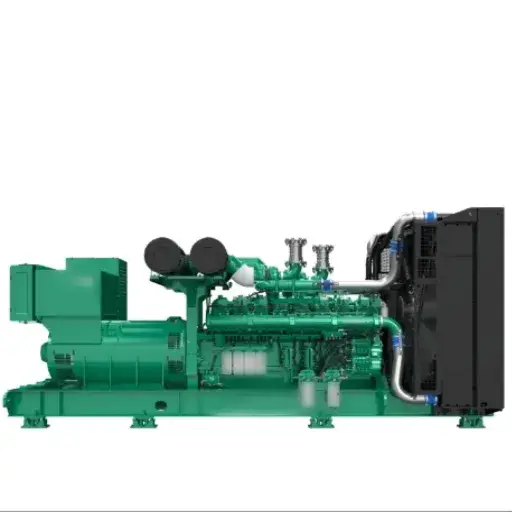
Setting Up a Standby Generator
The installation of a standby generator is a process that must be done with great care and executed perfectly so that the generator is not only reliable but also efficient during emergencies. The initial step is to choose a generator that fits the size and has the capacity according to the power needs of the residence or facility. An expert assessment of energy consumption will indicate which appliances or circuits should be given priority, thus making sure that the most important systems are always supplied with power.
🔧 Installation Process – Step by Step:
- Choose the Right Generator: Select a generator with appropriate size and capacity based on your power requirements
- Location Selection: Choose an outdoor spot that is stable, level, and positioned far enough from windows, doors, and vents to eliminate carbon monoxide poisoning risk
- Comply with Regulations: Follow local building regulations and manufacturer’s instructions strictly
- Weatherproofing: Protect the generator against environmental threats like flooding or extreme temperatures
- Install Automatic Transfer Switch (ATS): Ensure smooth switching from main power to generator and back when power is restored
- Professional Wiring: Have a licensed electrician handle all wiring in compliance with safety regulations
- Testing: Conduct thorough performance tests before relying on the system
Installing an automatic transfer switch (ATS) is another important step that must be done. The ATS switches smoothly from the main power supply to the generator and back when power is restored. The wiring has to be done in compliance with all the safety regulations, which is why getting a licensed electrician is highly suggested.
🔌 Modern Enhancement: The integration of modern smart monitoring systems that provide real-time information about fuel consumption and operational health adds convenience and reliability, thus encouraging system adoption and ensuring optimal performance.
Importance of Regular Maintenance
Regular maintenance is essential if you want to enjoy the benefits of a standby generator for a long time and have it be trusted all the time too. Not doing routine checks and services can cause a drop in efficiency, unexpected failures, and expensive repairs. Regular inspections give users the chance to find little problems, like blocked filters or worn out connections, before they become big ones and cause the system to fail totally. Following a maintenance schedule strictly will not only ensure that you get uninterrupted electric power during outages, but also it will enhance your energy reliability and lower your operational costs in the long run owing to improved efficiency and lesser fuel consumption.
🛠️ Essential Maintenance Checklist:
- Oil Changes: Check and change oil regularly to keep engine components lubricated
- Spark Plugs Inspection: Examine and replace spark plugs as needed for optimal ignition
- Air Filters Cleaning: Clean or replace air filters to ensure proper airflow
- Fuel Quality Monitoring: For diesel generators, monitor fuel quality closely as contamination from condensation or microbes can impair performance
- Regular Load Testing: Run the generator regularly even when there’s no load to prevent fuel stagnation and keep moving parts lubricated
- Transfer Switch Testing: Test automatic transfer switches to ensure instant takeover during mains failure
- Battery Condition: Check battery health regularly for reliable startup
Technology has come up with a way to provide smart solutions for real-time monitoring and diagnostics in modern maintenance practices. These systems give insights into fuel levels, oil pressure, and temperature changes as well as notify users of possible problems before they affect functionality. Using automated alerts and performance reports helps to shape a more data-driven kind of maintenance strategy, which in turn, provides more peace of mind. The blending of conventional maintenance methods with ground-breaking technology guarantees uninterrupted operation of your generator even in the most severe conditions.
Using Transfer Switches for Safe Operation
Transfer switches are indispensable parts in the process of making backup generators safe and effective during operation. They allow the primary power sources and backup generators to switch over without any problems, thus, the risk of electrical hazards and damage to connected equipment is minimized. Automatic transfer switches (ATS), on the other hand, are a bit more remarkable since they immediately sense the power supply disruption, and with no manual intervention the generator goes on. Transfer switches, at the same time, keep the generator and utility power apart, thus, preventing the dangerous backfeeding which can be a serious safety risk to utility staff and equipment.
⚡ Advanced Transfer Switch Features:
- Real-Time Monitoring: Modern transfer switches provide real-time data on system performance and power distribution
- Data Storage: Systems store information about load shifting and energy consumption
- Capacity Management: Ensures generator operates strictly within capacity limitations
- Smart Integration: Can be combined with smart devices for better energy management
- Overload Prevention: Significantly reduces risk of system overload during critical times
Today’s transfer switches are of the kind that have been fitted with cutting-edge technologies enabling monitoring, and hence, the delivery of real-time data on the performance and distribution of power in the system. Besides, such systems give operators the ability to store information about load shifting and energy consumption, as a result, the generator operating is strictly according to its capacity limitations. To add to that, the data can be utilized in determining the best way to use power, especially in the case of facilities that have heavy or fluctuating demands.
⚠️ Safety Critical: Transfer switches when used alongside routine maintenance and regular testing, substantially increase the reliability of backup power solutions. It is necessary that certified professionals perform the installation in order to avoid wiring mistakes and to ensure compliance with electrical safety standards. The combining of transfer switches and modern data-driven tools enables businesses and households to not only have greater assurance of power outages management but also to prolong the life of their generator systems.
📚 References
- University of Colorado Denver:A detailed guide on battery backup systems for powering critical devices during outages.
- University of Illinois: Research on alternative backup energy solutions, including fuel cells for emergency power.
- University of Pennsylvania: An electrical design guide for standby and emergency power systems.
Frequently Asked Questions (FAQ)
❓ What is the primary purpose of an emergency power system and in what aspects is it different from standby power systems?
An emergency power system is basically a backup to the normal power supply or grid comprising emergency generator, automatic transfer switch, and fuel source (usually diesel or natural gas). The supply of power from power systems which are based on codes like level 1 systems classification grants even strict noncritical loads fallback in case of power failure and other less stringent standards in comparison to emergency power systems, the latter being more diversified among applications.
❓ Which situations require the provision of standby power and what applications are considered mandatory by law?
The requirement for standby power arises in the case of buildings and facilities where the loss of electrical supply would put lives at risk or disrupt the functioning of essential operations. Hospitals, data centers and other areas wherein life-support systems have to be powered up for emergency lighting, fire alarm systems, HVAC ventilation for human safety are some of the places where legally required standby power is common. Building codes are responsible for setting the power requirements and defining the limits of the emergency power supply system.
❓ What is the operation of an emergency generator set to produce power in the event of a utility power cut?
A generator set (generator unit) transforms the energy contained in a fuel source (diesel, natural gas, or propane) into electrical power. In case of utility power failure, the automatic transfer switch identifies the outage, starts the emergency generator, and shifts the power supply to the emergency backup system so that critical systems are kept running. Regular service and maintenance of generators ensure reliable startup at the time of power requirement.
❓ What are the essential components of an emergency power supply system?
An emergency power system typically includes the following components—a generator (diesel or natural gas), an automatic transfer switch, fuel storage, ventilation for the generator enclosure, control systems, and distribution switchgear. It is normally equipped with uninterruptible power supply (UPS) units for providing short-term backup and monitoring equipment to make sure that the system is delivering electrical power to critical systems during electricity loss.
❓ How does generator maintenance and testing impact reliability for the system?
Preventive maintenance of generators is a must to avoid failures in the entire system. Regular testing, checks on fuel quality, load bank tests, inspections of ventilation, and functioning of the automatic transfer and control systems will lead to having power when needed for emergency or standby power during utility power failure. Correct maintenance mitigates the risk that systems can be installed yet are unable to provide power when needed.
❓ Are emergency power solutions applicable to commercial buildings and data centers?
Yes, a power combination of generators, UPS systems, and automatic switches in the power supply for commercial and data center applications. Backup solutions for these power systems are tailor-made such that users’ power requirements are met and operation of servers, cooling systems, and other production processes keep running without any interruption during the outage.
❓ What are the factors that shape the decision about the size and type of the power generator?
Determination of the generator size is based on the consumption of power, whether it will be of prime power class or just emergency backup, simultaneous starting loads, and available fuel (diesel, natural gas, propane). Engineers take into account the existing power, the expected electrical supply loads, and whether portable power or a permanent generator set is most suitable for the facility’s power needs.
❓ How do the control systems and the transfer switches work to keep the systems running throughout a blackout?
The control system monitors the utility power and instructs the automatic transfer switch to disconnect the failed utility and turn on the emergency generator. Subsequently, the transfer switch connects the generator to the electrical supply circuits thus allowing the emergency lighting, safety systems, and other critical systems to maintain their operational state. Properly designed controls coupled with maintenance significantly reduce the chances of system failures.
🔌 Ready to Secure Your Power Supply?
Investing in an emergency power system today means peace of mind tomorrow. Whether you’re protecting your home, business, or critical infrastructure, the right backup power solution ensures continuity, safety, and resilience against unexpected outages.
Consult with a professional energy consultant to assess your specific needs and design a system that keeps you powered when it matters most.