
Power is so important in the world today that its failure can cause great havoc or simply little discomfort in any given place such as a theatre, hospital, or data centre, all the way to an industrial plant. The emergency power system (EPS) is a defense mechanism that aims at sustaining operational capabilities when the main source of electrical power fails, among other causes. We will cover in this text the requirements and mode of operation of an emergency power system and why it is of paramount importance, in a – detailed and technical way, aiming at the installation of efficient systems. Whether there has been an interruption of a strategic asset from your sector or body or simply the desire to better tolerate a lack of current restores, it matters a lot and is always important that one knows what an EPS will do and the kind of it for the purposes under discussion.
Understanding Emergency Power Systems
What is an Emergency Power Supply System?
A reservation power emergency power system, or Power Generation Facility (PGE), is a power source intended for use during power outages. It is a crucial component of the infrastructure of many establishments and operations because of the direct consequences that would result if there were a power failure in any of the said places most notably hospitals, data-private establishments, factories amongst others and emergency agencies to name the few. This system allows for the operation of required devices and infrastructures in a stable manner to provide safety precautionary measures, services, and communications in an emergency.
An EPS primarily comprises a power generation unit or a set of batteries as the source of power and an ATS (Automatic Transfer Switch). An ATS, monitors the availability of the main power supply and automatically transfers the load to the alternative power supply in case of a power failure. Such changeover helps in reducing the downtime in terms of the supply of electricity. Besides, control panels, voltage controllers as well as monitoring equipment may also be installed to make sure they work properly and also in case failures occur they are arrested without delay.
The provision of Emergency Power Supply Systems needs to meet certain convectional model rules, as those rules, already in place, have been formulated by the National Fire Protection Association (NFPA) and the International Electrotechnical Commission (IEC). These rules aim at assuring dependability, correct installation and safe operation. It is equally necessary however to constantly test the EPS along with the maintenance thereof to ensure that the EPS is in good condition and capable of performing at the extreme overload during the emergency.
The Importance of Emergency Power for Critical Systems
The role of the emergency power system is corner stone in case of power failure maintaining the operational status of critical systems whenever required. Such systems include, but are not limited to, hospitals, data centers, communication services, public safety services that are supposed to be operational so as to save lives, protect the data and ensure proper provision of core services. Lack of emergency power supplies to these systems would be disabling to the extent of loss of life, monetary loss, or even endangerment of those safe.
Electricians’ toolbox contains many tools, one utility of which is an emergency power system. An emergency power supply system provides a backup solution if the grid faces outage as per its primary objective. Critical systems can be fully functional thanks to gensets or UPS for example. An necessary foundation as regards to these systems is that which requires the appropriate sizing, installation and testing of the systems as directed by NFPA and its likes. This as a response to the contingency requirement reduces the chances of a system default and guarantees operations during disaster.
In addition to this, the emergency power system provides a long-term operational resilience. These systems require routine maintenance intervals, load testing and performance analysis. Without this, they cannot be relied on in practice. The institutions paying attention to improve the performance of the systems should install sophisticated monitoring technology which gives real time data and also provides fault alert to the management. At the end of the day, the use of emergency power goes beyond continuity, it assures stability, and preparedness and those are two values that are necessary for any mission critical operations.
Key Components of Power Supply Systems
Electrical energy supply is a power supply system that provides dependable operations for important infrastructure. Its core features include the generation of electricity, storage, distribution, and control systems. All of these elements serve their different purposes to ensure efficiency, dependability, and flexibility across load and environmental systems.
- Power Generation: All power supply systems have components called generation. Power generation gets almost every inch of launching open and developing a power supply system. Some come in the form of oil, coal, or natural gas burning power plants; others contain renewable power plants like solar PV and wind as well as several other hybrid models. The choice of which generation to include in the emergency power system is facilitated by several factors such as power requirement, location, availability of resources, and the environment.
- Energy Storage Systems: In terms of the regional mix and the demand for the respective energy, storage systems are integral to all electrical systems. The use of batteries such as Lithyum in addition to solar panels has this functionality at not only the household level but even a larger scale. There are also UPS systems or capacitors that provide extra support in the event of an emergency power system failure, other systems like a generator being fired up.
- Systems for Energy Distribution and Monitoring: Various infrastructure is put in place in order to ensure that the necessary electricity at the right frequency completes its journey to the end user. This includes fitting of switchgear, transformers, circuit breakers among other components, with the purpose of ensuring and controlling the direction of electric power. Monitoring and regulating controls, and often employing sophisticated designs of digital monitoring devices, offer improved control and protection by remaining within systems’ limits and providing automatic and logical actions during abnormal conditions of operation such as faults or changes in demand.
When combined, these elements create a flexible and stable structure that serves a broad array of operations, thus, guaranteeing the centrality of power provision in the contemporary technological and economic context.
Types of Emergency Power Solutions
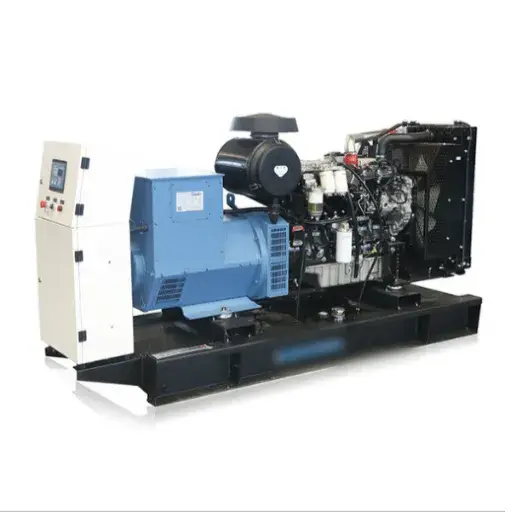
Generators: The Backbone of Backup Power
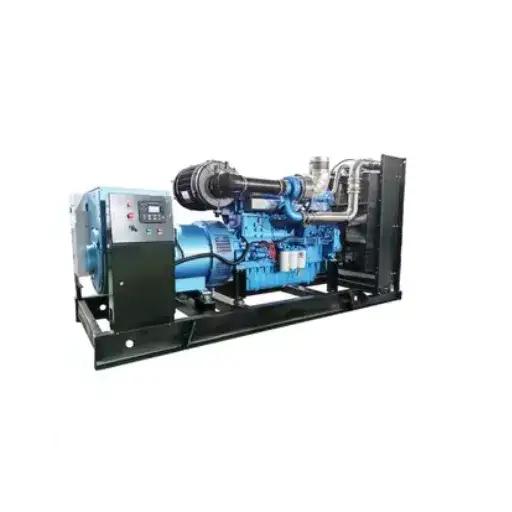
Generators have evolved over the years to become the most important elements in any emergency power system because of their ability to supply power when the main power goes out. In the modern world generators are generally classified according to their fuel; there are diesel, gas, and propane powered generators and they all have different benefits when used in diverse situations. For example, diesel generators are very popular and widely used in industries because they are heavy duty and they do not wear out easily. Natural gas generators, another type of generators, are used for urban or residential use since they have low gases emitted and there is a constant supply of fuel built in.
The development of technology over time has only improved the efficiency of the generators including reliability. Now with the aid of Automatic Transfer Switches (ATS) installed, it has become easy to not only change the grid but generator sources also with no apparent disturbance. As the concept of visualizing the state of the generator in terms of load, fuel, major* maintenance, or operational biod is in operation, practice or any form of discussion will be incomplete without occurance of the word “predictive maintenance” and “efficiency”. Furthermore, noise and air quality regulations are such another concern for standards and codes of practice around the world that this has resulted in features such as SCR and particulate filters being fitted to diesel powered generators.
One more aspect is scalability, and with this regard modular generator arrays are increasingly used. This is related to countries with different power levels – in small scale they are used in, for example, hospitals and in big scale for data centers. Such systems are mostly made for parallel operation which gives them redundancy and enhances load sharing. Therefore generators come to play a very important role in today’s emergency power system as they combine rugged building constraints and advanced control systems for critical purposes.
Uninterruptible Power Supplies (UPS)
Uninterruptible power systems, in short UPSs, are very important devices, especially in service provision areas where any disturbances in power supply can lead to serious disruptions of operations. Simply put, UPS provides a battery power backup within seconds until a more long-term or more stable power source is available. UPS devices come in three formats: standby/offline, line-interactive and online (double-conversion); each with its particular purpose depending on whether home appliances, or mission hard industrial systems, are required.
Metrics which measure the performance of uninterruptible power systems or still so called emergency power system are consumption purpose namely, the unit of measurement is kVA or kilowatt which either of them cracks transfer time or rather takes care of output characteristics in regard to wave shape(s) and losses. Such high-end UPSs adequately incorporate the real-time systems of monitoring thereby making it possible to perform remote diagnostics and ensure the equipment can be removed far less often. In data center operations for instance, battery replacement is a simple process most of the time, and this is enhanced by making use of hot swappantable batteries.
The advent of UPS technology has brought about the use of lithium-ion batteries, which have longer lifespans, recharge faster, and are lighter than lead-acid batteries. In addition, several advanced UPS designs may function under a modified or eco-mode BYPASS thereby helping to avoid unnecessary conversion of power thus saving on energy under optimal grid conditions. Such developments make the emergency power system with UPS not only a secondary and precautionary power supply for critical systems but also a very important tool for the overall strategy of improving energy efficiency and maintaining sustainability of processes.
Choosing the Right Emergency Power Solution
Assessing Your Power Needs: Residential vs. Commercial
Residential power needs are lower and use single-phase power, while commercial needs are higher and often require three-phase power.
|
Key Point |
Residential |
Commercial |
|---|---|---|
|
Power Demand |
Low |
High |
|
Voltage |
120/240V |
208/480V |
|
Phase |
Single-phase |
Three-phase |
|
Usage |
Consistent |
Variable |
|
Rates |
Lower |
Higher |
|
Contract |
Short-term |
Long-term |
|
Applications |
Homes |
Offices/Factories |
Factors to Consider: Capacity, Reliability, and Cost-Efficiency
While choosing an emergency power system, there are a few important considerations that need to be taken into account as they influence the effectiveness of the system in the short and the long term. Most importantly, the power that is coming from the equipment has to be capable of meeting its load requirements. In a domestic setting, the systems are used to support basic loads and a low kVA rating can be appropriate. On the other hand, in more complex environments such as commercial or industrial settings, systems with higher capacity or more UPS designs or even generator designs can be implemented to ensure operations that are critical can continue for a significant period of time.
One other important factor that must be considered is reliability, especially in applications where outages are costly and cause operational disruptions. For instance, sophisticated systems that employ dual-conversion online UPS or even a redundant power architecture tend to be more reliable, as they reduce possible failure points and provide a constant trickle of power except for the very rare case of a complete blackout. Moreover, there are other measures of reliability such as the Mean Time Between Failures, MTBF, or even confirming whether the emergency power system meets standards such as including ISO 9001 or SEC 62040.
Attention must be paid to the financial aspect of the matter in order to achieve optimal results whether it is from the perspective of cost of purchase or operating costs. Besides the capital cost, the potential user must take into account other relevant aspects such as energy efficiency grades, ease of maintenance and cost of replacement parts. Using an energy saving feature and modular components, the latest models of UPS devices considerably diminish operational expenses.
Understanding Transfer Switches and Their Role
A transfer switch is an essential part of any emergency power system, with the sole responsibility of switching an electric load between two sources of power. This is common in systems with the normal power supply from the utility and a standby power source such as a generator or UPS and since there is the need to provide these systems with clean power even during the absence of normal power or during a disturbance. Transfer switches come in two basic versions, the automatic transfer switch, and the manual transfer switch.
Equipped with sensors and control systems, the ATS systems will automatically sense a power failure and the transfer to the backup power source is complete in less than a second, thus reducing stoppage time. On the other hand, MTS systems are engaged only after an intervention from an operator who wants to connect the power supply to the load providing a more simplified, but less expensive approach for a small number of applications.
Current transfer switches are commonly equipped with intelligent functions for performance control and fault control, power quality, load, and system performances, in real-time as well as data provisioning. For instance, advanced automatic transfer switch (ATS) can embed maintenance capabilities such as alerts to operators on problems that would cause failures in the system before the actual failure occurs hence improving the reliability of the system. Also, adoption of any of the standards in the manufacturing of transfer switches such as the UL 1008 indicates that the transfer switches meet certain levels of safety and performance requirements that are suitable and guarantee protection of equipment and systems from harsh during transitions or otherwise use of the transfer switches.
In any design or improvement of the operations of an emergency power system, the understanding of the transfer switch design, load and integration with other components is crucial in ensuring operational reliability.
Installation and Maintenance of Emergency Power Systems
Best Practices for Installing Your Power Supply System
The safe and efficient work of the power system also requires its accurate installation. In doing so, a responsible person always begins with the site survey, which identifies various climatic conditions that may affect the performance or the lifespan of the equipment such as ventilation, temperature changes, humidity levels, and so on. Also, it is crucial to buy parts certified by organizations like UL or IEC for safety as that will guarantee that the parts meet the standards of the particular industry. An emergency power system is important when integrated to the system.
During application of installing any equipment, care must be taken on grounding and bonding applications. There is a direct relationship between any grounding system and the risk of occurrence of electric shock, damage to equipment and instability of the system thus proper installation procedures should be observed. Including size of the cable trees and where the cables should come to especially the cable outlet and the design of how much stress should the material in the materials be supplied with at each point of entry provides for maximum power efficiency designing and forces continuation without any surprise tensioning in the system. In order to prevent them and ensure safe insulation of the wires, cable containing, or wearing woods are to be used.
In regards to Principles of installation and testing procedures should be followed which may involve insulation resistance test, confirmation of phase sequence and load bank test which simulates working conditions. Equally important is the installation of tracking systems that can track how the load is performing, the energy usage, and how it can be sustained if these parameters are down permits prognostic maintenance. It also helps in counterparts to predictive maintenance strategies, where emergent problems of the emergency power system are detected to avoid losses.
Following specifications provided by the manufacturer and employing current installation guides are, among others, some of the determining factors in optimizing the performance and quality of a system. Finally, having detailed records of each installation process and the shortcuts performed therein enables one to adhere to the legal compliance levels possible. This also serves as a record, which is important in case there will be need for repair or enhancement of the emergency power system under consideration.
Routine Maintenance Tips for Optimal Performance
To achieve the ideal outcome towards the use of the system and how long it will serve, regular inspections of maintenance measures must be professionally conducted. Start by closely evaluating the status of the system parts; in particular, wearing out or likely to be worn out parts like seals, filters, and cables. Provide replacements or repairs for the components that have deteriorated beyond the levels prescribed by the equipment manufacturers. Ensure that all mechanical and electronic components are periodically cleaned to avoid debris accumulation that may impair operation and cause breakdowns.
Furthermore, it is necessary to periodically apply the system for this process, along or alternatively, special diagnostic tools ensure the calibrations are within the standard limits. Plan and perform firmware or software upgrades to ensure all the security loopholes are sealed and the system remains optimally functional at all times. Use benchmarking programs that evaluates the current values with the historical figures for proactive monitoring of trends that may be the preliminary signs of incidents before they occur. When it comes to implementing the tools for predictive maintenance which is based on artificial intelligence and analytics, enterprises can forecast the possibility of breakdown and include it in the scam of repair works without creating unexpected system downtime.
Finally, all the maintenance procedures must be thoroughly documented, preferably on one system. This documentation should include corrective methods applied, test results after the fix, and if applicable reasons for not following the process to the letter in order to ensure that an accurate history is available for future inspection, troubleshooting, and improvements.
Latest Trends in Emergency Power Solutions
Smart Power Systems: Automation and Control
A smart power system is a new generation emergency power system that offers an automated and controlled interface as a solution. Various types of smart power systems enable effective energy delivery, detection of defects, and improvement of system dependability with the use of intelligent sensors, IoT enabled devices, and data science. Smart power systems use historical and near real-time data collection with relevant data analytics to cut down energy wastage as well as other production losses with a gradual proactive approach being taken.
To illustrate, present-day systems can be configured remotely through the use of programmable logic controllers (PLCs) and human-machine interfaces (HMIs), found invariably in all the systems we see today. Furthermore, automated transfer switches (ATS) equipped with IoT capabilities allow fast interchange of primary and reserve power and thus low response times to the outages. All these improvements enhance the ease of use of the system and help in giving some key information to the users about how the system is performing through, system diagnostics and analysis.
These smart systems also drive the growing use of these devices because they can be combined with solar panels or batteries. Such optimizations encourage the ‘use’ of renewable energy and achieve stability within ever increasing energy challenges. In general smart power systems are an important development for all the sectors that strive towards the high levels of reliability, cost efficiency and energy regulations.
The Future of Emergency Power Supplies
The advancements in storage techniques, fuel usage variations and incorporation of mechanization are controlling evolution of emergency power systems of the future. With higher energy capacity, reduced recharge duration and extended lifetime than the conventional lead acid batteries, lithium ion batteries are fastly becoming the new normal for use in emergency power systems. Likewise, the application of hydrogen-based fuel cell is becoming more prevalent as an efficient and practical source of backup power.
Reliability of emergency power system depends on the level of automation enabled by advanced technologies. Diagnostic systems based on internet of things (IOT) technology allow continuous control, preventive maintenance and performance without power supply interruptions by changing sources. This helps in smooth functioning even in the most critical conditions. Moreover, the advanced micro-grids deployed in emergency applications are capable of active management of the energy resources incorporating green technologies primarily to increase the energy efficiency and reduce emissions.
According to the industry reports, these very advanced technologies are estimated to reach market saturation levels on account of energy infrastructure security and increasing environmental concerns amongst other factors. All these developments are indicative of the novel and advanced means of ensuring sustainable, efficient, smart and fail safe removal of power.
References
-
Emergency Backup Power – University of Illinois
A detailed academic document discussing emergency power systems and their components. -
Emergency Power Planning Checklist – Pacifica Graduate Institute
A checklist for emergency power planning, especially for medical devices and assistive technology. -
Emergency Power Planning for Electricity Users – UNT Risk Management
A comprehensive emergency power planning guide for electricity-dependent users. - Click here to read more.
Frequently Asked Questions (FAQ)
Q: Could you explain the concept of an emergency power system and draw a distinction between it and a standby power system?
A: When we talk of emergency power system, what comes to the mind of most people is that it offers the energy source to the concerned component whenever there is no primary energy. A standby power system on the other hand, is a backup system that can either be automatic or manual starting up in case of utility power failure. Even though, emergency power systems, as well as standby power systems, are a part of power planning systems in the context of emergencies and standbys, the term ‘emergency power’ more often implies life critical or mission essential services which include but are not limited to emergency lightings, fire alarm systems and hospitals medical equipment.
Q: In an emergency backup system, what kinds of devices are commonly part of it?
A: To have a full emergency backup in the facility one should consider the installation of backup generators (fueled or internal combustion engines), battery systems with their chargers and batteries for critical loads which must not go interrupted, transfer switches both manual and automatic, surge suppressors, fuel tanks and day tanks, compliances and regulations with NFPA 110, mobile generation as well as other generators, until the service is reestablished.
Q: What measures do facility managers put in place to ensure the availability of emergency power systems, and in models such as NFPA 110?
A: Facility managers in such systems with Level 1 severe scale as per NFPA 110 when applicable, must maintain generators on specified basis, inspections, testing of auto or manual deployment time and shifting switches, keep the fuel level records and battery/fuel logs and make sure that complete systems exist to facilitate those systems that are essential to the well being of the individuals residing within that building. Such equipment includes but not exclusively, items such as medical equipment which sustains life, water processing equipment among others which are safety systems and should operate without disturbance in the event of a power blackout.
Q: Does the use of backup and standby generators help prevent loss of human life?
A: Critical standby power is required for supporting those cases where there is a disruption in utility services, particularly for mission core purposes such as running ventilators in hospitals or emergency lighting and fire alarm systems during disasters, which involves the use of standby generators. The extension of power to the vital systems that helps avert loss of life and allows for operation of caution-lights at any given time is made possible by generators.
Q: How restricted is the run time of the emergency power system in case of a utility failure?
A: There is variation in run time depending on the kind of energy source and the fuel storage optimization: when diesel engine fuel storage exists in the facility’s premises, the engine can be run for long periods of time, even days, depending on the capacity of the tanks, whereas battering can provide an instant supply of electricity for a shorter period of time. Long term power-Gap fuel storage, auxiliary fuel replenishment measures and most-frugal generator maintenance deals have a hand in liberal functioning or operation during extended shut downs of power grids.
Q: How can an emergency power system ce maintained in order for it to function optimally all the time?
A: Regular cleaning and other procedures will be needed t o k e e p e a c h generator in a healthy working condition. Some of these procedures involve running the generators and load testing the generators. Some require inspection of the diesel engine and the fuel lines while some require exercising the automatic start and automatic transfer systems. Some require checking of the battery and the battery chargers and charging systems while others involve in verifying the adequacy of the noise and overvoltage protection among others. The preventative maintenance of any backup generator guarantees start times are maintained, power resolution is guaranteed and backup systems will be operational in the event of an equipment failure of any nature.
Q: In what ways are emergency systems able to serve diversified facilities such as hospitals, water thuds and co-operatives?
A: For emergencies, the power systems are designed and built according to the importance of the load for the installation. For example, hospitals need level 1 systems to provide power to equipment that saves lives and emergency lights, this, however, is very much appropriate for water and power stations that require this kind of emergency power too, to avoid any work stoppage and these stations are water and power ones. Systems provide key power for vital systems before or until main power supply is resumed or new stable power sources are allowed to operate.
Q: Do systems such as backup or emergency power systems can automatically operate? If they do, how do they function if the supply has to be restored in a certain period of time?
A: Yes, most of these auxiliary power systems are also automatic: During the power supply interruption, automatic transfer switch operates and brings on-line the standby generator in typically for about a few seconds to a few minutes, depending on the system. For mission critical applications it is vital to include the time for start up and is routinely specified and tested for in a power outage situation.
Q: Do the availability of power go off in facilities attached to the central power system or in portable systems?
A: Portable power sources and small backup generators, in combination with battery operated uninterruplable power recurrent circuits, can also protect one’s equipment from power surges and brownouts. Temporary construction power and/or generators are self-explanatory for power outages and construction sites or emergency response where laying pipelines can be involved and more, an alternative flexible and least expensive as compared to a complete placement of standby generators is possible particularly in places where construction sites are situated.