
The success of any event relies heavily on the adequacy and availability of the power supply. Regardless of its nature—be it some strategic retreat, an all-night rave, or a garden hoedown—blood reaches every space with lightening, sound, cuisine, and even the guests. In such cases, event generator rental is an option that must be considered as it helps in the provision of power in a timely and satisfactory manner. This discussion therefore seeks to explain the major issues that arise in the course of hiring generators for an event. You will be able to gauge your power requests, select the appropriate gadgets, and more importantly, compensate with all negative power—social media negative power inventories events, in addition, events are an important threat factor for negative power—planning actions.
Understanding Generator Rental for Events
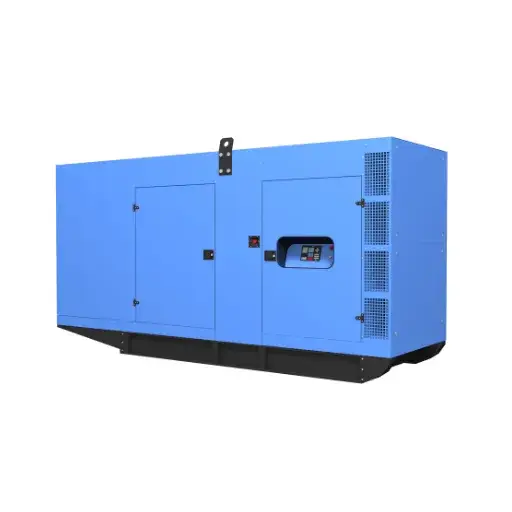
What is Generator Rental?
The term generator rental involves using a power generating set which has been made portable or built into a structure, for short periods of time in order to provide electricity for specific purposes. Such services are commonly used in the context of festivals, construction worksites, backup power supply in case of emergencies, and any other applications where a steady supply of electricity is needed on demand. The companies that deal with such services rent out g generators of different variants and capacities so as to fulfill the customer’s specifications, after all the use of electricity is different in different situations necessitating a flexible and up beat approach.
Another most glaring perceived benefit of hiring a generator is its adaptability. Take event generator rental, for example – the units can be picked depending on the size and duration of the event along with its electrical needs, and this avoids the spending of money on storage or maintenance of tools that will barely be used. Today’s renting provision is supplied with a range of other amenities such as fueling, installation, and field expedients to guarantee the availability of power supply when most needed.
Another advantage of choosing a generator rental is its safety and efficiency. Well-known companies do not compromise their services and maintain equipped units available at all times. This improves the quality of rental systems because they integrate the latest generator technologies available, for interim power solutions that are affordable and eco-friendly. This includes more efficient, low-fuel consuming generators and generators that dampen noise all incorporated in the package. These generators are perfect for any occasion that requires the renting of generators, therefore, event generator rental services could offer more extensive features.
Benefits of Renting Power Equipment
- Investment Efficiency: In Event generators rental, there is no requirement to purchase and hence no requirement to spend a lot of money upfront. It also gets rid of any ongoing costs namely, maintenance, repair and storage. A Market research conducted in 2022 boasts of businessmen being able to cut costs by around 30-50% when renting instead of buying equipment especially when the demand lasts a short time or rarely arises.
- Modern Effective Technology: Innovations and the most updated models of power equipment come easy with rental services. Users are in turn supported by elements such as a new level of fuel utilization, lowering noise and pollution performance, among others, which are essential in today’s green operations.
- Versatility and Accessibility: It is often incumbent upon businesses to look for operation flexibility with respect to the tasks undertaken, and one way to do that is by renting. In most cases, equipment is available for rent for minimal periods that begin from a few hours’ periods to a few months. Moreover, maximum power capacity and items’ selection vary, as providers keep services varying.
- Lesser Burden of Operational Upkeep: Let me give you an example, in the event generator rental companies the maintenance and checks are the responsibility of the rental company. The benefit of this includes saving on fuel since it is possible to have equipment that is already serviced and repaired for optimal performance.
- Compliance with Laws and Safety: The equipment other than generators used by rental companies meets local, regional as well as international regulations and has safety units approved by them. It increases convenience for the customers for they do not have to check if the equipment is compliant and increases safety in dangerous operations success of the other.
Types of Events That Require Generator Rental
In particular, the cost of electric generators and the duration of electricity outage does not permit many events to be powered throughout the entire event generator rental given its irrelevance. The following categories of events are the ones that require the provision of generators on a frequent basis:
- Music Events and Festivals: There is usually a need for a lot of power in a very large area with overflow concerts whereby the customers need lights and sound of the highest quality and weather permitting refreshments. An effective generator is a very reliable power source alternative in the location where pressure is high and grid power is not able to sustain the needs.
- Ceremonies in the remote villages and gatherings: This is however less complex than other private events such as parties and weddings that require the use of generators. Notably, such events involve decoration lighting, and setting up audiovisual and catering equipment, as well as other structures required for the event.
- Business Occasions and Business Functions: Corporate activities, for example, expositions, trade shows, and product demonstrations, demand generators for powering professional lighting, stands, screens, and technology areas. This is especially important in case of large venues or places without dependable power supply on site.
- Emergencies and Disasters: Generators are indispensable contributors during emergencies such as disaster relief or public emergencies to support critical functions such as medical care, communication and lighting. Such events are usually associated with heavy duty generators that provide uninterrupted services.
- Events and Competitions:Portable or outdoor events always need to rent generators to support score boards, PA systems, camera feeds, and lights for the venue and above all ensuring that such high attendance events go without any power outages.
It is evident from all these examples that renting generators is a very important mechanism of planning successful events and in cases where there is a power outage, most applications will still work. Thus prior preparation and identifying the right energy levels are factors that minimize and optimize activities and ensure a seamless event generator rental experience or even after the event other situations where power might be needed.
Choosing the Right Equipment
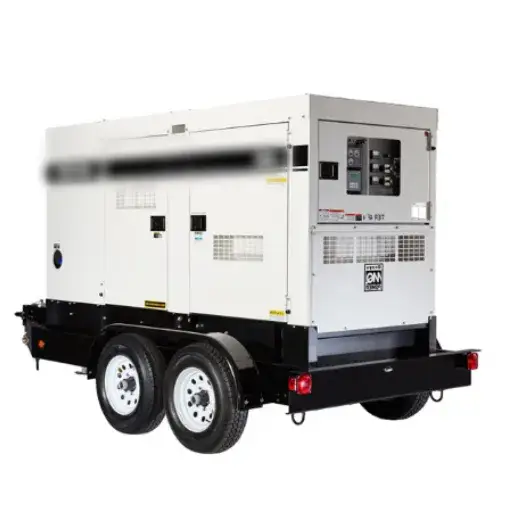
Factors to Consider When Renting Generators
When determining generator rental for a number of events or purposes, a number of considerations must be held in order to avoid excessive or inadequate selection and guarantee efficient and effective use of generators. First and foremost is the power requirement which is usually expressed in kilowatts (kW) or megawatts (MW). Calculate the overall electric needs of all the equipment and structures being supported by the generator; this may include lights, music systems, heating or cooling systems, and any other appliances. Seeking to fully load the generator more than it can carry causes damage, whereas engaging it at almost empty levels causes wastage in fuel, yet eventually harm the equipment due to a condition known as ‘wet stacking’. To get the best estimates, do power needs evaluation may be necessary with the help of literature resources or professionals who understand the situation better.
A crucial element to be taken into account is also the consideration of fuel type vis-a-vis the aforementioned costs and environmental concerns. Generators utilize any of these fuels: diesel, gasoline, natural gas, or propane. Diesel generators prove to be energy efficient and reliable under heavy work loads; however, in some cases engines running on natural gas or propane make sense as borders are skewed in favor of clean burning engines. Whether or not the needed fuel is available within the vicinity should also be part of the considerations as well as how refueling themselves will be carried out. Similarly, any existing body of law regarding emissions may necessitate the use of certain generator designs to comport with the law as specified under EPA Tier provisions.
Finally, consider some operational factors regarding the installation, operation, and maintenance. For instance, the size and weight of the generator will influence transportation and positioning specifications, especially in large-scale or remote operations. Furthermore, additional apparatuses including but not limited to transfer switches, extension cables and load banks, may be required for optimized functionality and safety. The noise levels should also be evaluated, more especially in events or places where noise pollution is a significant concern. The rental agreement must also specify provisions such as technical support on site, the frequency of maintenance, and also contingency measures to be implemented in case of any sitrep. Assessing in detail all these aspects will allow renting a generator in a way that will be efficient and reliable for the operational requirements.
Choosing the Right Generator Size: kW vs. kVA
When choosing the right size of a generator, one should know the difference between kilowatts (kW) and kilovolt-amperes (kVA). kW is the measure of power that is produced by a particular generator and this is the amount that can be utilized to supply equipment. It includes the concept of generator efficiency and its capability to provide real power. While kVA is the measure of apparent power, which is the power that is generated and supplied by the generator, both usable and reactive power. Such a component is associated with knowledge that for example, motors and transformers that draw current necessarily lag and translate into power that is not real.
I get the power rating weakly from knowing the power necessary to run each piece of equipment. Working this out embraces consideration of how factors such as the total watts used and the power factor—an angular measure of electrical powers ability to conduct energy and produce actual watts—affect the dimensioning of the particular pieces of equipment. A generator whose rated power factor is 0.8 other than drawing less electrical energy (kVa) produces less energy (KW) than the one operating in these norms. It is crucial to ensure that adequate power is provided, as underestimating power will lead to overload and or breakdown. I also include the surges during start-up for inductive loads like compressor operations or compressor plants which are commonly used in sections and require more power upon start up than Fact finding has been a integral part.
In order to make a sound judgement, I take into consideration the operational scope as well as the future capacity requirements and efficiency measures. It is of utmost importance that I review the specifications provided by the generator’s manufacturer and also conduct an appropriate load evaluation. Instead of simply matching the kW to all the attached devices, the rating of the kVA makes it possible for me to do this without conceding on the efficiency required, thus allowing me to select a generator that does not only fit for purpose but more importantly allows for the growth of the scope. This careful choice reduces vulnerabilities, optimizes, and provides a fit power solution optimized for my functional needs.
Budgeting for Generator Rental
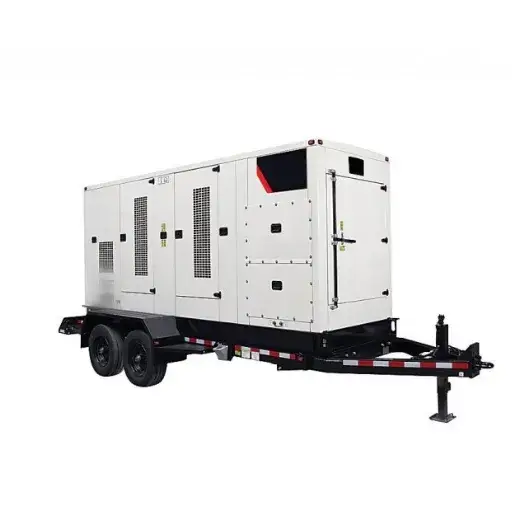
Key Costs in Generator Rental
It will be next to impossible to predict how much a generator will cost if you do not know the various costs associated with the overall event generator rental and are not prepared for any costs that may arise later. This is most likely due to the fact that the rental price is the center and most important figure since it is the foundation of the budget. It is possible for these costs to change considerably depending on the strength of the generator (how many kVA or kW it is) and if the genset has additional features such as sound attenuation or control panels. For example, renting a powerful generator meant to supply heavy duty systems will cost more than the rental of a small power cheap genset.
Another imperative cost factor worth mentioning is the use of fuel. In rental generators, while operational hours may be lower or higher, the minimum cost shall involve fuel since generators consume either diesel, natural gas or propane. The first concern that affects the generator outlay is the fuel efficiency of the equipment; this may differ between models but typically the more recent generation, the more advanced the constituent technologies and the lower the fuel consumption. Still, one major aspect, fuel price fluctuations, should be brought forth when looking at the possible amounts to be paid since such variations may satisfy some respected operational infrastructure costs targets and may frustrate others.
It is also important to note that every generator rental company will have a defined delivery rate schedule. Firms often have set prices for deconstructing as well as transporting equipment back to decompression tanks. There are some expenses that increase the cost of renting a generating set, such as inclusive insurance and/or emergency repairs which may be offered as an option. In order to make traffic and revenue forecasts effective, it becomes essential to break down each component of the company’s costs by provider and get a detailed estimate for the service that will be used including all possible fees in advance.
Hidden Costs: Fuel and Delivery Fees
It is crucial to understand that fuel expenditure is the largest, yet invisible typical cost in the event generator rental section. As a rule, rental generators rely on diesel or gasoline, while fuel utilization will depend on the size of the engine, power load, and the period of use. With a generator working at 75% of power, one can expect it to use 0.4 to 0.6 gallons of fuel every hour in compact designs, whereas in industrial heavy duty units much more. Where the fuel prices are relevant, the variation might be substantial. Some companies may offer reload services, but they are usually charged or the fuel prices are higher than the minimum market prices. Knowledge about how efficient the generator is on fuel and I would recommend allowing for the estimated fuel consumption cost in the budget, in order to avoid economic shock.
Delivery expense for event generator rental are also of consequence on valuation of the heavy equipment. Expenses related to transportation are mostly modeled considering the mileages between the supplier and services site and the vehicle appropriate for work. Within a city dispatching methods usually employ flat fees while transit rates for intercity coverage are based on distance covered. Additionally, there is a provision for equipment requiring exceptional transport such as crane, low-level trailers which further add to the transportation cost. Other companies set up and install the equipment upon delivery which must also be taken into consideration while quoting. If this appears unfit of unnecessary, the proposal can have gaps where it was adequately budgeted.
The surreptitious costs related to generators are more likely to be a result of not anticipating high fule usage and transportation expenses. For prudent reasons, it will be better if you ask how fuel services will be carried out, for instance, will it be externally provided, or it needs to be returned with a full tank or the extra cost incurred will be on it not being returned with fuel. Also, bearing in mind transport costs, these costs need to be enquired from the rental service providers before such services are rendered. Such hidden costs and more should be included in the equipment rental agreement to reduce the breakdown occasioned by such expenses. One can take a table of contents for the cost of the event generator rental and so on into consideration and to the avoidable charges depending on the estimation and preparation made above in the first paragraph.
Enhancing Event Power Distribution
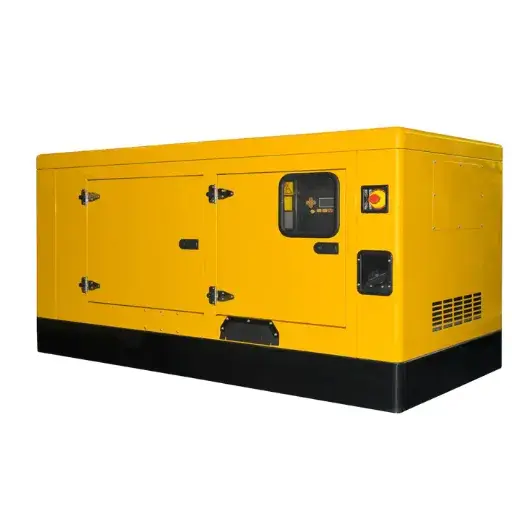
Portable vs. Diesel Generators: Pros and Cons
Portable generators are lightweight and versatile but less durable, while diesel generators are fuel-efficient and durable but costlier and heavier.
|
Key Point |
Portable |
Diesel |
|---|---|---|
|
Weight |
Lightweight |
Heavy |
|
Versatility |
High |
Low |
|
Durability |
Low |
High |
|
Fuel Cost |
Higher |
Lower |
|
Maintenance |
Frequent |
Less |
|
Initial Cost |
Lower |
Higher |
|
Safety |
Moderate |
High |
Lighting Considerations for Events
Correct lighting arrangement makes the event inviting and influences functional visibility and most importantly, how other guests will feel about the event. The very first thing to do in order to plan the event lighting is to determine the venue type. It dictates the amount and placement of light and the equipment to be used. Indoor places might then require an optimum amount of ambient illumination, spotlights and/or washed lights–ensuring the audience does not cast long shadows. On the other hand, most outdoor events need waterproof or durable, if not, weather resistant lights and more watts of power because of the outdoors and very often during evening matters, these issues may arise.
The kind of light tone matters too in addition to that. Well, warm lights – oh yes, about 2,000 to 3,000 degrees Kelvin in temperature – are actually the best for warming the place where homey nostalgia is needed, let’s say, while having guests over for a cocktail. In contrast, the subtle cool lighting, which starts at 4,000K and ends at 6,000K or more preferred for such things as conferences, trade fairs, or any other corporate-based events, helps one to concentrate better. Innovations with LEDs have changed the game allowing for lower costs due to since the use of different color temperatures while operating which is helpful to the event generator rental.
Another influencing factor in lighting design is the energy consumption of the system including backup measures. Events with great requirements on lighting should always accompany their lighting set ups with appropriate power sources such as easily portable diesel-based or hybrid event lighting generators to avoid electricity failure. Effective lighting considerations will equally include focusing the position of the lights so that power is very low consumed but coverage is great. Dimmer, motion-activated system, programmable control system, and other control devices can operate the lighting energy even more efficiently with the changing nature of the event like a change of mood, presentation, or performance. By assessing these issues, effective functional lighting which is also aesthetically pleasing can be developed for the intended purpose and audiences in the event.
Accessories for Optimal Power Management
While creating efficient event structures largely depends on the arrangement of the available power, event organizers are called upon to employ smart solutions in a view to maximizing energy usage while minimizing overages. And the most important one is the availability of smart Power Distribution Units (PDUs). Such devices provide individual outlet management and monitoring, with instant check-ups for relevant voltage or current, or consumption. With the aid of protective measures against overload and offer or remote control capabilities, the intelligent PDUs guarantee a balanced and flexible power reinforcement system in any event that merits it without any interruptions or compromising safety concerns.
Useful hardware accessories are battery storage systems coupled with uninterruptible power units. To express it simply, BESS are systems that can collect solar energy and deposit it in the form of chemical energy in batteries for later use when the load demands, for example, during an event. However, when it is combined with load balancing devices like UPS units, they directly come in handy when power outage strikes as it ensures full consideration for power delivery and prevents damage to specific types of equipment used in events such as control rooms that contain audio-visual equipment or lighting units.
Besides, one of the leading trends worth mentioning – implementation of the progressive cable management solutions also strongly influences power supply improvement. Training to route cables efficiently and using high capacity extenstion cables, cable protecters and plugs will reduce the losses in the event and increase the safety levels. They assist in the effectiveness of power distribution indoors which is not only trip and detachment safe, but it smoothens the occurring limits within the set up. Such interventions are mostly used to better control the power consumption during the execution of an event as they form part of the event generator rental.
Expert Tips for a Seamless Generator Rental Experience
Planning for Remote Locations
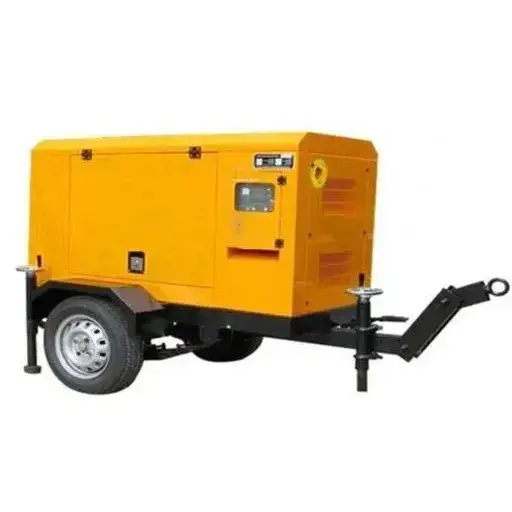
Preparing ahead for generator utilization in unavailability of electricity should make one think about how the logistic efforts will be met otherwise power will not be made available when needed. First of all, do an utmost assessment of the energy requirements of the location, considering for example maximum and mean loads, which should is the key factor for the choice of power plant capacity and generator type. While transporting and installing the equipment, regard about topographic conditions which may present obstacles while carrying as well as installing and this also means checking if there will be any difficulty travelling to that particular place.
The availability and affordability of fuel is also an issue in instances where it may not be easy to refill when using generators in remote locations. In this case, it is recommended to use generators that have low fuel consumption or to sometimes use alternative power sources especially solar, to limit the amount of fossil fuels used in the case of events where there is no power. Fuel storage containers should be in the logistics plan as the preventive measure against loss of power due to lack of fuel. This should be inclusive of secure storage containers of fuel and the schedules of fuel distribution.
Advanced monitoring systems are crucial in remote locations to avoid performance issues any time soon. For instance, telemetry systems in remote generator applications help in monitoring the status of fuel, usagea and any alerts without frequent travels to the site. Also, it is always good to have a plan B which is installing backup generators and ensuring that there are ample spare parts and components to keep the business functional in case something goes wrong.
Lastly when it comes to health and safety compliance, any residual emissions and noise pollution which may jeopardise the community have to be considered even at local levels. This means choosing such a generator that has the latest technology in emission control and acoustic housing so as to provide compliance and yet achieve the lowest impact on the environment. A power solution in a remote area can only be successful if detail guidance, augmented technology, as well as the rules and regulations are followed.
Eco-Friendly and Silent Generator Options
Green, quiet generators prove to be an invaluable solution especially in cases where it is complex to keep both the environment and noise levels under control. They typically include inverter technology, allowing for greater power generation efficiency and operation close to full load – higher speeds are avoided due to the increased consumption of fuel hence lower emissions. Furthermore, many of today’s power generation units use biogas, biocoke, or CNG gas instead of the conventional diesel. This is important, as it allows the systems to meet such standards, as for example the Tier 4 of the EPA or Stage V of the EU, event generator rental in any region and its policies.
The sound it makes is consistent with the working of the engine and has always been a concern especially in homes, hospitals, and cities. In black outs, quiet generators often appear as a mode auxiliary power back up, and the need for sound suppression of these machines has prompted their development. The use of fully enclosed units with sound deadening materials, anti-vibration plates and noise reduction facilities in the exhaust are designed, such that the noise generated from these generators is as low as 50-60 decibels. This has allowed and designed their use into more of the sensitive places and situations such as near busy construction areas or in health facilities where noise is not and cannot be accepted. These kits ensure that the generators remain effective and reliable in operations even in the ideal case of reduced noise.
Without any editing, word count and html tags would be the same. Here are the answers: Gen set noise levels have been a permanent problem, more so in residential, medical and city environments. Silent gen set concepts resolve this problem by sound proofed enclosures, vibration damping fuel tanks, and exhaust silencers that can achieve operational noise levels as low as 30–35 decibels. This makes them useful in conditions where minimum sound levels have to be maintained for example in construction sites within settlement areas or in buildings including hospitals and schools where backup power sources are available. Besides these generators are designed in such a way that they can operate equally effectively even at reduced operation noise levels, which means that there is no compromise on the design or functionality of the systems.
Frequently Asked Questions (FAQ)
Q: What Do You Mean By Event Generator Rental and Who Should Go For It?
A: This term is used during those times where sources of electricity generator is provided by hiring and supplying special event, parties and festival and emergency power situations. As a general rule, if you see in power limits of a construction area then one should prefer “event generator rental” in case a venue does not have sufficient power facility, whether it is a stage or booths or houses where audio equipment, lighting connection and vendors’ requirements will need to be met without interruptions.
Q: How to calculate power for a generator rental for an event?
A: The first step will be preparing a list of all the equipment that will be running such as lights, PA systems, kitchen equipment, heating or cooling units, charging outlets and noting down everything’s wattage. Take care of the peak current that occurs at the time of starting, known as starting surge or surge current. While calculating the wattage, lf it would exceed the capability of all the strands combined, I would ask the well beakedened staffer for assistance in calculating if the total wattage required by all the appliances exceeds that which can be delivered by all of strands.
Q: Are there power generators party rental?
A: Renting a power source for events means that there are many options including, but not limited to, a silent mobile generator to be used by brides and grooms in their outdoor wedding venue, or a larger diesel powered one that would serve well within a concert setting, or a smaller portable inverter useful in picnics and lesser crowds. Rent why focus on the event at hand and its power needs throughout, meaning that depending on the size of the event, the equipment to be used consists of power generating sets.
Q: Is it possible for the hire firm to transport and set up the generator equipment at my venue?
A: Most of the event generator rental companies in agreement are involve in the transportation, installation, and tests the performance of the generators so as to provide power, and they will do so safely, so you can all rest easy. Highly trained delivery staff can also position these units in the most efficient areas to be used, make connections quickly, and offer on-site assistance to prevent event power failure.
Q: What do I do to determine the best size wattage that I should rent for the event generator rental?
A: Choose the power rating based on the minimum and maximum load required by all the appliances that will be used. Example: An audio system or lights might need a high starting wattage. Professionals who offer rental services know which generator to avise and they also know how to select equipment that is efficient in use and at the same time the equipment that subjects the larger loads to such a high voltage they are able to operate normally and at high enough levels for certain durations.
Q: Is there any emergency power service available at special events in case of a sudden power cut?
A: Yes, there are emergency power services offered by event generator rental companies such as standby power units and fast to deploy mobile power units. All these are always in readiness to offer any help within a very short time to enable your power needs and keep your event operational in case of any cutoff or fluctuations in the supply grid.
Q: What is the expected level of noise and safety for generator rentals in terms of the attendee’s situation?
A: Today’s newest make of generators that are used mobile are usually made to sell in party rentals are, however not all may be called quiet given the difference in the sizes and fuel used. Rent anything and especially a party requires that people provide secure locus with possible noise control and enough ventilation and if too much power has to be supplied, may be even significant barriers if there are guests
Q: How long before the event should I book the equipment and what is the price for event generator rental?
A: Start reserving the equipment after the power needs of the event are established–which could be anywhere from a few weeks to a couple of months for major events–to guarantee the equipment is booked. Generator rental costs are determined by size, term of rental, whether there is delivery and set up, and whether there is refueling or operating costs. Get quotations from rental companies and competitive hire packages that guarantee safe and cost-effective power for your specific event.