
The use of diesel backup generators is critical for energy security, providing electricity without grid services during emergencies. Essential to industries such as business, healthcare facilities, data centers, and core infrastructure, these generators must function effectively whenever needed. Proper fuel storage is vital to prevent fuel deterioration, contamination, and generator failure at critical moments. This comprehensive guide examines the impact of different diesel storage methods on fuel quality and outlines best practices for protecting backup systems from performance issues.
Understanding Diesel Generators
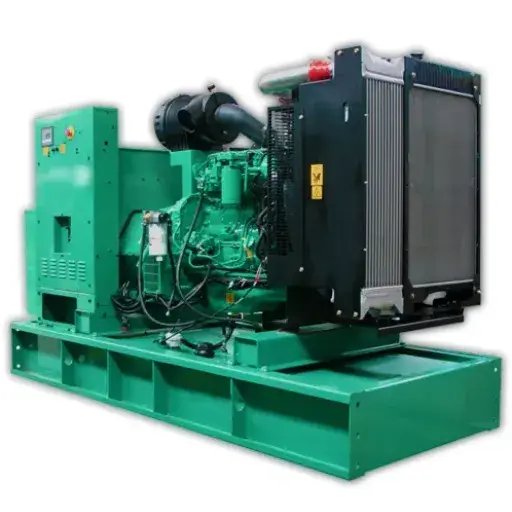
What is a Diesel Generator?
A diesel generator converts mechanical energy from a diesel engine into electrical energy through an integrated alternator system. This reliable technology serves as a critical backup power source when grid electricity becomes unavailable, providing essential electrical energy for homes, businesses, hospitals, and manufacturing facilities.
Core Components
- Diesel Engine: Converts diesel fuel into mechanical energy through combustion
- Alternator: Transforms mechanical energy into electrical energy through electromagnetic induction
- Control System: Manages startup, operation, and shutdown sequences
- Fuel System: Stores and delivers diesel fuel to the engine efficiently
Diesel generators are widely recognized as cost-effective power solutions due to diesel fuel’s high energy density, enabling longer runtime on less fuel. Built for durability and designed for harsh environments, these generators require relatively minimal maintenance compared to other generator types, making them indispensable in power management systems worldwide.
Types of Diesel Generators
Diesel generators are classified by structure, function, and operational parameters. Understanding these categories helps in selecting the appropriate equipment for specific power requirements.
Portable Diesel Generators
Application: Construction sites, outdoor events, temporary power needs
Key Features: Lightweight, mobile, compact design
Best For: Short-duration power requirements and emergency situations
Standby Diesel Generators
Application: Homes, hospitals, data centers, critical facilities
Key Features: Fixed installation, automatic transfer switch, continuous operation capability
Best For: Facilities where power interruptions are unacceptable
Industrial Diesel Generators
Application: Manufacturing, mining, agriculture, large-scale operations
Key Features: High capacity, heavy-duty construction, extended runtime
Best For: Continuous high-power demands in industrial settings
Applications of Diesel Generators
Diesel generators provide reliable power solutions across numerous industry sectors due to their independence from mains power supply, efficiency, and robust operation under extreme conditions.
| Industry Sector | Primary Application | Critical Function |
|---|---|---|
| Healthcare | Emergency backup power for medical equipment and life support systems | Ensures patient safety during power outages |
| Construction | Primary power source for equipment, tools, and lighting in remote locations | Enables continuous work progression |
| Manufacturing | Standby and prime power for industrial processes requiring hundreds of kilowatts to megawatts | Prevents production downtime and financial losses |
| Mining | Power for excavation machinery, processing equipment, and site infrastructure in remote areas | Supports operations beyond electrical grid coverage |
| Telecommunications | Backup power for cell towers and data centers to prevent service interruptions | Maintains communication network continuity (80% of remote towers use gensets) |
Importance of Fuel Storage

Why Proper Fuel Storage Matters
Proper fuel storage is essential to prevent degradation of diesel generators and associated operations. Poor storage practices lead to fuel quality deterioration over time due to contaminants, oxidation, and water incorporation, resulting in poor generator performance, costly maintenance, and potential system breakdown.
Key Storage Challenges
- Limited Shelf Life: Diesel fuel degrades rapidly without proper stabilization measures
- Water Contamination: Condensation and leakage introduce water, supporting microbial growth including “diesel bug”
- Microbial Growth: Organisms produce sludge and acids that corrode tanks and damage generators
- Sediment Formation: Aged fuel creates deposits that block filters and dirty engines
- Performance Impact: Degraded fuel increases pollution and can exceed permissible emission limits
Addressing these concerns requires strengthened storage requirements including regular tank inspections, quality sampling, and use of stabilizers or biocides for fuel preservation. Modern advancements such as double-walled tanks and automated fuel monitoring have reduced storage risks while providing real-time fuel status information.
Impact on Generator Performance
Stored fuel acquires contaminants, oxidizes, and absorbs water over time, leading to blocked filters, destroyed injectors, and inefficient combustion that shortens generator lifecycle.
Contaminated fuel causes frequent starting issues and reduced runtime under load. Fuel stored beyond 12 months shows significantly reduced starting reliability without stabilization.
Foreign materials and fuel instability cause partial combustion and rapid carbon buildup, reducing horsepower, increasing fuel consumption, and raising operational costs.
Wet environments and microbial activity damage fuel lines, injectors, and tanks, increasing maintenance procedures and system breakdown likelihood.
Substandard or contaminated fuel increases pollutant emissions including CO and unburned hydrocarbons, potentially causing violations in regions with strict air quality standards.
Safety Considerations
Diesel generators provide reliable electricity generation, but several critical safety considerations must be addressed to ensure safe operation and prevent accidents.
1
Carbon Monoxide Prevention
Operate generators only in well-ventilated, open spaces away from windows, doors, and structural openings. Carbon monoxide is a highly toxic, odorless gas that can accumulate to dangerous levels in confined spaces.
2
Fire Hazard Management
Store fuel in appropriate containers in well-ventilated areas away from potential sparks. Always shut off the generator completely before refueling to prevent fuel vapor ignition. Maintain fire extinguishing equipment and regularly inspect fuel lines, tanks, and containers for leakage or corrosion.
3
Electrical Safety Protocols
Ensure proper grounding according to manufacturer specifications. Use outdoor-rated extension cords without cuts or tears that match generator wattage. Install a transfer switch to prevent backfeed into utility circuits, protecting both utility workers and equipment.
Best Practices for Fuel Storage
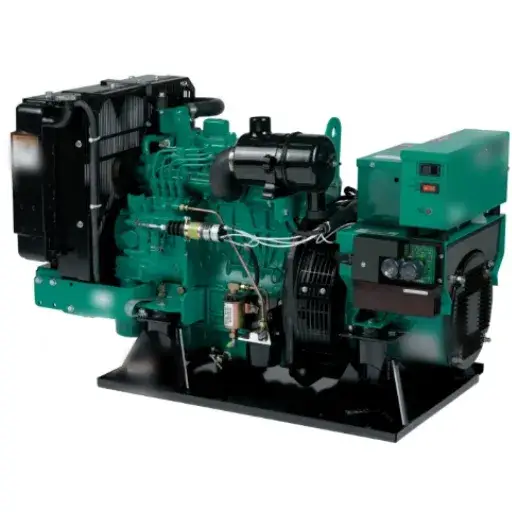
Choosing the Right Fuel Tank
Selecting an appropriate fuel tank requires careful evaluation of capacity, materials, safety features, and regulatory compliance to ensure effective and safe fuel storage.
Essential Tank Selection Criteria
| Criterion | Requirements | Purpose |
|---|---|---|
| Material | Steel or high-density polyethylene (HDPE) | Durability, corrosion resistance, longevity |
| Capacity | Based on fuel consumption rate and runtime requirements | Minimize refueling interruptions, ensure adequate supply |
| Compliance | EPA, OSHA, local regulations | Legal requirement, safety assurance |
| Safety Features | Overfill protection, pressure relief valves, secure venting | Prevent leakage and hazardous situations |
| Location | Indoor: ventilation & containment; Outdoor: weather resistance & anchoring | Environmental adaptation, spill prevention |
Fuel Quality and Filtering
Maintaining optimal fuel quality is critical for generator efficiency, operational lifespan, and prevention of costly repairs. Fuel deterioration occurs through water dilution, microbial expansion, and sedimentation, making quality management essential.
Comprehensive Quality Management
Regular Testing & Monitoring
- Periodic fuel sampling to detect degradation from oxidation, particle formation, water contamination, or bacterial growth
- Testing for moisture content, particulate matter, and fuel stability using specialized kits
- Scheduled tank cleaning and maintenance between checkups
Advanced Filtration Systems
- Multi-stage filtration: sediment filters, water-separating membrane filters, micro-filters
- Combiner and water-retaining filters for enhanced effectiveness
- Protection during loading, storage, and usage phases
- Compliance with industry and manufacturer specifications
Automation & Real-Time Monitoring
- Sensor technologies for continuous fuel quality monitoring
- Early warning systems for contamination episodes or filter blockages
- Preventive measures to minimize emergency shutdowns
- Integration with maintenance scheduling systems
Maintaining Optimal Fuel Levels
Effective fuel management prevents over-consumption, minimizes downtime, and ensures generator readiness. Modern technologies and systematic approaches optimize fuel level maintenance.
Monitoring Technologies
- Automated tank gauging systems
- Ultrasonic sensors for precise measurement
- IoT devices for real-time tracking
- Reserve management and automated ordering
Tank Maintenance
- Regular cleaning regimes to prevent condensation
- Desiccant breathers to control moisture
- Fuel additives for stabilization and antimicrobial protection
- Scheduled inspections to detect water contamination
Management Software
- Data collection from sensors and indicators
- Alerts for low levels, leaks, or abnormal consumption
- Predictive demand analysis based on historical data
- Enhanced purchasing decisions and cost reduction
Backup Power Solutions
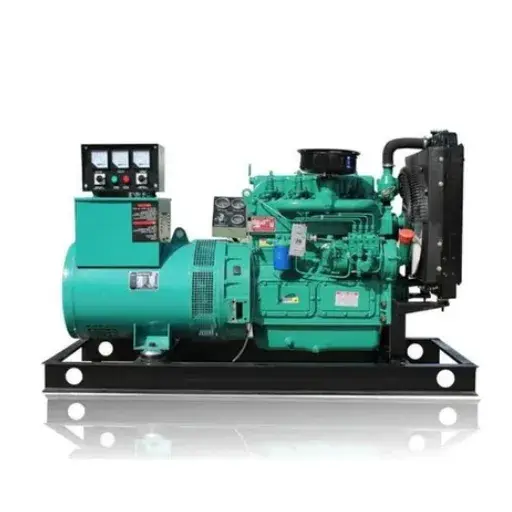
Integrating with Home Generators
Successful integration of backup power systems with home generators requires comprehensive planning and precise execution, particularly for automatic power restoration during outages.
Automatic Transfer Switch (ATS) Integration
Modern home generators with ATS automatically detect power loss, initiate generator startup, and isolate the house from mains to prevent backfeeding—essential for user safety and equipment protection.
Power Capacity Planning
Select generators based on kilowatt (kW) ratings to match household energy demands. Accurate load calculations prevent overloading, especially when powering HVAC systems and heating elements.
Smart Monitoring Solutions
Implementation of smart monitoring enables real-time management of generator operation, fuel consumption tracking, and maintenance scheduling for cost-effective operation.
Connecting to the Grid
Grid integration requires meticulous planning and adherence to technical standards to ensure safe, efficient, and compliant operation.
Critical Grid Connection Components
- Automatic Transfer Switch (ATS): Enables seamless switching between grid and generator power while preventing dangerous backfeeding into utility lines
- Load Management: Balances electrical demands to maintain system stability and prevent overload conditions
- Demand Response Functionality: Advanced systems interact with the grid to reduce peak demand through load modulation
- Regulatory Compliance: Adherence to standards such as IEEE 1547 for interconnection of distributed resources, including required permits and inspections
- Professional Installation: Certified professionals ensure proper configuration, legal compliance, and safe operation
Ensuring Reliable Backup Power
Reliable backup power systems require attention to hardware components, system design, and compliance with applicable standards. Modern systems must be properly sized for critical loads and meet safety certifications such as UL 9540 for energy storage.
Reliability Enhancement Strategies
| Component | Requirement | Benefit |
|---|---|---|
| Critical Load Assessment | Accurate calculation of essential power needs | Proper system sizing and capacity planning |
| Transfer Switch Positioning | Strategic placement for optimal operation | Seamless power transition, safety assurance |
| Battery Technology | Lithium iron phosphate (LiFePO4) for longevity | Safe, long-lasting energy storage |
| Cloud Monitoring | Real-time system status and diagnostics | Preventive maintenance, early problem detection |
Economic Impact: Government statistics indicate prolonged power interruptions cost over USD 100 billion annually in the United States, demonstrating the critical importance of robust backup power systems for business continuity and operational resilience.
Maintenance and Monitoring
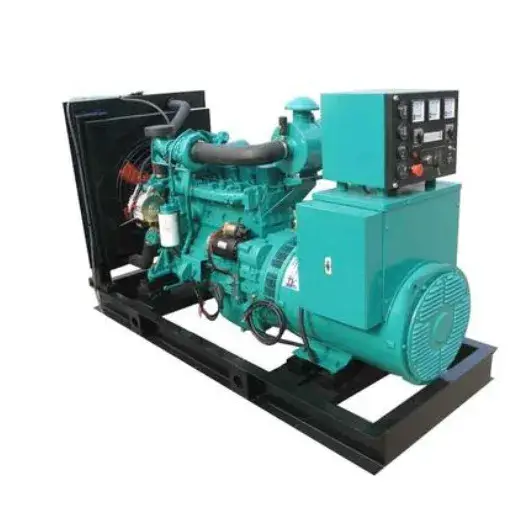
Regular Fuel Checks
Periodic fuel checking is essential for preventing performance degradation and ensuring generator reliability. Fuel quality deteriorates over time through water contamination, sediment accumulation, and microbial growth, potentially causing operational failures during critical moments.
Recommended Fuel Check Protocol
Inspection Frequency
Conduct fuel tank inspections every six months or more frequently for critical applications to identify and rectify contamination or degradation.
Visual Inspections & Sampling
- Visual examination for discoloration, sediment, or phase separation
- Fuel sampling using specialized testing kits
- Testing for moisture content, particulate matter, and fuel stability
Storage Environment Control
Monitor and maintain appropriate temperature and humidity levels to prolong fuel lifespan and prevent degradation.
Fuel Polishing Systems
Recent advancements in fuel storage cleaning and polishing systems efficiently manage contamination risks, extending fuel usability and generator readiness.
Monitoring Fuel Conditions
Modern fuel condition monitoring employs advanced analytical techniques and intelligent sensor systems to ensure optimal fuel quality and prevent equipment failures.
- Real-time monitoring of density, viscosity, pour point
- Water content detection
- Contamination identification
- Automated quality mapping
- Trend analysis and pattern recognition
- Threshold violation detection
- Predictive maintenance alerts
- Automated action recommendations
- Real-time data across multiple locations
- Instant problem notifications
- Historical data for audits and certifications
- Environmental compliance tracking
Industry Impact: These real-time management solutions with powerful analytics are revolutionizing diesel generator operations, particularly in fuel-intensive sectors like logistics, aviation, and power generation, where equipment downtime due to fuel issues is unacceptable.
Manufacturer Recommendations
Leading manufacturers emphasize the importance of comprehensive fuel management systems that ensure equipment fitness, regulatory compliance, and optimal performance.
Key Manufacturer Guidelines
1. Automated Reporting Systems
Install systems with automatic reporting capabilities to ensure compliance with local and international environmental regulations while streamlining documentation processes.
2. IoT Device Integration
Leverage IoT sensors and devices for precise performance monitoring and real-time fuel quality assessment across distributed generator installations.
3. AI-Driven Analytics Platforms
Invest in platforms capable of flagging shortcomings, identifying service intervals, and reducing fuel consumption through predictive algorithms that provide both short-term solutions and long-term cost savings.
4. Regular Calibration & Maintenance
Conduct necessary checks, software upgrades, and sensor validation at required intervals to prevent inaccuracies and performance fluctuations.
5. Professional Support Packages
Utilize customer service packages inclusive of on-site repair, fault diagnosis, training assistance, and ongoing operational support to maintain system functionality and compliance.
Frequently Asked Questions
What distinguishes diesel generators from gasoline or natural gas generators?
Diesel generators utilize diesel fuel, which is more cost-effective and less volatile than gasoline, propane, or natural gas. Diesel fuel’s higher energy density enables consistent power generation with superior efficiency and reliability, making diesel engines ideal for industrial settings requiring prolonged operation with minimal downtime.
Can diesel generators run continuously for residential and industrial applications?
Yes, many manufacturers provide diesel generators designed for sustained use, even during extended power outages. For residential use, they serve as emergency backup with automatic control panels. Larger portable diesel generators with robust cabling and high-density functional blocks support long-duration industrial operation without failure.
How do I determine the appropriate generator size for my needs?
Calculate the total wattage of all electrical appliances you plan to power, including both starting watts (peak demand for motors) and running watts (continuous power). Consider whether you’ll interconnect generators or backfeed to the line. Consult a qualified generator specialist to balance power requirements with appropriate panels, switches, and cable specifications.
How do diesel generators compare to gasoline generators in reliability and fuel efficiency?
Diesel generators excel in reliability and operational economy, especially under high loads or continuous use. They offer superior thermal efficiency compared to gasoline engines with lower fuel consumption per kilowatt-hour. Recent technological developments, including exhaust gas treatment units, enable reduced emissions over extended periods while maintaining lower maintenance requirements.
What safety and environmental considerations apply to diesel generator operation?
Safety measures include proper ventilation, secure fuel and oil storage, cable/pipeline insulation, and weather-protective enclosures to reduce noise. Environmental considerations involve emission control through exhaust gas treatment systems available on modern diesel generators. Comply with local codes regarding installation distance from buildings, grid interconnection rules, and noise level regulations.
How do diesel generators integrate with home and commercial power networks?
Integration occurs through generator control panels and automatic transfer switches that detect mains power loss, start the generator, and switch loads to the appropriate power source. Grid connection requires specialized inverters and control systems for synchronization. Always implement certified panels and control units to prevent compatibility issues and protect electronics from voltage or frequency fluctuations.
What advantages do diesel generators offer homes and small businesses compared to portable gasoline units?
Diesel generators provide reliable, secure power with considerably longer operation between maintenance intervals compared to gasoline counterparts. Fixed installation within enclosures connected to electrical panels enables automatic operation during power outages, eliminating manual setup required by portable gasoline units.
What maintenance practices ensure longevity, low emissions, and reasonable operating costs?
Preventive maintenance includes timely oil and filter changes, fuel system inspection, coolant monitoring, battery charging, and periodic load exercises. Clean fuel and protective enclosures ensure mechanical and electrical integrity. Regular operation prevents dirt accumulation, reduces emissions, and leverages fuel consumption efficiency, ensuring the generator functions reliably when power is needed.
References
-
Duke University’s Nicholas Institute: Discusses the use of diesel generators in data centers and their environmental implications.
-
University of Michigan – Environment, Health & Safety: Provides guidelines on spill prevention and safe installation of diesel fuel generators.
-
Harvard ADS (Astrophysics Data System): Features research on enhancing diesel generator power and fuel consumption using thermoelectric generators.
-
MIT DSpace Repository: Covers maintenance practices for emergency diesel generators in Navy nuclear reactors.
-
Idaho National Laboratory (INL): Offers a comprehensive performance evaluation of emergency diesel generators from 1998 to 2022.