
When deciding how to power your home, business or expansion, it is paramount to objectively consider rental or purchase of a generator. Either of the available alternatives implies some expenses, advantages and concerns, which can affect your finances and staretwizanosim prospects a great deal. This report will assist you in choosing the correct option, by assessing generator rental vs purchase from a financial and practical standpoint. If you are planning for a crisis, a short-term project or considering a longer term solution, this evaluation will highlight the issues to consider in making the decision. Continue reading and see which aspect fits your orientation and usage more!
Advantages of Generator Rental
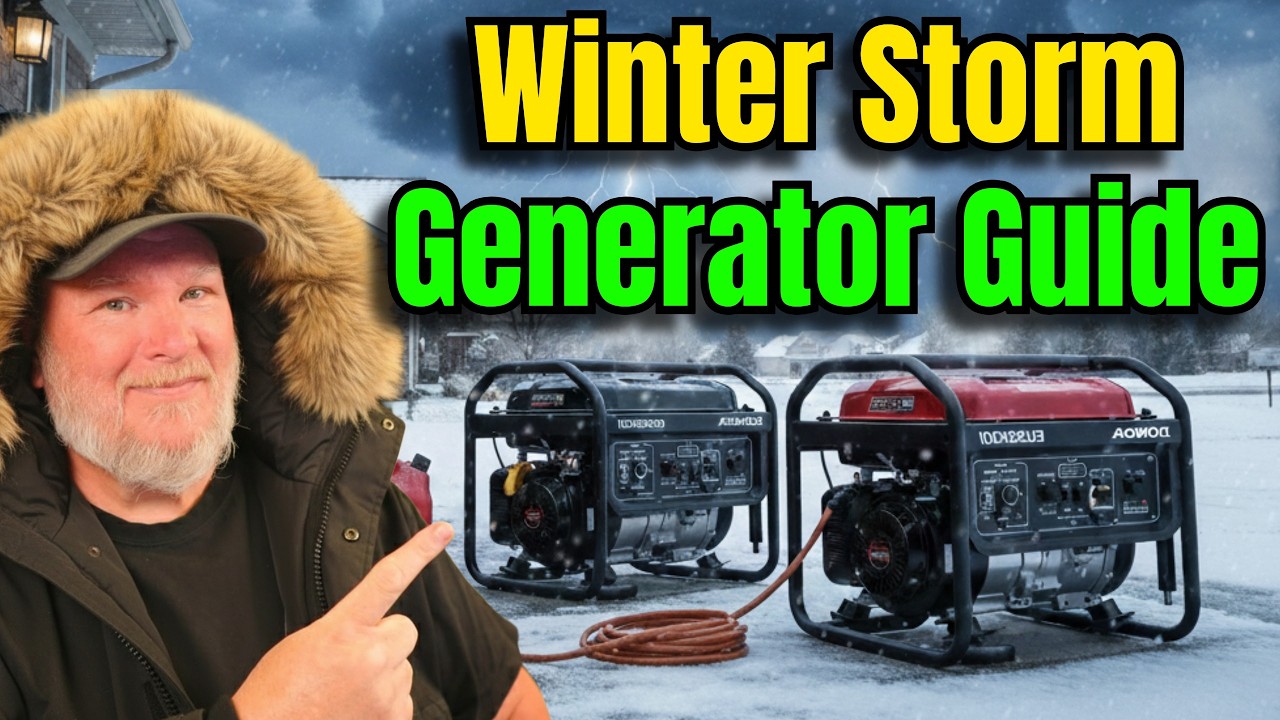
Cost-Effectiveness for Short-Term Needs
Many people sometimes think that energy is less useful than a substance in consumption. Whenever the energy is needed, one can opt to rent a generator as it is cheaper. Below are five main pointers in answer to the question of renting a generator for a short time:
- Elimination of High Initial Costs – This section deals with the highs and lows of buying a generator that one will not use continuously as opposed to paying for renting one whenever it’s needed.
- Absence of Maintenance Costs – There are no ongoing costs associated with the maintenance and care of the generator that the rentable party will incur as these costs are borne by the rental operator.
- Feasibility for Different Project Sizes– It is natural to want to get a generator of a size that fits into the needs of a project without having to buy several different units of each size.
- Elimination of Storage Expenses – Rentals eliminate the expense of maintaining or renting out or expanding the overall storage area – a necessity especially for larger generators.
- Being Up to date – Customers don’t have to buy and upgrade because rental options provide newer versions of generators.
Getting a generator on rental helps you to save money when it comes to short or seasonal usage.
Flexibility and Variety of Options
Most generator rental services are equipped with a great deal of pliability and an assortment of options from which the customer may pick the appropriate equipment for their needs. There is already a solution for practically any situation, regardless of whether it is a power plant, the need for an office generator, or rather for a backup needs. Below are descriptions of five options and features, which can be found in this equipment option.
- Capacity-Generators – Rental service offers a wide range of power generators starting with small portable ones which produce 2kW up to even over 2000kW catering for all kinds of shaped projects.
- Fuel Types – Fuel- Many types of fuel are available, such as diesel, gas, including the non-traditional hybrid or eco-friendly variants, to suit the modalities and circumstances that may arise from time to time.
- Special models – There is equipment designed for specific applications such as offices (incorporated diesel generators with soundproofing systems and the conventional standby duties), areas with minimal noise restrictions or farms (built-in generators mounted on flatbed trailers).
- Daily and Monthly Basis Rentals – Leasing terms can be limited to just several days or weeks, or they can be long-term, meaning the equipment can be used for months, even years assuring flexible commercial and technical approaches.
- Additional Equipment and Support – Oftentimes these companies can also provide additional equipment such as a load bank, distribution cables, and other support equipment for back up generators.
This diversity of choices allows customers to determine the best solution for their situation without having to incur the significant expenses associated with purchasing and in most cases keeping the equipment for a long time.
Maintenance and Repairs Covered
One of the aspects in favor of the generator rental vs purchase is that maintenance and repair services are included in the cost, so there are no interruptions and all the expenses are under control. In addition to this, these firms are usually in charge of the maintenance of an equipment and thus, the customers do not have to pay any extra for either to carry out any scheduled maintenance service, or an emergency one. Below however is broken down the five fundamental issues useful in explaining most rental companies provide such maintenance and repair options to their customers:
- Preventive Maintenance – This includes taking machines for inspections once in a while straight away after the due date, changing the oil in the engine & other necessary filters, and such other planned routine work on machines to avoid any failures. Take for instance the generator use; it will possibly be tested for one month so as to ascertain if it is working.
- 24/7 Emergency Repairs– this includes technicians and spare parts being available on call, on short notice for repair works to reduce downtime and the possibility of project delays.
- Spare Parts Replacement – There is availability of a full range of spare and replacement parts including alternators, gauges and control panels, exhaust systems and fuel systems, among others to ensure optimal performance.
- Diagnostic and Monitoring Services – Tools which are advanced in detection and remote monitoring technology are put to use in order to achieve faster detection and work enhancement initiatives. This typically involves the compilation of performance data for the customer.
- Expert Technical Support – Well-trained mechanics and engineers complete every service and repair work while following manufacturer and other required safety and functionality regulations.
Clients are therefore spared the additional responsibility of enhancing the operation of the plant to an optimum level.
Disadvantages of Generator Rental
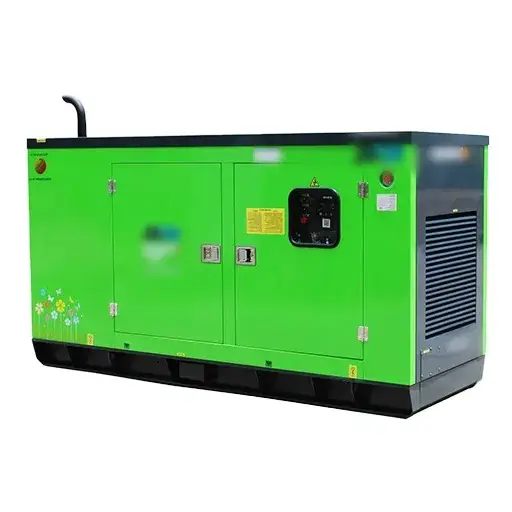
Long-Term Costs and Commitments
It is helpful to attribute the need to rent rather than to purchase in cases of generator, but it is also necessary to identify common areas of such arrangement – these include:
- Accumulation of Rental Fees: Many individuals are of the view that extending the period over which rental is allowed; often does not make economic sense. An example: If one decides to rent a generator for twelve months at $1,500 incurring expenses will be $18,000. This is obviously more than even the highest price of many comparable generators.
- Payment for Rental Maintenance and Utility Limits: There are some contracts that other than cost of keeping the unit running also contain labor provisions in case of maintenance services needed or an operation that exceeds a default number of hours. For instance, a premium overuse such as 200 hours per month can be charged to provide relief from undue fiscal burdens.
- Difficulty in Providing Customized Service: It is not uncommon for rental generators to lack customization with regards to the operating or even technological capabilities. To fulfil such requirements extra equipments or settling in for lesser quality hardware is something that is demanded from the customers.
- Costs for Contractual Adjustments or Premature Cancellation: Rental agreements generally come with stringent conditions including the imposition of charges for early return or change. These costs can be hefty especially in cases of long term projects and when there is a drastic change in the time-line or extent.
- Dependence on Service Vendors: Engaging a third party lease supplier of necessary equipment may also carry risks such as lack of equipment, logistical complications, or inconsistent equipment quality. This reliance may affect completion of the project and work processes leading to unforeseen long term significant costs.
After thorough assessment of these elements, it is possible for companies to decide if generator rental vs purchase strategy complements their operational and financial objectives.
Availability and Reservation Issues
In the context of generator rental, there are a couple of challenges regarding availability and bookings, which may lead to delaying the changes of schedules or organizing additional project costs. The following are five specific explanations of challenges with the availability and booking of the generators.
- Seasonal Demand Fluctuations: The rentals of generators are known to shoot up more in certain seasons than others, and more especially for places cut across weak weather or even secured repair works. For example, it will be difficult to obtain a generator for the few remaining days before a destructive winter storm takes place. In such a case, most companies would suffer rental incompliance and would operate without one. The estimates show that during such periods, there is a 40% increase in requests for rentals, which in most cases ends up creating unavailability.
- Low Stock in Many Areas: The inventory of such smaller neighborhood outfits may consist of only several generators and due to larger volumes of demand the available quantities may be depleted in an instant. As a result, it becomes troubling especially to works that require the use of a number of units or generators of certain kind of power capacity.
- Reservation Lead Times: Many a time it is because, the request to reserve the generators had not been made in time. In particular, it can take weeks or months to reserve such equipment and still be guaranteed of the rental provider meeting the needs of the client, mostly, where such fertilizers involve bigger industrial units or high capital generators. It is this failure to pre-empt such needs that often surprises businesses who are then left with no choice but to put campaigns on hold, or incur heavy expenditures transporting generators across distances.
- Equipment Overbooking: The case of rental industries in other sectors, overbooking is the situation where the providers tend to take more orders than the stock. Such an activity often ends with the clients remaining with no equipment at all within the last moments, thereby threatening the completion of important projects. Research in rental companies indicates that around 8-12% of overbooked orders are related to equipment each year.
- Location Limitations on Supply: In terms of distribution, geography is one of the factors that complicates language, especially when it comes to undertaking projects in the peripheral or far-flung areas. The rationing is severe in such areas where the client has to contend with inefficient systems in place to transport a generator since it is usually over distance travelled, thus adding to the delay and cost involved.
Highlighting the specific problems will enable the companies to take preventive actions with the corresponding time scale for example, ensuring that all equipment getting hired gets prior booking or resorting to other procurement alternatives in order to guard against problems arising from the incidence of unavailability of generators for hire and renting versus reserving of generator rental vs purchase services.
Restrictions on Usage
The main factor that divides the generator rental vs purchase pros and cons is the actually utilize generators. Althgouh rental companies usually allow their equipment to be consumed so as the wear and tear on them also occurs, this does not mean that any usage is permited. In the following three points, five major limitations of operating generators which are provided.
- Load Limit of the Equipment: All the equipments including generator sets, have been and are developed to cover a given range of power. Operating at that power loading level should not be exceeded and risks damage incurred at a greater degree by ‘wear ring’, excessive heat temperature, or stripping of the ring. For example, all rental generators are designed to work at an optimum load of 75-90% of the maximum load supported.
- Required Fuel Type for Generators: Most generators are constructed to use only particular fuel supplies like gasoline, diesel, or natural gas. Usage of the wrong fuel type often leads to malfunctioning engines or loss of efficiency and can also affect warranties because they are categorical on fuel use. This is duly highlighted in the rental and other contracts which require the use of designated fuel.
- Limited Working Conditions: There are usually many rental agreements contract clauses opposing the use of generators in adverse weather conditions like when the temperature is extremely high or low, the humidity is high or the room has poor ventilation. As a good example, generators may not be operated in places with zero adequate ventilation because the toxic gases such as carbon monoxide easily accumulate in such places.
- Fixes not Allowed: Rented generators shall not be modified in any way, and should not be rewired, or have the parts replaced, or be run at above normal parameters. These practices may induce defects in the safety measures of the equipment and cause losses of property and also entail monetary compensations for repair.
- Number of Hours of Work Without stopping: Most of the times, portable generators need to “rest” or go through some maintenance and are not capable of being used for too long beyond the expected duration. Most rental companies have a limit on how many hours (hours will be highlighted) a generator may be run continuously, before one has to stop them for a period or service them. Such a case is when the diesel generator should be turned off after 12-16 hours of operational time in order to let it cool down and be checked.
Following such restrictions comes with a number of advantages including prolonged usage of the rental units, satisfying legal and operational aspects as well as ensuring safety of all the people who are involved with the use of the generators. People using the machines outside the provisions shall be liable to fines or even lose the entire rental equipment.
Advantages of Purchasing a Generator
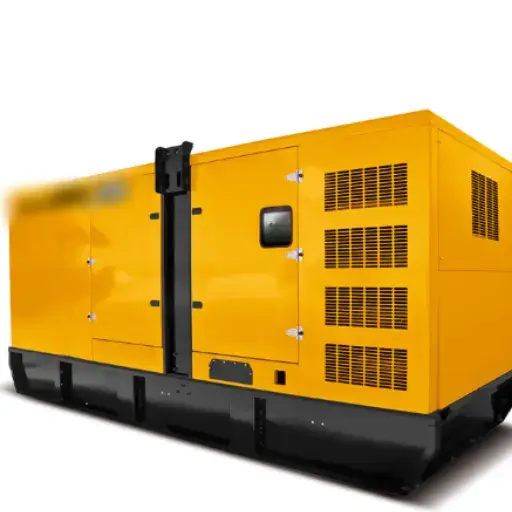
Long-Term Investment Value
Procuring a generator, whether for business or personal use, is one of the most beneficial decisions one can make for the present and the future because the benefits are always more than the user expectations. The following are the benefits one can enjoy from investing in a generator:
- Financially Beneficial In The Long Run: Despite the initial cost of buying a generator being high, a better comparison is availed when rental fees are put into account for an extended period. Take for example a generator that is always rented but with a high capacity, the rental fees will be equal to or more than the cost of owning the same in a few years.
- Power Supply Guarantees: Renting always limits how much power you can access due to power sources being effectively utilized especially during adverse weather periods and emergencies. This consequently results in activities being held up due to the time taken to make acquisition of equipment.
- Depreciation and Tax Relief: The generators are included into capital assets category and can be written off taxes as depreciation expenses of the equipment. The businesses can take advantage of the deductions offered by the tax regulations to lower their taxable income and improve cost effectiveness.
- Customizations and Maintenance Management: A generator enables the user to modify and configure the equipment according to the load of operations and even the type of fuel being used. In addition, it becomes possible to prepare preventive maintenance work design specifically for the equipment during a course of business while satisfying customers.
- Increased Value and Potential for Resale: Goodquality generators usually have a high retention of their resale value, especially if the owner took good care of them. In many cases, an old industrial generator fetches good money in the market and this makes them a dependable asset in future in terms of cash liquidity.
A generator purchase can be considered beneficial in the long run, providing relief in finances, autonomy in work aids, and business details that grow the business and keep it afloat in the end.
Full Control and Customization
Industrial-grade generators offer users great levels of control and options, which make it possible to adjust and tailor operations to a particular design or use case. This variation allows efficient operation in many different uses. These are the five control and customization features that accompany almost all premium industrial generators:
- Capabilities of Management of Loads: The modern day generator consists of a load management system where the user alters the power supplied by the generator in accordance with the variation in the demand of energy. This also means energy is efficiently utilized, without causing an overall load.
- Remote Monitoring Tools: A majority of the generators have digital and IoT-enabled remote monitoring devices to allow users access information and various parameters such as fuel levels, power generation, and operational status. This allows proactive maintenance to be carried out which minimizes downtime.
- Flexible Options Regarding the Fuel Used: Fuel source or type available can be changed according to user preference. Larger machines have been built to accommodate both inbuilt fuel tanks as well as attachable fuel tanks. When considering procurement, generator rental vs purchase, the long term cost may prove to be crucial in making the decision. Modification of fuel types is also possible as many cars allow the use of diesel or natural gas and even combinations of both fuel types. This characteristic of the product makes it possible not only to satisfy economic criteria, but also does not go against the ecological fashion.
- Control Panels With Options Of Changing Machine Settings: Advanced Control Panels Make it Easier to Start and Stop Generators Have Maintenance Plans and Enhances Performance. User configurations are allowed in these control panels for ease of management in business operation.
- Parallel Line Scaling Possibilities: It is possible to provide additional equipment for the installation of generators when the requirements of electricity usage for an enterprise increase. This involves the connection of several gas driven engines at the end of which switching units are installed to avoid total revision of machines and apparatus in case of an increase in capacity.
All of these user customizable options make industrial generators more efficient and reliable, therefore allows them to be used appropriately for present time energy requirements and future energy consumption requirements.
Disadvantages of Purchasing a Generator
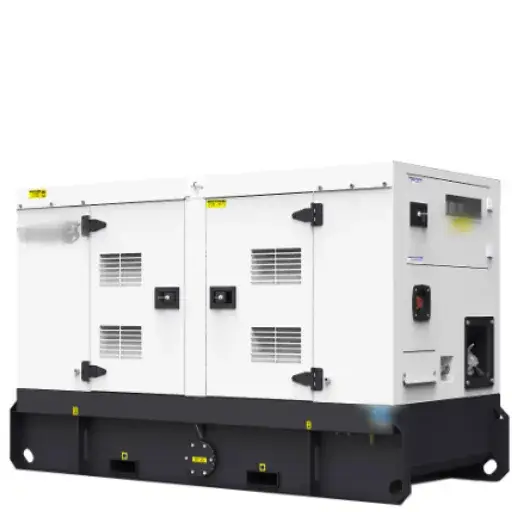
Higher Upfront Costs
Purchasing an industrial generator excludes the worries of generator rental vs purchase, which in turn brings about a number of highlights:
- Affordability: It is cheaper to a buy a generator over time as opposed to having to rent it. Alleviating the need of dealing with any of the additional costs that come with maintenance policy of a rented generator among others.
- Operational Self-sufficiency: Being able to own the equipment is probably one of the most attractive things about the equipment. One will have the unlimited supply of power without worrying about the number of hours they have hired or out of stock and threatened with operations going into stand still.
- Targeted Servicing: When one has tthe ownership, the generator can be t ut a little more effort towards specific goals of operation or the surrounding biological factors such as the temperature. Therefore, rented generators are not like owned generators which might incorporate as many changes as possible to enhance productivity.
- Control Of Emergencies Maintenance: In situations where the equipment is not rented, you are able to keep the maintenance at your preferred levels and not use the generator if it is necessary. Therefore, its lifespan is extended which is also evident to the service staff who are able to service as per the policies and the manuals.
- Lack of Contractual Clauses: In most cases of agreements, a renter finds themselves bound by discharge which might tend to be frustrating to the renting out firm for reasons such as long rental duration or frequency of use. However, once the equipment is owned, these limitations are lifted and it is possible to easily implement it within the existing activities of any organization without experiencing any needless formalities.
Considering these advantages, acquisition of generators can be a practical and beneficial approach when it comes to industrial long haul usage.
Ongoing Maintenance Responsibilities
Routine maintenance of a power generating device is crucial for its smooth functioning, optimal performance as well as durability. Here are enumerated five key measures which have to be observed on a day to day basis:
- Servicing Oil and Changing Filters: Generators have to have the normal oil change done within 50 to 200 operating hours, according to the type and adherence to various directives from the manufacturer. Filters too should be checked and changed where necessary so that dirt and other particles do not get to the engine.
- Battery Checking and Monitoring: The starter battery of the generator should be routinely checked for any sign of corrosion, loose cables, or charging status. The recommended practice by most manufacturers is to test the battery under load at least twice a year to confirm its correct operation.
- Temperature Regulation System Servicing: The cooling system must include, among others, a radiator, levels of coolant and hoses, and all such components must be inspected for possible leaks or restraints on a regular basis. There’s a need for replacement of a coolant after reasonable intervals (usually once every two or three years) in order to avoid overheating problems.
- Fuel Breach Inspections: For diesel and petrol generators, this fuel system must be inspected for leaks, fuel levels and fuel quality every so often. Fuel in storage containers should be treated with stabilizers and tanks cleaned from time to time in order to avoid clogging and the growth of microorganisms within the walls.
- Kicking the Generator’s Wheels: At a minimum, the standby generator should be exercised once a month for a pre-determined load in order to absorb moisture, move the fluids and see if there are any performance problems. Frequent workout allows the system to be ready in case of emergency.
All these duties form part of a health plan for a generator in that they help to sustain its utility & safety apart from also lowering or eliminating unfore seen equipment failure as well as long term costs.
Depreciation Concerns
The rate at which standby generators lose value is one of the main parameters to be taken into account as it affects the efficiency of the generator, the safety of its operations, and its resale value. Ensuring maximum efficiency and lifespan of the standby generators requires taking into account all the factors that tend to increase depreciation of the generators. The following five key issues should be looked into regarding generator depreciation:
- Physical Damage and Age: This refers to the wearing out and the aging of specific components, such as the engine, alternator, and digital panels as a result of usage in the real working environment. This also translates to regular evaluation and immediate replacement for all these will keep them from wearing out.
- Poor Fuel System Maintenance: The presence of ad hoc or spoiled fuel within the system can obstruct injectors and cause corrosion besides affecting brushing action during combustion. Fuel care and maintenance over time and polishing the fuel regularly ensure an extended useful life of the use of the fuel system.
- Deteriorating Battery Condition: A significant number of batteries are not recharged, and as such they exhibit a currency known as self-discharge. If the generator has not generated power for a while, one must periodically ensure that the battery is charged up, since it will be slowly losing power and will not be able to crank the engine during a start-up attempt.
- Systems Affected by Vibration: Vibration related to the operation of moving parts is a common concern for engineering. However, since generators consist of several components which interact harmoniously to satisfy the overall objective of generating power, other components including couplings between the aforementioned functional bodies started to evolve as well.
- Corrosion and Erosion: The two major forms of material loss in the machine include corrosion and erosion. And these forms of wear and tear tend to restrain the successful operation of a particular generator. Wear could refer to a decrease in thickness or within the material’s structural composition. This continuous activity could be disruptive to most constructed materials or most parts and paint responds to opposing inflexibility.
Using and maintaining standby generator batteries for longer periods can result in diminished functionality due to wear and tear and associated reduced capacity. If the manufacturer specifies testing and battery replacement, then such events are precluded for emergency and failure, respectively.
Making the Best Decision: Generator Rental vs Purchase
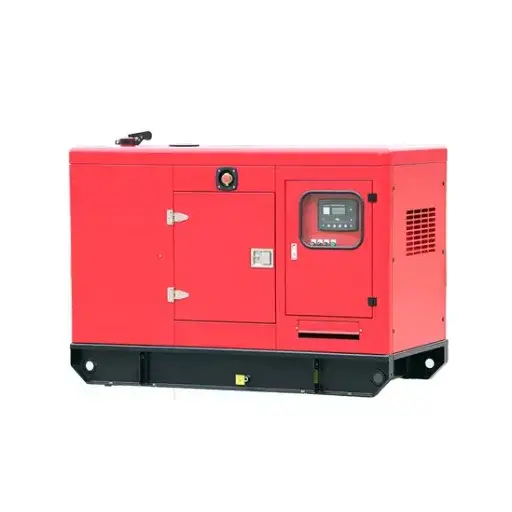
Cost Comparison Analysis
The cost comparison between generator rental and purchase includes upfront costs, maintenance, flexibility, storage, technology access, long-term value, and depreciation.
|
Key Point |
Rental |
Purchase |
|---|---|---|
|
Upfront Cost |
Low |
High |
|
Maintenance |
Included |
Owner’s responsibility |
|
Flexibility |
High |
Limited |
|
Storage |
Not required |
Required |
|
Tech Access |
Latest models available |
Fixed to purchase date |
|
Long-Term Value |
None |
Builds equity |
|
Depreciation |
Not applicable |
Affects resale value |
Case Studies: When to Rent and When to Buy
Case Study 1: Short-Term Construction Projects Which are Favorable for Renting
A very high level construction company engaged in the construction of commercial buildings required an electric generator to run their equipment for a period of six months. As the project was short-term, it made more sense to rent rather than buy a generator. By renting, the company was able to adjust the power requirements as necessary during the growth in demand ensuring they avoided unnecessary costs associated with purchasing an additional generator. The rental arrangement was also inclusive of any maintenance and emergency repairs if the need arose, so there was minimal down time, while realizing high performance, outsourcing any theatrics associated with it to the contractor.
Case Study 2: Industrial Activities Taking place for longer period of time where Getting a generator rental vs purchase is most preferable
A retail establishment open from Sunday to Saturday needed a dependable secondary power source for when the primary one fails. Thus, thinking of a generator rental vs purchase was not a very cost-effective or practical solution under such a prolonged use. They chose to purchase because they could install it and design custom features that address the specific powers demands of the building and on top of that the purchase price over time is much cheaper than continually paying rental charges. Once a maintenance regime was set in place and extra warranties bought, it made the generator almost unbreakable and protected them from creating a future investment.
The use of these cases supports the assumptions that each factor of duration of usage, budgeting and the technical strategies, as well as the business and managerial processes in generator rentals versus ownership, determines whether one rents or buys. Businesses are able to enhance effective return on investments and also focus on improving power management processes by offering a suitably structured analysis on the above factors.
References
-
Purchasing and Leasing Farm Equipment – Purdue University
This resource discusses the differences between purchasing and leasing equipment, including rental agreements. -
Leasing vs. Buying Farm Machinery – Kansas State University
A detailed comparison of leasing and buying machinery, including terms and conditions of rental agreements. -
Lease vs. Purchase of Machinery – Utah State University Extension
This article explores the pros and cons of leasing versus purchasing machinery for agricultural use.
Frequently Asked Questions (FAQ)
Q: What is the significant difference in price when comparing generator rental vs purchase?
A: The main distinction is the upfront investment compared to the ongoing cost; purchasing a generator involves significant upfront capital to purchase and then install together with permitting and maintenance, however, in the case of rental the cost is met through rental charges and rental payments which is lower overhead. Where the demand for the rental is relatively shorter, or one times up with summer, renting becomes more cost efficient than buying but in the opposite case where power is often out or one is regularly doing business with power outage, it will be cheap in the long run to buy a generator or standby generators.
Q: Under what conditions is it economic to rent a generator and to buy a generator for instance as an inclusion in an emergency power supply?
A: Make a decision depending on how often and for how long you will use the device. In cases where one needs power for a few days be it due to hurricanes and such natural calamities or construction of a building or any kind of short events, it is better to go for a generator rental since this is more flexible and allows ones generator to be on site quickly. However, if one faces regular breakdowns or just wants a generator for purposes of reassurance and efficiency for a long period, then it is more appropriate to purchase a generator — portable or installed generators including industrial type. Reason out from all angles while understanding the amount of power required, the cost implications in the long run, servicing and repairing and such.
Q: Explain the merits and demerits of generator rental vs purchase or the renting of generators and the buying of them.
A: Benefits of renting portable generators are limited initial expenditure, availability of top-notch brands, absence of long term servicing and easy adaptability of generation capacity with changing field needs. Disadvantages? There are rents, there are potential restrictions in a rental contract, and there is no asset to speak of. Buying entails benefits such as possession, business taxation benefits, ability to access and use it instantly and decorating it with back up capacity while disadvantages are high start up costs, service and maintenance burden and possible low utilization if the need only arises in certain periods.
Q: Are there any generator rental vs purchase differences in line with the industrial or full-time energy supply demand my company has?
A: Yes, there is a wide assortment of rental generators, particularly those intended for industrial purposes, encompassing industrial generator units to meet heavy as well as prime power loads. There is an array of solutions for dealers who wish to hire out units for use in construction sites, prime power without enclosure, or hire for an extended period. Alternatively, running such a prime power source for a long period may turn out to be cheaper and more efficient than renting an industrial generator.
Q: After that, what differences, if any, should be anticipated in terms of the generator rental vs purchase?
A: Rental terms would entail such considerations as rental duration, rental prices, delivery and installation costs, liability, repair arrangements, fuel provision and penalties for delay or extension. However, in case of purchase, aspects like guarantee, dealership, installation, and maintenance servicing schedules, considering breakdowns as well as costs for downtime are to be of concern. Reviewing these conditions allows you compare and decide which best fits your power utilization and other business requirements.
Q: How do the costs of leasing and servicing a power generator differ from those of buying one?
A: Normally, leasing fees eny certain benefits of hire given the inclusion of some number of working days and even repair in several cases, which subsequently makes the machines ‘operational’ eliminating the wait for power to be a factor. The repairs are typically the responsibility of the rental service provider; however, certain charges for the repairs especially in the case of damages to the equipment and wear and tear may be incurred by the servicerequests. Unlike the rental generator where the maintenance cost is already included under the rental fee, the purchase and subsequent ownership of a generator brings about added cost of periodic maintenance, repair and cost of the spare parts, which, in as much increases the eventual cost is profitable due To increase the overall cost whereas, it is more beneficial because one is their own boss and can install and use.
Q: How does my company go about evaluating whether to purchase or rent a generator – generator rental vs purchase evaluation?
A: Determine the overall expenses. For this purpose, contrast the up-front expense which involves purchase and installation with anticipated operating and repair costs, with rental fees and possible delivery and fuel expenses over the period in question. Within the various factors taken into consideration, include the value of a business, the depreciation of assets, the tax liability, and the recreational business management services for interim engagement if need be. Please call or e-mail us or your local dealer and request comparisons for both systems and an analysis of the costs associated with each to figure out a better solution to your energy requirements.