
Commercial buildings require operational emergency power systems which provide essential power during blackouts. The uninterrupted power supply system from hospitals through data centers to office complexes and manufacturing facilities serves as critical protection against safety hazards while maintaining operational efficiency and preventing expensive service interruptions. The correct emergency power system size needs detailed assessment of your building’s specific electricity requirements and its main activities and the applicable laws. This article will guide you through the key considerations and calculations involved in sizing an emergency power system, empowering you to make informed decisions that guarantee resilience and efficiency in the face of power disruptions.
Understanding Emergency Power Systems
Definition of Emergency Power Systems
Emergency Power Systems are supplementary power sources which provide electric energy supply in the event of electrical system failure from the main electric power grid to assure continuity of operations and safety. These systems are vital in facilities such as hospitals, data centers, and emergency response units where power disruption even for a few seconds can be catastrophic or even life-threatening. Such equipment is configured to turn on either automatically or manually whenever there is a power failure and provides the energy needed until the main supply kicks back in.
The main parts of an emergency power system usually consist of diesel or gas powered generators for power production and batteries for storage, among other solutions. The system further includes automated switching devices also known as automatic transfer switches (ATS) which enable the smooth movement between the main grid and the alternative supply. The system also allows for stable voltages and frequencies to be delivered depending on the requirements of the electrical shops within that facility without excessive high voltages.
Compliance to requirements and building codes also calls for emergency power systems as a significant consideration. In their efforts to ensure enhanced safety of lives and safe execution of operations, authorities in a number of countries require the installation of such systems in particular types of facilities. It is necessary to take the best performance and long term durability of these systems and strategies seriously thus proper sizing and performance testing accompanied with maintenance are essential.
Importance of Emergency Power in Commercial Buildings
Commercial buildings must have a robust emergency power system to aid major systems and infrastructure in operating in the event of a power cut. This is crucial for institutions like hospitals, data centers and financial systems where even a few minutes of non-electrical availability can cause serious interruptions. This emergency power system ensures there is no compromise of system-saving machines, storage of information or functioning of critical processes when there are emergency events.
Emergency power in commercial buildings is also important as it assured safety to the occupants. Such facilities use emergency lighting, communication, fire escapes and equipment power in case of a primary system failure. Emergency Power Systems performs its functions by keeping the systems active, minimizing possible physical harm, assiting in escape plans helping in organizing responses.
Finally, the presence of integrated emergency power systems within a commercial building structure does help to comply with the codes and standards because it is often a requirement of the codes. Otherwise, it may attract punitive costs, legal actions, and reputation damage to the involved companies. In order to achieve minimal breakdowns while ensuring peak efficiency in such systems, Emergency Power Systems design and regular inspections, proper load assessments, and respect for maintenance schedules must all be enforced. These systems provide a very secure, safe, and reliable environment despite any unexpected loss of power.
Components of an Emergency Power Supply System
Emergency Power Systems (ESP) are made up of many important parts and equipment which are intended to provide quality energy supply when the normal electric power is not available. They enable essential functional equipment to work during mains power outage or failure.
- The Source of Energy: The source of power used is either a generator or a UPS. Diesel or gas generators are the most common and recommended forms of standby power systems for they work in cases of prolonged power cuts but UPS power systems fill the calm the load as a generator started up fills its intervals. The design and capacity of the generator will depend on the demands of a specific facility or how much load it carries.
- Changeover Switches: Automatic transfer changes (ATS) are in use for changeover length between the main and auxiliary power source. They are automatic and placed in line to change any shortfall in power and also provide initiation sequence for the generator especially in connected loads as there is no need for personnel intervention. Distribution panels or circuit breaker carry forward the supply of electricity to certain branch circuits or devices. Such panels are designed so that critical systems such as lighting systems, fire-fighting equipment or hospital supports are the last to be turned off in case of any accident.
- Systems of Fuel Accumulation and Transportation: For generator systems, the storage of fuel in tanks is a constitutive issue of autonomy. Such systems comprise of pumps and filters to deliver the fuel to the generator as well as for the circulation of the fuel. Checking the fuel quality as well as the fuel level is of great importance if engine failure is to be avoided.
- Cyber – Monitoring and Control Systems: There of course exists a number of monitoring and control systems in modern EPSS given the fact that consumers need to know the data records about the performance and health of the system as well as the threats which will cause it to malfunction. In this regard, facility managers can respond appropriately to these errors and work towards promotions of the operational professionalism.
Emergency backup systems contain these parts and each of them is very important. Periodic testing, adherence to standards such as NFPA 110 and maintenance are crucial for obtaining Emergency Power Systems with the best possible performance and reliability.
Types of Emergency Power Solutions

Standby Power Solutions
Emergency Power Systems are important elements that have the sole purpose of availing electric current whenever there is power blackout so as to ensure that operations in critical areas do not stop. The systems are always embedded with a computerized section fitted with sensors to detect loss of power and trigger backup generation equipment, usually diesel or gas generators, to start operation of the system within no time. Standby power systems are very common in hospital structures, data servers, manufacturing facilities, and offices, however standby power systems vary in size and purpose according to the load power which they are authorized to support and the time period during which they will have to operate.
Standby devices and Emergency Power Systems typically contain such elements as transfer switches, voltage control devices and UPSs that protect promoted equipment against overvoltages in the change of power sources. As the hybrid power systems develop, a new level of components is being made, which combines this component with intelligent monitoring data systems of the product. This ensures that there is up to date equipment performance and troubleshooting to help predict maintenance needs and ensure systems are always available.
Some sources of the information on this market state that; the market size of standby generators is growing globally. Standby systems have become essential to many activities due to the weakness of the power grid, and power failures caused by severe weather have been on the rise resulting in increased regional markets. Testing guidelines and systems efficiency are controlled and some requirements have been introduced in the forms of ISO 8528 or NFPA 110, as examples.
In conclusion, the installation and the assistance of Emergency Power Systems which are structurally designed and looked after to some standards one can avoid business downtimes, maintain essential facilities and boost safety levels in the context of ever changing frequency of power supply failures.
Backup Power Systems
Emergency Power Systems development has improved progressively with the proliferation of different technologies that have brought higher efficiency, effectiveness and environmental friendly energy. This new generation of devices features automatic transfer switches (ATS) and sophisticated uninterruptible power supplies (UPSs) that allow for interruption-free operation when a power outage occurs. With these types of systems, equipment will experience minimal downtimes and more importantly, will include voltage fluctuations and frequency variations which can be especially harmful to some equipment.
The development of even more improved and all encompassing batteries has been made possible by technology such as lithium ion batteries which increase the number of charge and discharge cycles, need less service and have a greater specific energy compared to lead acid batteries. In addition, smart systems which coordinate and monitor backup power have been built with the help of networking in IT platforms, also known as Internet of Things (IoT), which allows for easy diagnosis of any problem, capability of maintaining these systems, and control from afar. With these innovations, efficiency levels of users have been maximized even with reduced levels of complexity in operation.
An equally promising opportunity lies in the incorporation of renewable energy integration, for example, combining solar and wind power systems, battery storage, towards the redefinition of what backup power entails. These outages can be beneficial as they can allow the organisation to use energy from cleaner sources that do not emit greenhouse gases to a great degree and still maintain the level of performance. As seen in this case, innovative solutions for efficiency, cost-effectiveness, and environmental maintenance include the use of conventional power-generating equipment together with renewables.
Rising energy demand across industries, from healthcare and data centers to manufacturing and critical infrastructure, can now be addressed more efficiently with improved Emergency Power Systems hardware and software and these capabilities are increasing rapidly. These changes make sure that contemporary solutions are still efficient, extendable and able to cope with the changes in the energy requirements.
Types of Emergency Power Supplies
Emergency Power Systems supplies can be divided into a number of elementary divisions in respect of their work, source of energy and area of usage. A good understanding of how these systems work is very important in order to use them well in a crisis.
- Uninterrupted Power Supply or simply UPS: Uninterrupted Power Supply or UPS is used as a temporary measure when the power go out. It provides backup thanks to the battery inside most of uninterruptible supplies. Its function is to act as the “glue” between the inoperative power supply and the time-consuming generator application. However, the advent of the newer generation systems has enabled the usage of Lithium ion batteries which have higher energy densities, faster charging rates and do not require maintenance as heavy lead acid batteries.
- Stand-by Generators: In the situation where the loss of power is anticipated, and it might take even days upon days before it is resupplied, standby units that are basically functional diesel, propane, or natural gas engine driven are used. This particular location is one of those which will be abetted through the use of these types of generators considering the fact that they start when there cries out the power. Like most contemporary tools advanced generators are designed to monitor in real-time and provide a backup maintenance in advance therefore sieving effectiveness in several prevailing conditions.
- The hybrid power systems: Hybrid systems are inherently versatile and include the use of renewables such as solar or wind, batteries, and conventional fuelled generators. It is the intention of such systems to reduce dependency on fossil fuels for the users’ empowerment while still bearing the fragility of all systems. More often than not, the deployment of these systems is being perfect in conjunction with areas which are not served by the conventional grid system but are displaced from the remote grid.
Battery banks and portable generators offer compact designs and can be easily moved to the site of operation, thereby find bell in is applied mainly for emergent or temporary prepared solutions. True, such solutions exist within smaller operations only, however, as technology evolves there is also more and more portable lithium-ion apparatus and many are turning to them rather than inefficient fuel powered generators.
Modern Emergency Power Generation Technologies
Innovations in Power Solutions for Commercial Use
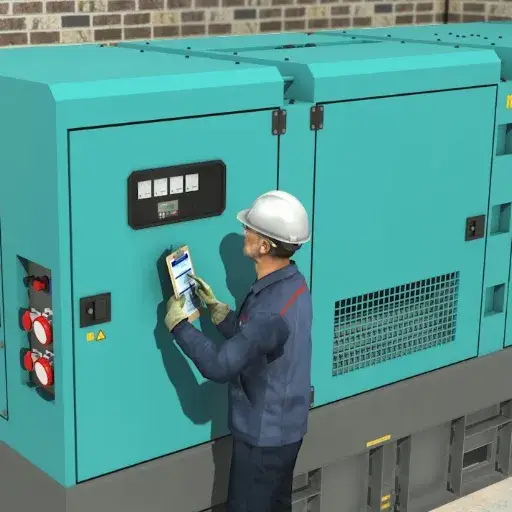
In the current power generation systems, research efforts are focused on enhancing the efficiency, reliability, and acceptability of commercially available technologies. The integration of hybrid systems which combine solar photovoltaic and wind energy power generation with advanced battery storage is one of the recent advancements. This implies that businesses do not have to rely solely on grid power; the cost and environmental impact of energy consumption and heavy dependency on government power can go down.
Another major turning point is the fuel-cell technology transition that involves harnessing hydrogen power. Hydrogen fuel cells generate electricity through an electrochemical reaction, which results in water being the only byproduct. This type of invention is especially useful for those industries that need an environmentally friendly and uninterrupted power supply, as it has the potential to deliver high energy efficiency and can be upscaled. Also, there has been advancement in microgrid setups, which have contributed to more energy independence and resilience in commercial buildings, enabling the control of energy use and energy shedding to be achieved at all times of energy deficit or surpluses.
Additionally, the significant evolutions in the application of smart grid and IoT technologies for management within businesses and institutions have seen a dramatic change in how electricity is being handled. This is largely or in some cases entirely possible due to integrated systems, which help in the collection and analysis of data, energy efficiency improvement, energy system maintenance forecast and integration of complex power networks. Investment in advanced technologies for commercial power generation continues to significantly alter the market towards a more sustainable as well as efficient model of operation.
Integration of Renewable Energy Sources
Power grid systems and infrastructures offer enormous advantages and also pose technical challenges when trying to incorporate renewable energy sources. The critical factors are increased variations in power output, grid stability challenges, and advanced energy storage systems requirements to complement supply and demand imbalances. For instance, solar and wind are by their nature, intermittent sources of energy that calls for advanced grid management strategies as well as forecasting techniques to ensure predictability. Furthermore, modification of outdated systems in order to accommodate the usage of Environmental Friendly Renewable generators is usually very expense generating challenges in the system.
Notwithstanding these difficulties, the advantages associated with the very renewable power provides are more than enough. The use of renewable energy decreases the use of fossil fuel and hence subsequently decreases the emission of greenhouse gases leading to the mitigation of climate change. In recent times, the seamless integration of renewables into the energy mix is made possible by a number of modern solutions, among them being smart grids and energy managing systems. Additionally, renewables offer long-term benefits in economics, since they drive down their fuel costs, and help countries to be able to meet their security-of-supply objectives through changes to the structure of the energy system.
Achieving the full potential of renewables calls for measures aimed at increasing grid flexibility, introduction and development of appropriate storage technology such as lithium-ion batteries, solid state battery technology and the promotion of policies encouraging development in this domain. Such a synergetic construct is anticipated to accelerate the transition to a more green energy and creating a robust society.
Trends in Emergency Power Systems
In several past decades, Emergency Power Systems innovations have been considered explosive because of many economic and technological reason. Most notably, the incorporation of renewable sources specifically solar, wind, etc into backward upto normal power systems to be called as backup power supply systems is one trend. However, there are enlarged hybrid systems, which along with the conformable to their usage energy storage systems like lithium ion, flow batteries aims at reducing dependency on carbon based fuel blocks and ensuring continued power supplies.
One more important trend that is seen is the use of microgrids for producing and distributing electricity locally. This type of microgrid is useful in remote and vulnerable regions due to the fact that they can still be operational even when there is no electricity from the central system. Improvements in the usage of sophisticated devices through smart solutions also enhances the effectiveness of the emergency systems. These systems allow for predictive maintenance scheduling, fast fault detection, and optimized energy utilization.
In parallel to the ongoing demand substitution the sector undergoes greater emphasis on the modular-system design such that the user is always able to take into account the individual requirements and configure the generator ETC efficiently according to these requirements. Another drive visible in emergency power systems involves fuel cells that use hydrogen, allowing their emission effectiveness to zero.
These progressive developments in technology provide evidence for the industry’s endeavor to hone environmentally friendly, dependable, and consistent means of provision of emergency power to the industry.
Transfer Switches and Their Role
Understanding Transfer Switch Types
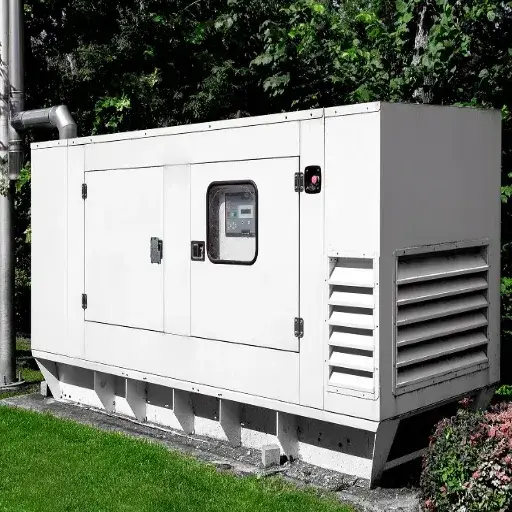
Power outages and fluctuations are everyday occurrences in industrial power distribution systems. Transfer switches are at the core of these systems, allowing for efficient re-activation of such systems with ease. These systems include three broad categories that can be classified based on how these systems operate and the functions that they perform:
- Manual Transfer Switches: As the name suggests, manual transfer switches are hand operated, in the sense, one executor rakes over the power shift. This enables the supply to be lifted from the primary source to a secondary source usually the generator. They sit quite well in small facilities/households where such setups would not involve much manual intervention usually and therefore manual switches are the better options. Affordability is also an issue but one understands that these places will experience downtimes because sources will change which makes these switches impractical in critical areas.
- ATS (Automatic Transfer Switch): The need for primary and secondary power supplies in industries such as medical, data processing, food manufacturing, etc., makes automatic transfer switches indispensable. These switches contain electronics that track both of the feeds and detect when the feeds stop. They effectively use CPUs and solenoid valves. The switches are very which quick-acting fals wuried locked inside a box. They also interlock with other installation cycles of the range and provide for their operation and control remotely with the generation of appropriate reports.
- Bypass-Isolation Transfer Toward Switches: Usually, bypass-isolation transfer switches are employed in the circumstances where the use of equipment is necessary and does and will not allow maintenance downtimes. With these types of switches, the maintenance or repairs can be done since the main switches can be bypassed manually or automatically. Their well-engineered template accommodates advantage’s impact by providing doubled effort and making sure that the operations do not stop especially where there are critical national functions such as telecommunication and energy utilities.
Various types of transfer switches are to be used for the installation of such emergency power systems. The reason for this is that such a type of power emergency is dependent on specific loads, objectives of the operation and even the degree of automation needed so as to make it possible. Emergency Power Systems are also becoming smart and resilient with the growing usage of microprocessors and IoT functionality to the transfers switches.
Choosing the Right Transfer Switch for Your System
When choosing a transfer switch for a particular application, the first consideration is the amount of power to be handled and the type of load. The importance, sensitivity and non-essential nature of the load helps me determine whether to use a manual or automatic transfer switch. Half of the critical or sensitive loads or systems require automatic transfer switches (ATS) over manual ones in order to maintain smooth power supply without the intervention of the operators whereas non-essential systems can be served with a manual transfer switch which would be indispensable on a part-time basis.
Then, I look at the ability of the particular system in connection with both the power supply and the load to be served. It is necessary to thoroughly assess the voltage, current, and phase requirements so as to avoid any risks of damaging the transfer switch by overloading or overheating it. Further, I assess the environment that the switch will be installed—the weatherproof enclosures, for instance, of the NEMA or IEC varieties—to avoid wear and tear and servicing because of the poor conditions outdoors.
Finally, I pay attention to the exact level of sophistication in regard to automation and technology, that my application calls for. Nowadays, transfer switches may come with the innovative features, like those of real-time monitoring or diagnostics, together with remote access through IoT based systems. This allows users to proactively manage their energy consumption and reduce downtime as well. Having a good grasp of such elements and carefully considering the needs of my system, I am sure to select a transfer switch that will perform optimally, reliably and efficiently over the years to come.
Installation and Maintenance of Transfer Switches
Successful installation of that transfer switch depends on the adherence to industry standards and regulation codes. Any installation requires planning, where this system is checked to see if the electrical loads can be met, if it will work with the power availability, and conform with the National Electrical Code, NEC. The location of the switch installation shall provide operational safety, adequate ventilation to prevent heat build-up and be accessible for the purpose of maintenance. Lastly, emergency power systems are designed to work only with the particular systems and their parts, and therefore it becomes very important to have the transfer switch being tested thoroughly for proper functioning before installation.
Operation and maintenance of transfer switches is a routine practice that ensures the continuous effective operation of the switch gear. It involves inspect and examine the operation of all internal parts of the switchgear from contactors to relays and control gear to ascertain presence of any abnormality like erosion or corrosion. Tugging of electrical terminations within the switch be case any risks poised by vibration and even weather cycles loosening the terminations. Additionally, indicated under examination of loads simulating transfers may show weak spots and take measures before the actual loss of power occurs. High technology testing, that can also be provided, thanks to thermal inspection or using PQ meters, is in order to maintain a certain level of services in terms of maintaining Emergency Power Systems more precisely to a higher adjustment.
Condition-based emergency power systems are those that incorporate IoT capabilities especially for enhanced and prolonged usage between services. It is a practice common in modern transfer switches and incorporates the use of real-time factors analysis such as temperature, load and fault conditions among other things. These digital technologies allow preventing downtimes through predictive maintenance that gets the handsettelephones into operation and prevent degradation when maintenance is raised. Nonetheless, putting these methodologies into practice has a far-reach aimed at not only improving the reliability of the system but also supporting the safety precautions of the system and making the power infrastructure that the transfer switch or switches is connected to last longer than making the transfer switch itself last.
Implementing Emergency Lighting Solutions
Importance of Emergency Lighting in Commercial Buildings
Working together with other safety system in any given building, with specific task, each being aids in the event of loss of primary lighting sources supplied by the conventional means and devices. Almost all buildings these days need this provision aimed to take care of the wellbeing of people inside the buildings by assisting them in finding their way out from the building in darkness. This is particularly important for compliance with the life safety standards NFPA 101 as well as the current building codes where it is stipulated that emergency power systems with sufficiently bright lighting must be in place in places with high cell densities or complicated patterns of rooms.
Today, the emergency lighting industry relies on several different innovations such as LED based designs, supports proactive maintenance thanks to self-diagnosing control modules, and connects to centralized remote control platforms. With these, emergency power systems have taken on the use of LEDs more than any other application due to their longer operational life, less electrical consumption, and brighter output than most conventional lighting applications which helps towards the needed regulatory and economic performance. Likewise, smart emergency systems can increase efficiency with IoT enabled battery status monitoring and self-testing and trigger monitoring staff to take action when problems occur or are about to occur. The emphasis of this method is on improving performance by making sure that the system is ready when necessary.
Safety organizations emphasize that proper execution of emergency lighting reduces evacuation time in even the most challenging of emergencies by 40%. An increasing number of natural disasters as well as failures of the power grid makes the installation of emergency lighting very important, as it is a safety rule and obligation for business organizations/building operators and more, to save lives and continue to operate.
Types of Emergency Lighting Systems
There are different categories of emergency lighting systems, they offer different functions and are used in separate ways that make their operation unique:
- Escape lighting for safety purposes: The primary function of this system is to provide lighting when occupants need to be evacuated in case of an emergency. This includes well lit Saudi exit signs as well as emergency escape routes. Modern day systems are often fitted with photometric controls for a more even and less glaring vision; a suitable solution during the little hours.
- Loss of illumination lighting: Standby lighting can help switch on the lights and perform vital tasks in the focused areas when power outages occur. In controllers rooms, hospital structures, and mission specific designs, such units do not use power when not in use; rather, they are derived from back up strategy at the center or stand alone.
- Risky Work Area Lighting: Due to the most stringent requirements, enhanced illumination is to be designed for areas with hazardous materials handling or other critical operations, in which devices are also delivered or used in Emergency Situations. Unlike typical Emergency lights, these are designed only for specific workplaces and all design parameters, including lighting levels, are very much different than those in.
- Safe Escape Lighting: It is concerned with ensuring that people go out of the premises in a prescribed track therefore Escape route LIF. Semantic LEFs lighting has been increasingly employed in recent years and it is where LEF lights make use of that adopt technology in simple language light-emitting diodes and ensure long period of operation and reduce cost of use.
With the application of these emergency lights, there is no issue with the company adhering to the standard work processes, the safety of operations increases, and a strong foundation is laid for the protection of people in case of emergency power systems failure. However, with the modern technologies such as intelligent monitoring or telescopic control systems, they have become more efficient and effective, as the lighting is able to meet the evaluated safety requirements at all times.
Regulatory Compliance for Emergency Lighting
The emergency lighting system is one of the most controlled areas when it comes to design, installation, and performance. There are a number of standards, including OSHA29CFR1910.37, NFPA 101 Life Safety Code, and the International Building Code IBC, which require emergency lighting systems to provide sufficient illumination for safe evacuation for the duration of any outage or emergency.
Such codes are enforced by the appropriate authorities who ensure appropriate applications are incorporated and checks implemented. Take NFPA 70 (The National Electrical Code) as an example, which stipulates how any given wiring should be done primarily for those systems where continuity is critical placing particular emphasis on how to provide certain levels of redundancy and fault-tolerant operation. To this end, such systems have their oiwn purposes and levels of effectiveness and are hard to test manually, hence automatic systems such as self-testing emergency luminaires which record their ability to function in a given environment are now preferred for both function and regulation purposes because they reduce the need for constant manual checking.
In addition to compliance with regulatory requirements, it is increasingly common for central control systems, which are integrated modules to monitor compliance with arrangements in place, to be installed. In that case, what the law demands and modern solutions enable includes meeting functional purpose and safety targets for any kind of hazard that has its own particular function.
References
-
ADA National Network: Emergency Power Planning for People Who Use Electricity and Battery-Dependent Assistive Technology – This source provides a detailed checklist and planning guide for emergency power systems, especially for individuals reliant on medical devices.
-
National Renewable Energy Laboratory (NREL): Emergency Power Supply System for Critical Infrastructures – A comprehensive study on designing and demonstrating emergency power systems for critical infrastructures, including technical advancements and validation.
-
National Electrical Manufacturers Association (NEMA): Backup Power Systems – Offers insights into the design, maintenance, and readiness of backup power systems for various applications, including healthcare and data centers.
- Click here to read more.
Frequently Asked Questions (FAQ)
Q: Can you explain Emergency Power Systems and elaborate on their significance?
A: Think of Emergency Power Systems as measures provided by utilities to cater for periods of power outages; these include such measures as generators, UPS systems, battery systems as well as portable power stations. Such systems ensure that critical loads are powered, power quality is maintained, power continuity is availed for purposes such as fire alarm systems, and medical equipment, and commercial activities continue functioning until utility power is back in existence.
Q: What makes emergency and standby power systems distinct from battery backup or UPS systems?
A: Generators and other long-lasting power systems operate in generators while UPS captures and compensates for the displacement and resets with and short-term battery powers during power outages while the generator starts. UPS offers assurance of power at all times, and associated battery support provides mobility ease or backups for short periods within the building inside waiting for auxiliary power to switch on.
Q: In the planning of Emergency Power Systems, what factors ought to be put in mind by a facility?
A: The process of estimating power consumption may include the assessment of essential systems and safety equipment which include but are not limited to emergency systems referred to as level 1 and load shedding. There should be a provision to commercial areas and fire systems amongst others, analyze the mainline power and how reliable such power is and whether the system is required to supply power instantaneously or for a long duration in most cases continuous power.
Q: Do portable power stations and scalable battery systems have the capacity to serve as emergency power sources for businesses?
A: In certain circumstances referring to commercial applications and in the demand for last minute solutions or the desire for clean energy, portable power stations’ enhance cumbersome battery systems easily facilitate the provision of energy. Biased to critical loads and at instances when longer outages occur, usually portable, battery and grid power generators in the kiosk or portable power stations are used for the purpose of crafting an entire emergency power provision system that ensures no disruption in power supply and minimization of damage in case of power outages.
Q: How is the power outage achieved by the utility companies and how do these Emergency Power Systems work?
A: A sophisticated design of an emergency power system caters for the available alternative power sources within the building and suitably switches them when there is a blackout. Diesel generators if present are then activated to provide the power needed. Systems need to switch to other power sources without turning off or turning back again. If one or two alternating current distribution boards are installed, for instance, which have the same service areas that need to be supplied power without interruption, the power services need to remain active till there is an external supply.
Q: What are the code and standard constraints on installation of emergency power supply?
A: Standards and codes specify the necessity for emergency power sources including reasonable time that may be used to connect or reconnect electrical installations to the system and testing during or after commissioning of such systems and installation of fire-alarm system in connected premises. All these deliver reliable emergency power, proven stabilizing cooling safety measures, emergency containment and systems ensuring greater protection of life over the availability of power.
Q: What sort of preventative measures need to be taken on the back-up power supply and power supply systems to avoid any disruptions in the flow of electricity?
A: Many routine checks, such as the load testing of generators, running of batteries, and inspection of Uninterrupted Power Supply (UPS) systems and transfer switches, are basic procedures expected by electric utility companies for completed infrastructure to prevent power interruptions. As the functions of these emergency supplies are crucial and must be maintained in case of an occurrence of blackouts especially unexpected switches, one should provide the necessary maintenance servicing practices. For that reason, Supply Chain for health care utilities and services focuses on effective and reliable consumption for back up emergency power generators, while increasing the serviceable age of the installations one National Healthcare Service Authority (NHSA) issued.
Q: How can businesses maximize the integration of sustainable energy generation while also ensuring secure emergency power supply?
A: As a solution, sustainable energy sources such as batteries that are powered via renewable resources can be utilized together with traditional energy generation and UPS systems in hybrid emergency power systems. Such a strategy aims to remove the need for fuel and offers clean power during short blackouts but at the same time provides necessary backup power for all the critical systems.
Q: What are the indicators or factors that show that the existing system power must be upgraded when there is power restoration or if there is increase in load?
A: Change in the requirements of the power, expansion of the essential power loads, equipment upgrades, or new code requirements will caused the upgrade. Enhanced rates of power outages or poor power quality, or additional systems which raise the critical power levels within the facility warrant evaluation of the existing emergency power station, battery backup, or system design to verify that they can support the present emergency power needs as well as the modern power needs.