
In case of power cuts, unforeseen emergencies, or when there is a need for electricity in inaccessible areas, the selection of the proper generator has huge implications. However, determining the best one for you is not easy at all, given the large number of options available. This paper takes you to the arena of portable versus stationary generators and discusses their distinct features, benefits, and appropriate scenarios. Homeowners getting ready for storm season, business operators making sure that the production process runs without a break, or explorers looking for off-grid power solutions—everyone will find the strengths of each type of generator very helpful in making an informed choice. Continue reading to find out which option suits you best!
Understanding Generators: Mobile vs Stationary

Definition of Mobile Generators
Mobile generators are devices that produce electric power in a portable and easy-to-move manner. These generators can run on gasoline, diesel or propane and are often provided with wheels, handles or other means for transport. In general, their size is smaller than that of stationary generators and this characteristic combined with their transportability make them ideal for temporary or remote applications.
The main benefit of mobile generators is their ability to adapt to different needs and uses. They are often installed in outdoor events, construction sites, and power outages as an instant power source whenever fixed generator systems are not allowed or available. Their portability means that users can move them to places where power is needed, thus providing a reliable backup for short-term power supply requirements.
Mobile generators, on the other hand, come with their own drawbacks, even though they are very useful and versatile. They usually have a lower power output capacity than stationary generators and might need refueling after a certain time of use. In addition, they can handle short-term power only and are unsuitable for continuous, long-term supply needs. It is important to grasp these traits in order to determine if a mobile generator is in line with your particular electricity demands.
Definition of Stationary Generators
Stationary generators consist of power systems that are permanently installed and their main function is to provide an uninterrupted and reliable electricity supply. Normally, these generators are connected to a building’s electrical system and the most common use is the providing of backup power for homes, businesses, and important facilities like hospitals. In contrast to mobile generators, stationary ones remain at one location and are also able to start automatically in case of power outages.
Different fuels can power these generators, a few examples are diesel, natural gas, or propane, which are provided through constant connections. The power output of stationary generators is usually higher than the one of portable generators which makes them appropriate for larger and more demanding energy requirements over longer periods of time. Their solid design allows for a long life cycle with very little maintenance—this makes them a reliable option when it comes to power supply without interruptions.
One of the major benefits of stationary generators is that they are able to provide power that is continuous and stable without any need for manual operation. These devices come with automatic transfer switches that can quickly detect power blackout and turn on the generator, thus ensuring that there are no gaps in the electricity supply. The combination of this reliability, which is based on the ability to handle large electrical loads, and the fact that such generators are indispensable investments in areas that suffer outages frequently or for the plants that need energy without interruption.
Key Differences Between Mobile and Stationary Generators
Mobile and stationary generators have similar functions such as providing a backup or primary power source, but they are definitely different when it comes to design, performance, and application. Mobile generators are characterized by the portability feature. They often come in trailers or wheels. This feature allows mobile generators to be easily moved around and placed at different locations. They are perfect for construction sites, outdoor events, and cases that need temporary power. Stationary generators, in contrast, are fixed permanently and placed at a certain site where they provide continuous and reliable backup power for homes, businesses, or even critical infrastructure.
The big difference is in the power output. Stationary generators are more powerful in delivering electricity and hence, are capable of supporting whole-house systems, data centers, and hospitals. On the other hand, mobile generators are versatile but mainly used for smaller applications due to their lower power output. Also, stationary generators are installed with automatic transfer switches that take over power supply during outages without any interruption, while mobile generators usually involve manual power system connection and setup.
Maintenance and fuel supplies are other factors that distinguish the two types of generators. Stationary generators are typically connected to a non-stop fuel source such as natural gas or propane for reliability and regular servicing. Meanwhile, mobile generators are fitted with portable fuel tanks and run primarily on gasoline or diesel. They have a lower maintenance rate but might still involve additional logistics for fuel supply management. In the end, the choice between mobile and stationary generators comes down to the power requirements, duration, and the significance of mobility against the reliable fixed operation.
Quick Comparison Table
Must-Have Features of a Mobile Generator
Power Output and Size Considerations
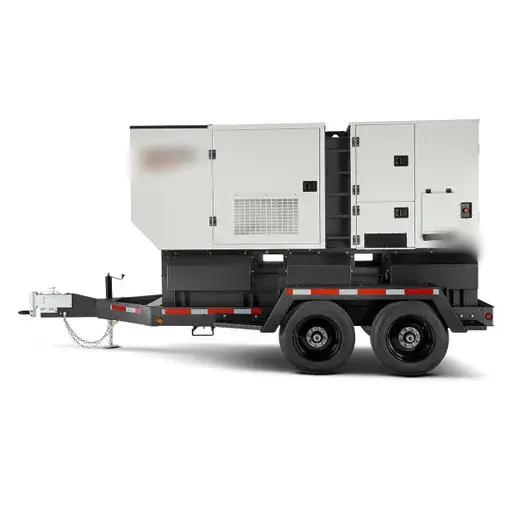
Choosing a mobile generator with the right power output is very important to get your energy demand met. The power output of the generator is usually expressed in kilowatts (kW), and it should correspond with the equipment and the devices you want to use. There is a whole variety of mobile generators with different capacities available from very small and portable generators that produce 2-5 kW, which is just enough for camping trips, to huge generators that can produce 20-50 kW or more, which are used for construction sites or emergency power backup. To make a good decision it is necessary to calculate the total wattage that you will need, also including the peak wattage which is needed for starting up the equipment.
The main factor that determines how portable and easy to use a generator will be is its size. Small generators can be easily and quickly moved around and are light in weight thus making it easy to transport them in cars. These generators are suited for use with small loads or for very short time applications. On the other hand, bigger generators may be installed on trailers or have wheels that allow them to be moved around. Even though their relocation may require special vehicles or equipment, it is the right consideration of the trade-off between the power capacity and the portability that will help you determine if the generator will meet your needs perfectly.
💡 Key Tip
When size and power output are taken into consideration, it is still another important thing to think about the generator’s fuel efficiency. Bigger units are usually more powerful and consume larger amounts of fuel which in turn results in higher operational costs; however, a lot of modern generators are now coming with fuel-saving technologies to maximize efficiency. Thus, taking a generator that strikes the right balance between fuel consumption and power output not only lowers the cost but also guarantees that the generator will work reliably all the time even during long periods of use.
Fuel Efficiency and Runtime
When it comes to mobile generators, fuel efficiency and runtime are the topmost factors to consider, especially in cases where the application demands long-hours of usage. It is the fuel efficiency that indicates the effectiveness of a power generator in converting fuel into electrical energy, hence it affects the cost of operation and the extent of pollution caused directly. Today’s generators display modern technologies like automatic throttle regulation and electronic fuel injection systems that help along with perfect performance in changing load circumstances. The modern tech reductions fuel use while still delivering uninterrupted power, which makes the new machines suitable for all sorts of applications, both in households and industries.
Runtime, conversely, is determined by factors like the size of the generator’s fuel tank, the demand for the load, and the efficiency. Usually, a bigger fuel tank allows for a longer runtime but when it comes to high-efficiency fuel management systems, the performance can be even more improved. For example, there are models that have eco-mode settings; these settings change engine speed automatically according to power the engine needs, thus reducing fuel consumption during low energy demand periods. The features are of great help in overnight or remote operation scenarios since they ensure constant power supply without frequent refueling.
⚙️ Important Considerations
Choosing the best generator is a matter of managing the fuel efficiency and runtime in a way that your requirements are met. You are supposed to evaluate factors such as daily energy consumption, hours of use anticipated, and fuel supply. Most manufacturers give comprehensive product descriptions and runtime tables to help their customers make wise decisions and this is becoming a trend. Powering a construction site, supporting an outdoor event, or being a standby for a house, the burning of both fuel efficiency and runtime is necessary to get cost-effective, reliable, and eco-friendly power generation solutions.
Portability and Ease of Use
Portability and ease of use are just a few of the very important factors when choosing a generator, especially when it comes to applications that require doing the same operation frequently. Portable generators have features like a compact frame, very sturdy wheels, and convenient handles to make moving them easy, even if the terrain is not the best. A good example is that modern models are mainly lighter than older ones thanks to the use of state-of-the-art materials which are not only very light but also very strong. This, in turn, helps users to be more mobile in the choice of their setups as the effort required to move is not a factor anymore, thus they can adopt different arears for use with the less effort needed.
Another aspect that manufacturers were focusing on recently is ease of use. Almost all manufacturers have dedicated their efforts to making generators easy to use over the last few years. Built-in generators have control screens that provide clear directions and labeled ports make it easy for even a novice operator to run the generator smoothly. Electric pushbutton starts or remote start have taken over the traditional pull-cord system and this has cut down time and frustration. Some of the luxurious models even come with a built-in LED screen that shows live updates on the main parameters such as fuel levels, runtime, and power output so that the user can monitor and control the generator effortlessly.
Moreover, there is an ever-increasing number of generators that come with app connectivity for remote control through smartphones. These functions enable the user to turn on, turn off, or change the settings of the generator without being adjacent to the unit, which is extremely useful during outdoor events or for handling backup power when storms are passing. The combination of compact designs and easy-to-use systems along with the increased portability and usability has increased the importance of generators as tools that can serve both consumers and professionals with various needs.
When to Choose a Mobile Generator
Scenarios Ideal for Portable Generators
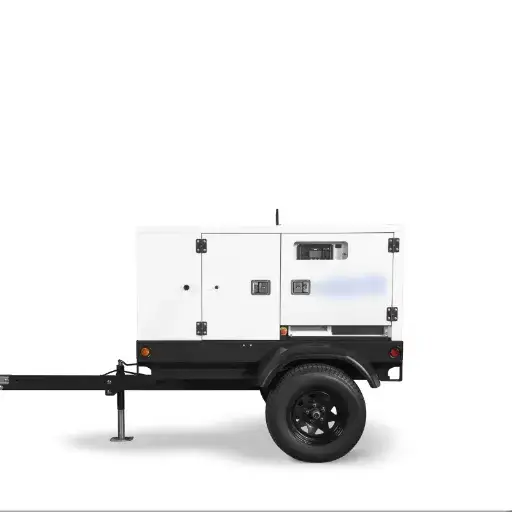
Portable generators are a multifunctional power source that can be employed in different situations where the power supply is of utmost reliability. One of the possible cases to mention is the blackouts, which are often accompanied by severe weather events such as hurricanes or snowstorms. The generators can keep the essential devices running; thus, they can still be part of the daily medical care and maintenance of food, ensuring safety and comfort.
Portable generators are very useful for construction sites, as they are an easily accessible power source for machines and tools at the places where the traditional power grid is not available. Another case where they can be viewed as a necessity is outdoor recreational activities, such as camping or tailgating, where power from the generator can be used for small appliances, lights, and entertainment systems that will enhance the whole experience.
Besides, portable generators are considered by small businesses as an indispensable asset in the scenario of a temporary power outage when they need to keep operating or in case of an offsite event when the electricity supply has to be supporting. Their superior mobility along with technology advancements in fuel, noise and power output keeps making them the ideal product to satisfy the consumer and even professional needs in various situations.
Emergency Situations and Power Outages
Portable generators are very important for the emergency situations and power outages that happen unexpectedly. They serve as the main power source of the house, and thus making the electric systems that are essential like refrigerators, heating units, and medical equipment to continue functioning. Therefore, the families will be safe and comfortable during the storms, natural disasters, or grid outages. Hospitals or retail stores that are highly dependent on constant energy supply also gain great advantage from the portable generators’ reliable power solutions.
📊 Key Statistics
The latest statistics reveal the increasing frequency of bad weather events and the importance of being always ready for emergencies. The U.S. Energy Information Administration reports that extreme weather conditions have been the main cause of power outages for the last two twenty years. This phenomenon highlights the importance of having a portable generator as part of one’s household or company’s emergency plan. Generators not only reduce the inconvenience of losing power but they can also save the user a lot of money by protecting the electrical appliances from damage through stabilization of the power.
The technology advancement has enabled the modern portable generators to be more powerful, quieter, and easier to use than before in case of emergencies. Features such as auto start, voltage regulation, and eco-friendly options make them irresistible. On top of that, inverter generators are becoming more and more popular which allows sensitive electronics to be powered and consequently their use is extended even more. The need to invest in a portable generator is no longer seen as a luxury but rather as a vital step towards being prepared for power outages that might occur suddenly.
Outdoor Activities and Recreational Use
Portable generators have become the backbone of camping enthusiasts as they give you a power outlet that is dependable and is also very accessible for different activities. Besides camping in remote areas and parking lot parties, the generators can also be used in helping to run such events. As a result, they have become companions to nature for those who hike and camp since they help make the remaining days of these activities more comfortable and enjoyable. It is the same with modern technology in the case of portable generators as they are now quieter than ever and have high fuel efficiency and less environmental impact which keeps them in the list of best friends for adventurers.
Camping and hiking among nature can be more enjoyable if you have the power of a portable generator at your disposal. This kind of generator will equip your tents with a bright light, and you will be able to have hot meals by simply cooking on a small stove. You’ll also be able to charge all your devices like mobile phones, cameras, or GPS, which can be very helpful in safety and communication, particularly in an emergency situation. Plus, a generator can take care of all the power needs generated by an RV like running an air conditioner or a refrigerator which makes the longer journeys more pleasant and easier. Besides, the compact size and lightness of their weight make them very easy to set up and store their existence.
Also, outdoor events and parties have got a major boost from the portable generators, which have been a great help to outdoor events and recreational gatherings. These devices can be used, for instance, at backyard barbeques, concerts, or sports events to provide power for public address systems, projectors, speakers, etc. The power source for the events is guaranteed and at the same time, there will be no interruptions due to power restrictions. Furthermore, with the option of using solar panels for recharging, portable generators become a sustainable choice for eco-friendly adventurers and event planners alike. Their flexibility and functionality have moved them from being just an emergency power source to being a reliable partner for all types of outdoor events.
When to Choose a Stationary Generator

Long-Term Power Solutions for Homes
Stationary generators can be considered an excellent choice for homeowners who want a dependable and consistent power supply during long blackouts or those living off-grid places. The biggest difference between them and portable generators is that these systems are not only installed permanently but also directly connected to the house’s electrical system, thus facilitating their operation during emergencies. Generators usually run on either natural gas, propane, or diesel, thus providing a constant fuel supply that can last for days or even weeks depending on the size of the generator.
Having stationary generators is one of the biggest advantages because they can physically sense when there is no power and switch on in a matter of seconds, supplying electricity to the most important appliances like refrigerators, heating systems, and medical equipment without interruption. In addition, the state-of-the-art stationary generators now have very sophisticated monitoring systems that enable homeowners to remotely, through smartphone apps or control panels, see the power usage and also know when the maintenance is due.
🌱 Sustainability Benefits
Moreover, some models now come with the feature of smart technology that helps to cut down emissions and even to optimize the fuel consumption in the context of the ever-increasing concerns of global warming and energy efficiency. Solar power, for instance, is one of the renewable energy sources that can significantly reduce the fuel reliance and at the same time increase the sustainability of the stationary generators. If you buy a stationary generator for a long-term power solution, you will have not only peace of mind and energy independence but also reliable performance customized to your household needs.
Business Applications and Large Scale Power Needs
Permanent generators are a must-have for companies that cannot afford to lose power at all. The uninterrupted power supply systems are very important in the healthcare, data center, manufacturing, and food industry sectors. To facilitate the use of equipment and process, the power needs are quite high in these sectors. For instance, using generators hospitals ensure that no power failure will disallow the operation of machines that save lives, and for the case of the data centers, the use of generators ensures such power cut won’t lead to digital data loss and the unavailability of online services.
Scalable generator systems are usually the solution for big power needs. The option for the parallel generator setup has become very common among businesses since it can lead to the sharing of electrical load among separate units for greater effectiveness and reliability. The adoption of this modular feature permits the enterprises to customize output power in accordance with their increasing demands or in the case of particular industrial requirements. Moreover, to get the most out of their operation by avoiding downtime, many of these generators have been equipped with cutting-edge technology such as remote monitoring and predictive maintenance tools.
The trend of combining stationary generators with renewable sources of energy to limit the impact on the environment and to decrease utility costs is on the rise in the corporate world. Hybrid systems comprising of solar panels, wind turbines, or energy storage devices not only upsurge the reliability on non-renewable sources but also provide the backup during the peak demand hours or when the natural calamities occur. Such a combination not only limits the negative effect on the environment but also makes the businesses eligible for the government grants or tax deductions which means the investment is beneficial in both financial and operational aspects. With their adaptability and dependability, stationary generators still represent a necessary ojo in the consul of power needs of large scale and business.
Installation and Maintenance Considerations
The right installation and maintenance of stationary generators are key aspects that give them a long life, to be reliable, and safe to use at all times. Before the installation takes place, it is advisable to evaluate the power needs of the building so as to choose the most suitable generator in terms of size and capacity. A professional site survey can very beneficially point out the most appropriate spot for installing the generator to assure sufficient airflow, easy access for maintenance, and observance of zoning and building permits by the local authorities. Besides that, the placement should take into account the noise at the generator’s position and the level of fuel storage required, especially if the generator uses propane or diesel. Inviting certified technicians to do the installation is very important since it guarantees that the wiring, connections, and safety devices are well set up.
Preventive maintenance is the main reason why a generator has a longer life span, while unexpected downtimes are prevented. Maintenance undertakings are generally made up of fuel systems inspection, changing of oil and filters, and checking of battery and control panel functionality. Moreover, testing the generator under load conditions sometimes assures that it will work as it should during an actual outage. Some manufacturers give elaborate maintenance programs, and following the doctors’ orders will, indeed, be a way of saving on the costs of premature wear and tear. The remote monitoring systems can even make the maintenance task less hard, by providing real-time performance data and sending notifications to anticipate and tackle problems before they get out of hands.
🔧 Professional Service Recommendation
For companies or places where power is critical, entering into a maintenance contract with a professional service company is usually the most reasonable option. These deals usually cover periodic checks, preventive repairs, and quick response to emergencies. The risk of a breakdown in operation due to unavailability of spares can be reduced when only approved components are used during the repairs and the replacement parts are ensured in advance. By applying advanced monitoring tools and following a disciplined maintenance schedule, the organizations can not only get the most out of their investments but also secure their operations and keep up with the insurance or regulatory standards in place.
Making the Right Choice for Your Needs
Summary of Key Factors to Consider
In deciding on a maintenance plan or a service provider, there are several factors that should be taken into consideration. The first factor is reliability and performance history. It is very critical to determine if the provider or solution has shown a pattern of effective operations for a long time and if it has good support. Reviews, case studies, or industry certifications often back up this aspect of trust and thus it is a good point to be aware of while choosing the provider. Partnering with the one who has proven quality will reduce the risks and will hence provide the operations with a strong foundation.
A major point is the total cost of ownership (TCO). Despite promotional pricing being very tempting, hidden costs that arise from frequent repairs, lower efficiency, and non-scalability among others, could hardly swallow the savings. A comprehensive cost-benefit analysis—considering the input, the warranties, and the access to technical support—clicks the issue of real affordability. Being the choice is hard, therefore, it is wise for any organization to prioritize the sustainable solutions that can offer long-term financial savings, in addition to being eco-friendly.
Consider also the tools for maintenance or service and their flexibility as well as technology integration. All the modern firms interact with and through the ever-changing environments and therefore need equipment and systems that are up to date with high-tech. It can be such a predictive maintenance supported by IoT, performance monitoring through data analysis, or a fully compliant system—all these features cut losses but also enhance the business’s future. Aligning the needs of the industry with high-tech innovations, organizations can boost their resilience and stay ahead in competition.
Future Trends in Generator Technology
Generator technology has not just kept up, but evolved right in step with the priorities of sustainability, efficiency, and digitalization. A major trend has been the use of renewables like solar and wind along with traditional generators in a hybrid system, which also cuts down on emissions and reliance on fossil fuels, and makes energy supply more reliable. Moreover, smart technology has come a long way and has begun to change the generators into very versatile instruments. IoT-enabled smart generators can be monitored in real-time, maintained through predictive alerts, and operated remotely, resulting in better dependability, and less time lost due to repair and maintenance.
The production of small and lightweight generators that provide good power efficiency while being quiet and not damaging the environment has also been a major trend. The use of hydrogen fuel cells as an alternative energy source is slowly but surely being accepted which is a more eco-friendly and sustainable solution for industrial and residential use. Battery storage technologies are still evolving but the generators are becoming more and more capable in terms of saving and distributing energy during peak and off-peak times.
In addition, the microgrid-ready generators are becoming more and more popular as the industries and communities are looking for resilient decentralized energy systems. These generators are very important for providing power without interruption even in areas where there is the possibility of grid instability. When combined with the advancements in AI and machine learning, the next generation of generators will be able to better predict power demands and automatically change output for optimal efficiency. All these trends show a shift towards more intelligent, environmentally friendly, and versatile power solutions that serve the various needs of contemporary society.
Frequently Asked Questions (FAQ)
❓ What exactly is a mobile generator and in what way is it different from a portable generator?
Mobile generator refers to power supply which is specifically designed to be easily moved to any place and is usually placed on wheels or a trailer to be towed around; even though it shares some features with portable power, it usually is stronger and heavier than the smallest portable generators which are meant for recreational or household use only and for that reason, they are good for extended use, commercial jobs, or emergency backup.
❓ Rent option for mobile generator in case of short-term project?
Mobile generator can be rented from a lot of rental shops and dealer networks; renting is a money-saving option for short-term requirements like events, construction sites, or disaster recovery when one does not want to buy a mobile/towable unit and store it for a long time.
❓ Are towable mobile generators fit for commercial applications?
Towable mobile generators are usually found in the commercial sector since they can provide more power, longer run-time, and a sturdy unit suitable for continuous operation; moreover, they are perfect for construction, large public events, film production and providing backup power for commercial buildings.
❓ How to find out the appropriate size of mobile generator needed?
First, determine your total watts requirement by listing the devices and machines you need to operate at the same time, also consider the starting surges of the motors, and then pick a mobile generator that has enough running and peak watts; you can ask for assistance from the dealer to help you with your needs, whether the smallest unit for limited loads or a large commercial towable generator.
❓ What are the maintenance and care that a mobile generator needs?
Oil and filter changes, fuel system checks, battery maintenance, air filter replacement, and periodic load testing are some of the regular maintenance given to a mobile generator unit; compliance with the manufacturer’s and dealer’s maintenance schedule will not only prolong the life of the unit but also ensure its reliable performance even when used in commercial or rental fleets.
❓ Is home backup power possible with a mobile generator?
Mobile generators are used by many homeowners as backup electric power during power outages; in turn, picking the proper power—the smallest sufficient mobile generator sometimes or a higher-capacity towable unit—plus safe installation practices such as using a transfer switch or connecting through a qualified electrician is the key.
❓ What safety conditions should I observe while operating a mobile generator?
Mobile generators should be used outside and in well-ventilated areas so that poison from carbon monoxide does not occur, the unit must be kept dry, the grounding and electrical connection rules must be followed, never refill when running or hot, and local regulations must not be violated; often, dealers and rental companies offer safety training sessions for the new users.
📚 References
- Purdue University Extension: Provides safety guidelines and usage tips for portable generators, highlighting their utility in temporary or remote power situations.
- University of Southern Maine: Features a study on a hand-cranked generator for mobile devices, showcasing innovative approaches to portable power generation.
- Click here to read more.