
A single-phase generator produces one alternating current (AC) waveform and suits homes and light...
Securing reliable energy in Alaska presents a set of challenges unlike any other in the United States. Due to the state’s vast geography and the absence of a unified statewide electrical grid, residents and businesses depend on a fragmented network of regional “islanded” grids and isolated microgrids. This Alaska power outage map provides an essential interface for navigating these complexities, offering live county updates—including borough and census area data—across major utility territories such as Chugach Electric, Golden Valley Electric Association (GVEA), and Matanuska Electric Association (MEA).
Power reliability in the Last Frontier is constantly tested by extreme environmental stressors. In the Railbelt region, heavy “wet” snow loads and high-velocity wind events are the primary drivers of infrastructure failure, often causing trees to snap and compromise distribution lines. In more remote coastal and northern regions, outages are frequently triggered by severe arctic storms, river-ice jams, and even space weather phenomena that can disrupt high-latitude transmission. Furthermore, as we move through 2026, the increasing frequency of “freeze-offs” at natural gas production sites—which fuel much of the state’s utility-scale generation—places additional strain on grid stability during periods of record-breaking cold.
Given these systemic vulnerabilities, relying exclusively on utility restoration is a high-risk strategy. For Alaskans, a robust backup power system is more than a convenience; it is critical life-safety infrastructure. Whether maintaining heat during a sub-zero blackout or protecting industrial assets from voltage instability, onsite generation serves as the definitive secondary defense against the state’s unique energy risks. This page provides the real-time data and technical analysis necessary to monitor the grid and implement professional-grade resilience for your property.
The “Islanded” Constraint: Because most of Alaska is not interconnected with a larger continental grid, utilities cannot “import” power during a crisis.
Weather is the dominant factor in Alaska’s seasonal outage patterns, with risks shifting dramatically between the coastal and interior regions.
In the Alaska climate, backup power is not a luxury; it is life-safety infrastructure. Standard equipment often fails in sub-zero temperatures, requiring specialized solutions tailored to the Last Frontier’s unique environmental stressors and isolated grid architecture.
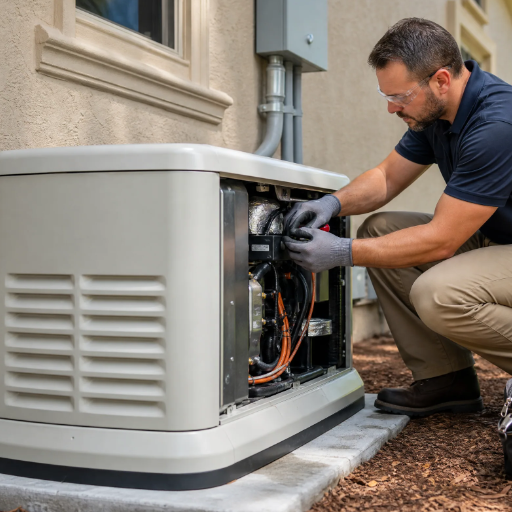
For homeowners in the Railbelt or Southeast Alaska, a permanently installed standby generator provides the most reliable defense against "freeze-off" related grid failures. These units are typically powered by natural gas or large-capacity liquid propane tanks. In Alaska, these systems must be equipped with extreme cold-weather kits, including battery warmers and oil heaters, to ensure the engine cranks instantly when temperatures drop below -30°F. By automatically restoring power to furnace blowers and heat tape, a standby unit prevents the catastrophic pipe bursts and structural freezing that often follow a winter utility interruption.
Portable generators offer a flexible "bridge" for residents in remote boroughs or those needing a budget-conscious backup. We recommend dual-fuel or tri-fuel models that can run on gasoline or propane. Propane is particularly advantageous in Alaska because it does not degrade or "gum up" during long periods of storage between winter storms. When using these units in the arctic, it is critical to use synthetic 0W-30 oil to maintain fluidity. While they require manual setup, a high-wattage portable can keep essential circulation pumps and satellite communications active during the high-velocity wind events common in the Matanuska Valley.
For Alaska’s industrial sectors—including fisheries, mining, and telecommunications—diesel generators are the standard for high-torque, mission-critical reliability. Diesel fuel's high energy density and ease of bulk storage make it ideal for isolated microgrids where natural gas is unavailable. Our recommended commercial units feature EPA Tier 4 Final engines and integrated sub-base fuel tanks. These systems are engineered to handle the massive inrush current required for industrial refrigeration and heavy machinery. In a state where a single mechanical failure can leave a facility stranded for weeks, these ruggedized diesel units provide the ultimate baseline for energy independence.
Our engineering team specializes in arctic-grade power systems designed to start every time, no matter how low the mercury drops. Contact us today for a comprehensive site assessment and a professional quote on a backup power solution built for the Last Frontier.
Maintain Inventiveness by Following The Blog for the Latest Best Practices, Techniques, Innovations, and Insights in the Field.
A single-phase generator produces one alternating current (AC) waveform and suits homes and light...
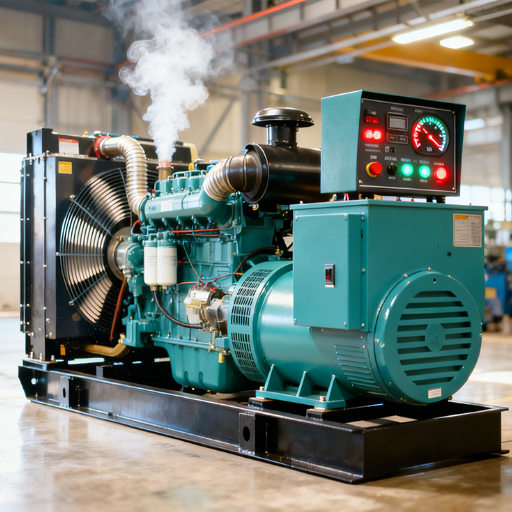
Generator room ventilation requirements exist to keep a generator set safe, reliable, and ready to...
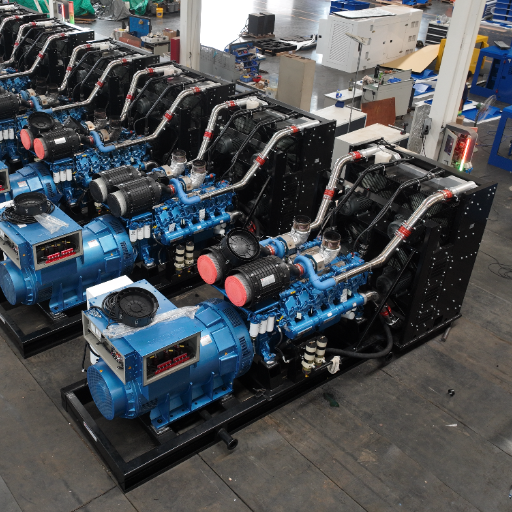
When a motor starts, a diesel generator’s voltage drops 15-30% for a few seconds,...
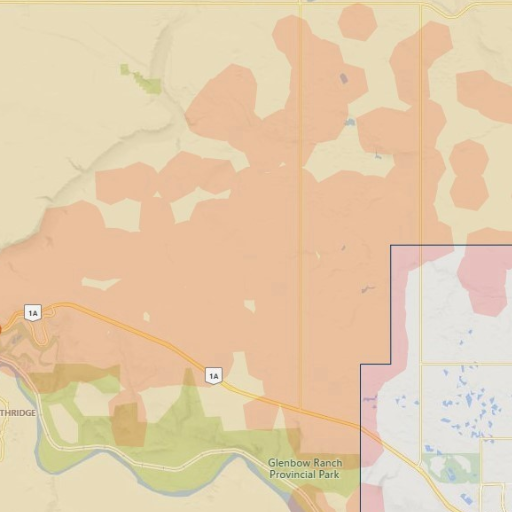
Cochrane and parts of Rocky have recently experienced a severe power outage, which has...
Power outages in Alaska are driven by extreme environmental stressors that differ significantly from the Lower 48. In the Railbelt and coastal regions, “wet” snow loads and high-velocity “Knik” winds are the most common culprits, causing trees to snap and lines to “gallop” until they fail. In the Interior, extreme cold snaps reaching -50°F can cause “freeze-offs” at natural gas production sites, reducing fuel for power plants. Furthermore, Alaska’s proximity to the magnetic pole makes its fragmented electric grid uniquely susceptible to geomagnetic storms (solar flares), which can saturate transformers and trigger sudden, widespread blackouts across isolated microgrids.
The duration of an outage in Alaska depends heavily on your location and the time of year. In urban centers like Anchorage or Fairbanks, most outages are resolved within 2 to 6 hours. However, in rural boroughs or during major winter storms, restoration can take days or even weeks. Challenges such as “ice fog,” drifted-over access roads, and the need to fly specialized technicians and parts into isolated “power islands” significantly extend recovery times. Because Alaska is not connected to a larger continental grid, utilities cannot “import” power, meaning repairs must be completed locally before service can resume.
In Alaska, preparation is a matter of life safety. Your primary goal should be maintaining heat to prevent “freeze-up” damage to your plumbing. Ensure you have a non-electric heat source or a backup power system capable of running your boiler or furnace blower. Beyond heat, maintain a two-week supply of non-perishable food and water, as supply chains are easily disrupted by weather. Keep “Arctic-grade” flashlights and extra batteries in an insulated area, and ensure your vehicle’s fuel tank is at least half full to prevent fuel line freeze-ups if you need to relocate to a local emergency shelter.
Given the potential for catastrophic property damage from frozen pipes, a standby generator is one of the most cost-effective investments an Alaskan homeowner can make. A professional installation can prevent tens of thousands of dollars in water damage repairs following a winter outage. Furthermore, in the Alaska real estate market, a home equipped with an “Arctic-grade” standby system is highly sought after, often commanding a premium price and faster closing times. For businesses, the ROI is even clearer: preventing a single day of lost production or the loss of temperature-sensitive inventory often covers the entire cost of the system.
Installing a generator in Alaska requires specialized hardware and expertise. All units must be equipped with “Cold Weather Kits,” which include oil heaters, battery blankets, and synthetic low-viscosity lubricants. In areas with heavy snowfall, units must be mounted on elevated pads (18–24 inches) to prevent intake burial. Electrically, a professional transfer switch is mandatory to prevent “backfeeding” into isolated microgrids, which is both illegal and deadly for utility workers. Finally, for coastal properties, NEMA 4X enclosures are required to withstand salt-air corrosion, while interior units need motorized louvers to block fine “sugar snow” from infiltrating the alternator.