
A diesel generator with an inverter pairs a diesel engine with inverter electronics to produce clean, stable power. Unlike a conventional generator that runs at a fixed speed, an inverter model adjusts engine speed to match the load. The result is lower fuel consumption, quieter operation, and a pure sine wave output safe for laptops, medical devices, and AV equipment. If you need reliable portable or backup power, this guide explains how the technology works, what to look for, and how much you should expect to pay.
If you want a quote for a diesel inverter generator built for your application, contact Huali’s engineering team today.
What Is a Diesel Generator with an Inverter?
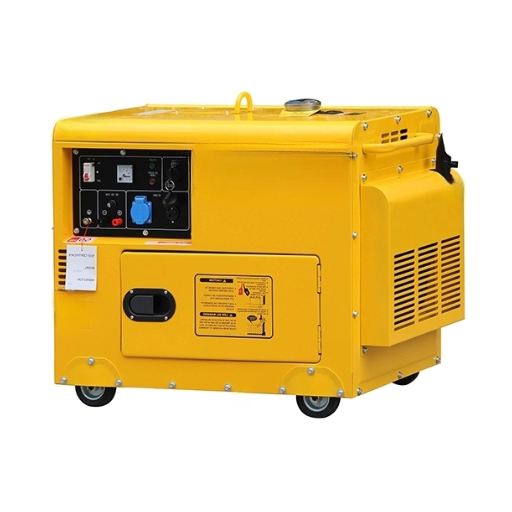
A diesel generator with an inverter is a compact power system that converts mechanical energy from a diesel engine into high-quality electrical power. The generator produces raw alternating current (AC), the inverter rectifies it to direct current (DC), and then inverts it back to clean AC with stable voltage and frequency.
This three-stage process keeps total harmonic distortion (THD) below 3%. That matters because sensitive electronics, such as computers, smartphones, and medical monitors, can malfunction or degrade when fed the dirty power of a conventional generator.
Key components include:
- Diesel engine: Provides the fuel efficiency and durability diesel is known for.
- Alternator: Generates raw AC power.
- Inverter module: Cleans and stabilizes the output.
- Control panel: Displays voltage, frequency, run hours, and fault codes.
- Fuel tank and exhaust: Determine runtime and emissions compliance.
Diesel Inverter Generator vs Standard Generator
Not every generator needs inverter technology. Use this comparison to decide if a diesel inverter generator is worth the extra cost for your use case.
| Feature | Diesel Inverter Generator | Standard Diesel Generator |
|---|---|---|
| Output waveform | Pure sine wave, THD <3% | Variable waveform, THD 5–25% |
| Engine speed | Adjusts to load | Fixed at rated speed |
| Noise level | 50–65 dB(A) at 7 m | 65–80 dB(A) at 7 m |
| Fuel efficiency | 25–40% better under variable load | Best only at full load |
| Weight | 40–120 kg (portable models) | 150 kg+ (stationary/open sets) |
| Best for | Sensitive electronics, RVs, camping, home backup | Heavy machinery, construction, industrial loads |
| Typical price | 800–800–5,000+ | 1,500–1,500–15,000+ |
A standard generator is still the right choice for large motors and heavy equipment. A diesel inverter generator wins when clean power, low noise, and portability matter.
Portable Diesel Inverter Generator Specifications
Specifications vary by capacity, but the table below shows typical ranges for portable diesel inverter generators.
| Specification | Typical Range |
|---|---|
| Rated power | 2 kW – 10 kW |
| Surge/peak power | 2.2 kW – 11 kW |
| Voltage | 110V/120V, 220V/240V, or 230V |
| Frequency | 50 Hz or 60 Hz |
| THD | <3% |
| Noise level | 50–65 dB(A) at 7 m |
| Fuel tank | 5–20 liters |
| Runtime | 8–20 hours at 25–75% load |
| Weight | 40–120 kg |
| Outlets | 120V AC, 240V AC, USB, DC charging |
| Starting | Recoil or electric |
| Emissions | EPA, CARB, or Euro Stage V depending on market |
If low noise is a priority, our silent diesel generator guide explains how sound-attenuated canopies and inverter electronics reduce dB levels.
What Can a Diesel Inverter Generator Power?
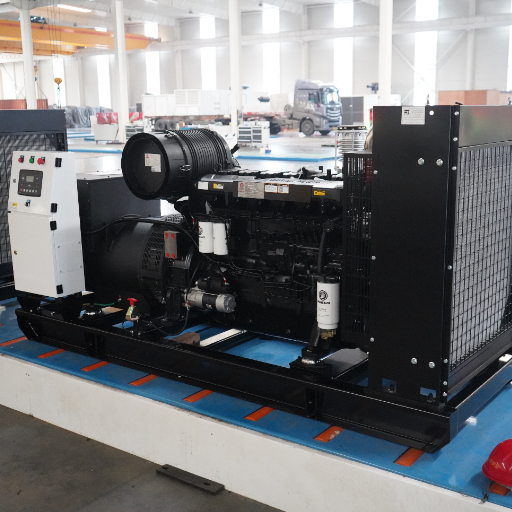
Use the starting and running wattage of your appliances to size the unit. The generator must cover the highest surge demand plus the combined running load.
| Load | Running Watts | Starting/Surge Watts |
|---|---|---|
| LED lights (5 bulbs) | 50–100 | 50–100 |
| Laptop and phone chargers | 100–300 | 100–300 |
| Refrigerator | 100–200 | 600–800 |
| Microwave oven | 700–1,200 | 700–1,200 |
| Portable air conditioner | 800–1,500 | 1,500–2,500 |
| Coffee maker | 600–1,200 | 600–1,200 |
| Power tools (circular saw) | 1,000–1,500 | 2,000–3,000 |
| RV air conditioner | 1,000–2,000 | 2,000–3,500 |
| Medical equipment (CPAP/O2 concentrator) | 100–600 | 100–600 |
Add the running watts of everything you want to run at the same time. Then add the single largest surge wattage. That total is your minimum generator capacity. Most buyers choose a unit 20% larger than the calculated load to leave headroom.
Common Applications
A portable diesel inverter generator works well wherever clean, quiet, and efficient power is needed.
- RV and marine use: Pure sine wave power protects onboard electronics and battery chargers. A portable generator for RV or marine use should also be compact and corrosion-resistant.
- Camping and outdoor events: A quiet generator with low noise and a compact size makes it easier to power lights, speakers, and small appliances without disturbing the site.
- Home backup: A backup generator keeps refrigerators, lights, routers, and medical devices running during an outage.
- Job sites and remote work: Powers hand tools, testing equipment, and communication gear without the bulk of a large generator set.
- Telecom and mobile clinics: Stable output supports sensitive instruments in off-grid or emergency settings.
For installation and exhaust planning, read our generator exhaust system guide and generator room ventilation requirements guide.
Fuel Types: Diesel vs Gasoline vs Solar
| Factor | Diesel | Gasoline | Solar |
|---|---|---|---|
| Fuel efficiency | High | Moderate | Free sunlight |
| Runtime | Longer per tank | Shorter per tank | Daylight dependent |
| Storage safety | Safer, less volatile | More flammable | N/A |
| Maintenance | Moderate | Higher | Low |
| Noise | Lower with inverter | Higher | Silent |
| Initial cost | Higher | Lower | Highest |
| Best use | Frequent, long runtime | Short, occasional use | Sunny, low-demand sites |
Diesel stores more energy per liter and is less volatile than gasoline. When paired with an inverter, it becomes one of the most efficient portable power options for long runtimes and variable loads. For a closer look at consumption numbers, see our diesel generator fuel consumption guide.
How Much Does a Diesel Inverter Generator Cost?
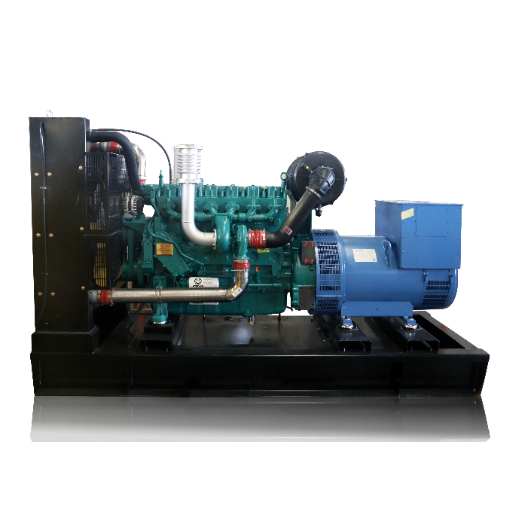
Price depends on rated power, brand, features, and emissions certification.
| Capacity | Typical Price Range | Best For |
|---|---|---|
| 2–3 kW | 800–800–1,800 | Camping, tailgating, small RV |
| 3–5 kW | 1,500–1,500–3,000 | RVs, home essentials, small job sites |
| 5–7 kW | 2,500–2,500–4,500 | Larger RVs, home backup, events |
| 7–10 kW | 4,000–4,000–7,000+ | Marine, mobile clinics, off-grid cabins |
Expect to pay more for electric start, parallel capability, remote monitoring, and CARB or EPA certification. For ongoing cost planning, see our guide on generator maintenance cost per year.
Key Buying Considerations
Use this checklist to choose the right diesel inverter generator for your needs.
- Power requirements: Add running watts and the largest surge wattage. Size 20% above the total. Check the generator’s surge capacity on the spec sheet.
- Portability: Check weight, handles, wheels, and dimensions. Units under 70 kg are easier to move.
- Noise limits: Look for 50–65 dB(A) if you will use it near living or camping areas.
- Fuel efficiency: Compare rated consumption at 25%, 50%, and 75% load. A fuel efficient generator will cost less to run over time.
- Runtime: Match the fuel tank to how long you need power between refills.
- Outlets: Ensure the panel has the right voltage, USB, and DC ports for your devices.
- Compliance: Verify EPA, CARB, or local emissions rules if required. A CARB-compliant generator is required for California use.
- Warranty and support: Choose a supplier with accessible parts and service.
If you are unsure which configuration fits your load, contact Huali’s engineering team for a free sizing review.
Huali Diesel Inverter Generator Options
Shandong Huali Electromechanical builds diesel power solutions for industrial, commercial, and portable applications. Our diesel inverter generator options combine efficient diesel engines with pure sine wave inverter technology to deliver stable, quiet power for RVs, marine use, backup systems, and remote sites.
We can customize voltage, frequency, outlets, and enclosure type based on your market and application. Whether you need a single portable unit or a fleet of generators for distribution, our team can match the right engine, alternator, and inverter package to your specifications.
Maintenance Checklist
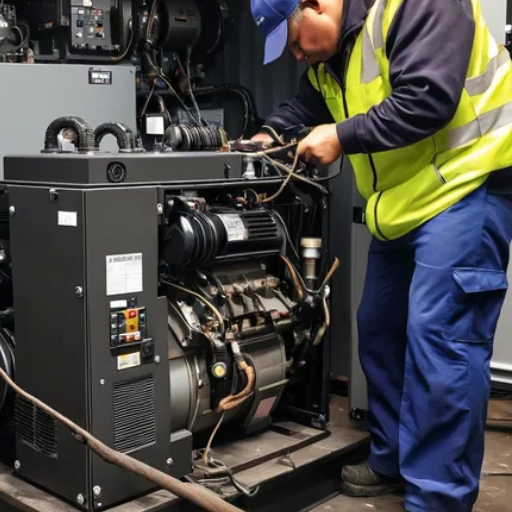
Regular service keeps a diesel inverter generator reliable and extends its life. Follow our complete diesel generator maintenance guide for detailed schedules and procedures.
- Every use: Check oil and coolant levels, inspect fuel lines, and confirm clean air intake.
- Monthly: Run the unit under load for 15–20 minutes and inspect the battery if equipped.
- Every 100–250 hours: Change engine oil and oil filter; replace air and fuel filters as needed.
- Annually: Test inverter output quality, inspect connections, and service the exhaust system.
- Storage: Run the tank dry or add stabilizer, disconnect the battery, and store in a dry location.
For more detail, see our diesel generator troubleshooting and generator room ventilation requirements guide.
Frequently Asked Questions
What is a diesel generator with an inverter?
A diesel generator with an inverter uses a diesel engine to produce raw AC power, then converts it to DC and back to clean AC. The result is stable, low-THD electricity safe for sensitive electronics.
Is a diesel inverter generator quieter than a standard generator?
Yes. Because the engine speed adjusts to the load, a diesel inverter generator typically runs at 50–65 dB(A) at 7 meters, compared with 65–80 dB(A) for a conventional generator running at full speed.
Can I power a refrigerator or RV air conditioner with a diesel inverter generator?
Yes, if the unit has enough surge capacity. Refrigerators and RV air conditioners need 2–3 times their running wattage to start, so size the generator accordingly.
Are diesel inverter generators fuel efficient?
Yes. Under variable loads they can be 25–40% more fuel efficient than fixed-speed generators, especially when running light or intermittent loads.
What does CARB compliant mean?
CARB stands for the California Air Resources Board. A CARB-compliant generator meets stricter emissions standards and can be sold or used in California.
How long will a diesel inverter generator run on one tank?
Runtime depends on tank size and load. Most portable models run 8–20 hours at 25–75% load.
Final Thoughts
A diesel generator with an inverter is a strong choice when you need clean, quiet, and efficient portable power. It costs more upfront than a conventional generator, but the savings in fuel, noise, and equipment protection often make it the better long-term investment for RVs, marine use, home backup, and remote job sites.
Before you buy, calculate your total load, check surge requirements, and choose a model that fits your noise and runtime needs. For a custom recommendation or a quote on a Huali diesel generator with inverter options, contact our team today.
