
A construction contractor in downtown Dubai recently faced a $50,000 fine. His open-frame diesel generator violated the site’s 65 dB noise ordinance. A silent diesel generator would have cost 20% more upfront. The fine cost more than the unit itself.
Noise compliance is not a soft requirement. In hospitals, hotels, data centers, and urban construction sites, it is often the deciding factor in generator selection. A quality acoustic canopy can cut noise by 20–35 dB compared to an open-frame set. That difference determines whether a project passes inspection or gets shut down.
This guide explains how silent diesel generators work, what decibel ratings mean, and how to match the right canopy class to each application. For related design topics, see our generator room ventilation requirements guide and generator exhaust system guide. If you need a quote for a silent or super silent set, contact Huali’s engineering team.
Key Takeaways
- A silent diesel generator uses an acoustically treated steel canopy to reduce noise to 60–75 dB(A) at 7 meters.
- Super silent generators achieve 50–65 dB(A), comparable to normal conversation.
- Always verify dB ratings at 7 meters under rated load; 1-meter ratings can be 10–20 dB higher.
- Key noise-control elements are the canopy liner, exhaust silencer, anti-vibration mounts, and baffled airflow.
- Match the noise class to the application: standard silent for construction, super silent for hospitals and hotels.
- The canopy premium often pays for itself by eliminating the need for a dedicated generator room.
What Is a Silent Diesel Generator?
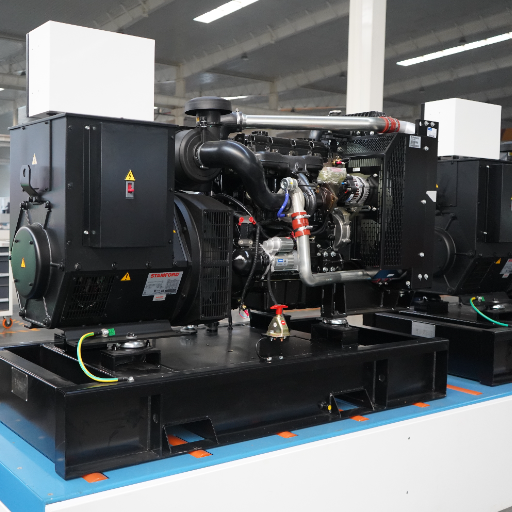
A silent diesel generator is a diesel generator set installed inside an acoustically treated steel canopy. The engine, alternator, radiator, and control panel all sit within the enclosure. High-density acoustic foam or mineral wool lines the interior walls. Air enters and exits through labyrinth baffles that block sound while allowing cooling airflow.
The result is a dramatic noise reduction. An open-frame diesel generator typically produces 95–110 dB(A). A standard silent unit operating at 7 meters produces 60–75 dB(A). A super silent generator can reach 50–65 dB(A), roughly the level of normal conversation.
The canopy also provides weather protection and security. For outdoor installations, this can eliminate the need for a separate generator building. That is why silent canopies are common on construction sites, telecom towers, and remote commercial projects.
Understanding the Decibel Scale
Decibels are logarithmic, not linear. A 10 dB increase sounds roughly twice as loud to the human ear. A 20 dB increase sounds four times as loud. This is why a small numerical change in dB represents a large perceived difference.
| Generator Type | Noise Level at 7 m | Perceived Loudness |
|---|---|---|
| Open frame | 95–110 dB(A) | Jackhammer or rock concert |
| Standard silent | 60–75 dB(A) | Vacuum cleaner or busy traffic |
| Super silent | 50–65 dB(A) | Normal conversation or quiet office |
| Ultra silent | <50 dB(A) | Barely audible background hum |
The open-frame unit at 105 dB(A) is not twice as loud as the super silent unit at 55 dB(A). Because the decibel scale is logarithmic, it is roughly 32 times more intense. That is the engineering reason canopy design matters so much.
Measurement Standards Matter
Always ask how the dB rating was measured. The most important variables are:
- Distance: Ratings at 1 meter are typically 10–20 dB higher than ratings at 7 meters.
- Load: Noise at full load is higher than at no-load or 50% load.
- Standard: ISO 8528-10 defines sound measurement methods for generator sets. Factory test pads are usually free-field environments.
- Site conditions: Near walls, concrete, or enclosed courtyards, real-site noise can be 3–8 dB higher than factory ratings.
For accurate comparison, insist on generator noise level data at 7 meters under rated load and ask whether the test followed ISO 8528-10.
How Silent Diesel Generators Work: The Engineering
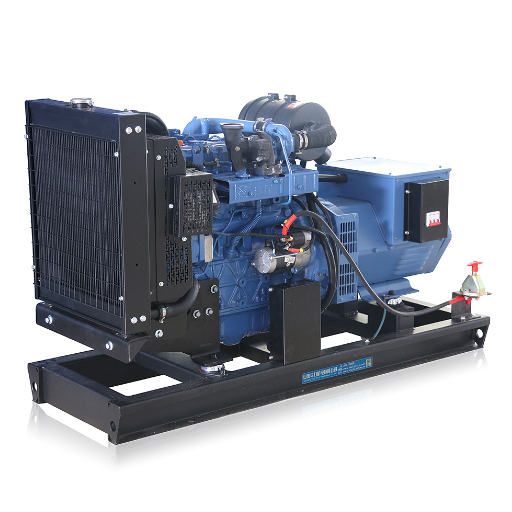
Noise reduction comes from four integrated systems: enclosure design, exhaust treatment, vibration isolation, and thermal management.
Soundproof Canopy Construction
The outer shell of a silent generator canopy is usually 1.5–2.0 mm cold-rolled steel with a powder-coated finish. The interior walls are lined with high-density acoustic foam or mineral wool, typically 50–100 mm thick. The liner absorbs sound energy instead of reflecting it back into the environment.
Airflow is the hardest challenge. The engine needs large volumes of cooling air, but open vents are sound escape routes. Engineers solve this with labyrinth baffles that force air to change direction multiple times. Each turn absorbs high-frequency noise before it exits the canopy.
Exhaust Silencers
Exhaust noise is the dominant sound source in most diesel generators. Standard industrial mufflers provide basic attenuation. Hospital-grade or critical silencers use multiple chambers and perforated tubes to interrupt pressure waves. Super silent units also wrap exhaust pipes in thermal insulation and an outer acoustic jacket.
Anti-Vibration Mounts
Even a quiet engine can transmit noise through the floor. Rubber or spring isolators between the generator skid and the base frame reduce structure-borne noise. This is especially important in buildings where vibrations can travel through steel and concrete to disturb occupants or sensitive equipment.
Cooling and Airflow Design
A fully sealed canopy would be the quietest, but it would overheat. Manufacturers use computer airflow simulations to balance soundproofing with cooling. Properly dimensioned radiator fans, intake louvers, and discharge ducts maintain engine temperature while minimizing noise.
Canopies are also rated by IP code. IP23 protects against solid objects and water spray. IP44 or IP54 adds dust protection for construction sites and desert environments.
Silent vs. Open Diesel Generator: A Practical Comparison
| Factor | Open Frame | Silent / Super Silent |
|---|---|---|
| Noise at 7 m | 95–110 dB(A) | 50–75 dB(A) |
| Upfront cost | Lower | 15–30% higher |
| Installation | Needs room or remote location | Can install near buildings |
| Weather protection | Minimal | Built-in steel canopy |
| Maintenance access | Excellent | Good with removable panels |
| Portability | Often lighter | Heavier due to canopy |
| Regulatory compliance | Difficult in urban areas | Easier in noise-sensitive zones |
When Open-Frame Makes Sense
Open-frame sets work best when the generator sits in a dedicated plant room with proper ventilation and acoustic treatment. They are common in remote mining operations, offshore platforms, and rural agricultural sites where noise ordinances are less strict.
When Silent Is the Smarter Choice
A silent diesel generator is the better investment when:
- The site has noise ordinances or nearby residents.
- The unit will sit near hospitals, hotels, schools, or offices.
- There is no budget or space for a separate generator room.
- The project needs rapid deployment without civil works.
- Regulatory fines or neighbor complaints could disrupt operations.
The canopy premium often pays for itself. Building an acoustic generator room can cost 50,000to50,000to300,000 and add weeks or months to a project. A silent unit arrives ready to install.
Matching Silent Diesel Generators to Applications
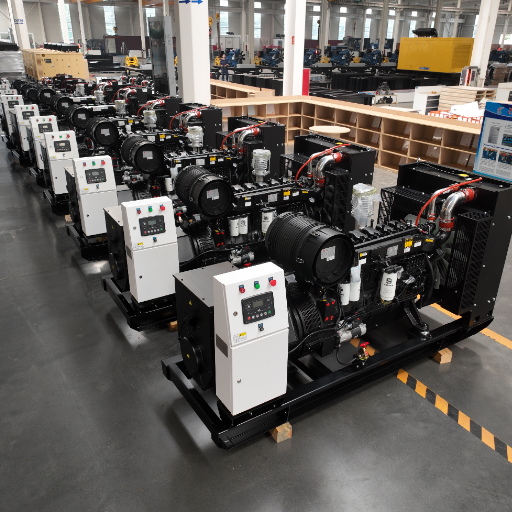
Not every application needs the same noise class. Match the generator noise level to the use case.
Hospitals and Healthcare
Hospitals need quiet environments for patient recovery and sensitive medical equipment. Standby generators for healthcare should typically operate at 60 dB(A) or lower at 7 meters. Many urban projects target 55 dB(A) or less at the property boundary, especially for nighttime operation.
In hospitals and clinics, a super silent generator is the standard choice. They include hospital-grade exhaust silencers, anti-vibration pads, and extra acoustic treatment. Hospital emergency power systems must also comply with NFPA 110 for start time, fuel supply, and testing.
Urban Construction and Infrastructure
City contractors need reliable temporary power without violating local noise ordinances. A standard silent diesel generator at 65–75 dB(A) is usually enough for sites with buffer zones. Super silent equipment is needed next to schools, residences, or hospitals.
Trailer-mounted silent units are popular because they combine mobility with acoustic compliance. After one project ends, the unit moves to the next.
Data Centers and Critical Facilities
Data centers require standby power that is both reliable and unobtrusive. Many facilities sit in business parks or near residential areas. Silent or super silent configurations prevent complaints during routine monthly or quarterly testing.
Hotels and Residential Complexes
Guest comfort is a priority in hospitality. A loud generator during an outage leads to negative reviews and brand damage. Hotels usually specify super silent units on rooftops or in basements with additional sound attenuation.
How to Choose a Silent Diesel Generator: 6 Criteria
Use these six criteria to evaluate options and avoid costly mistakes.
1. Verify the dB Rating at 7 Meters
Always ask for noise data measured at 7 meters under rated load. Ratings at 1 meter can look 10–20 dB worse and do not reflect real-world perception. If a manufacturer only provides 1-meter data, request a conversion or an ISO 8528-10 test report.
2. Match Power Rating to Load Plus Safety Margin
Oversizing leads to poor fuel efficiency and wet stacking. Undersizing causes overload trips and premature wear. Size the generator at 70–80% of rated capacity under normal operating conditions. For critical applications, add 20% headroom above calculated peak load.
The 46–100 kVA segment accounts for roughly 30.7% of the silent generator market in 2026, reflecting strong demand from small-to-medium commercial buyers.
3. Check the IP Rating for Outdoor Installation
If the unit sits outdoors, ensure the diesel generator canopy has an appropriate IP rating. IP23 is standard for temperate climates. IP44 or IP54 is better for dusty, sandy, or industrial environments.
4. Inspect Canopy Build Quality and Insulation Thickness
Not all canopies are equal. Thin steel and low-density foam provide minimal attenuation. Look for:
- Steel panel thickness of at least 1.5–2.0 mm
- Acoustic insulation density of 80–100 kg/m³
- Properly sealed doors and removable panels
- Galvanized or powder-coated finishes for corrosion resistance
5. Confirm Emissions Compliance
Depending on the region, emissions compliance may be as important as noise compliance. Verify that the engine meets EPA Tier 4 Final, EU Stage V, or local equivalents. Aftertreatment systems like selective catalytic reduction (SCR) or diesel particulate filters (DPF) add components and maintenance requirements.
6. Calculate Total Cost of Ownership
TCO includes purchase price, fuel consumption, maintenance intervals, and installation costs. A silent unit with a higher upfront price but lower installation cost can be cheaper over a 5-year lifecycle than an open-frame set requiring a dedicated building.
Custom Canopy Manufacturing and Factory Testing
Off-the-shelf silent generators work for many applications, but EPC contractors and facilities managers often need more flexibility. Custom canopy manufacturing lets you match the enclosure to the project.
A custom manufacturer can adjust canopy dimensions to fit tight plant rooms, match corporate colors, or integrate special features. Common customizations include larger base fuel tanks, double-walled spill containment, low-profile heights, and specific cable-entry arrangements.
Modern silent canopies can also be pre-fitted with automatic transfer switches (ATS), remote monitoring modules, and parallel operation cabinets. Factory integration means all components are tested together under load before shipment.
Shandong Huali produces silent and super silent generator sets from 8 kVA to 4,000 kVA. Our canopies use high-density acoustic insulation, labyrinthine air baffles, and corrosion-resistant steel. We offer OEM/ODM customization for dimensions, colors, noise targets, and control systems. Every unit is load-tested in our national-standard testing center before delivery.
2026 Market Context
The global silent diesel generator market is growing as urban noise regulations tighten and data center demand rises. Key trends in 2026 include:
- Data centers: Fastest-growing end-user segment, driven by hyperscale and AI workloads.
- Telecom/5G: Expansion of cell towers and edge facilities in populated areas.
- Healthcare: Regulation-driven demand for compliant backup power.
- Construction: Urban projects in Asia Pacific, the Middle East, and Africa fuel demand.
- Power segments: The 46–100 kVA and 100–250 kVA ranges hold the largest market shares.
Premium ultra-silent models are increasingly requested for projects with strict nighttime noise limits.
Maintenance Best Practices
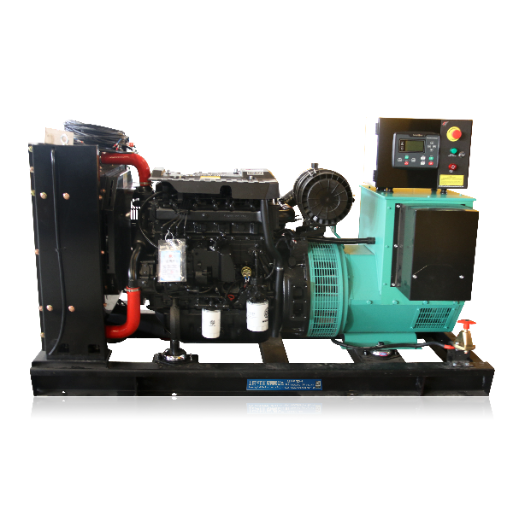
A silent canopy adds protection, but it also means the engine is less exposed. Follow these maintenance practices:
- Inspect intake and exhaust louvers monthly for debris.
- Check door seals and acoustic panels quarterly for damage or corrosion.
- Verify cooling airflow and radiator cleanliness at every service.
- Inspect anti-vibration mounts for wear or compression set.
- Service the exhaust silencer and DPF according to the manufacturer schedule.
For a complete maintenance framework, use our diesel generator maintenance checklist and diesel generator maintenance schedule.
Frequently Asked Questions
What is a silent diesel generator?
A silent diesel generator is a diesel generator set housed in an acoustically treated steel canopy. The canopy reduces noise through sound-absorbing liners, labyrinth air baffles, exhaust silencers, and vibration isolation.
How loud is a silent diesel generator?
A standard silent diesel generator produces 60–75 dB(A) at 7 meters. A super silent unit produces 50–65 dB(A), and ultra-silent models can fall below 50 dB(A). Always verify the measurement distance and load condition.
What is the difference between silent and super silent generators?
Standard silent generators reduce noise to 60–75 dB(A) and suit general commercial and construction use. Super silent generators achieve 50–65 dB(A) and are needed for hospitals, hotels, residential areas, and strict noise ordinances.
How are generator noise levels measured?
Generator noise levels are usually measured in dB(A) at a standardized distance, typically 7 meters, under rated load. ISO 8528-10 defines measurement methods for generator sets. Ratings at 1 meter are not directly comparable to ratings at 7 meters.
What makes a diesel generator canopy effective?
An effective canopy uses thick steel panels, high-density acoustic insulation, sealed doors, labyrinth air baffles, and a high-quality exhaust silencer. Anti-vibration mounts reduce structure-borne noise.
Can a silent generator be installed outdoors?
Yes. Most silent generators are designed for outdoor installation with weatherproof canopies. Verify the IP rating for the site conditions: IP23 for temperate climates, IP44 or IP54 for dusty or desert environments.
Is a silent diesel generator worth the extra cost?
Yes, when noise compliance matters. The canopy premium is often offset by avoiding the cost of a dedicated generator room, acoustic louvers, fire-rated construction, and extended project timelines. It also reduces regulatory risk.
What is the quietest diesel generator available?
Premium ultra-silent diesel generators can operate below 50 dB(A) at 7 meters. These units use low-speed engines, oversized radiators, advanced silencers, and multi-layer acoustic enclosures.
Silent Diesel Generator Selection Checklist
Use this checklist when specifying a unit:
- Confirm site noise limit and measurement distance.
- Select noise class: standard silent, super silent, or ultra silent.
- Size the generator at 70–80% of rated load under normal conditions.
- Verify dB rating at 7 meters under rated load per ISO 8528-10.
- Check IP rating for outdoor or dusty environments.
- Inspect canopy panel thickness and insulation density.
- Confirm engine emissions compliance for the region.
- Specify exhaust silencer grade for the noise target.
- Include anti-vibration mounts for structure-borne noise control.
- Request factory load-test report before delivery.
- Calculate total cost of ownership including installation and civil works.
Conclusion
A silent diesel generator is not just about comfort. It is about compliance, total cost of ownership, and operational flexibility. In noise-sensitive environments, the right canopy can save more money than it costs by eliminating generator rooms, reducing regulatory risk, and keeping projects on schedule.
The key decisions are simple: verify the dB rating at 7 meters, match the noise class to the application, and calculate the full installed cost. Get those right, and noise becomes a competitive advantage instead of a project risk.
Shandong Huali manufactures silent and super silent diesel generators from 8 kVA to 4,000 kVA. We offer standard canopies, custom OEM/ODM enclosures, and factory load testing for every unit. Contact our engineering team for a silent generator proposal tailored to your noise target and site conditions.
