
Generator battery maintenance comes down to four habits: keep the battery on a working...
Maintaining situational awareness during grid instability is critical for residents and businesses across the Constitution State. This Connecticut power outage map provides a centralized, real-time overview of the electrical landscape, offering live county updates for the service territories of Eversource Energy, United Illuminating (UI), and municipal providers like Norwich Public Utilities and South Norwalk Electric Works (SNEW).
Reliability in Connecticut is uniquely challenged by the state’s dense coastal development and heavily forested inland corridors. As witnessed during the major blizzard events of early 2026, the primary cause of widespread service interruptions remains tree-related damage. Connecticut’s aging “off-right-of-way” timber is highly susceptible to heavy ice accretion and snow-loading, which can snap distribution lines and topple poles in a matter of seconds. Furthermore, the state’s coastal counties, particularly Fairfield and New Haven, face significant risks from high-velocity wind gusts and storm surges that can compromise low-lying substation infrastructure. Beyond weather, the regional electric grid is under increasing pressure from surging demand driven by heating electrification and the rapid expansion of high-load data centers along the Northeast corridor.
For those living in areas with historically long restoration timelines, relying solely on utility repairs is an insufficient strategy for home and business continuity. Investing in a professional backup power solution—whether a permanently installed standby generator or a high-capacity solar battery system—is essential to mitigate the risks of multi-day outages. This page provides the immediate data and technical context you need to track current outages by town and county, helping you make informed decisions about your property’s energy resilience and safety.
Unlike the predictable storms of previous decades, power outages in Connecticut are increasingly caused by multi-hazard weather events.
Traditionally a summer-peaking region due to air conditioning demand, Connecticut is trending toward winter peaks as heating electrification accelerates.
In the Constitution State, backup power systems must be engineered to survive heavy ice accretion, salt-air corrosion along the Long Island Sound, and the sub-zero temperatures of a New England winter. Choosing the right system requires balancing fuel accessibility with the specific architectural and environmental constraints of your property.
In 2026, we recommend models equipped with "Cold Weather Kits"—thermostatically controlled heaters for the battery and oil—to ensure the engine turns over instantly in sub-zero temperatures. These systems provide the seamless transition necessary to keep high-efficiency heat pumps and well pumps operational, preventing the catastrophic pipe bursts common in Litchfield and Hartford counties during deep winter grid failures.
Portable generators offer a versatile solution for managing the sudden "thunder-squalls" and tropical remnants that impact Connecticut's coastal and suburban regions. For this market, we specify dual-fuel models that can run on both gasoline and propane. Propane is particularly advantageous for Connecticut residents because it has an indefinite shelf life, unlike gasoline which can degrade during the humid summer months.
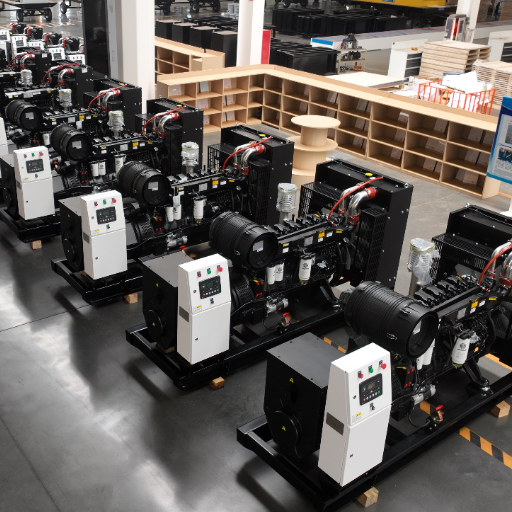
Diesel is the preferred fuel for commercial resilience due to its energy density and the ability to maintain on-site bulk storage. These units are designed to handle the significant "inrush" current needed to start commercial HVAC clusters and medical imaging equipment during a grid collapse. Modern Tier 4 Final diesel engines ensure compliance with Connecticut’s strict emissions standards while providing the stable, clean power necessary to protect sensitive digital infrastructure from voltage fluctuations.
Our team of energy specialists is ready to provide a comprehensive site analysis, ensuring your backup system is perfectly sized for your specific regional risks and local building codes.
Maintain Inventiveness by Following The Blog for the Latest Best Practices, Techniques, Innovations, and Insights in the Field.
Generator battery maintenance comes down to four habits: keep the battery on a working...
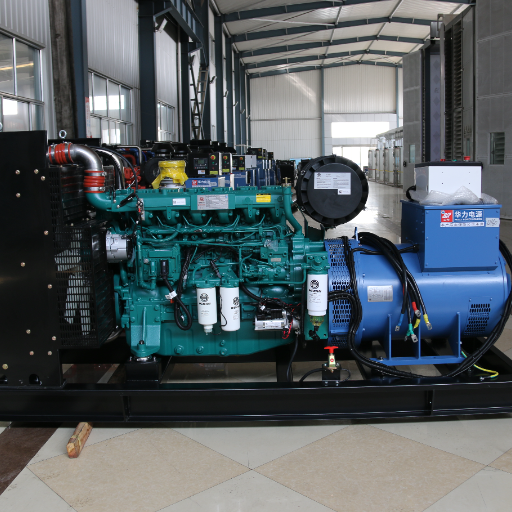
To size a generator for multiple motors, add the total running load (with a...
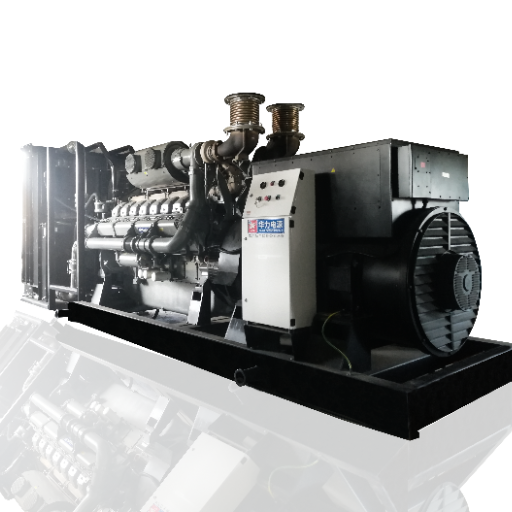
A stationary generator is a generator set permanently installed at a fixed location, hardwired into a...
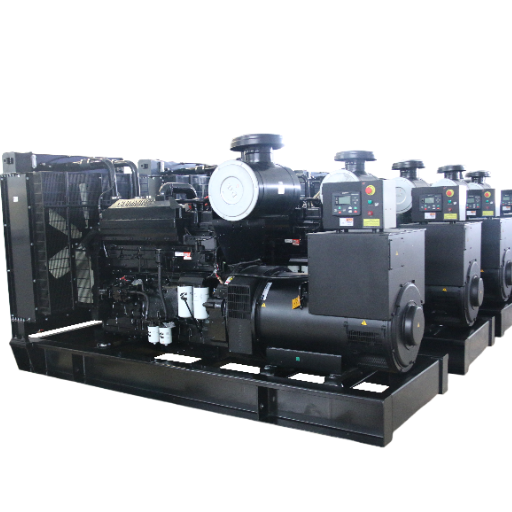
This diesel generator wet stacking calculator works in five numbers: generator rating, actual running...
The primary driver of power outages in Connecticut is the state’s dense, old-growth tree canopy interacting with volatile New England weather. Approximately 90% of storm-related outages in the state are caused by “off-right-of-way” trees—those located on private property outside the utility’s maintenance zone. During winter, heavy ice accretion and wet snow load these branches until they snap onto distribution lines. In the summer and fall, tropical storm remnants and “macroburst” wind events provide the kinetic force necessary to topple aging timber. Additionally, Connecticut’s coastal substations in counties like Fairfield are increasingly vulnerable to salt-water inundation and storm surges, which require manual inspections and cleaning before the electric grid can be safely re-energized.
Restoration timing in Connecticut depends heavily on the “complexity per mile” of the damage. In suburban hubs like Stamford or Hartford, localized equipment failures are often resolved within 3 to 6 hours. However, during major “nor’easters” or ice storms, restoration can extend to 5–7 days. The state’s geography presents unique challenges; narrow, winding roads lined with downed utility poles and heavy timber can prevent repair crews from reaching damage sites until specialized tree-clearing teams secure the area. Furthermore, if a substation is compromised by coastal flooding, the restoration clock only begins once the surge recedes and the equipment is professionally dried and tested, leading to prolonged “safety-related” service gaps.
Effective preparation must account for the state’s rapid “flash-freeze” temperature drops. Your primary goal should be maintaining an interior temperature above $55^\circ\text{F}$ to prevent the catastrophic pipe bursts common in Litchfield and Tolland counties. If you lack a backup power system, ensure you have non-electric heat sources and “heat tape” for vulnerable plumbing. Your emergency kit should include a 72-hour supply of water (one gallon per person per day) and non-perishable food. Given the high probability of cellular tower congestion during major storms, keep a battery-powered NOAA weather radio to receive live county updates and emergency alerts regarding shelter locations and cooling or warming centers.
For most Connecticut residents, a standby generator is a high-yield investment in property preservation. Beyond the immediate comfort of maintaining HVAC and refrigeration, a permanently installed 20–26 kW unit protects your home’s infrastructure. It prevents the expensive water damage associated with frozen pipes and the loss of refrigerated goods, which can exceed several thousand dollars in a single week-long outage. In the 2026 real estate market, “energy resilience” has become a significant selling point; homes equipped with automatic backup systems often see a 3% to 5% increase in valuation. For those in rural areas relying on well pumps for water and sanitation, a generator is often considered a non-negotiable necessity.
Installing a generator in Connecticut requires strict adherence to the National Electrical Code (NEC) and local municipal zoning laws. You must obtain both electrical and plumbing permits (for gas line connection) to ensure the system is safely integrated. A professional installation must include an automatic transfer switch to prevent “backfeeding” into the electric grid, which is a felony-level safety hazard for utility linemen. Because of the state’s high snow-load requirements, the unit must be mounted on a reinforced concrete pad at least 18 inches away from any combustible walls. Furthermore, coastal properties may have additional elevation requirements to ensure the generator remains above the local base flood elevation (BFE) during storm surges.