

We need good energy options more than ever in a world dealing with...
In the Pacific Northwest, maintaining a resilient connection to the electrical grid is a constant challenge shaped by rugged topography and extreme seasonal shifts. This Idaho power outage map serves as a vital real-time resource for residents and businesses across the Gem State, providing live county updates for service areas managed by Idaho Power, Avista, and Rocky Mountain Power, as well as the state’s numerous rural electric cooperatives. From the high-desert plains of the Magic Valley to the dense national forests of the Panhandle, staying informed is the first step toward maintaining safety and operational continuity.
The primary drivers of service interruptions in Idaho are deeply tied to the state’s unique environmental profile. During the winter months, “riming”—the accumulation of frozen mist on power lines—and heavy snow loading are the leading causes of infrastructure failure. These conditions put immense mechanical stress on transmission towers and distribution lines, particularly in mountain passes where access for repair crews is frequently hampered by avalanche risks. Conversely, the summer and autumn months bring the threat of wildfires. In 2026, Public Safety Power Shutoffs (PSPS) have become more common as utilities proactively de-energize lines during high-wind events to prevent catastrophic ignitions in dry timber. Furthermore, Idaho’s rapid population growth has placed unprecedented demand on the electric grid, especially during summer heatwaves when irrigation pumping and residential cooling reach concurrent peaks.
Given these persistent risks, many Idahoans are shifting from a reactive to a proactive energy strategy. Investing in a robust backup power solution—such as a liquid-cooled standby generator or a cold-weather-rated battery storage system—is increasingly essential for those living in remote areas where utility restoration may take days rather than hours. This page provides the transparency and technical data you need to monitor the grid’s status today and plan for tomorrow’s resilience.
In Northern and Central Idaho, winter reliability is threatened by more than just heavy snow.
The most significant shift in Idaho’s energy landscape is the unprecedented demand from the Boise-to-Kuna technology corridor.
In the Gem State, backup power must be engineered to withstand the extreme thermal fluctuations of the high desert and the heavy mechanical loads of mountain winters. Whether you are facing a proactive Public Safety Power Shutoff (PSPS) in the Boise foothills or a week-long “riming” event in the Panhandle, selecting a system with cold-weather hardening and high-altitude calibration is essential for Idaho’s unique energy landscape.
For Idaho homeowners, a permanently installed standby generator is the most reliable defense against the state’s increasingly frequent "Red Flag" utility shutoffs. We specifically recommend cold-weather-rated 22kW to 26kW units equipped with factory-installed extreme weather kits. These kits include battery warmers and oil heaters, which are critical for ensuring the engine cranks instantly when temperatures drop below 0°F in the Wood River Valley or Teton County. Because many rural Idaho properties rely on private wells, a standby system is necessary to maintain water pressure for both daily use and fire mitigation during the dry summer months when the electric grid is most vulnerable to wildfire-related de-energization.
Portable generators offer a flexible, cost-effective solution for managing localized outages caused by summer microbursts and lightning strikes. For the Idaho market, Dual-Fuel Inverter models are the preferred choice. These units can run on gasoline or propane; the latter is ideal for Idaho’s remote regions because propane does not degrade during long storage periods between winter storms. Inverters provide "clean" power with low harmonic distortion, protecting the sensitive electronics and satellite internet systems that many rural Idahoans depend on for communication. While they require manual setup, a 7,000-watt portable unit can sustain critical loads like wood-stove blowers, refrigerators, and well pumps during a "blue-sky" equipment failure.
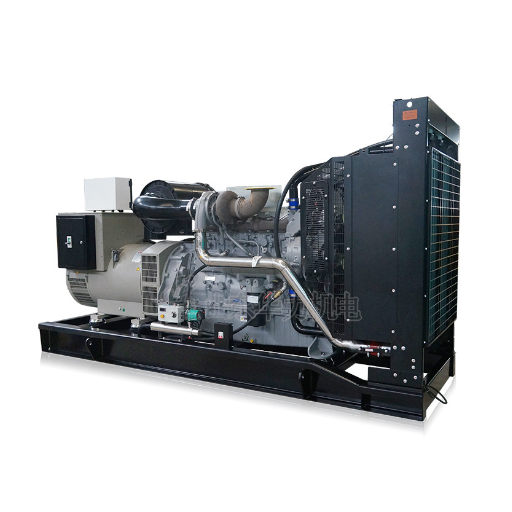
For Idaho’s expanding industrial sector—including the "Silicon Peach" data center clusters in Kuna and the massive cold-storage facilities in the Magic Valley—diesel generators provide the heavy-duty "load acceptance" required for mission-critical continuity. Diesel remains the industry standard for high-torque applications where a sudden loss of grid power could lead to millions in lost agricultural inventory or data corruption. In 2026, these systems are specified with high-altitude turbochargers to compensate for the thinner air in Idaho's elevated regions, ensuring the engine maintains its full kW rating. These units provide the massive on-site fuel autonomy needed when winter avalanches block mountain passes, preventing fuel delivery trucks from reaching the site.
Our team of regional power consultants specializes in the technical requirements of the Intermountain West, from high-altitude engine tuning to extreme-cold starting systems.
Maintain Inventiveness by Following The Blog for the Latest Best Practices, Techniques, Innovations, and Insights in the Field.
We need good energy options more than ever in a world dealing with...
Generator noise regulations typically limit residential areas to 55-65 dBA at the property line,...
A Guaranteed Technical Particulars (GTP) schedule is the annexure in a tender where the...

The lights flicker, the furnace stops, and the outage map on your phone turns...
In the Gem State, power outages in Idaho are primarily driven by the state’s extreme geography and seasonal shifts. During the winter, “riming”—a heavy accumulation of frozen mist—and heavy snow loading put immense mechanical stress on transmission lines, particularly in mountain passes. In the summer and autumn, the risk shifts to wildfires. In 2026, Public Safety Power Shutoffs (PSPS) have become a standard preventative measure, where utilities proactively de-energize the electric grid during high-wind events to prevent ignitions in dry timber. Additionally, the rapid population growth in the Boise-Kuna technology corridor has increased demand pressure, occasionally leading to localized transformer failures during peak summer heatwaves when irrigation and cooling loads converge.
Restoration timelines in Idaho vary significantly based on terrain and cause. Routine outages in municipal areas like Boise or Idaho Falls are often resolved within 2 to 4 hours. However, outages in the Panhandle or Central Idaho mountains can last several days. Winter storms often create “access-delayed” restorations; if a line fails in a remote canyon, utility crews may have to wait for avalanche stabilization or use specialized snowcats to reach the site. During wildfire season, power may remain off until “Red Flag” conditions subside and crews can physically inspect miles of line for debris. Monitoring a live power outage map is the best way to track these complex regional restoration hierarchies.
Preparation for an Idaho blackout must address the extreme cold of winter and the dry heat of summer. For winter readiness, ensure you have a non-electric heat source (like a wood stove) and a 72-hour supply of food and water. If your property relies on an electric well pump, you will lose water immediately; keeping several gallons of “potable” storage is vital. Use a battery-powered NOAA weather radio for live county updates, as cellular towers in rural Idaho can fail during extended outages. To protect your home’s electronics from the massive surges that occur when the grid is re-energized, we highly recommend installing a whole-house surge protector at your main breaker panel.
For most Idahoans, a standby generator is a high-yield investment in both safety and property preservation. In the northern mountains, a generator prevents pipes from freezing during week-long winter outages, potentially saving thousands in water damage. In the high desert, it maintains the HVAC systems necessary to keep homes habitable during 100°F heatwaves. As of 2026, the increasing frequency of proactive PSPS shutoffs means that even residents in “safe” zones may face intentional blackouts. A permanently installed 22kW unit provides the seamless backup power needed for remote workers and those with medical dependencies, ensuring that life continues normally even when the regional grid is compromised.
Installing a generator in Idaho requires strict compliance with the National Electrical Code (NEC) and local municipal building standards. You must obtain electrical and mechanical (for gas lines) permits from your local jurisdiction or the Idaho Division of Occupational and Professional Licenses. A professional installation involves mounting the unit on a reinforced concrete pad—essential for stability during spring runoff—and installing an automatic transfer switch (ATS). The ATS prevents “backfeeding,” a dangerous condition where your generator sends power into the utility lines, risking the lives of linemen. For Idaho’s alpine regions, we recommend specialized cold-weather kits and high-altitude engine tuning to ensure the unit performs reliably in thin, freezing air.