
When choosing generators endpoint output devices, it is important to remember the difference between single-phase and three-phase power sources. These generators have different functions in power application where the requirement in energy uti- lization varies from domestic to industrial applications. An ill fated selection may mean that there is wastage, extra costs or even damage of the equipment. This piece will provide the major operational theory as well as benefits and respective applications of single and three phase generators to help you make the best choice within the constraints of your demand.
Understanding Generators
What is a Generator?
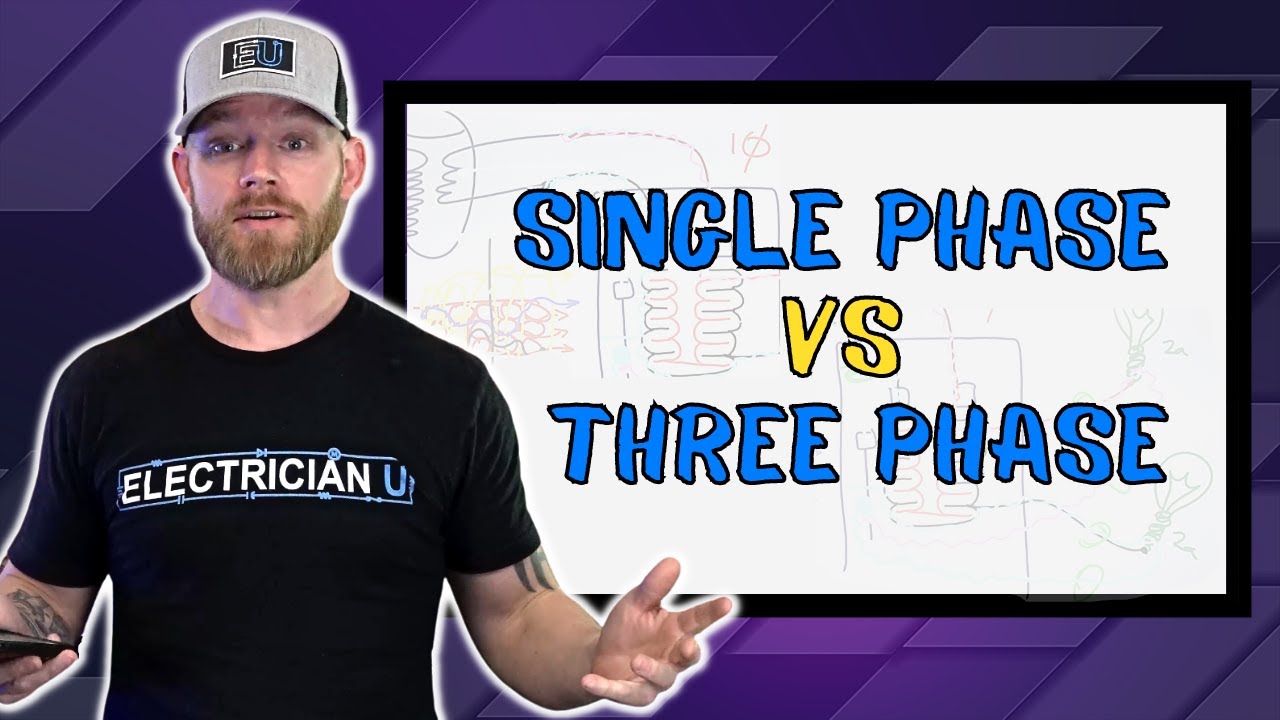
In any mechanical-electrical conversion process, a generation device is a technology that provides electrical power generation during maintenance or blackout. It relies on electromagnetic induction, which relies on the mechanical movement of conductors within a magnetic field, which produces an electric current.
Generators, without argument, have two basic parts: the rotor which is active, and the stator which is the passive. The rotor is the part that moves the magnetic field around with respect to the stator to give rise to an induced electromotive force. This energy conversion needs some kind of energy, which is mechanical in nature, as in an engine, for example, which runs on fuel, or a windmill, or hydraulic energy.
Several types of generators are built and sized to match specific needs. These include machines that are small, handy, or portable for use where limited power is required, to those that are large and industrial to be used in the event of a factory or industrial, or utility scale applications. For this reason, the generation of electricity is very important and its availability is always sought after during backup, in remote areas and in the industrial sector.
Types of Generators
There are various ways of classifying generators, which include the method of operation, construction, functionality, and how it is used. A generator thus has different features that make it ideal for a set of factors of production.
- Portable Generators: These are much smaller and meant for temporary use, which is why they are called portable generators. Typically, they use gasoline or diesel fuel and are best used for small applications such as powering a modest number of tools or appliances during military adventures or contingency power interruptions. Their mobility makes them operational during recreational activities or construction where there is limited supply of electrical power.
- Standby Power Generators: Stationary power generation devices – standby power generators – are installed in fixed locations and are able to automatically provide electric current in the event of a power failure. Usually, these devices use propane and or natural gas as fuel and are attached in the main electrical panel of a building. These systems are particularly useful in individual homes, hospitals and nonresidential buildings where a power outage would either interrupt normal operation or compromise safety.
- Advanced Generators: Advanced generators are full-size machines constructed to generate a massive amount of electricity for a long duration. In most cases, these structures are built to suit a specific purpose such as in manufacturing, construction or power generation sectors. These generators can draw energy from different types of fuels, that is, diesel, natural gas or even biofuels and, as such, are built to last, deliver efficiently and produce large amounts of electricity.
Generators serve very essential functions for fulfilling any form of power generation. The type of generator installed usually depends on the load expected, extent of use as well as the type of fuel in the vicinity, such that it is appropriate for houses, business primises or industries.
Key Differences Between Single-Phase and Three-Phase Generators
Single-phase generators are simpler, cost-effective, and suitable for residential or light commercial use, while three-phase generators are more efficient, powerful, and ideal for industrial and high-demand applications.
|
Aspect |
Single-Phase |
Three-Phase |
|---|---|---|
|
Energy Flow |
Intermittent |
Steady |
|
Performance |
Basic |
Advanced |
|
Usage |
Home |
Industry |
|
Output Voltage |
120/240V |
208/480V |
|
Initial Cost |
Affordable |
Expensive |
|
Upkeep |
Simple |
Challenging |
|
Capacity |
Limited |
Extensive |
|
Longevity |
Moderate |
Robust |
|
Sound Level |
Quiet |
Noisy |
|
Circuitry |
Straightforward |
Sophisticated |
Single-Phase Generators
How Single-Phase Generators Work
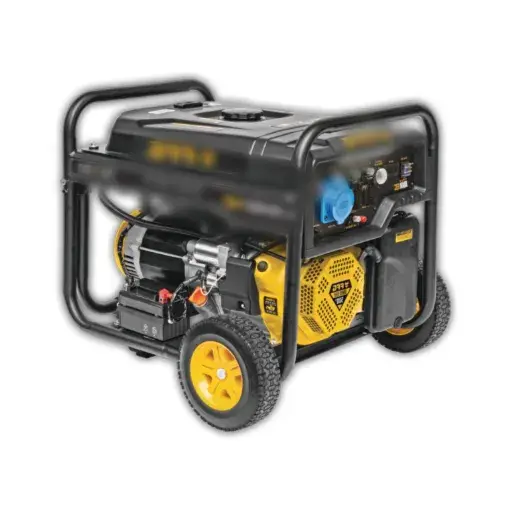
For the production of electricity, single-phase generators make use of a rather simple electromagnetic induction principle. These machines have two main components, a stator which accommodates the armature winding, and a rotor which creates the magnetic field. The rotor, usually put to motion by an engine, rotates and this study next explains the stator winding in which its electromagnetic field (EMF) will be induced. This AC, having undergone one single wave redaction, is produced.
These appliances function by generating alternating current under a singular waveform. This produces a distending and compressing waveform in respective power ratings. The usage of single-phase generators implies that there is a lower power output as compared to 3-phase generators due to the intermittent power generation distribution. Nonetheless, the mechanical effectiveness of such systems is quite high in cases where low power is needed like in homes and small commercial applications. Their structural simplicity improves their maintainability and reduces the cost of their initial purchase hence, appealing to regular customers such as those in low voltage supply areas.
Since different appliances and devices can be used with single-phase generators now, the recent improvement in single-phase generators’ technology has done even more to increase their energy spectrum and lifetime. Furthermore, improvements to noise levels and durability of materials actively support enhancement of user experience and availability of these products to underdeveloped yet economical markets.
Benefits of Single-Phase Generators
- Pecuniary Advantage: In general, one finds that a single-phase motor is less expensive than a three-phase motor. This is as a result of fewer parts/cheaper designs seeking significant cuts on one’s manufacturing and maintenance cost. Therefore, they are more preferable for domestic and small business applications.
- Installation function and usage: Owing to the simple design of the single-phase generator, it is simple to assemble and operate. There is no need for intricate wiring installed, helping even those who have little understanding of the technology to install them.
- Diverse Application: Another point which makes Single- Phase Generators attractive is that they can interact with many devices in the household, small business and entire outdoor activities. These will offered in their range of help as they will and can power up the most necessary appliances such as lights, domestic water heating, cold storage and such kind of activities that require power annually but problem will come when such appliances expand.
- Lightweight and Portable: Single-Phase Generators are known to be more compact and less heavy than three-phase ones, making them highly practical and convenient. Thanks to such a compact structure, these models can easily be moved which is great especially for activities where a certain degree of mobility is required – such as various construction sites and when the unit is used while camping for instance.
- Reduction on Fuel Consumption: Innovations and modern technologies have made single-phase generators more efficient in terms of the energy consumed. Use of the information available shows that certain components, especially the alternator and the voltage regulator, have been improved by slightly over 15% in order to decrease energy loss and increase the usable kilowatts of power and reduce the cost of using electric power.
Drawbacks of Single-Phase Generators
Although single-phase generators can be used for a wide range of functions, they also have some shortcomings that could hinder their use for particular requirements. Outlined below are five main disadvantages to using them, with the assistance of data and in-depth illustrations:
- The Low Power Level: Most times, single-phase generators are meant to handle small power usage, of around not more than 25 kVA in practice. This makes it impossible for these types of machines to effectively satisfy high-level power demand from industrial consumers or other customers. In other words, if a three-phase generator is installed in the building, the highest possible electrical output can be achieved which is up to 500kVA that makes the generator suitable for heavy equipment and other plant operations.
- Variations in Voltage: In comparison to three-phase generators, single-phase generators have more serious voltage stability issues under changing load conditions. Voltage fluctuations are known to interfere with the operation of sensitive electronic devices, and they also contribute to the failure of components. There is evidence that shows that there is about a 30% difference in the short-term stability of the voltages of single-phase systems particularly when there is peak demand.
- Poor Efficiency of Large Scale Systems: It is not as effective to use a single-phase power generation system for adjusting the power supply line due to increased power demand. These systems often need to have more power to satisfy the increasing demands which increases the cost of installation, as well as, maintenance and fuel cost. Statistics show that operating costs are higher for multitiered single-phase than in a simple three-phase configuration by about twenty percent.
- Reduced Longevity Under High Stress: Single phase generators can deal with low level power, but in case high level power is required it becomes a concern for the internal structures of these generators such as the windings, and bearings wear out quickly. Such generator types are recommended after control as they may reduce their time span by 25% due to the extreme conditions probably term working in a sense compared to three phase generators which primarily are designed to accomplish the heavier power load.
- Unsuitability for Industrial Equipment: Most Power Plants Used in Industries and works because they are three phases i.e. more stable and more cost effective. Such machines, however, can require modification or external converters if one is to use a single-phase generator. Retro-fitting of the single phase systems increases the project cost from around 15 – 30% and it is because of the modifications that some work requires to be done.
There will be good reasons, in most cases, why one would choose single-phase instead of three-phase generators knowing the issues arising with different power levels.
Three-Phase Generators
How Three-Phase Generators Work
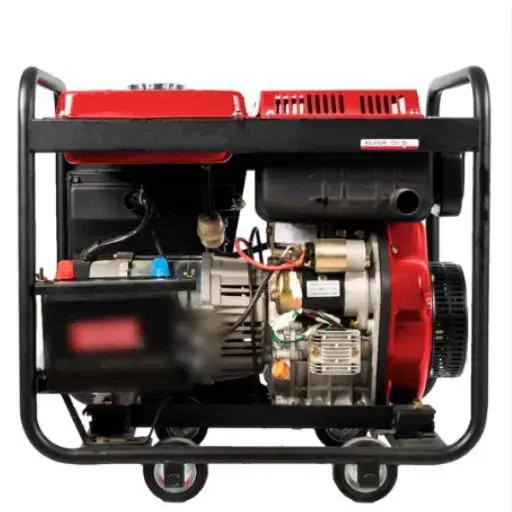
The entire functioning of three-phase generators is based on the supply of Alternating Current (AC) through three voltage waves which are in synchronization. The waves have differences of 120 degrees so that one of the three can always be in its maximum, thus assuring power flow without interruptions. This is achieved owing to the offset three wire coils positioned inside the stator of the generator and a magnetic field in the rotor, which is in a rotational position. Instead, the rotating magnetic field of the rotor is a source of electromotive forces onto the stator winding, which produces the three phases of electricity at the frequency and voltage, both stable.
This way of working not only contributes towards energy conservation but also improves the balance of energy consumption. It is for this reason that three-phase generators are commonly used in industries for heavy machinery that has variable power needs and requires a constant and reliable supply of energy. The reason being, with the three phase system, the power supply is more stable which means very low variation of the power supplied which makes it useful for processes or operations that cannot have power interruptions such as manufacturing, data centers, and even hospitals. This feature also helps the generators by not allowing the electrical loads to be carried by one or two phases only, thus eliminating the chances of overheating and overloading due to high resistance which provides longevity to the system and enhances its’ useful period.
The ease of transmitting power over longer ranges with lower energy losses is one of the biggest advantages of three-phase systems. As such, electrical grids and large infrastructural projects rely on this specific type of system. Taking these performance and practicality attributes into consideration, three-phase generators are optimal for high power applications.
Benefits of Three-Phase Generators
- Improved Performance: Power efficiency is largely improved in the case of three-phase generators than in the case of single-phase systems. In continuous power supply, there are several phases applied, for example three phase of such generator and consequently there is no fluctuation of voltage as a rule so there are less energy losses which lead to safe and zero distortion power continuum.
- Higher Power Capacity: It is more possible with them to provide more than one power supply, which makes them more efficient especially in industrial and also community use. Because, for instance, nearly 1.5 times the power the standard amount of the current or the conductor using the three-phase transformer is transferred in comparison to the similar single-phase transformer.
- Cost-Effectiveness in Long-Distance Power Transmission: The conductor materials in three-phase systems undergo lower power losses and therefore result in much lower operating and capital expenses. According to some research works, a transmission line constituted with only three-phases provides the same productivity at a ratio of even 25-40% more economically as compared to the same length in a table with only one phase.
- Convenient Equipment Interfacing: Factories and other places that use machines for their processes run on three-phase power, which is necessary because of the nature of the machines and power requirements. Generators that produce three-phase current power machines that enable motors, pumps and compressors to run at higher efficiency and for longer periods.
- Better Power Distribution: In a three-phase system, the load is contained equally in all the three phases therefore there is balanced power. Reduced load on components also means less wear and tear which also enhances the dependability of a device hence making it last longer.
Each of these benefits highlights why three-phase generators are the preferred choice for high-power, precision applications in both commercial and industrial sectors.
Drawbacks of Three-Phase Generators
Single-phase generator sets are predictable as to their performance, nonetheless other factors of three-phase sets require consideration. The following paragraphs mention five such natures of three-phase sets that constitute their weaknesses:
- Initial Outlay: It is evident that costs of acquiring any such equipment especially single-phase generators should be lower. This is a result of complex designs of these devices therefore a few additional equipment, as well as advanced technologies to guarantee high lok-power levels. For example, getting a three-phase generator would cost in terms of initial purchase about 20% or more than a single-phase generator with similar capacities.
- Complicated Wiring and Installations: Installation of three generators of three phases requires more skills and this has to be done carefully. If such equipment, unfortunately is installed in a wrong way then it may result to imbalance or failure. More so, in the case of industry or extreme business operations the wires used in such installation may differ per case thus there is an increase in the wages and amount of hours spend in the work.
- Upkeep Complexuity: Due to the use of more modern components such as three phase alternators, breakers, etc., the maintenance process of three-phase ac generators greatly varies from those of the single-phase systems. Since specific tools used for fault identification and personnel with appropriate knowledge need to be utilized, repair works tend to be inefficient cascaded with cost.
- Limited Scope for Small Sized Applications: Such systems usually possess greater capacity than required by certain low power consumption areas like residential applications or smaller operations. Single-Phase Generators Have Lower Power Rating, Therefore Common 3-Phase Generators Cause Widest Range of Voltage Overshoot Possible in Such Conditions, Thus Eg. in Domestic Seen Pointlessly.
- Increased Noise While Functioning: Generators with good outputs and heavy construction normally produce higher levels of noise when in operation. In such situations, it may become necessary to further invest in sound attenuation provision where such noisy appliances are not allowed or some form of restrictions is present.
Emphasizing these disadvantages shows the need for assessing efficiency and the operating requirements before settling for the three-phase generator.
Applications of Generators
Residential Applications of Single-Phase Generators
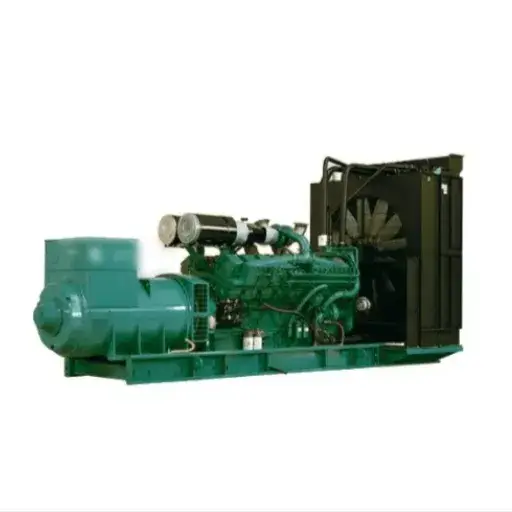
Single-phase generators find wider use in the home, in light of their simple sizes, where costs are low and ordinary house wiring is able to accommodate them, among others. Typical installations include:
- Backup Power for Essential Appliances: Where blackouts are concerned, single-phase generators either offer or supplement the power such that essential appliances for instance fridge freezers and water pumps among many others do not stop functioning. And a standard domestic electricity consumption level can be met with a 5 – 10 kW generator.
- Running Home Office Devices: As working from home becomes more common in the society, single-phase generators are apt in powering devices such as computers, routers and printers in a home office even in times of power failures thereby ensuring the continuity of work.
- Operation of HVAC Systems: These devices allow the operation of small-to-medium-sized heating, ventilation, and air-conditioning (HVAC) systems during blackouts especially when the weather is harsh, without any strain.
- Outdoor and Recreational Use: Single-phase generators are widely used in outdoor activities such as camping or garden parties for instance. They can be carried around and used with lights, sound systems, or mini kitchen devices thus suiting them fully to such uses.
- Electric Vehicle Charging: In the light of electric vehicles in the household being charged, single-phase generators can be used as an emergency charging device for the car, especially in areas where the power supply is erratic, although the charging ability depends on the capacity of the generator.
Such uses provide more GIFs of Single-Phase Generators in homes where there are only basic electricity requirements or in criteria with need for power supply in case of emergency.
Commercial Applications of Three-Phase Generators
Single-phase generators are principally constructed to supply power for the domestic or hotel facilities; they produce relatively low power output and therefore less efficient compared to three phase generators. Thus, single phase generators are quite limited in their application at non-domestic levels as they are normally used only in domestic applications, such as heating, cooking, and lighting. Outlined below are the five major uses of the three phase generators.
- Factories: A number of manufacturers in factories that use heavy machinery such as CNCs, conveyors and robotic arms make use of three-phase generators. Their function is to maintain a constant power supply that helps avoid or limit the occurrence of any halt in operation as a result of fluctuations. As a case in point, a 100kVA three-phase generator is ordinarily employed to run a number of industrial equipment simultaneously.
- Field of Construction:Power solutions for construction projects are often mobile because there’s usually no stable source. To execute projects of this magnitude with such equipment as cranes and cement mixers, and welding machines, three-phase generators are applied. Their ability to sustain high levels of demand makes them very handy for big jobs.
- Data Centers: Sensitive infrastructures like data centers require constant supply of electric power for operation of servers and storage functionalities. The three-phase generators have an advantage in this regard, as they offer high-capacity backup in case of power failure or even scheduled maintenance work without compromising on data recovery or business continuity.
- Commerical air conditioning units: Commercial facilities similarly include, among others, shopping centers, healthcare establishments and office blocks which all put a significant reliance on HVAC (Heating, Ventilation, and Air Conditioning) installations for temperature control in premises. During electricity bills and costs, the very power-hungry systems should continue with the help of three-phase generation which provides supply for all those eqipments to maintain comfort of all the occupants as well as keep the business in operation.
- In Mining: Mines are generally situated in wild areas where electric power delivery networks may be scarce or absent. In such cases, activities such as perforating, crushing, and pumping in mining employ three-phase generators. Considering the immense output and ability, such generators are appropriate for tough huge operations.
From these particular purposes, it becomes clear that in many commercial endeavours, three-phase generators are in great demand as the autonomy of any enterprise as well as its ability to grow and cope with dynamic changes is inconceivable without constant supply of energy.
When to Choose a Single-Phase vs. Three-Phase Generator
When making a choice whether to go for a single-phase or a three-phase generator, it mostly hinges on the power requirements and operational profile of the intended application. For single-phase generators, they are normally used with small loads or in the Home where power needs are not much but just for lighting, operating home appliances, office equipment and the like. Such units are easier to use as compared to single phase units, they are cheaper to buy and also easy to maintain with a limited load profile as opposed to three-phase units.
Oppositely, three phase AC generating equipment is intended for industrial, commercial and high demand settings where efficiency and constant power supply is of utmost importance. These equipment can sustain a lot of weight and are more suitable for big machines, factories, data warehouses and even some high energy consuming and stable infrastructures. They allow easier energy dispersal, fewer losses, and more scalability than single-phase equipment and so when it comes to preserving essential activities, they are better.
In making this decision, attention is to be given to various considerations such as the amount of burden required to be managed, the diapason of equipment, which is anticipated to be powered as well as the place of use. For example, businesses that use means or systems which draw excessive electrical power are encouraged to go for a three-phase generator whereas single-phase generators are enough for those who use normal or light loads. The local power grid infrastructure and the running voltage of the system should also be considered to determine whether or not the generator is appropriate as it will impact performance, among other things.
Power Needs and Efficiency
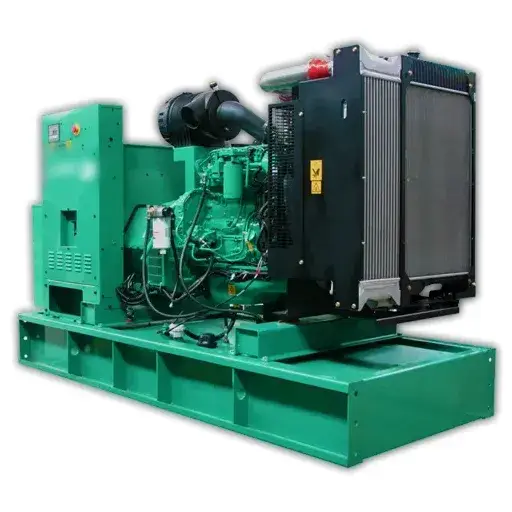
Efficiency of Single-Phase vs. Three-Phase Systems
Three-phase systems are more efficient, delivering continuous power with less energy loss, while single-phase systems are less efficient due to pulsating power delivery.
|
Aspect |
Single-Phase |
Three-Phase |
|---|---|---|
|
Power Flow |
Pulsating |
Continuous |
|
Energy Loss |
Higher |
Lower |
|
Load Handling |
Limited |
Extensive |
|
Voltage Stability |
Fluctuating |
Stable |
|
Efficiency |
Lower |
Higher |
|
Applications |
Light Duty |
Heavy Duty |
Cost Considerations for Diesel Generators
Initial purchase costs of diesel-powered backup systems is not the only expenditure that is incurred in the lifetime of the system. The operational costs are also very critical and that is why cost economics involving Generator considerations should be well calculated. The cost of buying a diesel generator is influenced by a number of factors including the generator’s size, brand and other additional factors such as noise idling silencers ,specification of motor control center panels, modern controller systems among others. For instance, a basic generator usually costs several hundreds of dollars but others with silent ohv range automatic transfer switch costs several thousands. Industrial generators with higher kVA outputs on the other hand may have cost price exceeding tens and even hundred thousand dollars.
The cost of a generator includes more than the purchase price. There are many other costs involved that one should expect to spend on operations. One of such costs is the fuel cost, and in most cases diesel fuel which is more efficient than any other fuels and therefore consumes less. This is also true, except for the fluctuating cost of diesel due to oil prices and the geopolitics and should be taken into consideration when drawer budgets or estimates. The costs associated with maintenance, equally, have a significant impact on the whole expenditure. The operational and service provision of a diesel generator consequently costs at least the expenses which are incurred due to the change of oil and filters and, at times, to the inspection of cooling system, injectors, and exhaust systems among others.
In addition, the useful time of diesel generators, which in many cases reaches 30 000 or 20 000 hours and more provided proper maintenance practices are undertaken, is a perfect value proposition in the long run as compared to other generators. However, costs associated with diesel emissions compliance, for example, can be an obstacle to the purchase of such a machine. Moreover, as diesel technology induces more emission concerns, restrictions on its use continue to increase. However, for most customers, especially in industrial and business enterprises, the cost of installation is normally justified since diesel systems are more efficient and durable.
References
-
North Dakota State University: Standby Electric Generators – This resource discusses standby generators, including single-phase systems, and their applications in homes and farms.
-
Office of Scientific and Technical Information (OSTI): Performance of Single Phase Induction Generators – A paper describing the performance of isolated self-excited single-phase induction generators.
- Click here to read more.
Frequently Asked Questions (FAQ)
Q: What is the meaning of single-phase generators? Mechanism to change mechanical to electro energy, how do single-phase generators work?
A: Single-phase generators known as electrical and mechanical generating machines and more commonly referred to as electrical machines or generators are used to generate electricity by changing mechanical as rotational motion to electrical energy in an engine driven generator called an alternator. These types of electric generators useful for homes and businesses that run on a single phase generator as there is no fluctuation in power and helps in supplying electricity for most domestic appliances including the backup ones.
Q: Can someone explain where or when it is more appropriate to have either single phase or single and three phase generator power?
A: For the average home and many small businesses, use single phase. For larger sites where there are three phase motors that will be used for work, think of either single phase as there will be instances of light duty ac load or 3-phase power in order to provide constant high loads or both ways dual and tri-phase power.
Q: Can single phase diesel generators be used for standby generators or emergency generators?
A: This is true — single-phase diesel generators are indeed fit for service as standby or backup units simply because their diesel engine is quite reliable and more efficient, therefore, they are deployed as backup generators or as transient generators in order to meet an outage.
Q: Why only 80kva should come to mind or is 80kva single-phase both existing and acceptable?
A: 80kva single-phase is too big for any home application but it may have some buildings completing strong power requirements of in the phase because such products are required for such applications as small shops and other because in the UK where such premises are available wast number of 80kva single phase units are used. While 80kva is substantial for a home or light duty load, see if the phase loading will be 80kva which does not exceed the permitted one for the established or recommended if there is any zone of service.
Q: If available, is there such a thing as a single – phase used generator solution?
A: Although old generators can be suitable in applications where the load is in the single-phase range, it is cheaper and temporary but when selecting the machine examines the conditions in which it has been maintained and is working and also break down its functionality in terms of reliability and efficiency. When properly reconditioned 1 – phase used units obtained upon expedient verifying of functionality can give reliable service as emergency generators only if properly meeting the requirements.
Q: What kind of industrial or commercial work requires use of single phase generator?
A: In industrial and commercial environment, single phase generators are used to supply lighting, small equipment, office appliances and temporary power in construction sites. In the case of larger industrial loads, single or three phase configurations might be considered optimal. Still, single phase does not lose its significance for particular phase power applications.
Q: In the case of the following. What steps should be taken in determining the generator size. Specifically a single phase generator for residential application or a commercial premises inclusive of a single phase generator?
A: Estimate generator size, consisting of power consumption by the essential loads (fans, heating, cooling refrigerator and most of the hand held appliances) – this is called the connected loads. Count in motors starting currents and refer to the generators power ratings. Such precautions will ensure that the standby, or a back-up generator will be able to provide power without overheat-up of the generator.
Q: What are the maintenance practices that will help ensure and stabilize the power system for Single-Phase Generators?
A: Apart from other care activities, there is need for regular servicing such as change of oil and filters, monitoring of coolant levels, checking the battery, checking the fuel system (especially bus single phase diesel generators) and load bank testing. Service is performed on intervals to increase the use life and output whether it is an emergency or normal plant service generator.