
Data centers are akin to today’s digital, they are used to run services such as digital banking, cloud storage, social media to name a few. Yet, these very critical entities, are not safe from power loss and this can lead to very tragic downtime, service interruption, and financial losses. Indeed, abnormal operations or standby generators are the most common tutelage to such eventualities in a data center – which is critical for efficient performance to one’s business. The article cuts across these major enablers of continuous power over time, that is, the backup power solutions and the manner in which they facilitate risk assessment and risk reduction while sustaining operation without a break.
Understanding Standby Generators
What is a Standby Generator?
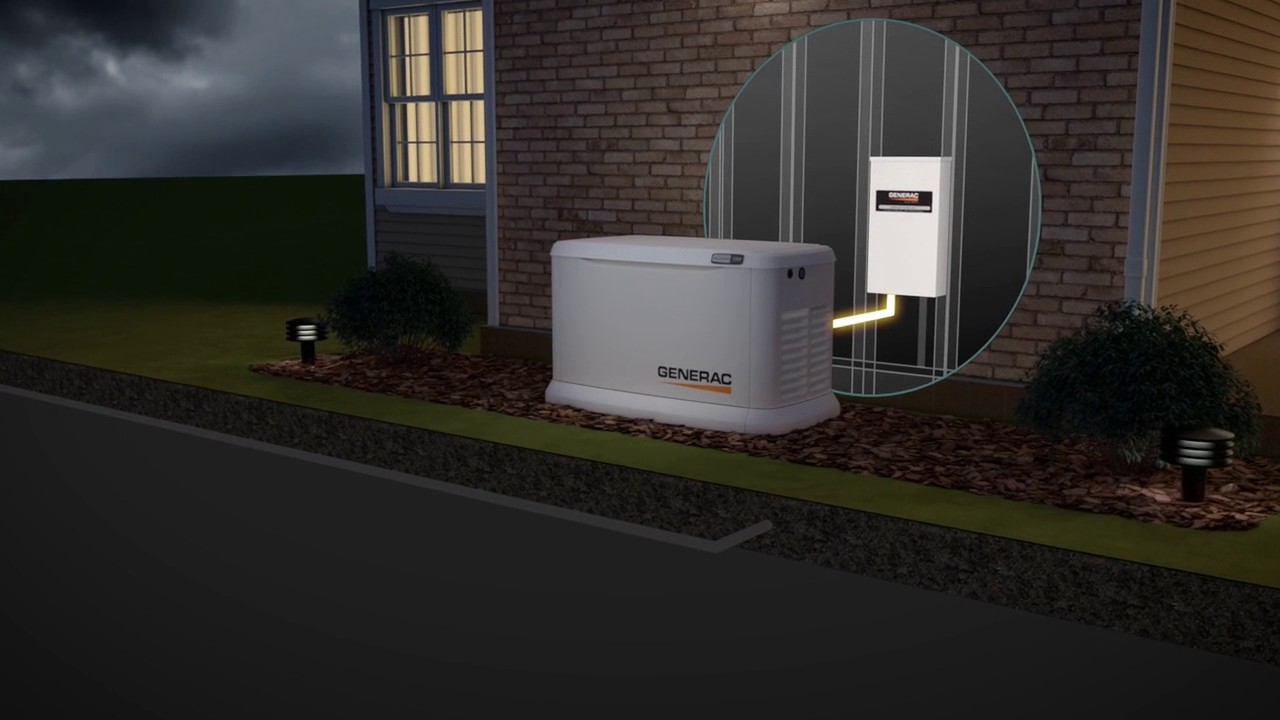
The standby generator is an emergency power source that switches on automatically to supply the customer with electricity in case of a power failure. It is a very simple engineering device made purposefully to monitor whether there is any disruption in the main current and to switch on immediately to ensure that there is no stop in production and protect the business. Such generators are usually diesel, natural gas or (importantly) propane making them very useful in most situations.
Standby Generators have transfer switches incorporated in them which act as an A. B switch and sense the absence of utility supply and change over to generator supply of electricity. The moment these normal power supplies are returned, the ATS changes the system back to use these, and the generator is switched off. In this case, therefore, no time is lost and no person has to switch anything off and on as explained.
These generators are often used in mission-critical applications including data centers, medical and industrial facilities where there is a constant requirement for energy distribution. Standby generators ensure that resource mobilization and continuity are maintained despite blackouts which may lead to loss of data, loss of service and loss of revenue. They are important as they help maintain the operational effectiveness and resilience of systems.
How Do Standby Generators Work?
Standby generators have a mechanism where power is supplied outdoors only when power to the main supply is low or out. In most cases, such systems are wired into the building’s electrical wiring system with an automatic transfer switch (ATS) installed. Whenever the power supply goes off, the ATS informs the generator to come on. The generator once started generates power and supplies electricity to the building’s meters’ panels thus maintaining continuity of operation even during blackout.
Engines are the main components of Standby Generators. They operate on diesel, natural gas, or liquid propane fuels. The movement of such an engine generates electrical power as its energy is converted into electricity by the alternator. Standby machines are contrary to generators that easily move from one place to another and need a simple throw instead of heavy connections: they are located at the place of their work and fast acting is achieved. Fuel can either be stored in an integrated tank, or supplied from an external source, this allows for more time depending on the amount of fuel supply and the available fuel.
Once the main power is back, the ATS functions again channels the electrical load back to the utility. The standby generator subsequently switch itself off and remains on standby mode until the next outage. This cycle maintains business continuity with very little or no operational downtime in mission critical settings where power availability is very essential.
Types of Standby Generators
Standby Generators can be divided into a number of categories based on the source of energy that powers them and their usage. These categories can be majorly classified in three ways for instance, diesel powered generator, gas powered generator and propane powered generator. All these have every single element infused in them and in most cases are perfect for enhancing one’s task in any given circumstances.
- Diesel Generators: A diesel generator, through the removal of the term ‘standby’, has been very much preferred for it strength, efficiency, and dependability. They run on a particular fuel called diesel, which is readily available and supplies a considerable energy. The diesel generators have very few service intervals than the pre-cited generators and are applicable in those areas where power has to be available all the time usually in the industries or business setups. These designs can handle excessive loads at ease yet in contrast, they tend to incorporate more production of harmful gases and higher sound output than quiet clean burning designs.
- Natural Gas Generators: The use of natural gas generators is common across several applications, be it residential, commercial, and even some industrial related work. Natural gas generators are installed directly into a natural gas line which guarantees a constant fuel supply. The National Research Council states that these generators don’t release as much emission as diesel units and there’s an added advantage that they aren’t as loud either. The downside of natural gas supply is that such generators can be deemed inefficient and impractical in areas with limited or disrupted infrastructure.
- Standby Generators: Standby generators, which run on propane or Liquified petroleum gas (LPG) and are stored in cylindrical tanks located on a site, come in handy and are widely used in households, farms, or even in relatively small business enterprises. Propane is also used in place of diesel, as it is cleaner and does not spoil upon storage for several years. In general, propane generators are regarded as being less EQ conscious but their fuel tanks tend to be bigger and fuel prices might test the pocket, depending on geographic location.
Various Standby Generators are available in the market and each of them has its own peculiarities of functioning. The peculiarities of each generator and its range of applications should be known. мастерством.
Benefits of Home Standby Generators
Reliable Backup Power
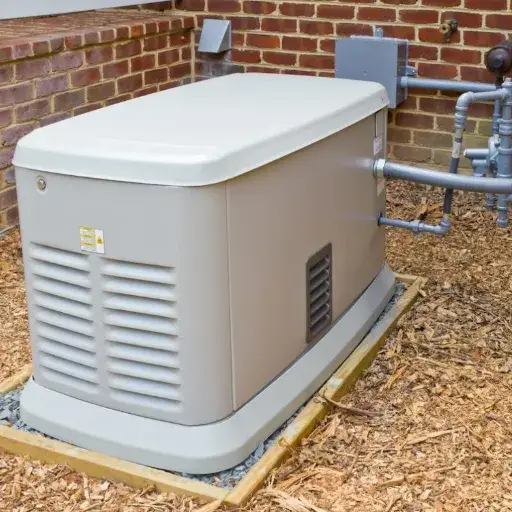
- Automatic Reset of Power: These Generators are fitted with transfer switches that operate under automatic condition and sense a break in the power and therefore, start operating on their own without any delays thus reducing the time taken for restoration of electric power to within a few seconds.
- Constant level of Operation: These Standby Generators are intended to be used in a continuous manner. The power output is therefore maintained and is sufficient to sustain the operation of critical equipment like heating, ventilation and air conditioning systems cooling units, medical appliances and even the security systems in homes without any intervention.
- Weather – Sustainable: The gas Standby Generators built for homes are weather resistant; they have an outer shell covering them that makes them self-sufficient even in adverse conditions such as hurricanes, blizzards or Sipheat.
- Fuel Economy: Currently available standby generators can efficiently run on either natural gas or propane and burn less fuel over long run time without polluting the environment.
- Controls and Monitoring Over a Distance: Effectively managing advanced models with reliability and awareness can be achieved when homeowners have systems with sufficient monitoring capabilities that they utilize mobile applications to check the generator’s condition, fuel levels, and schedules for maintenance and repair of outages.
Protection Against Power Outages
- Automatic Power Restoration: This is primarily attributed to standby generators being fitted with automatic transfer switches (ATS), which instantly responds, as the name suggests, and starts a standby generator within seconds of power failure. Because of this, there are no downtimes and all critical systems continue operating.
- Support for Critical Appliances: Standby generators may be used during power interruptions to channel available energy to the most urgent appliances like HVACs, refrigerators, medical equipment, and even security systems, therefore ensuring the surveillance and comfort of dwellers.
- Capacity to Handle High Loads: High Performace models are built for large power requirements, maintaining the functionality of all parts of the houses and commercial outlets. While normal home models have outputs ranging from 7kW to 25kW, industrial models can go up to 150kW or even higher, depending on the use.
- Weather Resilience: To combat power failures during the strong heat or snow and winds, standby generators are designed to operate in all weather conditions. They have robust casings and are weather-proof to assure the generator’s functionality under any conditions.
- Stable Output Level: Most modern generators, especially high-end ones integrate advanced voltage regulators for steady and adequate power generation. This in turn leads to the prevention of any damage to electronic gadgets that may result from the power changes while in use.
Enhanced Home Security and Comfort
- Standby Generators for Security Applications: Standby Generators ensure the operation of security systems such as alarms, cctv, and presence sensors in the absence of power supply. This continuous supply minimizes the chances of anyone breaking in or stealing anything in the course of a power outage. It has been known that in the houses that maintain their security systems around the clock, a break-in is not attempted in 60% of the time.
- Uninterrupted Air Conditioning and Heating: Generators help run heating and air conditioning systems, which maintains the interior structure temperature during various natural calamities that result in power outages. For example, during winter power cut explanations, many publications emphasize that keeping the house warm will keep the pipes from freezing and causing damage.
- Availability to Light: Everyone must have a backup source of light for both security and safety purposes. In this case, it would be indoors/outdoor, basic or security, strategic installations. It prevents possible injuries in case of darkness or hinders unwanted people’s movements during night hours.
- Electricity for Communication Equipments: Standby Generators additionally reinforce the operation of telecommunication systems that use power. This is particularly useful for homes in urgent situations like long blackouts in which it is important to avoid cutting contacts with rescue services.
- Assistance in the Use of Medical Devices: There are many homes that have some type of medical equipment e.g CPAP machines, oxygen concentrators, and refrigerators intended for medications among others. Generators are very important to people with health issues because they help in operating such medical equipment on the necessary basis. Such relief measures keep medical cases at a minimum even when there is a blackout.
Choosing the Right Home Backup Generator
Factors to Consider
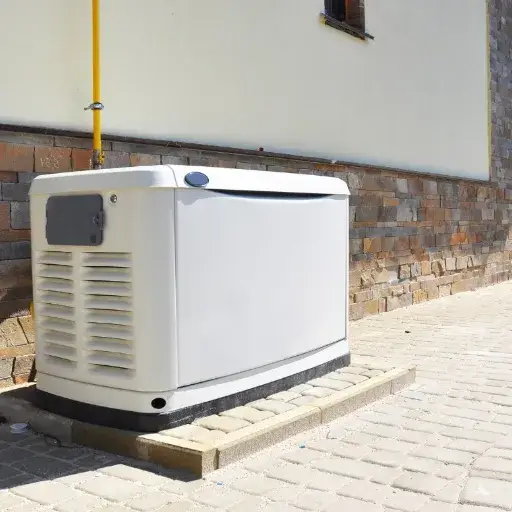
Consumers looking to buy a home backup generator need first to determine how much power they require. Estimate the total amount of power your essential household devices such as a refrigerator, air conditioner, medical apparatus, and lights consume instantly. This is usually divided into two groups: run and start watts. Start wattage applies as an additional force required when some units are turned on. It is advisable to select a generator with more power than your actual need to avoid its overload as well as its capitation due to a long-duration use Standby Generators during blackouts.
Moreover, another problem is the use and purchase of different kinds of fuels. In most cases, generators are powered by gasoline, diesel, propane gas, and natural gas and they have their share of positives and negatives. This means that the water-cooled units that use diesel fuel generally consume less fuel and withstand longer but do not adhere to emission regulations compared to the water-cooled units that use propane or natural gas. It is adequate to use gas or propane in places which have available networks. Standby Generators Evaluate how long you can use the specific fuel type since lack of fuel will have a direct impact on how well the generator will perform.
Moreover, do take into account the installation and maintenance needs. Standby Generators are usually installed by professionals, as they need to be connected to the house’s electrical supply and also have an automatic transfer switch in place. Maintenance needs are different for different types of generators, but in general consists of changing oil, replacing filters, checking the fuel system et cetera to ensure that the generator will last long and is safe to use. Maintenance has now been simplified with monitoring capabilities that allow for remote diagnostic, automatic tests and instant management notifications in case of a problem. Such dimensions being analyzed in detail enable the purchase of an appropriate generator model for the home. It actually extends beyond the mere satisfaction of the present needs or consumption within a house.
Power Requirements and Sizing
Right-sizing the generator helps to avert the possibility of running out of power in an emergency such as a power cut or when the power source is completely unavailable. This will have to commence with the computation of the power in amperes for every indivisible load or appliance such as fridges, air-conditioning/heating units, lights, and communication systems. To prepare for this, note down the appliance’s rated wattage both for operation and for starting. The latter particularly refers to appliances that have a start-up peak power requirement (surge). This ‘total’ load together would be the generator capacity required other than using the generator, for effective load shedding and containing excess power consumption. Standby Generators are typically sized as load shedding may not be done to prevent overloading the house wiring.
Most home use generators fall into specific types – the standby generators which are hard-wired to handle higher loads, and the portable generators which allow adaptability but can be limited by size. For example, a home whose maximum requirement is about 7,500 watts and in some cases 12,000 watts might need to purchase a medium-size backup generator in the range of 10-12 kilowatts as it allows for extra capacity for safety & comfort purposes.
The kind of fuel used, as well as its availability, can have an effect on efficiency. This is attributed to the fact that generators that utilize other forms of fuels would require certain changes in their executed efficiency and ability level. As a rule of thumb, it is essential to size the Standby Generators taking into consideration 25 percent more than the load size. This is because the recommended extra usually caters for these unforeseen happenstances and keeps the machine in a good capacity area prolonging also the machine lifespan. Sophisticated tools such as those estimating load capacity calculators from manufacturers, or energy audits, which are done by authorities, in most cases allow to develop recommendations more accurately using personal approach.
Fuel Type Options: Natural Gas vs. Propane
Propane offers higher energy efficiency and portability, while natural gas is more cost-effective and convenient for homes with pipeline access.
|
Aspect |
Natural Gas |
Propane |
|---|---|---|
|
Energy Output |
1,030 BTUs per cubic ft |
2,516 BTUs per cubic ft |
|
Cost |
Generally cheaper |
Higher per unit |
|
Delivery |
Pipeline |
Tank delivery |
|
Efficiency |
Lower |
Higher |
|
Environmental |
Lower methane emissions |
Lower carbon footprint |
|
Portability |
Fixed pipeline |
Portable tanks |
|
Appliance Use |
Requires conversion |
Requires conversion |
Installation Process for Home Standby Generators
Hiring a Professional Installer
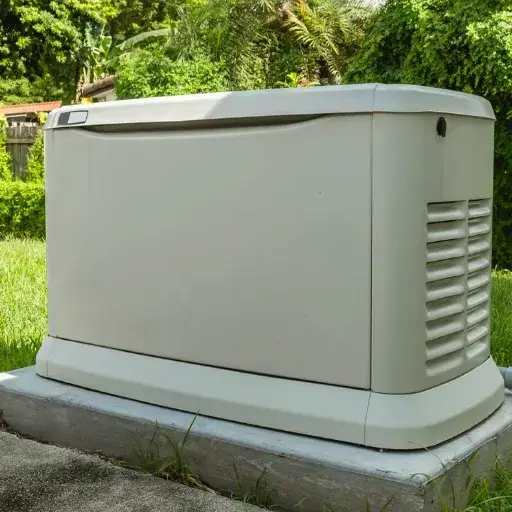
Hiring a licensed and qualified contractor would be crucial in planning installation of a home Standby Generators both to make sure that local building codes and safety standards, as well as manufacturer’s installation instructions, are not violated and also to comply with them. A professional installer understands and has the ability to determine the amount of power consumed by the appliances in your home and therefore determine the size of generator required and its capacity. Other issues they will take into account include prioritizing the loads within the home, the ability to use a transfer switch, and resourcefulness with regard to the source of fuel such that all the components work well together in a power outage.
Any electrical gadget installation will almost always include site preparation and evaluation. One cannot commence the installation of a generator without first looking at the appropriate generator installing locations. It is always a requirement that such locations are checked to ensure there is enough space for ventilation and other safety precautions such as distance from windows, doors and combustibles, which are specified in National Fire Protection Association codes and maybe even in certain local practices. It is crucial to check the wiring and gas piping within the building since these sections are likely to integrate the new generator withging. This would lessen the chances of incidents such as overloading of the electricity, gas pipes, malfunctioning of the standbys.
Upon finalization of the evaluation stage, installation will encompass all mandatory actions. All essential permits will be secured from the relevant regulatory bodies and, where applicable, inspections from utility companies will be scheduled. During the process of installation, the generators will be connected to the house’s electrical system, and in most cases, an automatic power transfer switch will be installed to allow the house’s outlet receptacles to get power during an outage. When installation is complete, the installer will thoroughly test the generator to make sure the system works as it was designed – and also provide details on how to use and care for it. A competent and qualified installer not only guarantees a fail-safe and efficient installation, but also prevents any accidents or surprises that may be caused by improper installation.
Permits and Regulations
Standby generators provide an auxiliary power source in times of blackout. These devices, for the most part, however, necessitate permits and the observance of certain rules which apply differently across different areas. It is important to remember that before beginning any installation, the appropriate building regulations, zoning plans and allowing offices should be looked at. A number of areas necessitate one or two permits to be issued for the conduct of electrical works; others require inspection authorities to check if the installation complies with safety and environmental precaution measures. Without the proper permission, it can be unlawful to operate the generator and in some cases can be subject to demolition.
A different concern on top of equipment usage is various enforcement of national codes as well as regional codes. One of the examples is the National Electrical Code (NEC) which is the accepted electrical code for the United States of America. NEC has also very well stated codes of practice when it comes to wiring, earthing, or switching systems as these can contribute to health and safety issues. Beyond these requirements, every county or state may legislate the placement and the usage of certain apparatus in given territory, no matter the reason. This is especially possible in environmentally friendly or fragile locations requiring, amongst others, development of Standby Generators and fuel limitations. Such regulations are put forward so that the inconvenience to neighbouring properties and the environment is kept at a minimum.
It’s very important to make sure that the tedious and demanding process and by intimidating except a qualified electrician or installer of generators who can be able to understand the local context is engaged. This is economical because it saves both the applicant and the competent authority’s time since every relevant document that might be asked during the process of application such as site plans or load calculations is prepared without the help of the requisite public facilities. Certain organizations whose standby generators are installed in energy plants, on the other hand, can offer recommendations on how to comply with the rules for installation, thus facilitating the process of permissions. It is also important to ensure that how a permit acquisition and installation will be conducted, is known, and also how to avoid any false structures or safety catches in any setting, all which enhance the whole process.
Preparing Your Home for Installation
Providing the necessary groundwork before any equipment or systems installation is of prime importance to ensure not only their safety but also effectiveness. This rings even more true with the installation of solar panels, HVAC systems or other similar structures. The initial step ought to involve a comprehensive evaluation of the home. Among other elements, the structural condition of the roof must be evaluated as there are some installations like the solar panels that work best with a strong and sound surface to deliver their services for the longest time possible. In case the roof is outdated or compromised, it is advisable to fix it or replace it with a new one before any installations to avoid issues such as leaks and other problems associated with old roofs. It is also necessary to ensure that there are no obstacles like overhanging trees or piles of rubbish near the area of installation as they can adversely affect or hinder the nay or performance of installation work.
Necessary upgrades shall on the other hand be in the electrical installations depending on the system to be set up. For instance, when it comes to standby generators and solar photovoltaics, an upgrade of the household or preferably the main electrical panel is necessary for the additional load or the new modern inverter. Therefore, a licensed electric engineer can assess the structure that is in place and suggest the changes that will complement the new fitting. Make sure that the electrician has checked that the wiring is as per the building permits and will supply energy without causing any danger. Additionally, making a comprehensive account of the way electricity is configured in your home and updating it regularly assists in future checks of maintenance.
Finally, clear communication with the crew responsible for installations is important for enabling performing work without any hassle. Make sure that there is clear access to any areas of the home that are required for this purpose, for example any crawl spaces, attics or service rooms. Detail any concerns or requests you might have, if needed. It is not uncommon for contractors to perform an inspection prior to the installation to discuss and plan for possible obstacles. Everyone has challenges that face them and doing things like examining how the project will be carried out in terms of time, equipment, and siting will only help in bringing calm and avoiding quarrels. This will be in terms of preparing comprehensively for any stage makes sure that the home is well prepared for a successful and non-disruptive installation.
Cost Considerations for Backup Generators
Initial Purchase and Installation Costs
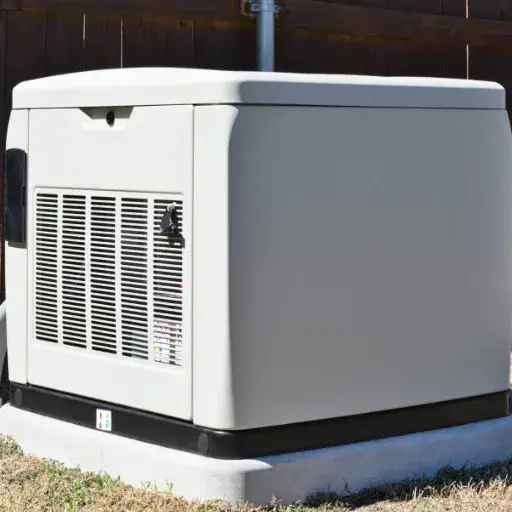
The price of a standby generator is determined by several factors, including the generator’s size, the application, and the installation requirements. A typical permanent standby generator will cost between $2,000 and 10,000 in order to be placed in a home, for Standby Generators as previously described. Costs will depend on factors such as brand name and kilowatt (K/W) power, among others, and additional accessories such as automatic transfer switches for the equipment. Improvised portable generators that are cheaper cost a brief fixed cost of about $500 to $2000 and canable power is lower.
It is common sense that the cost of the equipment depends not only on the price of the product or service but includes the cost of its installation as well. Labor installations of standby generators typically cost from $3000 to $6000 for this work considering factors like the cost of labor, how strict the area is on their codes and regulations and how advanced the work is. The expenses can include but are not limited to such things as the gas or propane connection, possible upgrades of system capabilities; permits will be needed to work on the house. The installation procedure for most portable generators is simple and many do not even require installation, but it should be considered that sometimes the seller will offer or emphasize the need to buy extension cords, switchgear, or, again, tanks.
It is advisable to talk to the experience contractors for the exact cost and include any other costs that may arise from the site preparation like doing the leveling of the grounds or providing protective shelters. With this knowledge, the consumer is able to make a prognosis of the usage of the capital and limit the costs with respect to their own objectives as well as the environmental factors to be encountered.
Maintenance and Operational Costs
The proper care and maintenance of a generator system is necessary to ensure maximum efficiency over a long period of time. Where regular maintenance is concerned, it consists of carrying out scheduled inspections, oil changes, filter changes, and any other maintenance activity in accordance with the sorts indicated by the manufacturer. For instance, it is often suggested to change the oil after every 100 to 200 running hours, but this figure can vary with the concept of the machine and the frequency of usage. Failing to do so may cause wastage of energy, frequent breakdowns or failures, and early wear and tear of installations. The cost associated with preventive maintenance is diverse and within reach. e.g, oil changes and basic servicing on residences usually cost between $50 and $200 per appointment.
The costs of fuel for operating any equipment are very significant. The factors which affect these costs are the type of fuel to be used, the efficiency of the generator, and also for how long the generator will be operational. The commonest fuels used in this case are either gasoline or diesel though in more recent technologies, more environment wary industries use natural gas or propane. On average, for a generator running on gas, the consumption rate ranges from 0.75 to 1.5 gallons every hour of moderate load which would mean approximately $3 to $8 every hour with current gas costs. Despite the fact that diesel engines are more efficient, the initial costs are high but as it is the case with such engines, the fuel efficiency goes to the advantage of the users in the longer period. Fuel prices are very dynamic thus it is advisable that the changes are factored in in the forecasted budgets of users.
Besides offering of course, the worst bit is the fact that each type of expense is eliminated with the varying contingency plans which one may prepare for during the stand-by generator choosing process. For example, keeping the standby generator in good condition is also essential. In order to take care of this equipment, regular and, more importantly, preventive maintenance due to periods of idleness is also critical. The movement service may also be extended by the installations of standby generators containing ‘smart’ monitors letting one follow the operation of the devices in question; in this case it is possible to determine how much motored equipment is working in the system, achieving a balance between sensible use of resources and costs. It is under such prospects that households as well as business establishments are given an opportunity of conceptualizing the working structures and achieving the most out of their theory plans investments.
Long-term Value and Return on Investment
When choosing equipment, looking at performance generators and systems that are suitably updated, customers are aware that these are from the onset of purchase ‘reliable’. These generators are developed with high strength composites so that they do not require service very often and barely break. In that way, they end up being cost-effective in the long run, rather than buying cheaper machines that involve additional costs either from operations or repairs. The advantage of this is compounded by the fact that energy efficient modes of the gadgets use less fuel than ordinary ones and thus, there is an ROI to be achieved after all the repairs and replacements are done over the years.
Data pertaining to the operational aspects of standby generators can be sourced from advanced diagnostic monitoring systems for the optimization of the process. These systems include real-time reporting and analysis dedicated to the generator’s performance including fuel economy, power output, and possibilities of inefficiencies in precise areas. For instance, such systems can provide patterns of fuel consumption therefore allowing the operators to adjust activities to minimize fuel costs. Moreover, the introduction of maintenance procedures with predictors driven sensors and monitoring techniques minimizes on down-times impacts as the greatest one while increasing the equipment’s lifespan well in advance of any factors that might become problems. The capability of such adaptation and adjustment permits the consumers to utilize the facility to its fullest extent over.
In conclusion, the dependability of contemporary machinery suggests that in case of any eventualities, the service is not meaningfully affected, save for the practice itself as well as the other supporting revenues. That, for firms with mission critical power requirements, the downtime from equipment malfunction costs more than several millions of dollars worth of premium equipment for instance. Dependable machinery makes sure that the key services are provided regardless of the circumstances, thereby reiterating the scope of the economic and operational usefulness far beyond short run. These purchases can also, and more importantly, incorporate state-of-the-art functionalities typical of the most modern systems, thus gaining relevance not only for the benefit, but more importantly for the efficiency and the progress that is attained.
References
-
Standby Electric Generators – North Dakota State University
This resource provides detailed insights into the types and uses of standby generators, including their operation and safety. -
Standby Generators for Emergency Power – Alabama Cooperative Extension System
A guide on the functionality and applications of standby generators during emergencies. -
Best Practices for Standby Generator Operations – Pacific Northwest National Laboratory
This source outlines operational best practices and maintenance for standby generators.
Frequently Asked Questions (FAQ)
Q: Please elaborate on standby generators. In what respects are they distinct from portable generators?
A: Installations of standby generators endure the wiring and related structures of the premises such that a standby generator can be set and combined with other devices like the particular standby time, employed or cleaned floors or windows and when power from the already existing sources is interrupted by the self-generated power which is a standby generator. Standby generators are designed to be more permanent than portable generators because they attach to the electrical circuit of a specific building via an adds etc, automatic transfer switch, usually powered by natural gas or propane and must be installed enterprise and maintained from time to time.
Q: I was wondering how can I figure out the appropriate size of standby generators that suits my business or residential premises?
A: Determine the usage of a standby generator by first outlining the important appliances and systems whose absence you cannot endure such as heating or air conditioning, refrigeration, lighting, health care equipment, and sump pump. Introduce the complete procedure of how to compute the total starting watts and running watts of the required loads whose absence is annoying. Most householders purchase a generator large enough to run the entire house (more than 20–50 kW, since the size of the house differs) while others select those with sufficient power to operate the critical loads only. It is important to consult an electrician or a generator dealer as they can help determine the generator size and what type of transfer switch will be used in that capacity standby generator.
Q: What type of fuels do Standby Generators use and what are their benefits?
A: Standby Generators use electricity supplied by some source independent of the utility. These include natural gases, propane, and diesel. Natural Gas is fitted to a utility line; this makes it indestructible and great for users. Propane is another alternative and much preferred in areas where there is no gas grid as it burns much cleaner, but gas fuel storage has to be provided. Diesel boasts of energy in high figures and consequently in most commercial generating systems – however, the storage of the fuel is taken care of and requires regular and comprehensive fuel conditioning services. Use case is dependent on the source, the running time, and rules of the locality.
Q: What kind of installation and permits or inspection is involved with standby generators?
A: Proper installation of a standby generator requires placement using installation pads, connection of the fuel source lines and the wiring of the automatic transfer switch. Keeping in mind the diagonal mechanism found in most of the rotary cultivators, most rotary generators employ as well requirements will include in particular electrical and fuel restraints construction and even more so the permit constraints building restrictions. Such as upkeep services and/or inspection of the installation vehicles, in accordance with a construction license and also permit services or order inspections program, is the responsibility of a qualified and equal level of the specialist draft person who performed services internally to the company.
Q: Can you tell me about the care of the standby generator and how frequently it should be performed or checked?
A: The Standby Generators normally require regular service such as engine oil and filters replacement, spark plug and battery condition check, fuel system assessment, cooling system inspection, and periodic commissioning of the generator as a whole. The major part of service whether routine or overhaul is generally scheduled every 6-12 months or after a stipulated amount of working hours by most manufacturers. Professional servicing of Standby Generators annually ensures prolonged service, reduces inactivity, and maintains warranty conditions.
Q: How long does a Standby Generator run in an electrical outage?
A: The duration of use of a Standby Generator depends on the type and quantity of fuel available: Uninterrupted use is possible with gas powered generators as long as there is fuel available and the gas supply allows it, whereas the propane type ends at a complete and total depletion of fuel onboard whereas with the diesel type, their respective distances of operation depend on the onsite available fuel. Most manufacturers and installation companies can offer assistance to determine run-time; how much load is present and the fuel tank can hold can be estimated for how long the generator will operate, automatic refueling or larger tanks can also be used in prolonged power outages for increasing the IMRT school hours.
Q: Which security measures are necessary to look into when buying a standby generator?
A: Standby generators should possess critical safety features such as auto transfer switches to minimize energy interruption back to power utilities, CO detectors and rather appropriate venting, oil pressure shutoff switches, circuit breaker protection, and local emissions including those for noise limits and requirements. Other standby generator associated safety hazards that can be minimized include correct installation by an authorized personnel, sufficient distances from structures, and scheduled servicing among others.
Q: What is the price of a standby generator? Are there any circumstances that would make the price of a standby generator differ from others?
A: It is very subjective, as price changes depending on capacity, fuel source, brand, and installation ease. A small domestic standby generator, for instance, may cost several thousand dollars (unit price only), while a whole house available system may cost between $10,000 to $30,000 or more. This entails costs for purchase and installation, a transfer switch, fuel connection, permits, and site preparation. The factors which influence the cost include electrical work enhancements required, proximity to fuel facilities, presence of concrete or structural needs, and other geographical wage scales as they are present.
Q: It is much clear but does the standby generator light up the whole house or just a few portions?
A: When it comes to a standby generator, it may be possible to cover the costly equipment for example a whole house or the installation may be restricted for the most essential circuits; in that case, a smaller generator will be enough as long as a load shedding transfer switch is installed. Whole house standby generators have a higher capacity hence cover every single thing but of course require bigger and better transfer switches. Flexibility in choice of the circuits to power especially critical systems which is essential during a power cut, utilizes a relatively cheaper option.
Q: When purchasing a standby generator, what is the warranty and support coverage to be expected?
A: The majority of manufacturers of standby generators warranty their products for parts and sometimes labor over a certain duration (commonly 2-5 years). Such plans are usually available and encouraged by device manufacturers to take care of maintenance and repairs which shall be done periodically. Establishing the warranty, schedule of the ptu’s maintenance, and SP’s should be available before buying in order to keep a standby generator in good condition of protection and support of the services.