
The main difference between single-phase and two-phase generators is the number of alternating current waveforms they produce. A single-phase generator delivers one AC waveform through two wires: one live conductor and one neutral. A true two-phase generator delivers two separate AC waveforms set 90 degrees apart, historically using four wires. In modern residential wiring, most “two-phase” references actually describe split-phase power, which is derived from a single-phase source and provides two 120V legs 180 degrees apart.
This guide explains how single-phase and two-phase generators work, where each type is used, and how they compare to three-phase systems. Whether you are choosing a backup generator for a home, a farm, or a commercial site, understanding these distinctions helps you match voltage and wiring to your actual loads. If you need a generator recommendation for your project, contact Huali’s engineering team.
How Single-Phase Generators Work
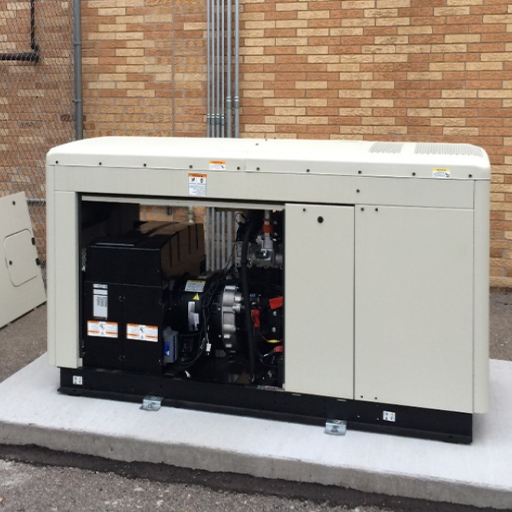
One Waveform, Two Wires
A single-phase generator produces one sinusoidal AC voltage waveform per cycle. The output rises from zero to a positive peak, falls through zero to a negative peak, and returns to zero 50 or 60 times per second depending on the regional grid frequency.
The simplest single-phase circuit uses two conductors:
- Live wire (L): Carries the alternating voltage.
- Neutral wire (N): Provides the return path and is typically grounded at the generator or distribution panel.
This arrangement is inexpensive, easy to install, and sufficient for most small loads. It’s the standard for residential outlets, lighting circuits, and small appliances.
Common Single-Phase Voltages
| Region | Typical Single-Phase Voltage | Common Applications |
|---|---|---|
| North America | 120V / 240V split-phase | Homes, small shops, offices |
| Europe / Asia | 220–240V | Residential, light commercial |
| Industrial single-phase | 230V / 480V (depending on region) | Motors up to ~10 hp, welding equipment |
For more detail on common output levels, read our guide on what is the voltage of a single-phase generator.
Single-phase generators are widely available from about 2 kW portable units up to roughly 50 kW for light commercial duty. For loads above that range, three-phase generators are usually more efficient.
Advantages and Limitations
Single-phase generators are popular because they cost less and require simpler switchgear. They also match the wiring already found in most homes.
However, single-phase power has limitations:
- Pulsating power delivery: The power output drops to zero twice per cycle, which can cause vibration in larger motors.
- Lower efficiency for large motors: Single-phase motors above about 5–7.5 kW become bulky and less efficient.
- Limited capacity: Very large loads are better served by three-phase systems.
How Two-Phase Generators Work
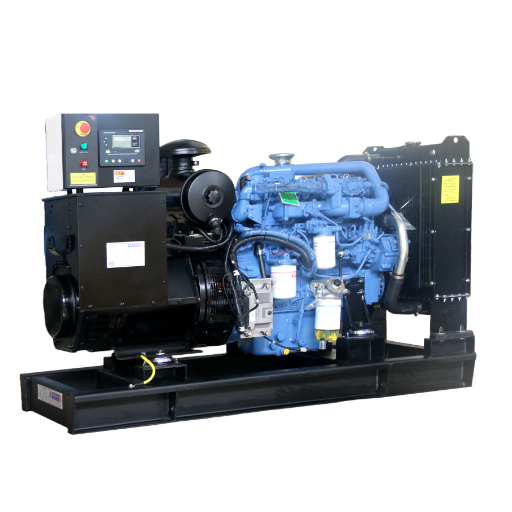
True Two-Phase Power: Two Waveforms 90 Degrees Apart
A true two-phase generator produces two independent AC waveforms that are offset by 90 electrical degrees. At the instant one waveform reaches its peak, the other is passing through zero. This requires four wires: two live conductors and two return conductors.
True two-phase systems were developed in the late 19th century and were used in some early power distribution networks. They were largely replaced by three-phase systems because three-phase delivers smoother, more constant power with fewer conductors.
Today, true two-phase generators are rare. You won’t find a modern generator marketed specifically as “two-phase” for general power supply. If you encounter the term in an electrical context, it usually refers to one of two things:
- Historical or specialized equipment: Older industrial machinery, certain motor designs, or restoration projects.
- Split-phase residential power: A single-phase transformer center-tapped to create two 120V legs that appear 180 degrees apart.
Split-Phase: What Most People Mean by “Two-Phase”
In North American homes, the panel receives split-phase power from a single-phase transformer. The transformer secondary is center-tapped, creating:
- Two 120V legs measured from each live conductor to neutral.
- One 240V circuit measured between the two live conductors.
Because the two legs are 180 degrees apart, they cancel in the neutral when equal 120V loads are applied. This lets a home run both 120V appliances and 240V appliances like electric dryers, ovens, and air conditioners from the same service.
A residential standby generator or portable generator with a 120/240V output is therefore a single-phase or split-phase unit, not a true two-phase generator. Understanding this distinction prevents wiring mistakes and incorrect equipment selection.
Single-Phase vs Two-Phase vs Three-Phase Generators
The table below compares the three generator types on the characteristics that matter for buyers and installers.
| Feature | Single-Phase Generator | Two-Phase Generator (True) | Split-Phase Generator | Three-Phase Generator |
|---|---|---|---|---|
| Number of waveforms | 1 | 2 | 1, split into 2 legs | 3 |
| Phase offset | N/A | 90° | 180° between legs | 120° between phases |
| Conductors | 2 (L + N) | 4 | 3 (L1, L2, N) | 3 or 4 |
| Typical voltage | 120V, 230V, 240V | Historically 2 × 90° voltages | 120/240V | 208V, 380V, 400V, 480V |
| Power delivery | Pulsating | Less pulsating than single-phase | Pulsating, like single-phase | Smooth and constant |
| Common capacity | 2–50 kW | Rare; mostly historical | 5–25 kW residential | 10 kW to multi-MW |
| Best for | Homes, small shops, portable use | Specialized legacy equipment | North American homes | Industrial motors, data centers, large commercial |
| Modern availability | Very common | Rare | Common in North America | Very common |
For most buyers, the practical choice is between single-phase and three-phase generators. True two-phase generators are largely obsolete, and split-phase residential wiring is simply a configuration of single-phase power.
Voltage, Wiring, and Phase Angle Differences
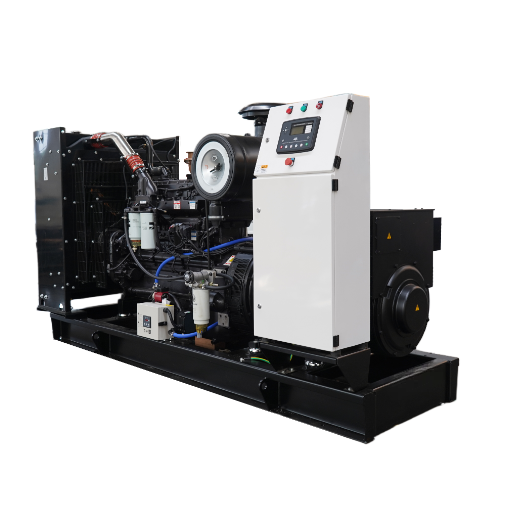
Phase Angle Explained
Phase angle describes the timing offset between two alternating voltage waveforms. A full AC cycle is 360 electrical degrees, so:
- Single-phase: One waveform. No phase relationship to compare.
- Split-phase: Two legs 180° apart. When one leg is at positive peak, the other is at negative peak.
- True two-phase: Two waveforms 90° apart.
- Three-phase: Three waveforms 120° apart, producing constant total power.
This matters because motors and transformers are designed for a specific phase configuration. Connecting a three-phase motor to single-phase power will not work without a phase converter or Variable Frequency Drive (VFD). Likewise, a true two-phase motor cannot run directly on split-phase or three-phase power without specialized controls.
Wiring and Neutral Loading
Single-phase and split-phase generators use simpler wiring than three-phase units. A split-phase generator for a North American home typically has:
- L1 and L2: The two hot legs.
- N: Neutral.
- Ground: Safety earth conductor.
When 120V loads are balanced between L1 and L2, neutral current is minimized. When loads are unbalanced, neutral current increases. Generator and transfer switch sizing must account for the worst-case imbalance.
Applications Compared
When to Choose a Single-Phase Generator
Single-phase generators are the right choice for:
- Residential backup power: Lights, refrigerators, sump pumps, and electronics.
- Small commercial sites: Offices, retail stores, and restaurants with mostly 120V/240V loads.
- Portable and recreational use: Camping, construction tools, and outdoor events.
- Light agricultural loads: Small pumps, fans, and barn lighting.
For these applications, single-phase units are cost-effective and easy to connect to existing panels.
When “Two-Phase” Actually Means Split-Phase
You need a 120/240V split-phase generator when:
- Your building has a standard North American residential panel.
- You must power both 120V outlets and 240V appliances.
- Your transfer switch is wired for two-pole switching.
Most home standby generators and many portable generators sold in North America are configured this way.
When to Choose a Three-Phase Generator
Three-phase generators become necessary when:
- You run large motors above ~7.5 kW.
- Your facility has three-phase distribution equipment.
- You need smooth, efficient power for industrial machinery, data centers, or hospitals.
- Total load exceeds roughly 50 kW.
If your facility already uses three-phase power, a single-phase generator will not directly replace it without a phase converter. Explore Huali’s three-phase generator options for industrial and commercial applications.
Which Generator Do You Need? A Selection Checklist
Use the checklist below to narrow your choice before requesting a quote.
| Question | If Yes | If No |
|---|---|---|
| Is the site a home or small commercial building with 120V/240V service? | Choose a single-phase or split-phase generator. | Consider three-phase. |
| Do you need to power large motors or industrial machinery? | Choose a three-phase generator. | Single-phase may be sufficient. |
| Is your main panel rated for three-phase power? | Match the generator to the panel configuration. | Single-phase or split-phase is appropriate. |
| Is total load below 20–25 kW? | A single-phase generator is usually economical. | Look at three-phase options for efficiency. |
| Do you need a true two-phase 90° output? | Specify a custom or specialty generator. | Standard single-phase or three-phase will work. |
| Will the generator run continuously or only during outages? | Continuous duty requires heavier-duty ratings and cooling. | Standby ratings may reduce cost. |
| Is the site exposed to extreme temperatures, dust, or humidity? | Specify enclosure, cooling, and filtration upgrades. | Standard open or canopy sets may suffice. |
When in doubt, a load study and site survey provide the most reliable basis for sizing. Huali’s engineering team can review your electrical panel, motor list, and runtime requirements before recommending a configuration.
Common Mistakes When Comparing Generator Phases
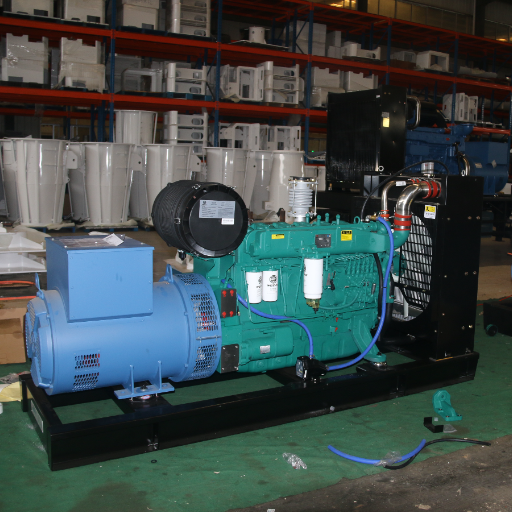
Mistake 1: Calling Split-Phase “True Two-Phase”
A 120/240V residential service is not true two-phase power. It is single-phase power with a center-tapped transformer. The two legs are 180° apart, not 90° apart, and the system still has only one source waveform.
Mistake 2: Buying a Three-Phase Generator for a Single-Phase Building
Unless you have three-phase loads or plan to install a phase converter, a three-phase generator can add unnecessary cost and complexity. Match the generator output to your panel and your largest loads.
Mistake 3: Ignoring Voltage and Frequency
A 230V / 50 Hz generator will damage 120V / 60 Hz equipment if connected directly. Always verify voltage, frequency, and phase before purchase.
Mistake 4: Undersizing the Neutral
In split-phase systems, unbalanced 120V loads can overload the neutral conductor. Generator sizing and wiring must account for imbalance, not just total wattage.
Frequently Asked Questions
What is the difference between single-phase and two-phase generators?
A single-phase generator produces one AC waveform using two wires. A true two-phase generator produces two waveforms offset by 90 degrees and historically used four wires. In modern usage, most “two-phase” references actually mean split-phase, which is a single-phase source split into two 120V legs.
Are two-phase generators still used today?
True two-phase generators are rare today. They were largely replaced by three-phase systems in the early 20th century because three-phase power delivers smoother output with fewer conductors. Most modern “two-phase” residential systems are actually split-phase single-phase.
Can I run a three-phase motor on a single-phase generator?
Not directly. Three-phase motors need three separate voltage waveforms. You can use a phase converter or a Variable Frequency Drive (VFD) to run a three-phase motor from single-phase power, but this adds cost and complexity.
Is my home single-phase or two-phase?
Most homes in North America receive split-phase single-phase power: two 120V legs and one 240V circuit between them. Homes in Europe, Asia, and many other regions receive 220–240V single-phase power. Neither is a true two-phase system.
What voltage should my backup generator produce?
Choose a generator that matches your main panel voltage. North American homes typically need 120/240V split-phase output. Many commercial and industrial sites need 208V, 480V, or other three-phase voltages.
How do I size a generator for my home or business?
Add the running watts of all loads you want to support, then add the starting watts of the largest motor. Include a safety margin of at least 20%.
Conclusion
The difference between single-phase and two-phase generators comes down to waveforms, wiring, and practical application. Single-phase generators remain the standard for homes and small commercial sites. True two-phase generators are obsolete for most modern uses. What many people call “two-phase” in residential settings is actually split-phase single-phase power, which is simply a single-phase source configured to provide both 120V and 240V.
Three-phase generators dominate industrial and large commercial applications because they deliver constant power and run large motors efficiently. Before you buy any generator, confirm your building’s voltage, phase, frequency, and largest motor loads.
Shandong Huali manufactures diesel generator sets from 8 kVA to 4,000 kVA in single-phase, three-phase, and custom configurations. If you are unsure which phase and voltage your project needs, contact Huali’s engineering team for a load assessment and tailored recommendation.
