
When it comes to assuring and economical electrical power generators, used diesel generators are usually the leading option for both companies and private individuals. However, what is the best way to make sure that you are not losing money on a bad investment? This guide has been prepared to give you a thorough understanding of used diesel generators, their benefits, key factors to consider before buying one, and how to pick a unit that is just right for you. This article will be your source of confidence if you want to run a construction site, have a backup system for critical processes, or just want a reliable power source for your home during blackouts. So, let’s get started and find all the details on selecting a used diesel generator that is just right for you.
Introduction to Used Diesel Generators
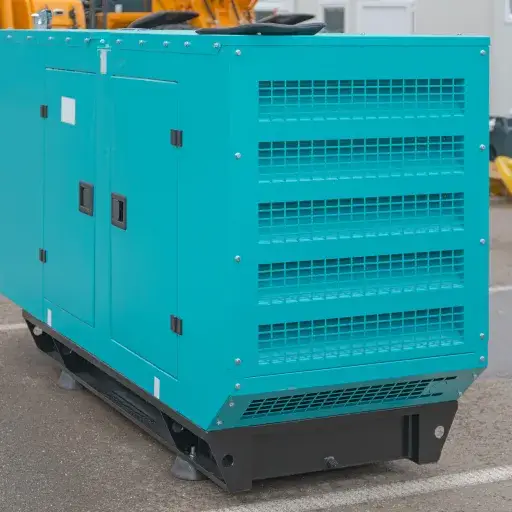
In numerous settings, the used diesel generators are reliable and inexpensive power sources. The generators are built to provide continuous performance and are usually selected for their long life and low energy consumption. It is essential to consider the generator’s age, hours of use, and service history when buying a used diesel generator to determine whether it meets your specifications. With proper maintenance and careful use, a used generator’s lifespan can be extended, making it a valuable investment for both home and business use.
Understanding Diesel Generators
A diesel generator works by combining a diesel engine and an electric generator to produce power. These generators are frequently installed as backup power sources or in areas where grid connection is difficult. The latest data shows that demand for diesel generators remains high owing to their durability, lower fuel consumption, and ability to handle heavy loads. Besides, a good number of new diesel generator sets come equipped with state-of-the-art technologies for emissions curtailment, thereby complying with stringent environmental norms. When selecting a diesel generator, consider power rating, fuel consumption, and sound emissions to ensure it is ideally suited to your application’s requirements.
The Value of Used Diesel Generators
A secondhand diesel generator is an inexpensive yet reliable alternative to a new one, offering significant cost savings without compromising quality. Sometimes these generators are even lightly used, well-maintained, and tested, making them a good option for various applications. When a company chooses a generator from the past, it can keep its power needs at a lower initial cost, which is very important for projects with limited budgets. Moreover, many secondhand diesel generators are in excellent condition, including those with very low hours. Purchasing secondhand equipment is a green choice, as it extends the generator’s life cycle and reduces demand for manufacturing. Thus, environmental concerns should be taken into account, but selecting the right used diesel generator requires evaluating essential factors such as the unit history, hours of operation, and maintenance records, as only then can you be sure it is reliable and delivers the power you need.
Overview of Diesel Generators for Sale
The diesel generators are chosen mainly for their durable, dependable power backup. Their good performance, fuel efficiency, and durability make them a favorite option. Depending on your needs, you can buy either a small, portable generator for domestic and small-business use or an industrial generator for continuous operation, which is very large. You should check for automatic transfer switches, soundproof enclosures, and even state-of-the-art control systems as key features. Global top manufacturers like Caterpillar, Cummins, and Kohler, among others, offer power supplies ranging from small to medium in various capacities for both new and second-hand models, providing solutions that fit different needs. Moreover, many suppliers offer warranties, maintenance, and professional assistance in selecting a generator that perfectly meets your needs and provides total satisfaction.
Benefits of Choosing Used Diesel Generators
Cost-Effectiveness of Used Diesel Generators
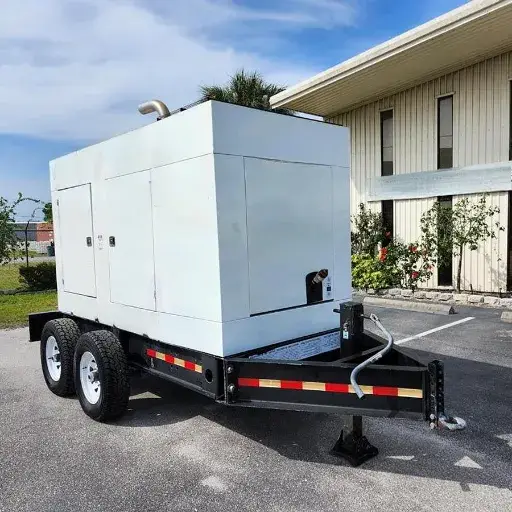
If you need a reliable power source, you should know that second-hand diesel generators are a splendid choice because they are the most economical option. The price for them is usually only a small part of the new models’, however, they can still be relied upon. A significant number of used generators are in excellent condition, and their previous owners were part of good supply chains, indicating they passed the strictest quality controls. In such a case, the buyer of a used generator can get huge savings but without cutting down on the necessary features or functionality. Consequently, the investment will be paid off sooner in business or private use if one can keep costs under control.
Environmental Advantages of Reusing Equipment
The process of reusing used diesel generators yields significant environmental benefits, aligning with sustainable practices and reducing the impact on nature. The limitation of demand for new manufacturing by prolonging the life of these machines reduces raw material and energy consumption. Greenhouse gas emissions are caused by the production of new generators that very often involve mining, metal processing, and fuel-intensive manufacturing, among other activities. Hence, the repurposing of used equipment contributes to reducing overall carbon emissions and mitigating resource depletion.
Moreover, buying second-hand generators reduces the waste that would otherwise be sent to landfills. Generators are part of industrial equipment that often contain hard-to-decompose parts that may emit toxic substances if not disposed of properly. The reuse of these generators not only saves resources but also fosters a circular economy by prioritizing repair, refurbishment, and resale over disposal.
Durability and Reliability of Used Diesel Generators
Even after years of operation, used diesel generators remain popular for their long-lasting, reliable performance. The machines are constructed with sturdy engineering that enables them to resist the harshest and most demanding industrial and commercial environments. Diesel engines are referred to as “long runners” because of their simpler design, which, in addition to fewer moving parts, is less prone to mechanical failure and requires less repair work. Moreover, with proper maintenance and servicing, a used diesel generator can often deliver the same level of support as a new one, providing the exact dependable energy solutions.
The latest search trends show that users very often ask about the reliability of pre-owned diesel generators. The data indicates that prospective customers want to know the machine’s service history, the manufacturer’s reputation, and the machine’s past performance. Caterpillar, Cummins, and Kohler are the most reliable brands, and they continue to provide the same peace of mind to businesses investing in second-hand equipment. To ensure you buy the most durable unit, it is wise to choose units with verified maintenance records, warranty options, and professional inspection reports before purchase.
Essential Considerations for Buyers
⚠️ Critical Factors Checklist
- Generator Age: Verify the manufacturing date and overall age
- Operating Hours: Check hour meter readings for usage history
- Maintenance Records: Review complete service documentation
- Load Testing Results: Ensure performance under real conditions
- Visual Inspection: Look for rust, leaks, and physical damage
- Manufacturer Reputation: Prioritize trusted brands
Inspecting Used Diesel Generators
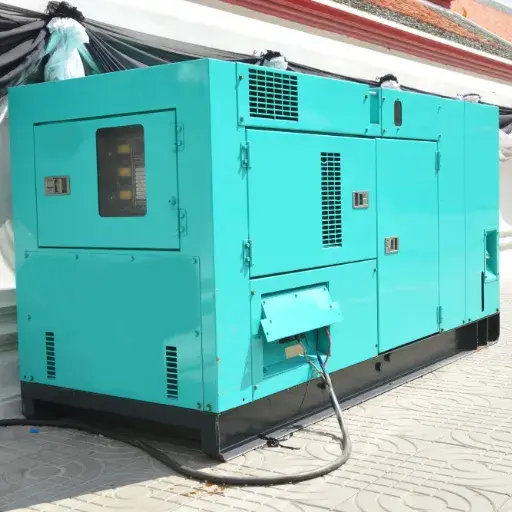
Assessing the condition and functionality of used diesel generators is very important during such inspections. A visual inspection should be the first step in identifying rust, leaks, and physical damage. Look at the service history to ensure regular maintenance has been performed and that any recorded repairs have been addressed. A load test should be carried out to check the performance of the generator under the conditions it is supposed to work and the output should be steady. Also, check the control panel for any error codes or malfunctions and make sure the hour meter reflects the age and use of the generator. Give preference to units with professional inspection reports and clear maintenance records, as they are less risky.
Understanding Generator History and Maintenance Records
Evaluating a generator’s history and maintenance records, the first action to take is to check the service logs, which would confirm the regularity of the maintenance performed, by looking at oil changes, filter replacements and cooling systems inspections. Then, check for any repairs or replacements of parts in the records, with the most key components like alternators and engines in focus. Load testing and performance assessments conducted on the generator should have their results documented and easily accessible to prove its operational efficiency. The hour meter readings should be checked against the maintenance logs to confirm consistency with the unit’s reported usage. The proper analysis of complete and precise records, together with an expert assessment if required, gives a better insight into the generator’s lifetime and future needs.
Choosing the Right Size and Power Source
Selecting a used diesel generator involves choosing the size and power source, both of which are crucial for eliminating unreliability and inefficiency. The size has to be determined according to your power needs quite a lot. The total wattage of the devices and equipment the generator must support should be calculated first. Providing wattages for the starting and running times will be very useful, since some devices may require more power to start than to run.
Above all, you need to evaluate a single-phase or three-phase generator. The former is mainly used in residences or small enterprises while the latter can be used in the industry due to its high power output and efficiency characteristics.
Next, the power source comes again as a critical point. Along with gasoline generators, diesel generators are generally considered the most or second-most reliable, depending on the case. However, in the long run, diesel often becomes the preferred choice because of its lower operating costs and assured performance. It’s true, though, that one has to keep in mind fuel availability and storage. Diesel fuel is not only easy to find but is also often stored improperly, so it must be regularly tested to ensure the generator remains ready to perform when needed.
Finally, the decision-making process becomes an informed one if you take into account your energy consumption patterns, operational goals, and budget constraints. If you consult experts or use tools like online generator sizing calculators, identifying the optimal generator size and configuration that meets your specific needs will be easier. Proper planning ensures smooth operation while preventing overloading or underutilization of the generator.
Types of Diesel Generators Available
Industrial Diesel Generators vs. Mobile Diesel Generators
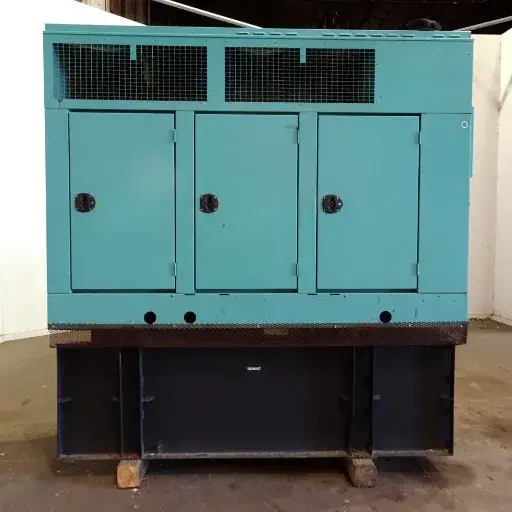
Industrial diesel generators are stationary, high-capacity units designed for large-scale applications, whereas mobile diesel generators are portable systems ideal for flexible and temporary power needs.
Generator Sets for Sale: What to Look For
When purchasing generator sets, it is essential to prioritize your needs and the generator’s characteristics. To begin with, determine the required power capacity based on the equipment or appliances you plan to run. Ask yourself whether you need an industrial generator for extensive, continuous use or a mobile generator for temporary, portable applications.
Consider fuel efficiency, required maintenance, and setup time. Industrial generators are known for their durability and high power output, yet they often come at a high cost and require extensive maintenance. Mobile generators, however, are light, quick to set up, and affordable, but they may require more frequent refueling and are mainly used for casual power needs.
Make sure the generator you choose always satisfies your requirements regarding durability, user-friendliness, and long-term reliability. By comparing the specs and consulting a trusted dealer, you can make a well-informed choice.
Comparison of Diesel Generators and Natural Gas Generators
Diesel and natural gas generators differ primarily in fuel type, cost-efficiency, emissions, maintenance, lifespan, and availability.
Maintenance Tips for Used Diesel Generators
🔧 Regular Maintenance Practices
- Conduct Routine Inspections
I regularly inspect my diesel generator for wear and tear and damage as part of an essential habit. Among other things, the inspection involves checking the fuel system, coolant levels, filters, belts, and hoses to ensure they are all in good condition. - Change Oil and Filters
I always adhere to the manufacturer’s schedule for oil and filter changes. Maintaining clean oil and filters is a prerequisite for the longevity and excellent performance of the generator; otherwise, it will not work as it should. - Test the Battery
I make sure the generator’s battery is fully charged and free of corrosion. Weak or failing batteries are a common problem; therefore, I do not want to have one suddenly without power and will conduct regular testing. - Fuel Quality Management
To avoid degradation of diesel fuel over time I follow proper fuel storage methods and use stabilizers if necessary. This not only keeps fuel contamination at bay but also starts the generator without any hiccup when needed. - Run Periodic Load Tests
I hardly run the generator without a load since I won’t mind if the engine develops a problem. This practice helps keep the engine in good condition while ensuring it will run when electricity is out.
I make sure that my used diesel generator is always reliable and efficient by following these practices which will consequently minimize unexpected downtime and repair costs.
Common Issues and How to Address Them
Overheating
Cause: Blocked airflow, low coolant levels, or a faulty cooling system can cause the generator to overheat.
Solution: Clean any obstructions around the vents, refill the coolant if needed, and inspect the radiator and cooling fan to ensure they are working correctly.
Irregular Power Output
Cause: Faulty wiring or worn-out components, such as the voltage regulator, can cause unstable power delivery.
Solution: Inspect the wiring connections and replace damaged components. Test and replace the voltage regulator if necessary.
Excessive Smoke
Cause: Contaminated fuel, clogged air filters, or engine oil issues can cause the generator to emit excess smoke.
Solution: Replace the air filters, ensure oil levels are correct, and use high-quality diesel fuel to prevent contamination.
Frequent Shutting Down
Cause: Overloading the generator or low oil pressure can cause it to shut down unexpectedly.
Solution: Avoid overloading by operating within the generator’s capacity. Regularly check and maintain oil levels to prevent pressure drops.
By quickly fixing these problems, it is guaranteed that your generator stays in the perfect working condition and you avoid expensive repair costs.
Extending the Life of Your Used Diesel Generator
Proper maintenance and clever use are the two primary keys to maximizing the lifespan of your old diesel generator. Some of the best tips are as follows:
- ✓
Regular Maintenance Schedule: Being strict about maintenance is critical. This includes changing the oil, replacing air filters, and checking fluid levels at regular intervals. In fact, neglecting such routine maintenance is one of the most leading causes of generators wearing out. - ✓
Keep it Clean: Make sure the generator is kept in a clean and dry place. Dirt, debris, and moisture can damage parts and cause your machinery to fail earlier than expected. - ✓
Load Management: Do not run the generator at full load for extended periods. Instead, use it at 70-80% of its maximum capacity to reduce wear and tear while still maintaining excellent performance. - ✓
Fuel Quality: Using low-quality diesel fuel can cause the fuel system to become clogged and damaged. Therefore, high-quality fuel must always be used, and the correct storage method must be applied to avoid contamination. - ✓
Cooling System Maintenance: The radiator and cooling system should be inspected regularly to ensure proper airflow and temperature control. Overheating, in turn, could be the cause of the engine components facing such severe damage. - ✓
Test Runs: Run regularly, mainly if the generator is seldom used. This prevents the engine from idling for a long time, which can lead to residue buildup or difficulty starting.
The follow-up to these procedures, along with regular inspections, can lead to a very significant increase in the usable life of your diesel generator, thus making it a reliable performer during the most critical times.
Reference Sources
-
Tips on Buying a Used Generator – Offers essential guidance on evaluating age, hours, maintenance history, and load testing to ensure a reliable purchase.
-
Used Generator Buying Guide 2024 – Discusses the advantages of second-hand generators and tips for maximizing efficiency.
-
How to Find Used Diesel Generators That Suit You Best? – Highlights key factors like operating hours, history, and age when selecting a used generator.
-
The Benefits and Risks of Buying Used Diesel Generators – Explores the cost savings and potential risks of purchasing used diesel generators.
-
3 Things to Keep in Mind When Purchasing a Used Diesel Generator – Provides guidance on asking the right questions about the unit’s age and history.
Frequently Asked Questions (FAQs)
What are diesel generators used for, and why should they be taken into consideration?
Used diesel generators are those that have already been sold but are still good, capable power-generating machines. They now power industrial, retail, and domestic applications depending on their power ratings.
How do I select a used diesel generator?
Deciding on a used diesel generator means taking into account the total amount of power in kW or kVA that is going to be needed, the generator’s efficiency and its state.
Where can I buy used generators?
There are numerous places where you can buy used generators, for example, online shopping sites, local equipment sellers, and auctions.
What are the compelling reasons for purchasing used generator sets?
Used generator sets can be much cheaper than buying new models. They often come with the advantage of being less affected by depreciation and provided the used models were well maintained, many will still be in excellent condition.
What do I need to know about the power output of used diesel generators?
When you pick a used diesel generator, you need to understand its power output. They come with different capacities from 8 kW small units to 1500 kw and even larger units. Depending on your power needs, you will need to choose between a single-phase or a three-phase generator.
Are there any maintenance points for second-hand diesel generators?
Indeed, maintenance is one of the most critical aspects of the lifespan of second-hand diesel generators. Checking oil levels, fuel filters, and overall performance are just some of the regular maintenance activities that keep the generator running smoothly.
Ready to Make Your Purchase?
Armed with this comprehensive guide, you now have the knowledge to confidently select a used diesel generator that meets your specific needs. Remember to prioritize maintenance records, conduct thorough inspections, and choose reputable brands for the best long-term value.