
Generators are reliable power sources that are very important tools. They are useful when there is a power outage, at a job site, or in open-air events. Nevertheless, a major drawback is that they are noisy, and this can be a source of conflict, for example, in the case of neighbours living close to each other. That is why it is very important to know about decibel (dB) levels and be able to implement soundproofing solutions that are effective. In this article, we will look at the noise from generators in terms of physics, we will see how it is measured in dB and we will look at new ways of reducing it. If you sonofoo an enthusiastic DIY person or are just looking for a quiet generator setup, you will find the practical tips and solutions for a more peaceful environment.
Understanding Generator Noise Levels

What is Generator Noise?
Generator noise is the sound that a generator emits while it is working. This noise is mainly produced by the engine, exhaust system, and vibrations coming from the internal parts of the machine. The amount of noise generated varies significantly with the generator’s size and type, and it can be as low as a faint hum or as loud as disruptive noise.
The unit of measurement for generator noise level is decibels (dB), which is a measure of sound intensity. To illustrate, a normal conversation gives off about 60 dB on average, while the noise produced by portable generators can be anywhere between 50 and more than 100 dB. The overall sound output can be influenced by the generator’s design, enclosure, and placement. Generally, generators fuelling sound-proofing or muffling features are quieter than those lacking noise-reduction features.
Generators producing high noise levels cause the users and the nearby residents to get annoyed, and their outdoor activities to be disrupted. In extreme cases, the users might suffer from hearing damage. It is critical to identify both the sources and levels of generator noise in order to come up with effective solutions for the reduction of its impact, thus, allowing a more comfortable and quieter operational environment.
Sources of Generator Noise
Generators emanate a variety of sounds from a few fundamental parts and processes throughout their operation. One of the dominant noises is the engine, which not only burns the fuel but also runs mechanical parts, including pistons and valves, thereby continuously generating noise. The noise level is very high, especially in the case of large or very powerful generators, as the continuous and vigorous movements of these parts are the main cause.
The next in line of noise sources is the exhaust system. The unburnt gases being let out of the engine through the generator’s exhaust pipe produce loud sounds, and these sounds might be even louder if the generator has no efficient muffler. Besides, exhaust noise is a major problem for both users and even people nearby, as it is very noticeable and also very annoying.
Noise from the generator’s cooling systems and vibration during operation may also contribute to the total sound output. Whirring or humming sounds are produced by the fans and cooling methods, while rattling and banging noises may occur due to vibrations of the generator’s frame or mounting especially if the unit is not securely set up. Recognizing these sources can be a stepping stone to the quieting down of generators through the application of effective noise control measures.
Factors Affecting Generator Noise
Type of Generator and Its Impact on Noise Level
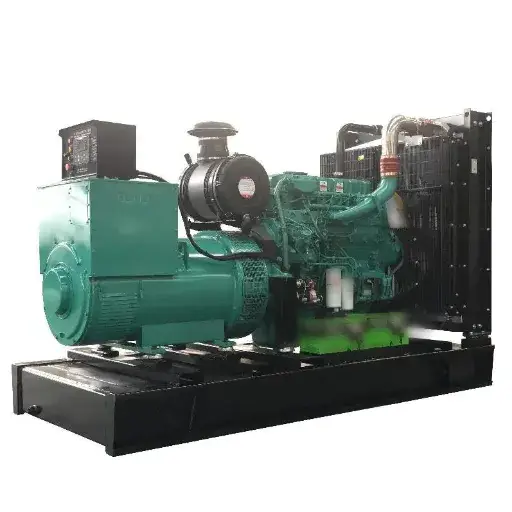
The generator type is a major factor that has a great impact on the noise levels it generates. Inverter generators, on the other hand, have less noise pollution and hence, their compact size and advanced technology. For instance, the engine speed can be adjusted based on the power demand, making it less efficient, as a result of which, less noise will be produced. Portable generators, on the other hand, are considered to be ‘noisy’ and hence, their sound pressure levels are around 70-90 decibels during full working conditions which can be really disturbing especially in quiet residential areas. Speaking of inverter generators, they sound like ‘whispering’ because they are only 50-65 decibels thanks to the use of advanced engineering and technology. In addition to that, the power demand is directly linked to the engine speed which is the main cause of the low noise emission.
Larger stationary or standby generators that are mainly used for industrial or huge backup power requirements also produce different levels of noise according to the features and the location of the unit. The modern standbys which are usually placed indoors with good noise insulation are still masked by advanced muffler systems so that they could be as silent as possible. On the other hand, diesel-powered generators, very often used for large installations, usually, are very noisy since their direct-injected engines have the highest noise levels as compared to natural gas and propane-liquid generator sets no matter how one might look at it, the latter are less noisy because of their engine design and the way combustion is taken place.
Some of the generator type factors are also related to noise control strategies. For instance, the installation of soundproofing technology like acoustic panels or specialized enclosures can cut down the operation noise significantly. Furthermore, proper installation that includes firm mounting and strategic positioning away from noise-sensitive areas, along with the application of noise-dampening materials, can reduce the noise impact regardless of the generator type. These factors, therefore, signal the need for careful consideration when selecting a generator that not only meets the power requirements but also fits the noise limit of the designated location.
Power Output and Noise Correlation
The generator’s power output is frequently associated directly with its noise levels, as the largest and most powerful generators usually need large engines that are less quiet during operation and that generate higher decibel levels. An example of this is portable generators that are meant for home backup or outdoor use and typically exhibit power output that lies between 2,000 and 10,000 watts, and that can be accompanied by sounds of 50 to 80 decibels based on their size and design. On the contrary, generators for industrial use that can output 100,000 watts or more are usually classified as noise generators, and one of the reasons is their big size along with huge exhaust systems. These differences point to the significance of putting noise levels under consideration concerning a generator’s power demand, as it might be that noiseless but effective alternatives are needed in noise-sensitive areas.
Nonetheless, modern inventions have offered the option of reducing the noise to bearable levels without sacrificing much of the power. One case in point is inverter generators, normally taking the form of lights and more efficient machines, which apply modern day technology to generate steady power and at the same time lowering the noise level to about 50 to 60 decibels. These units are widely favored in residential and recreational areas where less noise is the most important factor. In addition, manufacturers have come up with noise-reducing measures like putting generators in soundproof housings, using special mufflers, and running the engines at variable speeds that are compatible with the different generator types, thus making it possible to have more power with less noise disturbance.
It’s the particular application that is the core consideration in generator selection, since noise regulations and environmental standards may differ widely from one place to another. For example, in highly populated city areas, there might be very strict noise regulations which will force businesses and the public to purchase low-noise models no matter how high is their power demand. The same goes for the situations of the outdoors where the natural soundscape is preserved, users may be forced to prioritize the quieter generators at the time when the peak power output is not as much-needed. By carefully viewing the relationship between power output and noise, while at the same time considering advances in technology and local compliance standards, consumers will be able to make choices that will not only be very functional but also environment-friendly.
Diesel vs. Portable Generators: A Comparison
The key differences between diesel and portable generators are: diesel generators are durable, fuel-efficient, and suitable for heavy-duty use, while portable generators are lightweight, cost-effective, and ideal for short-term or light applications. Here’s a concise table summarizing the comparison:
|
Aspect |
Diesel Generator |
Portable Generator |
|---|---|---|
|
Longevity |
High |
Moderate |
|
Fuel Usage |
Efficient |
Average |
|
Sound Level |
Loud |
Quiet |
|
Mobility |
Limited |
Easy |
|
Price Point |
Expensive |
Affordable |
|
Upkeep |
Minimal |
Regular |
|
Ideal Use |
Heavy-duty |
Light-duty |
Comparing Quiet Generator Options
Portable Generators with Low Noise Output
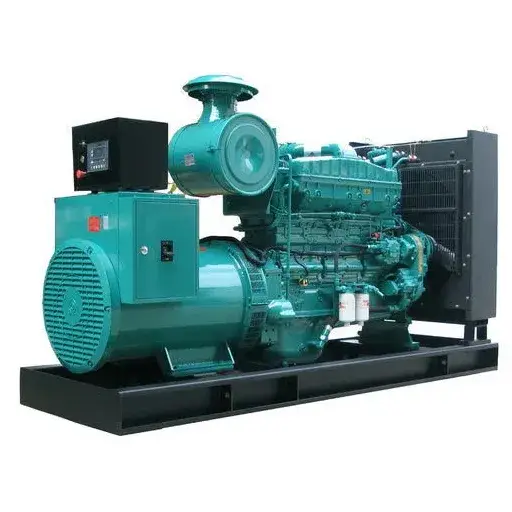
Choosing a portable generator with a low noise output, there are different factors to consider. Decibels (dB) are the unit of measure used for noise levels, and many modern portable generators are working at so low levels that even in most cases the only noise you would hear is human conversation. Therefore, such generators are most suitable for residential areas, places where people camp, and any other places that require low noise.
One more point to take into account in a generator’s specs is inverter technology- it not only makes the unit run quieter and more efficient than usual but also prolongs its life. Other noise-limiting aspects are massive muffling systems and sound barriers. If you are a person who feels like the biggest advantage of a generator is its convenience then you should look for models that are lightweight, have high fuel efficiency, and long runtimes as they are the ones that combine portability with performance the best.
A search for low-noise technology brands and models along with highly satisfied customers can also lead you to the best current options. Therefore, the first and foremost consideration is your use case- this understanding will be the guiding factor in finding a generator that not only meets your noise level requirements but also your power needs.
Evaluating Diesel Generators for Reduced Noise
Diesel generators with lowered noise levels have been produced to an extent where technology helped in giving better access for the quiet models. The engine manufacturers are now very keen on the noise reduction features which include the engine design that is optimized and the sockets that are quieter than ever. These features help to produce less noise while performing excellently. Moreover, variable-speed engines and sophisticated exhaust systems are the other key elements in sound reduction. Consequently, this makes diesel generators suitable for both residential and commercial purposes where noise is a big concern.
For instance, a medium diesel generator can do noise attenuation to the extent that the noise level during operation will be in the range of 60-70 dB. That is a remarkable improvement compared to the earlier models. These generators are made of soundproofing materials, vibration dampers, and improved mufflers so that sound emissions are at the lowest possible level. They are very much suitable for outdoor events, hospitals, and crowded places.
The comparison of the diesel generators in terms of noise should certainly take into consideration the product specifications such as load capacity and fuel efficiency along with noise ratings. Many of the models now show their decibel levels for the customers to make the right selections. Buyers can ensure their choice of diesel generators that provides the right mix of high performance and low noise by combining this research with reputable data.
Noise Reduction Techniques
Placement Strategies for Lower Noise Levels
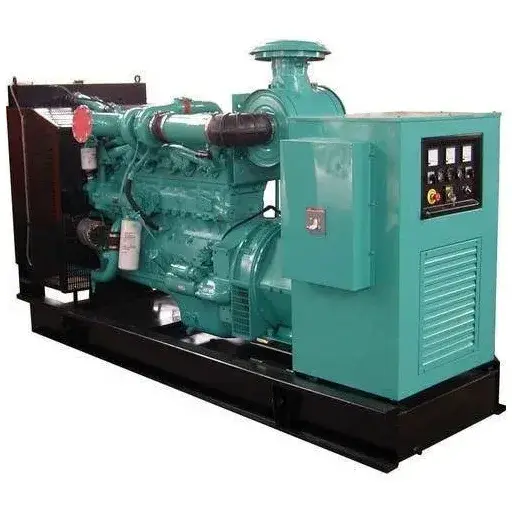
One of the most efficient approaches to lower the noise levels considerably is the strategic positioning of diesel generators. The limiting of the disruption caused by the generator’s operation can be achieved by putting it as far away as possible from the areas with the most people. A case in point is the positioning of the generator outdoors, at the back corner, somewhere dedicated or inside a soundproof box, which would make sure that the noise would not bother the most frequented places. It is also very important to think about what the device is surrounded by in terms of its structure or the materials used—if touting walls or installing sound barriers are added, even more sound will be absorbed or deflected, thus the users will be more comfortable.
Raising the generator or placing it on a vibration-damping base is another indispensable tactic. Constantly, the noise due to the generator’s operation can be transmitted via the floor or ground which in turn results in the building or adjacent space getting the noise amplified. However, if isolation mounts, rubber pads, or concrete bases that are made to absorb vibrations are applied then the situation can be effectively addressed. When these measures are taken together with the provision of insulated enclosures, there is sound protection that has two layers; it deals with the transmission of both airborne and structural noise.
Moreover, an exhaust direction that is aligned away from sensitive spots, e.g. living areas and offices, can be a great supportive measure to reduce the noise that is surrounding those spots, and thus, is heard by the people living there or working in those areas. The noise suppression given by the mufflers installed on the exhaust systems is especially effective for low-frequency noise that can travel longer distances. The combination of careful placement strategies, proper installation tools, and advanced noise-reduction materials will result in an operation of the quieter and more efficient generator that will disturb the environment just a little bit.
Using Sound-Attenuating Enclosures
Sound-attenuating enclosures are high-tech ways of dealing with the noise made by generators, compressors, or hefty machines among others. Usually, these structures are made of materials that can soak up and deaden sound very well, such as mass-loaded vinyl, acoustic foam, or composite panels. essentially the noise source is encapsulated, it then behaves like a barrier blocking sound waves and absorbing them consequently, letting very little noise escape into the environment. This makes it suitable for installations in residential, commercial, or industrial areas where noise control is a vital factor.
The latest sound-attenuating enclosures have been designed to not only suppress noise but also allow for maximum thermal and operational efficiency. Ventilation systems are commonly installed to provide airflow that is sufficient, thus preventing the overheating of, or poor performance from, the machinery that has been enclosed. The vents, however, are treated acoustically to make sure the noise-reduction is not compromised. Moreover, some of the modern enclosures have separation components built-in for easy maneuverability and customization according to the machine’s hardware and operational specifications. Therefore, these enclosures are a flexible choice with a wide range of applications in different industries.
In addition, one of the main points about these enclosures is that they are built according to the noise level standards and regulations especially strict in urban areas where there are anti-noise pollution laws. Research has revealed that the best enclosures can reduce noise levels by 20-30 decibels which is a huge difference that can be the opposite of being a noise that one cannot stand and a bearable hum. The use of sound-attenuating enclosures not only assists in meeting these standards but also brings about overall equipment efficiency, and fewer disruptions to the activities next door, which altogether gives a boost to the quality of life in the noise-sensitive areas.
Accessories to Minimize Generator Noise
Certainly, the issue of generator noise can be effectively dealt with by specialized accessories; sound-attenuating enclosures notwithstanding, they may become crucial in the process. The introduction of high-performance mufflers which are capable of almost completely silencing the exhaust system is among the most preferred options. Mufflers function by canceling out sound waves, and their installed correctly, they are capable of operating as a fully effective noise-reduction measure by as much as 10-15 decibels.
Moreover, acoustic barriers or walls, which are another practical accessory, surround the generator to block and absorb sound. These barriers are made from heavy-duty materials that have been specifically developed for soundproofing and are the most effective for outdoor installations. Vibration isolation mounts are also very common, as they reduce significantly the transmission of vibrations from the generator to the environment and, hence, the mechanical noise produced is less.
For the case of portable generators, the anti-vibration pads might serve as an inexpensive but effective solution. Apart from being made of rubber or other tough materials that absorb vibration and mitigate noise at its source, these pads are also used in generators. In the same way, the use of noise baffles or deflectors designed specifically for that purpose can redirect and distribute the noise away from the populated areas, thus, the noise control will be improved even more.
When these accessories are smartly combined, they form a whole noise reduction plan. By using the latest soundproofing technologies, the operators are able to secure the environmental regulations, improve the relationships with the surrounding community, and enjoy greater comfort while working.
Noise Regulations and Compliance

Common Noise Regulations for Generators
Generator noise regulations usually do not coincide but generally target the same issue of environmental noise pollution minimization and public health protection. Numerous local authorities have set maximum acceptable noise levels for generators, and in most cases, the noise is measured in decibels (dB) at a certain distance, for instance, 7 meters (around 23 feet). Residential areas might have noise levels of about 60-70 dB permitted during the day and tighter restrictions during night time. The limits in industrial regions are on the higher side as they are less sensitive to the noise that results from their activities.
Besides noise level, regulations might also demand that a generator conforms to certain operational requirements, which may include employing mufflers, soundproofing, or using other noise-reducing technologies. The often thorough process of checking up on noise control includes the preparation of periodic inspections, testing, and local certification to ensure that the equipment meets the required noise level. Apart from that, some areas have imposed specific times for quietness beyond which the usage of generators must be either minimized or completely silenced. Non-compliance with these regulations can lead to penalties or restrictions on the use of generators.
If the generator operators stay updated, and follow the noise regulations, they are not only avoiding fines but also creating a positive impression on the community and making the sound environment healthier.
Understanding Local Noise Ordinances
Following the local noise regulations helps to keep the generator use in a way that the neighboring community would not feel disturbed. Noise pollution is a major cause of stress, sleepless nights, and a general decline in quality of life. To reduce these negative effects, many cities impose very low decibel limits for the operating of machines in residential, commercial, and industrial areas. Such regulations may take different times of the day into account, with the most severe limits applied at night or in the early hours when people are most sensitive to noise.
To comply with the regulations, the operators of generators should initially check out the local noise standards that are in force in their area. These standards could be quite different based on the geographical location and zoning laws. For example, some city centers may impose a limit of only 50 decibels at night, which is approximately the noise level of a quiet conversation, while others in rural or sparsely populated areas may impose less strict limits. It is important to monitor the noise levels of operating generators, and this task has become easier with the use of digital sound-level meters. Moreover, manufacturers usually give specifications that indicate whether their equipment is within certain decibel limits, which is a helpful reference for both buyers and renters.
Another feasible method to ensure that the noise regulations are not exceeded is to noise-reduction technology. Many of the latest generators are fitted with enclosures or mufflers specifically made to cut down on noise from operations. For the older models, installing noise absorbing equipment could be a good solution. Besides escaping the legal consequences, the prioritization of quiet generator use expresses consideration towards neighbors, worksite teams, and the larger community which leads to creating a peaceful atmosphere and using energy in a sustainable manner. In conclusion, the application of noise regulation rules in generator operations is not only a legal requirement — it is a great move to support environmental and social responsibility.
Ensuring Compliance with Noise Level Standards
In order to meet the noise level standards, it is very necessary to find out the local regulations and respect them. Local regulations often determine the permissible level of noise (decibel) for the specific area and the time of the day. For example, living zones may have stricter conditions compared to the industrial zones especially in the case of nighttime. Identifying the potential problems before they grow is possible through the noise level tests that are done regularly and with the help of certified sound level meters.
Sound reduction measures such as building noise-reduction barriers, mufflers, and enclosures around generators can cut down the noise substantially. And the switching to modern low-noise generator models or using green power like solar energy can be a highly efficient noise pollution reducing method. Routine maintenance of all equipment will play a big part in quieter operation since the parts that are not functioning well usually create more noise.
Furthermore, very open communication with the nearby communities is a must. By taking care of the complaints and the teaching of the public about the noise reduction measures, businesses and people are able to establish more trust and good relations, and at the same time, they will be complying with the standards of noise regulations.
References
- Texas A&M University: Discusses acceptable generator noise levels, stating that noise exceeding 75 dB is considered too loud.
- U.S. Department of Energy: Discusses noise levels in the context of wind turbines, providing a comparison for understanding generator noise.
- Click here to read more.
Frequently Asked Questions (FAQ)
Q: What is generator noise level and how it is measured?
A: The generator noise level is referred to as the whole noise made by a generator and is usually measured in decibels (dB) on the decibel scale. The noise measuring is done in a “free field” or through sound power and sound pressure measurements with an octave band filter system. The decibel scale is logarithmic, thus a 10 dB rise in level approximately coincides with a doubling of loudness perceived by human ear; hence, tiny numerical changes can represent huge changes in perception.
Q: Why is the scale important — what is the effect of the logarithmic scale on the comparison of generators?
A: The logarithmic scale is important because sound measurements are not straight-line. In the case of noise comparison among many generators, the logarithmic scale should be kept in mind: a 10 dB increase equals about twice the loudness for the human ear. Consequently, a 75 dB rated generator will definitely sound much louder than an 85 dB rated one despite the difference being 10 dB. It is better to use decibel ratings to compare noise rather than making an assumption based on linear differences.
Q: What are the normal noise levels for a portable generator and how much noise does a diesel generator emit?
A: A portable generator noise is usually from 60 to 75 dB at a typical distance of operation, with the less noisy inverter models around 60 to 65 dB for silent operation. Diesel generator sounds and large units can be noisier, some can get up to 85 to 110 dB near the source depending on the load. Be aware that the noise level of the generator at full load is usually higher than that at light load.
Q: What options are available for noise reduction from generators?
A: Generator manufacturers offer a range of solutions to the noise issues such as chamber-type or spiral-type enclosures, sound-absorbing liner, exhaust silencer, vibration isolation mounts to minimize vibration and noise, and redesigning of cooling fans to quieten the sound of air being moved. The choice of a generator site, the use of sound-absorbing barriers, or noise-reflecting walls can make noise louder or quieter, thus placing the generator properly is essential.
Q: How does generator’s position affect the perceived loudness and the legal noise limit?
A: The position of the generator is crucial: the installation of a generator behind sound-absorbent barriers or within a chamber-type enclosure lowers the overall noise that is perceived. Building walls can amplify the noise, while the distance reduces it. A number of localities prescribe noise limits in dB either at property lines or in a “free field environment”; it is advisable to check the local thresholds and the generator’s rated sound power for compliance.
Q: In what way do load and operating conditions switch generator noise level?
A: An increase in noise level is proportional to the load of the generator – full loads usually result in the production of greater engine and cooling fan noise. The total noise will depend on engine RPM, fast-moving air, and any higher vibration caused by current changes. The most accurate noise level picture for your purposes can be gotten by measuring the noise during the expected operating conditions.
Q: What if I am sensitive to noise how can I select a generator that caters to my needs?
A: In order to assist you in selecting a generator, first, you will need to compare manufacturers’ decibel ratings, then look for inverter or quiet operation models rated around 60-65 dB, and consider enclosures and exhaust silencers, then come up with a plan that includes sound-absorbing linings and the use of vibration mounts for installation. You should also take into account sound power and the “free field” measurement and keep in mind that a 10 dB rise corresponds to doubling the loudness perceived, thus when dealing with noise-sensitive areas it is better to aim for lower dB ratings.