
Operating a restaurant efficiently doesn’t simply aim at having the best menu or providing the best customer service, rather, it requires that your kitchen be adaptable under any given situation. Making sure that there is a backup plan for operations in case of a power failure is one of the most important issues. This article discusses the power requirements of various kitchen appliances used in restaurants and explains how generators can save the day in times of power cuts. If you have been in the restaurant business for a while or are new to it, knowing the power consumption of all the equipment used in the kitchen is vital in how you will operate your business and maintain it without the help of a backup power for restaurants.
Understanding Backup Power for Restaurants
The Importance of Backup Power
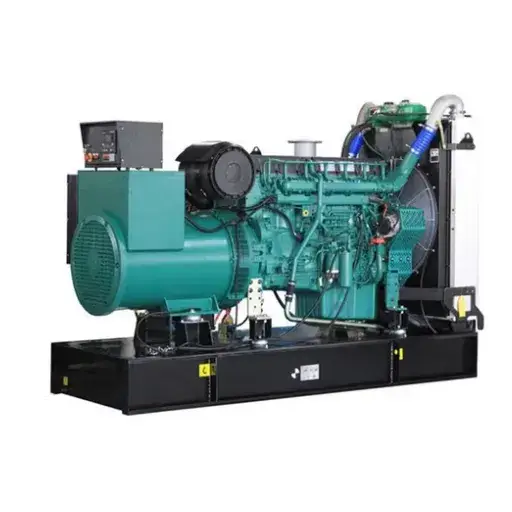
Uninterrupted power supply helps in working the restaurant’s office in an effective manner while helping the management avoid disturbances in services. For food service establishments this is often the case since outages impair operations as basic facilities cannot even be provided including keeping food fresh among other factors. But where such facilities have the provision of backup power like instant generators, the restaurant shall continue serving people and receive unemployed food minimizing wrongfully carrying out perishable food handling services.
backup power for restaurants would include a generator to keep refrigerators, freezers, cookers, and exhaust fans working during power outage. This is the most paramount importance as failure to do so would otherwise expose peoples health to a myriad of risks, with diseases associated with food contamination being the most common in such cases. Other areas which can be assisted by backup power are lighting, pos systems, or heating systems which helps the establishment in complying with health and safety requirements.
Restaurants can have a more relaxed attitude by investing in a backup power for restaurants. The possibility of carrying on business activities in such scrape without compromising the quality of delivery improves the foundation against the threat of customer loss. In the end, proposing a backup system is not only built on a vested interest, it should be an absolute consideration for any restaurant, such that it avoids collapses or loss of reputation and income.
Key Power Requirements for Restaurant Operations
For a customer’s restaurant to operate perfectly and ensure that such a customer is satisfied, a good supply of power is paramount. Importantly, there are basic power requirements such as refrigeration, cooking, lighting and the point of sale in restaurants. Food products cannot survive in the absence of power, hence the presence of refrigeration facilities such as walk-in freezers and coolers. If these went offline, quite a lot of products would go to waste, hence a very costly loss.
Ovens, stoves, grills and any cooking equipment as such require good supply of power to cook and this makes meal preparation possible. If the power goes down the kitchen stops, hence the customers cannot be served in the restaurant. On top of that, chefs will need good fallen ceilings to be able to dine with their guests or work in areas such as the kitchens.
Point-of-sale devices or systems of managing orders and payments usually rely on electricity being delivered at all times. Failure of these systems will lead to frustration, as customers will begin to why there are delays as well as errors and complaints. In order to ensure smooth operations where delivery of high quality services to customers is maintained, backup power for restaurants or sufficient alternatives must be used for the systems that may fail whenever there is a power cut.
Common Sources of Power Outages
Power outages are a very common phenomenon in various parts of the world and they are caused by a variety of factors. Inclement weather conditions such as storms, hurricanes, blizzards and so forth are the major natural causes of power failures. They have very strong winds and rains that can destroy poles, lines, transformers amongst other power equipment which causes blackouts. Technical faults and lack of equipment are the main factors of power failures. It happens when there is infrastructure degradation, excessive load or when some parts of the electrical system unexpectedly fail. It is therefore very important to conduct preventive works and modernization in order to avoid such situations.
Another common backup power for restaurants due to power outages is an acoustic power generator. Depending upon the workload and size of the restaurant, the acoustic power generator can be special designed and customized inside the main kitchen area or other parts of the building. This is where the surface to be protected is large enough and allows for cuts that make a flame over a large part of the open sometimes. This means not only that power can be efficiently generated without excess smoke but it can also reduce the costs associated with operating such noise suppressing generators.
Power failures can be caused by human activities too. Power lines can be accidentally damaged during such activities as construction, vehicle accidents, etc. which will eventually lead to power interruption. Also the energy demand increases, especially when the temperature increases, which in turn causes power grids to be overworked and to collapse. Encouraging the use of less during the peak hours, as well as the installation of strong, efficient energy management measures, can address the problems mentioned.
Types of Backup Generators
Traditional Gas Generators
Having a backup power for restaurants might be the best option during an outage. The said device fuels gasoline or natural gas to produce mechanical energy and then converts it into electrical power, which in turn powers the vital appliances and systems. No matter what size you need, there are models for you. It can be as simple as a portable option that provides energy to a few appliances for a certain period of time or as big as the generator which can power an entire house and deeper – even a building.
The latest gas turbines allow for the installation of system components such as automatic switches that will connect the generator during a blackout within a few seconds. At the same time, though working as intended – producing electricity – they are like any other machinery with engines and must also be maintained i.e. checking for fuel or changing the filters or keeping an eye on – the engine, so that it will work at the optimal level.
Energy consideration is one of the main things to think about. Traditional gas generators are not very economical when it comes to cooking and camping, grocery shopping, construction work and many other activities. Moreover, it may not be very practical to drain off as much fuel as the Generator can withstand due to all sorts of inconveniences associated with this process. Therefore, it is also necessary to know the projected operation time of the generator with respect to the kilowatt hour(s) it can produce, and the amount of fuel it can hold. Most of these generators are often associated with risks such as poisoning due to carbon monoxide emissions hence it is always important to follow the recommended guidelines while using such generators in order to prevent such hazards from occurring.
Nevertheless, gas generators have always been the most preferred type because of their availability and power provision when clients need it most at their fingertips.
Indoor Generators for Restaurants
Indoor generators offer convenient and effective backup power for restaurants in case of blackouts or any other emergencies. These types of generators are intended specifically for indoor use and thus incorporate more advanced features for safety such as inverters, technologies for soundproofing and circulation limit air contamination. Many interior generators are often made to be sleek and very effective in taking limited space, yet rooms designed to accommodate basic kitchenette elements, refrigeration and illumination can further hold their capacity. While outdoor generators might need to rely on dirtier fuels, indoor generators frequently favor the cleaner forms of energy like natural gas and propane as they produce less emissions and consequently reduce individual carbon emissions.
Restaurateurs are naturally drawn to certain indoor generators over others, to a great extent due to the power consumption aspect which dictates how huge the power generators must be so as to safeguard their business. With regard to all such factors, it is advisable to know the extent of the load generated by the critical systems such as stoves, sale machines, heating units, or coolers, to help in the correct selection of the generator in terms of its size and power capabilities. Exciting features such as intelligent monitoring are also available in some of the high range models which allows restaurant owners to supervise the system’s operation as well as the consumption levels of energy directly.
Buying and fixing an indoor generator might look quite expensive at first, however, it is full of a couple of hidden benefits in the long run because operational costs will be reduced during power shortages or the long one at hand would be blackout this case any available resources are well catered for by running the engine towards the cold room hence food spoils less. Currently, several manufacturers have payment plans or renting In addition to making components easily into place systems especially in small and medium enterprises or those working on tight budgets. A backup power for restaurants does not simply just provide that service but makes the customers feel more comfortable and happy since they know that any problems related to the power outside the restaurant will not affect them.
Battery Power Solutions
There is no denying hitching electric power solutions, in this case using battery-powered generators goes along the same lines as development of noise-free energy producing-backing up solution. For instance, lithium-ion batteries which are regarded as the most developed version of all batteries can last for longer periods, store more energy within them and even charge in shorter periods compared with earlier versions such as lead-acid batteries. Such solutions come in handy for ice-cream parlors and other businesses wishing to have a ‘green’ backup power for restaurants. This is so because this kind of support is whispers-free and careless about the environment.
One of the greatest advantages of using battery power supply is that it is highly expandable, thus offering considerable flexibility to owners in determining what size of batteries should be installed in order to meet their specific energy needs. Most units today come equipped with some form of battery storage which also integrates with renewable energies such as solar panels. This reduces consumption of electricity of the national grid, which promotes environmental awareness in great depths. Recent Statistics indicate the increase of battery market and this with rate analysis to consume not less than 20% annual growth over the coming ten years.
Moreover, these solutions have smart management systems that enable real-time monitoring of the condition of the battery, its level of charge as well as energy usage hence optimizing performance and reducing downtime. For companies which seek to maintain high operations standards alongside minimizing environmental impact, which is, battery power solutions are a promising investment designed with respect to ecology, usability and the newest technologies employed in the industry. Ranging from everyday use to backup power for restaurants or bars, LITHIUM power stations threaten to change the way everyone views the same old AC power supply equipment.
Installing a Backup Power System
Assessing Your Restaurant’s Power Needs
The first stage of providing reliable backup power for restaurants is ascertaining how much electricity the restaurant will require, this is the simplest step since it can never be overemphasized. In order to come up with this decision matrix, it is advisable first to interrogate how much electricity is utilized in the business as a whole. Calculate the average energy use as over the entire duration of activities and also temperature, plus how high the energy usage is and at what times, specifically joled in relation to time and machines in use, and in particular to all elementary machines like refrigerators, cookers, air conditioners, or light bulbs. Look at bills, check the Wattage labeling of the appliances, and provide for any increase in demand energy due to seasons as well as air conditioning. This process determines the size of the backup power system needed to address the volume of power loss that is to be experienced.
Besides that, consider a schedule of each type of load in your restaurant and specify the priority of equipment and systems when there is no equip. or systems’ power supply. You must remember that cooling appliances such as a freezer and a refrigerator should come first to protect food from spoiling and follow the food code. The same applies to POS systems, ventilation, and emergency lights in case of blackouts. The ability to discriminate between systems that are important and those not so much will help in arriving at the calculations of the expected load and concomitantly design the backup system appropriately to avoid wastages and overestimations that go with idle capacity.
To conclude, make sure to think of the size and the targeted growth of your restaurant with regard to the requirements for power. Whenever there is an expectation of growth or the use of additional equipment or transformation of the sitting arrangement, there may be a spike in the energy demand pertaining to such a business. By working with trusted energy specialists or backup power suppliers, you can take into account any potential expansion and also upgrade your system to cater for immediate as well as long-term demand. These specific evaluations not only help in installations, but also work towards safeguarding your business from any and every eventuality, thereby guaranteeing running of operations smoothly and efficiently.
Choosing the Right Backup Generator
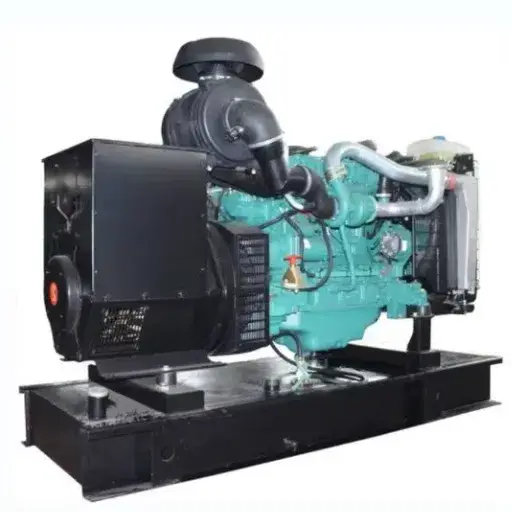
When it is in the final analysis directly related to the ‘how does one select a suitable generator,’ I do begin from probing into my individual requirements in comparing this or that generator. This includes assessing the overall load my business demands every day, for purposes of choosing a well sized generator. In the case of essential services, I determine the wattage of important appliances, equipment and systems in order to keep services operational during a blackout. This way, I am able to optimize the use of the generator without either overloading or underutilizing it.
Besides, I consider the fuel type which affects the efficiency and cost of running the generator, and whether or not it is appropriate for the business. Dieseland natural gas fuel generators are the two most preferred. Each one has a set of advantages. Diesel generators for example, are quite robust and dependable, while natural gas generators are cleaner and easily available, to provide optimal power capacity. I compare and contrast all these with my operating objectives and make a choice of what will best serve my purpose.
The next important step that I do is engage a specialist to evaluate critical components and installation factors. Issues like automatic transfer switches, noise levels and maintenance issues will determine the capability and durability of the generator. Further, I make sure that it is well positioned in accordance with the regulations and there is sufficient room for ventilation and servicing. This allows me to make the right choice so that my backup power for restaurants is optimal, effective and most essentially able to support the business anytime.
Installation Considerations and Best Practices
A key consideration in the installation of a backup generator is the optimal positioning of the device with regard to safety standards for its effective operation. It is necessary to install generators on a flat surface and preferably on a concrete pad or any other suitable solid base to minimize vibration and wear over time. Also, they must be situated in a ventilated room to reduce the chances of overheating and accumulating carbon monoxide. Also, it is imperative that the generator be placed five or more feet away from window, door or vent openings in order to promote safe operation and thereby comply with all the relevant legal requirements.
Electrical connections and proper load configurations are necessary when installing generators. In order to properly install the automatic transfer switch (ATS) and make it function seamlessly in case of a power failure, it is important to seek advice from a qualified engineer; this is requisite. The automatic switch ought to integrate effectively with the generator as well as the building’s electrical system, lest the circuits get stressed beyond their capacities or the appliances connected are destroyed. In addition to consultancy services, determining the right size of the generator without regarding the said power need of your home or business is a very disastrous move. It is advisable to conduct a load analysis that includes all the necessary equipment such as lighting, along with the HVAC and refrigeration systems, so as to avoid undersized and hence ineffective machinery or an oversized machine that would unnecessarily burn up fuel.
The performance of generators over the course of time depends on proper maintenance or regular checking of machinery. Once it is installed, it is necessary to if possible establish a check up timetable that allows observing and assessment on tear and wear, consistency of oil levels or oil losing rate and cleanliness of air filters. Load testing the generator at certain intervals amounts to confirming operation status and readiness for use if urgent arises. Technology has also improved fast monitor systems that enable the user to access the performance of the generators, with its fuel levels, hence taking corrective measures where there is a problem. These simple precautionary measures and lack of negligence all through the improvements will make it possible to prolong the use and functioning of the back-up generator.
Operational Advantages of Backup Systems
Ensuring Business Continuity During Outages
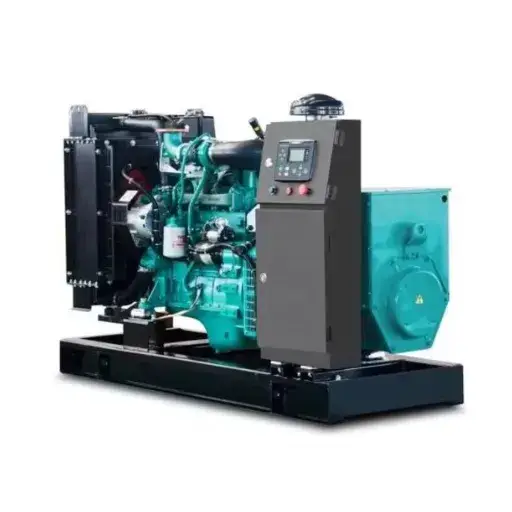
In the world of business, ensuring continuity in the face of power interruptions is fundamentally crucial for organizations given that the adverse implications of even minimal downtimes in the present day exist: heavy losses, interruptions in the operations, or damage on the image of the company. Downtimes can be controlled by availability of alternative power sources better known as backup systems such as standby generators or uninterruptible power supplies (UPS) that guarantee continuity of essential services during primary power deficiencies. This is more critical in institutions and industries such as hospitals, manufacturing plants and data centers where there is no breaking the power chain requirement for keeping life saving equipment or for those that require equipment not to stop operations for a single moment.
The incorporation of improved backup systems with smart energy solutions enhances reliability. An example is the installation of backup generators equipped with remote monitoring and self-diagnostic capabilities which allow an operator to monitor the performance and diagnose the problems in real time. The Internet of Things based solutions facilitates energy management, as they focus on how a business uses power, how it can cut down on consumption and prepare in case of interruptions using predictive analysis. Well, such advancements help in efficient time management and reduced risk in operations.
In addition, like any other systems, backup power systems require regular servicing and periodic testing to ascertain their effectiveness. Most companies are now taking measures to ensure preparedness for any eventuality by conducting regular tests on their facilities and, assessing the quality of the fuel, or upgrading vital parts. The modernization of backup power systems together with better operational strategies helps business reduce most power related anxiety and operate smoothly without any disruption to avert any losses that may be incurred thereby enhancing their profit margins and promoting long-term sustainability.
Impact on Refrigeration and POS Systems
There are multiple effects of power loss in regard to refrigerated and point-of-sale equipment, particularly for businesses catering in retail and food industries. Those are critical factors in terms of business operation and potential failures usually cost quite a lot. Some five impacts are discussed below in detail.
- Distortion of Temperature and Food Loss: Refrigerators are highly reliant on electricity to keep the food inside cool and edible. As such, just a few minutes of a power blackout could lead to the degradation of perishables translating to loss in revenues. For instance, based on research findings, even just an hour’s blackout can spoil inventory value worth hundreds of dollars in the smallest of grocery stores
- Interference in Cashier’s Point of Sale: POS equipment is crucial in terms of payment processing, sales monitoring and stock management. This implies that when power fails, these tools fail too, hence resulting to transaction delays and probably even loss of custom. Organizations that do not have such capability will undergo an instantaneous loss in their income without offline operation of the POS.
- Historical Data Loss from Sales and Inventory: A sudden electric cut-off may get rid of backups and valuable information on sales and inventory. With no efficient means of backing up data, many businesses tend to lose data which in turn affects them negatively.
- Increased and Unnecessary Costs in Maintenance and Repairs: Repeated power failures can take their toll on refrigeration units and POS machines, which are bound to break down sooner or later. Such eventualities attract costs related to repair and maintenance which results in operational deficits.
- Poor Customer Experience and Brand Equity Devaluation: Downtime as a result of service interruptions is directly proportional to the customers’ experience. Excessive waiting, non-processing of payments, or insufficient inventory levels impact reputation and motivate clients over time to stay away from business.
With the help of strong back-up systems and policies to deal with such weaknesses as described above, firms can limit their risk exposure and be operational. Such measures help to solve the aforementioned problems.
Long-term Financial Benefits
- Less Expenses for Idle Time: Whenever possible, companies will strive to avoid lengthier gaps in services by implementing reliable contingency structures that lower the downtime costs of a business – that is the loss of income or any interruptions resulting in loss of productivity.
- Increased Functioning Capabilities: Moreover, the ability to plan and work ahead will make operations easier which will eliminate any resource wastage or time. Thus decreasing operational expenses with time. Higher level of efficiency is a reason for a higher level of profit margins.
- More Effective Customer Maintenance: Businesses with essential systems don’t face the problem of discrepancies in service that they render to the clients. Clients will be strong, and they will be loyal to the organization, and this will take out additional customer acquisition costs and the cost of new customers services.
- Reduced Probability that Information Can Be Compromised: The availability of working backups and effective recovery systems guarantee the safety of company’s high importance data. Such prevention techniques also prevent lawsuits, penalties and public embarrassment due to failure or leakage of data; hence, over time, cost effective.
- Improved Return on Investments: In order to eventually enjoy high returns, investments are made in reliable systems as well-bound anticipatory strategies and in most cases, high returns are achieved in the end. Accordingly, the fact that with such systems the level of risks is lower, efficiency of work is higher, and customers’ loyalty is more enhanced, is an added inducement to someday reach the financial goal.
Reliable Power Solutions for the Hospitality Industry
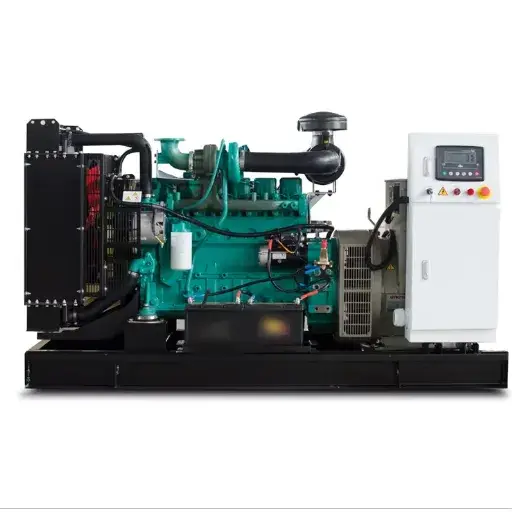
Dependable Backup Options
To avoid disruption of services in the hospitality industry, it is important to have systems that can provide backup power in case of failure. Few key facilities such as backup power for restaurants cannot be ignored during facility planning due to the key role played by them in operation continuity and service delivery in case of power failure. In case of power failure, the UPS and the generator will be instantly carried by the customers because of its availability to supply them. When these systems are used together, it is easier for businesses such as hotels, restaurants, and bars to maintain a steady supply of power as it is a more realistic measure of service provided.
Modern and innovative concepts for backup power for restaurants have been introduced in response to the developments, which have taken place in the industry lately. Its advanced facilities include the installation of smart monitoring, automation of Failover switches, and energy storage thereby enabling operations to be cost effective and high reliable. Take, for example, Li-ion technology batteries, which offer faster charge and discharge cycles more than the traditional lead-acid batteries and also tend to last longer thereby enhancing the preparedness of hospitality firms against such downtime. Apart from this, tools for monitoring and managing the systems remotely are available which enables tracking of the system statuses in real-time and addressing any nuisances even before the guests are affected.
According to research conducted within the hospitality industry, the lack of productivity in such facilities translates into serious economic loss. Due to surveys carried out over some period, some of these establishments can lose more than a thousand dollars within an hour of business interruption. Business continuity remains to be a shared concern for bakery chains, and this is understood – because everyone need to swarm to the same place bird or car. The presence of uninterrupted power was not nearly concerning as today; it was referred to as backup power for restaurants. It is the eco resorts which by taking care of advancing their technical power infrastructure are able to achieve higher maturity.
Comparing Commercial Generators and Battery Systems
Commercial generators offer high power and long runtime but are noisy and emit more, while battery systems are quiet, eco-friendly, and ideal for short-term or sensitive needs.
|
Key Point |
Generators |
Battery Systems |
|---|---|---|
|
Power Output |
High |
Moderate (Scalable) |
|
Runtime |
Long (Fuel-based) |
Limited (Battery-based) |
|
Fuel Source |
Gas/Propane |
Electricity |
|
Noise Level |
High |
Low |
|
Maintenance |
Regular |
Minimal |
|
Eco Impact |
High Emissions |
Low Emissions |
|
Ideal Use |
Long Outages |
Short Outages |
|
Sensitive Equip. |
Not Ideal |
Ideal |
|
Cost |
Higher (Fuel Costs) |
Lower (Tax Credits) |
|
Scalability |
Fixed Capacity |
Expandable |
Future Trends in Restaurant Power Supply
The transformation in technology along with the heightened awareness of the importance of being responsible to the environment have raised new operational issues in powering restaurants. Some of these developments are already taking place with efficiency, economy and aiming to cut down the carbon footprint.
- Adoption of Renewable Energy: Restaurants are increasingly using renewable energy such as solar and wind powers. In particular, the buildings, with the use of photovoltaic panels, can use power during the day energy decreasing dependence on the electricity of the power grids. Moreover, with storage solutions available today such as modern lithium-ion batteries, restaurants able store some extra energy for those extra hours when there is more demand or in case there is a blackout.
- Distributed Generation Concepts: Microgrids make it possible for restaurants to produce electricity, and manage it without reliance on external providers. Microgrids integrate external form of power which comes from solar panels and its subsequent storage in batteries and backup generators to form a composition of power supply model. This is a challenge to power outages and the over dependence on utility companies but this can be avoided. Microgrids find more practical use in areas where even distribution of power is impossible and natural occurrences that disrupt the economy are rampant.
- Smart Energy Management Systems: For instance, it is no longer a principle that the more power the commercial activity consumes the better it is. Such appliances work based on the Internet of Things and are equipped with embedded sensors that help reduce power wastage by tweaking the appliance in line with the duty needed. Therefore it is possible that the appliances such as in the kitchen switch to a power-thrifty mode during non-working time and even h.v.a.c. are programmed to work according to the number of people in the room. Thanks to these technologies it is possible to conserve energy as well as cut down on electricity expenses.
- Walking Electric Ways: Restaurants are phasing out the gas-cooking and heating systems and favoring the use of electrical appliances instead. Induction cookers and electric ovens not only conserve more energy but also help achieve sustainability targets as they help cut emission levels. This development is reinforced by policies and programs developed by governments to assist in electrification efforts in businesses.
- Carbon-neutral and Energy-efficient Practices: Restaurants all over the world are targeting fast accretion of emissions and achieving the net zero desire by engaging in best energy waste management practices and compensating also for the other emissions that may occur. Such practices include the use of efficient lighting and appliances, making the building climate control better to avoid energy leakages and commissioning of licensed green power.
- Energy as a Service (EAS): Companies that supply electricity have started to offer new business models, aimed at restaurants and called Energy as a Service (EaaS), whereby the consumer avails usage information instead of being devoted resources for physical facilities. These models allow for sophisticated energy resources to be enjoyed with no upfront payments, which makes small to mid-scale enterprise businesses gravitate towards them.
Powering restaurants in coming years will be primarily determined by technological development as well as, emphasis on environmentally friendly approaches. Such perspectives would contribute to building sustainable and effective operations for the restaurants while making the business more cost-effective in the longer term.
References
-
Cornell University – Safeguarding Hospitality Service: This document discusses the importance of backup power in the hospitality industry, including restaurants, to maintain critical systems during emergencies.
-
Environmental Protection Agency – Public Safety Power Shutoff Session: This document explores alternative backup power options, such as batteries, for businesses including restaurants, during power shutoffs.
- Click here to read more.
Frequently Asked Questions (FAQ)
Q: What does backup power for restaurants mean? Why is it so vital to have it?
A: Having a backup power system installed in the restaurant inconvenience arises, these systems provide temporary power. This can be achieved by among others, having mobile restaurants generator units, geneforce emergency power systems, or installing power enhancing equipments such as special bakery batteries. Such systems are crucial in that they act in the interests of food protection, sustain working order of cold chambers and chest freezers, ensure work down time of lounge no more than necessary, and continue the commercial food operations until power is fully reinstated.
Q: Which type of backup power becomes appropriate for long lasting power outages?
A: The most effective way for solving power problem during long lasting blackouts, mostly consists of these: Powering large scale restaurants, relying on fuels or generators mountable on trucks for moving fuels or large power connected battery inverter systems. Backup Power for Restaurants includes a Burn Prolongation feature, and a generator that departures during charging to assure outputting current is ready for outages greater than short.
Q: In this context, alone on batteries, will the refrigerators and deep freezers remain in safe temperatures?
A: A battery back-up may keep critical systems on for a short while and this is good for quite a certain period during blackouts (to prevent spoilage for instance), but in order to get through an extended power outage, commercial refrigerators and freezers usually need a bigger stand-by power system such as a generator or an emergency geneforce power system to keep everything intact and within National food Code standards.
Q: Is there a way that food safety and important equipment can be preserved through the use of emergency power supply systems?
A: To protect safe food storage and cooking procedures as well as survival of equipment, emergency backup power provides energy to refrigeration, heating and air conditioning equipment. This is the mission whether it is a geneforce power source, a backup battery, or generator. Therefore, the aim is to maintain the appliances in a commercial kitchen constant power supply in order to prevent any damage that could result from spoilage or damage to equipment being used when power outage sets in.
Q: After the power has been restored will the maintenance of the backup system be necessary?
A: Currently nearly all, for example a few, of the geneforce backup power system models provide a recharging capability that prevents generator’s engage of the charging process in vain. On the flip side, you also have generators for which a periodical maintenance must be carried out, and there are those that say the generator does not require maintenance or is equipped with automatic features that allow less interference from the clients. Anyway, some tests and checks should be performed since the possibility of a blackout cannot be completely ruled out.
Q: What steps should I take to select an effective succinct solution to backup power for restaurants and supermarkets alike?
A: Make a selection by evaluating the needs of the campsite and the equipment size of the total load: sum the power levels of the food preparing machines, the refrigerators, and the emergency services. Choose the system that could take into account factors as build, recharging potential of the generator, capability of entirely automatic power supply, noise performance, or even consider that it may be important to have a backup power that incorporates or facilitates automatic mechanisms such as uninterruptible power supply to maintain any operation for a longer time disturbance in power supply forces prolonged discontinuation of operati