
One of the factors that make it more challenging to run mining activities in isolated places is the availability of power when it is needed. It doesn’t matter whether it is running machines that are crucial for operations safety or nothing, this dependable energy source is utterly indispensable. In such situations, the importance of a readily available generator cannot be emphasized enough. It is because of this reason that diesel generators are able to play an integral role in backup power applications. These devices — known for their durability, productivity, and orientation — serve as a security measure when there is no power, and it is this factor that makes these devices very indispensable where any such operation requires high costs during power interruptions. The purpose of this article is to explain the reasons why diesel generators are still regarded as the ideal secondary power source for mining sites that are in remote areas how useful they are in operation, basic leading issues, and helping to maximize productivity in some of the worst areas on the globe.
Understanding Diesel Generators

What is a Diesel Generator?
Designed to produce electricity, a diesel generator comprises an electrical alternator and a diesel engine. The diesel engine burns the fuel to provide mechanical power, which rotates the alternator to produce electricity. Therefore, even when there is limited or no access to electricity, this mechanism provides a reliable source of electricity.
Due to their great performance in serving as a backup power supply system, most institutions rely on diesel generators. They can be used for various power-producing operations at different power levels from small-scale operations up to industrial operations. With an appropriate design, they can perform efficiently even in abrasive conditions that could be prevailing for example at a mining site.
Key Components
- Engine
- Alternator
- Fuel System
- Cooling System
- Control Panel
Unlike some alternate methods of power generation, diesel generators are reliable and capable of operating continuously under high loads making it indispensable for industries and sectors that cannot have power failures.
How Diesel Generators Work
In Diesel Generators, diesel fuel’s chemical energy is orderly transferred into mechanical energy, which is then transformed into electrical power as well. This upstream sequence commences with the burning of fuel within the compression operated diesel engine, which in turn converts energy to mechanical in terms of rotational energy. Which promotes untiring rotation of another important part called the alternator. That is the production of electricity is possible thanks to the rotating coil inside the magnetic field. The electricity produced within the alternator turns to the system as a load and can also be conserved for later use.
The fuel system of the generator provides a supply of diesel to the engine and keeps it at the adequate pressure and flow. A cooling system is also very important as it dissipates the heat generated through such mechanical work, so that the engine and alternator can safely and effectively perform under load for long periods of time. At the same time, the control panel gets readings in real time and also lets the user adjust the output, monitor the operation and carry out diagnostics to neither minimise the incidence of any faults.
Diesel generators are manufactured specifically for the purpose of providing energy in a sustained manner regardless of any parameters that may affect the generator unit during operation. Such generators are very useful in situations where energy is sourced as an alternative, for example, at hospitals, data rooms, and industries, where there would be a lot to lose in case of any disruptions. The capability of meeting power demands when required, and the dependability and robustness which these diesel Generators possess is highly attractive in as much as their use is concerned for Temporary and Standby power.
Benefits of Using Diesel Generators
Improved Fuel Economy
Diesel generators are remarkable for their superior economy compared to the other types of generators. Each kilowatt produced by a diesel burns less fuel thus less money is spent particularly during long operations. In the same way, fuel consumption between situation generators and diesel ones differ with some new models giving consumers a 30 percent save.
Strength and Durability
Diesel generators are intended for hard work and therefore the materials they use in their manufacture is quite strong and lies quite some time if it is well oiled in these days of plastic coatings. Plants for the most typical lensed generators have been developed and applied with an operation time of 20 – 30 thousand hours with few productive major repairs.
Stable and Sturdy Power Supply
Diesel Generators allow provision of stable power supply over prolonged use, and hence are highly relevant for critical power needs such as those experienced by hospitals and data centres. This is because the generators maintain a stable voltage level and frequency, preventing any issues from occurring with electrically supplied, procedure-sensitive devices in the event of a power cut.
Maintenance Levels
Diesel Generators have simple ignition systems that do not use spark plugs, and thus their maintenance rate is relatively lower than that of petrol engined generators. This factor is important because it lowers downtimes and operational and, in essence, compatibility costs for businesses that require power supply on an ongoing basis.
Flexibility in Scale of Use
There is a possibility of using large size generators with diesel engines, some of which can serve small businesses to huge industrial complexes. In fact, at the consumer level, capacities of more than 2000KWs are possible, enabling one to operate either small or medium scale operations. This means that they can take up different industry sectors and multiple operations easily.
Types of Diesel Generators
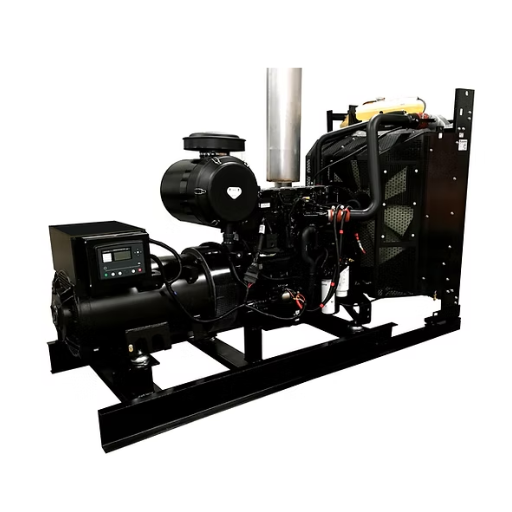
Portable Diesel Generators
Diesel Generators are light and easy to carry power sources, capable of supplying the needed power in various scenarios, whether in engagements that require ai appearance or on the failure of power supply at a particular place. They are commonly designed in such a way that they carry a robust, weather-proof metal casing and a set of wheels or a carrying package. Standard sizes can power basic machinery and lights, as their power performance is within the range of 3 kilowatts (kW) to 10 kilowatts (kW).
Modern Features
- Automatic Voltage Regulator (AVR) for safe power output
- Sound proofing for noise control
- Weather-resistant metal casing
- Wheels or carrying package for mobility
In technical terms, gasoline-powered generators are not the best because of their fuel usage and the fact that they only work for a short period compared to portable diesel engines. This is due to the fact that diesel fuel has a higher energy content per unit volume thereby resulting in a longer, uninterrupted operation with the same amount of fuel. More so, they are well-built, which enhances durability and performance even when exposed to caustic environments. All these benefits make portable diesel generators a needed source of energy for large and small scale businesses as well as temporary power supplies.
Industrial Diesel Generators
Diesel Generators are particularly designed to suit the power requirements of high capacity facilities- institutions or operations and are highly efficient and robust. More often than not, new designs employ engines with technologies that improve the burning of the fuel that is incorporated to allow for a decrease in the fuel used for power production. This in turn lowers the cost of operation. These generators can even operate in continuous power modes granting the operators outputs from the thousands to several million watts which makes them essential in sectors like manufacturing, healthcare, data centers, or the mining sector.
Additionally, industrial diesel generators have advanced features to suit an integrated control panel and automatic monitoring systems, which promotes remote usage and proper monitoring of the performance. In addition, most models now include after treatment systems such as diesel particulate filters (DPFs) and selective catalytic reduction (SCR) systems so that the models meet environmentally conscious levels. These improvements are not only meant for the purpose of adherence to regulations but also take into consideration the advent in green technologies.
Another major benefit can be found in the strong built and durability of such generators, which have been manufactured with an orientation to basic operations, such that they can be used in extreme conditions and over a long duration. Such generators are always fitted with adequate over cooling facilities and more reinforced parts, so that they can work even when constantly loaded. Because they require minimal service and have a quick reaction to the loads, the use of diesel generators in critical operations is inevitable.
Diesel Generators for Home Backup
Diesel Generators for backup power in homes are becoming a common sight especially in areas that experience persistent blackout or harsh climatic conditions. The generation of electricity which in this case is diesel fueled becomes an assurance and reliability to a homeowner in case of a power blackout thus ensuring all necessary appliances and devices are catered for. New models of home diesel generators incorporate features such as automatic transfer switches that sense power interruptions and immediately switch the power to the generator without much interference.
Technical Specifications
| Power Output | 5kW to 30kW |
| Fuel Consumption | 0.4 to 0.6 gallons per hour |
| Key Features | Automatic transfer switches, noise suppression, emission control (DPF/SCR) |
Diesel fuel, unlike gasoline, has an increased energy density, which from a technical point of view, means it runs for longer and therefore, these units are economically viable in continuous run. When we consider household Diesel Generators, space and noise levels are vital issues. It is for this reason that newer noise suppressing equipment and versatile designs have made such generators applicable to households.
Generally speaking, it can be said that Diesel Generators offer a stable, very efficient and tough backup power option for homes as, more than ever, there is a growing desire to build up energy security in the places where people reside.
Choosing the Right Diesel Generator
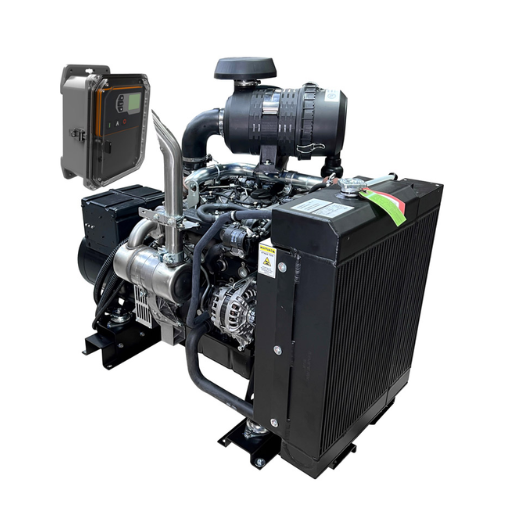
Factors to Consider When Choosing a Diesel Generator
Key Selection Criteria
1. Power Output Requirements
Determine the amount of electrical power required to operate essential appliances or systems, for example HVAC, refrigerators, lighting, health equipment or some other family systems, during a power failure. Generators are normally divided based on the amount of output which is expressed in terms of watts or kilowatts, that is, such models should be able to withstand peak loads and not cover loads that may lead to an overload or an accident.
2. Runtime and Fuel Efficiency
All contemporary diesel generators have a good degree of fuel efficiency as they are designed as such. However, the consumption is often presented in gallons per hour for different percentage loads of operations being carried out. It is advisable to select such a generator that would provide long running hours and still consume less fuel, to avoid extra expenses during operations. Moreover apart from the fuel economy, there would be need to consider how easily diesel fuel can be found within the area together with how to store it to the specified minimum required safety standards.
3. Sound Levels and Environmental Impact
Diesel Generators, as they are internal combustion driven, can be very noisy or otherwise. When purchasing units destined for noisy environments, go for the better soundproofed ones, especially those with sound enclosures that contain the sound within the permitted decibel levels. Don’t forget to verify if the latest regional standard applies because some countries require the users to take the responsibility of controlling the pollution created by the generator’s exhaust.
Best Diesel Generators for Remote Mining Operations
When choosing Diesel Generators for isolated mining enterprises, the utmost priority should be given to a generator model that boasts reliability, fuel economy and ruggedness in extreme environmental conditions. The place of the following generator models is rated among the highest based on excellent operation functionality within the mining processes:
Caterpillar C32 Diesel Generator
The Caterpillar C32 Diesel Generator is constructed as a high power duty generator with its 830 kW to 1250 kW power output capacity. Most advanced electronic features are incorporated into the unit for better load control and reduced fuel consumption. Strong build commands efficient work flow in extremely high or low temperatures or topped mountains which mining is mostly associated with.
Cummins QSK95 Series Generator
This text discusses the purpose of the QSK95 series, which is notable for being able to offer over 3500 kilowatts in compact and modular shapes. Advanced fuel systems and filtration strategies by Cummins compose the working mechanism of this generator or engine smoothing high mitigating the high rate of emissions and the low performance of other generating engines. Such a generator can be applied in operations of huge scales that require continuous and reliable power.
AKSA AP1250 Diesel Generator
The model offers an optimal mix of durability and cost effectiveness and Produces up to 1250 kVA. The ACCO ACT-AP1250 model is also designed in a silent canopy and orders Low Noise and Pasring Tier 3 level, ensuring low impact of operation on the environment and having isolated the noise.
MTU Onsite Energy 16V Series
The MTU 16V series is perfect for use in areas disconnected from the national electric grid and places that require electricity in the entire 24 hours. There is a wide range of MTU 16V series producing between 1600 kW and 3250 kW. The modular design makes servicing easier and the low consumption rate provides prolonged operating times while achieving lower fuel consumption.
Perkins 4008TAG2A Diesel Generator
Played out across thousands of mining locations worldwide, the 4008TAG2A Perkins generator is preferred for dehydration and mid-sized mining applications. With an installed capacity of 1000 kVA, Perkins generators work for optimized operation even in severe weather. The 4008TAG2A package is supported by efficient and safe power pack systems that prevent overloading.
Note: All these types of electric generators meet all the strict conditions of working in such places- many hours of work, harsh weather or transportation – a reliable source of energy is created. It is of great necessity to carry out especially among Diesel Generators, maintenance and site preparatory activities well to improve the performance of the generator and also to do away with premature wearing out of the machine parts.
Diesel Generator Fuel Considerations
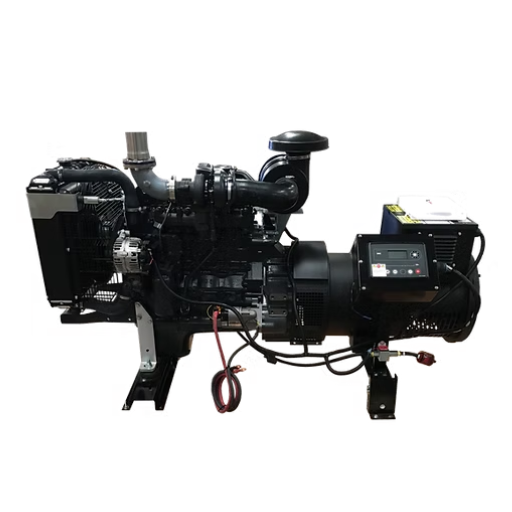
Types of Fuel for Diesel Generators
Diesel Generators are predominantly run-on the ‘Petroleum L-Refined Fuel’ also referred to as ‘White Diesel Fuel.’ Number 2 diesel fuel or generally speaking regular diesel, is more common and preferred because it is readily available in large quantities and performs best even with high loading operations. However, as Fuel sciences advances, alternative sources of fuels ranging from bio fueled diesel to synthetic diesel have been developed.
| Fuel Type | Description | Key Benefits |
|---|---|---|
| Number 2 Diesel | Standard petroleum-refined fuel (White Diesel) | Readily available, best performance with high loads |
| Biodiesel (B5/B20) | Renewable fuel from vegetable oils or animal fats | Lower CO2 emissions, reduced particulates, sustainable |
| Synthetic Diesel | Gas-to-liquid or biomass-to-liquid process fuel | Ultra-clean burning, very low sulfur, less engine wear |
| Ultra-Low Sulfur Diesel (ULSD) | Diesel with minimal sulfur content | Regulatory compliance, reduced sulfur oxide emissions |
| Winterized Diesel | Specially treated for cold weather operation | Prevents fuel gelling in freezing conditions |
Choosing the right type of fuel is largely determined by fundamental considerations such as the generator’s technology, the suitability of surroundings, and the applicability of legislation. Ultra-low sulfur diesel (ULSD), as required in many locales to control sulfur oxide discharge, has become a norm across several sectors. At the same time, in severe frosty weather, the usage of “winterized” diesel may be necessary so that the fuel does not gel, and smooth operation is maintained. For such cases, suppliers also provide fuel conditioners to prevent degradation of fuel for long periods of storage, which is essential in ensuring stable operation.
Knowing the specifics of each fuel, together with its environmental and operational consequences, is particularly important in achieving higher generator performance efficiency and adherence to the energy needs of a region, which differs from one industry to another.
Fuel Efficiency and Consumption Rates
The fuel effectiveness and utilization rates have been observed to be very crucial metrics in determining industrial generators costs, as well as their sustainability. Such an efficiency parameter specifies the extent of fuel used to produce one kWh of electricity, and advanced systems are constructed in order to minimize fuel consumptions due to loads. This consumption rate is usually determined by the size of the generator, the percentage of its total generation capacity being exploited, and the working conditions like temperature and altitude of the engine.
Example: 500 kW Diesel Generator Consumption
At this stage, it is important to tackle the problem of generator’s output by matching it to the energy requirement of the system in such a way that there are no unnecessary wastes.
Emerging technology now encompasses initialization of control systems that use real-time data to continuously track fuel consumption and efficiency parameters, aiding the operators in understanding trends and identifying wasteful areas. The features allow for enterprises to perform maintenance before components fail and enhance generators over a period of time. Using other energy sources such as natural gas and biodiesel where possible helps cut costs and greenhouse gases which enhances the efficiency of operations and achieves sustainability more effectively too. Knowledge of them, notwithstanding their values, becomes imperative in order to make rational decisions involving deployment and operation of Diesel Generators in all demanding and difficult environments.
Storing and Managing Diesel Fuel
It is important to make sure that diesel fuel is stored and managed properly to avoid fuel contamination and environmental damage. Facilities that are designed for storage of diesel fuel and used by any industry must comply with various health and safety standards in order to minimize the risk of contamination, degradation and spillages. These systems include containment vessels such as double walled fuel tanks as well secondary spill prevention systems. Diesel Generators as well as fuel storage tanks located on site should have suitable protection to monitor entry of water and sediments including diesel bug, an internal problem caused from accumulation of water or microbial growth within the system.
Best Practices for Fuel Storage
- Regular testing of cetane number, fuel stability, and water content
- Implementation of fuel polishing systems for circulation and filtration
- Temperature and humidity control to prevent oxidation and stratification
- Integrated fuel management systems for monitoring levels and consumption
- Double-walled fuel tanks with secondary spill prevention systems
Cost-effective Practises For Preventive Maintenance With Diesel Generators Can Also Be Achieved Through Proper Fuel Storage And Usage Practices. For large applications, there are integrated fuel management systems that allow one to monitor the level of the fuel, record consumption of the fuel and determine any refueling needs. Such systems allow exact control over inventories, reduce wastage and help improve efficiency while managing energy in demanding operations.
Operational Considerations for Diesel Generators
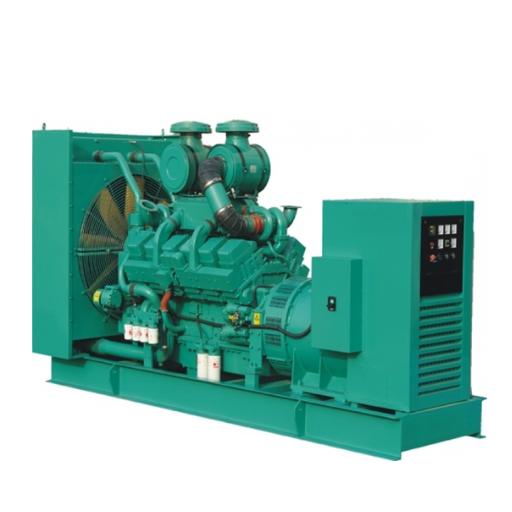
Maintenance of Diesel Generators
It is vital to look after the diesel generators in order to keep them working properly, efficiently, and over a longer period of time There is a set of maintenance tasks to be accomplished including routine checking of the Engine parts, Engine system, and fuel system. This also involves monitoring and cleaning electrical connections. Changing the oil and then the filters at regular intervals enhances proper circulation of the same and inhibits contamination of dirt on the engine. On a similar note, in order to avoid wear and tear, certain levels of coolant should be checked, while also examining the cooling system.
Essential Maintenance Checklist
Maintenance of batteries plays a significant role in preventing a generator from failing to start due to excessive sulfation or retention of too little charge. Frequency load testing should also be done on the machine in order to prove its ability to equip the rated load without any problem. On top of that, engines should be regularly serviced by cleaning the air filters and intake systems to maintain air circulation, and in turn, engine performance.
In addition, prevention measures maintenance can be adequately enhanced with improved diagnosis and monitoring systems. Such systems are designed to assist operators with real time assessment of performance indicators like how much fuel is consumed, temperatures of the engines and how long they have been running among other details. As those statistics are available, they allow swift identification of problems, which consequently means less short stops or costly maintenance works. The health of a diesel generators especially when they are required most can be preserved by implementing a well-defined maintenance program.
Safety Protocols and Best Practices
The safe use of Diesel Generators requires conformity with the appropriate legislation and codes of practice. Among other things, operators have to carry out tests including checks for fuel leakages, inadequate electric cabling, ventilation and the like, which could result in fire and other effects related to the overheating of devices. Safe storage of fuel in accordance with the respective standards of the region should be considered to reduce contamination or explosion risks.
Critical Safety Measures
- Regular operator training and emergency drill sessions
- Comprehensive checks for fuel leakages and electrical cabling
- Adequate ventilation systems to prevent carbon monoxide poisoning
- Installation of safety monitoring devices for excess gas detection
- Effective grounding and bonding of electrical systems
- Proper load management to prevent system overload
It is important that operators receive regular briefings in order to acquire awareness of The relevant operating procedures and emergency drills and the Changes made thereon. This also requires reading the user guide of the generator, testing the safety cut off of the equipment, and operating the equipment in case of an emergency. Adequate provisions for ventilation should be made to avoid the dangers of carbon monoxide intoxication and sufficient safety monitoring devices should be provided to monitor excess gases.
In addition, and most importantly, all electrical systems must incorporate effective levelling and bonding in order that there might be no danger of electric shock or short – circuit. And the load management needs to be done in such a manner that the system does not suffer from overload which can overheat the system or spoil any equipment. Therefore, incorporating these guidelines with real time monitoring systems, an organization will be able to build a relevant system of both safety and performance.
Understanding Standby and Backup Configurations
For system dependability and to limit any disturbance, standby and backup setups are very crucial. A Standby system is not meant to be used in the day to day running of operations since it is only deployed when the main system collapses underwent maintenance or has been brought down temporarily. They include hot, warm or cold standby according to how quickly they are switched on and how much synchronization there is with main one. An example is the hot standby, where it implies that both systems are active, running and synchronised with each other at all times for the sake of continuity.
| Configuration Type | Characteristics | Switch Time |
|---|---|---|
| Hot Standby | Both systems active and synchronized at all times | Instant |
| Warm Standby | System ready but not fully synchronized | Minutes |
| Cold Standby | System offline until needed | Extended period |
In contrast, background strategies refer to the efforts taken to stack and keep vital data and the states of the system effective and system valued, with restoration of operations in case anything goes wrong. Background policies usually consider the use of full, incremental and differential back-ups each of them being targeted to specific retrieval goals and execution demands. The variations being any of these configurations is required is made with reference to these variables: RTO, RPO, and the worth of the business operations in question.
Incorporating these concepts with new technologies such as predictive data analytics supported by artificial intelligence and Cloud back-up systems, enables the increase in Diesel Generators and operational preparedness levels stijlvolle increases.
References
- Duke University’s Nicholas Institute: Discusses the use of diesel generators in data centers and their implications.
- Nuclear Regulatory Commission (NRC): Explores the use of emergency diesel generators in nuclear power plants.
Frequently Asked Questions (FAQ)
Q: Diesel Generators: What are they and how are they different from other generators available?
A: Diesel generators are engine generator sets that rely on diesel fuel rather than gasoline or gas to generate electrical power as the diesel power is better than the gasoline type of generators, as these do not devour too much fuel. What is more, they are more durable and less costly to run if engaged for a prolonged period of time or for highly bogged down works. It is possible to get these diesel generators in either single phase or three phase and these could be useful as backup power generators in case of any power interruption or primary power generators in sites or farms.
Q: Why should I get one over the other, in terms of standby and prime diesel generators?
A: If you look back and forth between, for example, an emergency preparation standby diesel generator and a full load prime rated diesel generator, you need to know how it will be used. The standby diesel generators (a standby generator) is designed for emergencies only with moderate panels – for fail over power when there is a power outage. The standby unit can provide fail over power very easily using automatic transfer switches and the surge currents are not high nor is it already loaded. In such a case, a prime rated or a prime power unit is utilized. They are either rural electrification power plants or those that are utilized on a construction site and are capable of running for long periods of time providing the same diesel power. When diesel generators are being selected there are factors to ponder over such as running period, cost of operation, level of surges provided and whether single phase or three-phase and of what powerhouse will be sought after.
Q: What are typical sizes of commonly available diesel generators such 15KW 50KW?
A: Diesel generators are many and varied and it is not hard to find the one matching a given load. Smaller units such as a single-phase 15-kilowatt diesel generator are often used for domestic purposes such as homes, farms, and even small businesses. On the other hand, bigger units of 50 kW and above, including three-phase 3-phase generators, are utilized in commercial buildings, large farms, or as backup generators. Manufacturer’s catalogs generally contain listings of equipment with their prime power rating along with their stand by capacities which assist in deciding on the right diesel generator.
Q: Can mobile diesel generators and units that are powered by diesels be used on sites like construction sites or remote sites?
A: Yes. Mobile diesel generators are designed to be portable and rugged and are fit for use in job sites, events or field operations. Most mobile diesel-powered generators come fitted with electric start and lifting points as well as other items such as fuel tanks and trailers to facilitate quick and efficient freight and use. These devices are capable of high performance diesel generators that can run for a long time to aid tools, illumination, as well as devices at the place.
Q: What are the main aspects especially in compliance with emissions standards for instance Tier 4 that one should be wary of when looking at a diesel generator?
A: Standards of emissions like the Tier 4 restrain the levels of emissions of particular engines and this may impact the options of the engines in question and their prices. Many markets envisage Tier 4 diesel engines since they lower both particulate matter and oxides of nitrogen (NOx), especially when the equipment is mobile or when there is a new stationary installation. In this case, there is a need to pay attention to whether your diesel machine is equipped with an engine that is Tier 4 compliant and if so, by what extent it would influence the costs of maintenance, presence of any extra units containing, for example, DEF solutions as well as if any brands provide price match service.
Q: How do I locate diesel generators for sale and what are the purchase options available?
A: Diesel Powered Generators are available from manufacturer’s webpage, their suppliers, retail outlets, and websites dealing with supplies and equipment for Indoor or Outdoor events. The power of the equipment, 15kw, 50kw, etc. is determined as well as the number of phases (single phase or 3-phase), its electric start capability and also whether it is a stand by generator or a prime unit. Most of these dealers offer Price match guarantee, delivery services, warranty, and extras. If you do not mind used units that have thousands of hours on them you may search for such a class too, provided that you take note of the state of the engine, its running hours and servicing reports.
Q: For Diesel Generators, what are the anticipated maintenance and running expenses?
A: Regular maintenance for diesel generators involves timely changes of oil and filters, checks of the cooling system, servicing the fuel system and performing operational practice runs. Diesel engines tend to be longevous and able to provide thousands of hours of good service but they do incur costs such as fuel, periodic service and spare parts such as starter motors for those with electric starter systems. The operating expenses are such that they are per load, per hour of operation and per liter of fuel consumed, prime loads most often have higher duty cycles frequencies thus will be serviced more often.
Q: Will homes for instance mean farm houses and commercial installations be powered by Diesel Generators in case of blackouts?
A: Yes. Diesel Generators, either the standby type or the industrial grade, are often installed to supplement any loss of power at home, in the hospital, on the farm, and for commercial establishments. It is important to choose the size of the generator based on the load to be connected, provision for the initial inrush current of the motor/appliance and mode of connection (single phase / 3 phase) in terms of the electrical installation. A professional installer should be contacted to install the generator to the manufacturer’s specifications and components such as the automatic transfer switch are needed for safety.