
China is the world’s largest producer of generator sets. It supplies small portable units and multi-megawatt industrial diesel systems.
A reliable china generator manufacturer balances price, quality, and support. The right choice depends on your application, kVA requirement, and export destination.
For industrial buyers, brand name is only part of the decision. The supplier must build to your spec, support the engine locally, and deliver on time. This guide ranks the leading Chinese generator suppliers and shows how to evaluate them.
Shandong Huali Electromechanical builds and exports generator sets from 8 kVA to 4,000 kVA. We have done this for more than 25 years. We wrote this guide to help buyers compare the market honestly and ask the right questions before ordering. Want a factory-direct quote? Contact our export team.
Key Takeaways
- China exports generator sets to more than 200 countries, with major clusters in Shandong, Jiangsu, Guangdong, and Shanghai.
- Top diesel generator manufacturers in China include Yuchai, Weichai, Cummins (China), Perkins partners, Deutz, Yangdong, Kipor, FAWDE, and FIRMAN.
- A strong supplier should offer ISO 9001 certification, engine-brand authorization, load testing, and documented export experience.
- Shandong Huali builds open, silent, containerized, and trailer-mounted diesel generator sets with Cummins, Perkins, Weichai, and Yuchai engines.
- Always confirm warranty scope, spare-parts availability, and local service support before signing a purchase contract.
Why China Dominates Global Generator Manufacturing
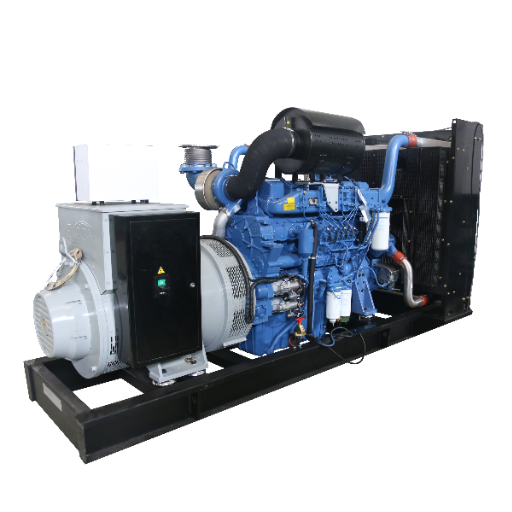
China’s generator manufacturing sector benefits from scale, vertical integration, and a deep supply chain for engines, alternators, canopies, and controllers. The country produces gasoline generators, diesel generator sets, gas-powered units, and hybrid systems for residential, commercial, and industrial markets.
Several factors explain China’s leading position:
- Manufacturing scale: Large foundries, engine plants, and assembly lines keep unit costs competitive.
- Engine partnerships: Chinese OEMs partner with global brands such as Cummins, Perkins, Deutz, and MTU, while also developing their own engines.
- Export infrastructure: Major ports and logistics networks support containerized shipments worldwide.
- Product breadth: The same supplier can often offer 5 kVA portable units and 2,000 kVA prime-power sets.
For buyers, this means options exist at nearly every price point and quality level. The challenge is separating suppliers that assemble parts from manufacturers that control design, testing, and after-sales support.
Top 10 Generator Manufacturers and Suppliers in China in 2026
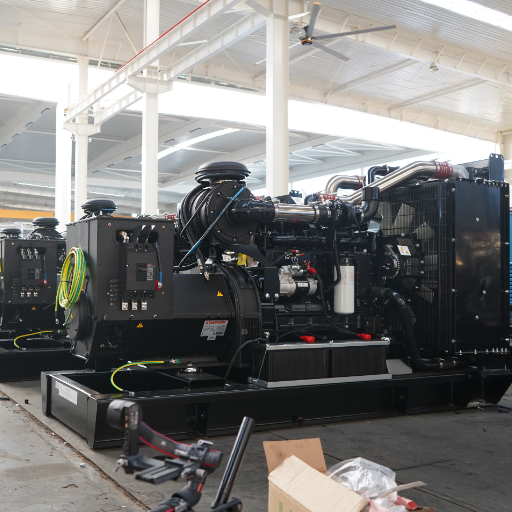
The table below summarizes the leading generator set manufacturers China buyers should consider. The list mixes engine OEMs, genset assemblers, and export specialists. These are the top 10 generator manufacturers in China most often chosen by industrial, commercial, and export buyers.
| Rank | Company / Brand | Location / Base | Product Focus | Notable Strengths |
|---|---|---|---|---|
| 1 | Shandong Huali Electromechanical | Jining, Shandong | 8–4,000 kVA diesel gensets (open, silent, container, trailer) | Factory-direct export, ISO 9001, Cummins/Perkins/Weichai/Yuchai engines, 25+ years |
| 2 | Guangxi Yuchai Machinery | Yulin, Guangxi | Diesel engines and gensets 20–2,000 kVA | Strong domestic network, cost-effective engines, global parts support |
| 3 | Weichai Power | Weifang, Shandong | Engines, gensets, power systems | Large industrial engines, marine and heavy-duty applications |
| 4 | Cummins (China) | Multiple JV sites | Cummins-branded diesel gensets | Global service network, OEM genuine parts, strong resale value |
| 5 | Perkins-licensed / FGL partners | Various | Perkins-engine gensets | British engineering reputation, Tier 4 Final options |
| 6 | Deutz (Dalian) Engine | Dalian, Liaoning | Air- and liquid-cooled diesel engines | Compact engines for construction and mobile applications |
| 7 | Yangdong | Hangzhou area | Small diesel engines and gensets | Reliable 10–100 kVA segment, competitive pricing |
| 8 | Kipor Power | Wuxi, Jiangsu | Digital inverter and silent diesel gensets | Strong in portable and RV markets |
| 9 | FAWDE (FAW Diesel Engine) | Wuxi, Jiangsu | Automotive and industrial diesel engines | Large-volume production, automotive quality systems |
| 10 | FIRMAN Power Equipment | Chongqing / export hub | Gasoline, propane, and job-site generators | Wide retail and distribution network |
This ranking is based on production capacity, export track record, engine-brand partnerships, and the breadth of kVA coverage. It is not a pure market-share list, because the best supplier for a 10 kVA portable set is not the best supplier for a 1,500 kVA mine-power plant.
1. Shandong Huali Electromechanical Co., Ltd.
Huali is a full-service china generator manufacturer based in Jining, Shandong. The company designs and builds diesel generator sets from 8 kVA to 4,000 kVA, including open sets, silent canopies, containerized units, and trailer-mounted mobile generators.
Key capabilities:
- Engine options: Cummins, Perkins, Weichai, Yuchai, and customer-specified brands
- Alternator options: Stamford, Leroy-Somer, Marathon, and Chinese OEM alternators
- Certifications: ISO 9001 quality management, CE marking for EU markets
- Applications: construction, mining, hospitals, data centers, telecom, agriculture, and emergency power
- Export experience: 20+ countries across Africa, Southeast Asia, the Middle East, Latin America, and Europe
Huali’s advantage is factory-direct customization. Buyers can specify engine brand, alternator brand, control panel language, fuel tank size, canopy color, and cold-start package in a single order. See our diesel generator maintenance guide for the service framework behind a long-lasting set.
2. Guangxi Yuchai Machinery
Yuchai is one of China’s largest independent diesel engine manufacturers. Its genset division packages Yuchai engines with standard alternators for the 20–2,000 kVA range.
Yuchai engines are known for competitive pricing and good domestic service coverage. For export buyers, the key question is whether local Yuchai parts and technician support exist in the destination country.
3. Weichai Power
Weichai is a heavy-duty engine and power-system giant headquartered in Weifang, Shandong. The company produces diesel and gas engines for trucks, buses, marine vessels, and generator sets.
Weichai gensets excel in large industrial and prime-power applications. The brand is especially strong in markets where Weichai truck and marine support already exists.
4. Cummins (China)
Cummins operates joint ventures and wholly owned facilities across China. Cummins-branded generator sets carry the global Cummins warranty and service network, which is a major advantage for buyers who need guaranteed parts availability.
The trade-off is price. A Cummins genset typically costs more than a Chinese-engine equivalent, but total cost of ownership can be lower where Cummins service is local.
5. Perkins-Licensed / FGL Partners
Perkins engines are built under license and partnership arrangements in China. Perkins-engine gensets are valued for fuel efficiency, emissions compliance, and quiet operation.
Buyers should verify that the supplier is an authorized Perkins OEM and that the engine serial number is traceable to Perkins for warranty purposes.
6. Deutz (Dalian) Engine
Deutz’s Chinese joint venture produces air-cooled and liquid-cooled diesel engines. Deutz engines are compact and popular in construction equipment, mobile generators, and agricultural machinery.
For generator applications, Deutz-powered sets are common in the 20–500 kVA range where space and weight matter.
7. Yangdong
Yangdong specializes in small and medium diesel engines. Its genset partners package Yangdong engines into reliable 10–100 kVA units for residential, small commercial, and telecom use.
Yangdong is a strong choice for buyers who need a balance of cost and reliability in the smaller kVA bands.
8. Kipor Power
Kipor is best known for digital inverter generators and ultra-silent diesel sets. The company has a strong presence in portable power, RV, and light commercial markets.
If your requirement is clean power for sensitive electronics or a quiet unit for residential backup, Kipor is worth evaluating.
9. FAWDE
FAW Diesel Engine, part of the FAW Group, produces engines for commercial vehicles, construction equipment, and generator sets. Its manufacturing scale and automotive quality systems make it a credible supplier for industrial genset builders.
10. FIRMAN Power Equipment
FIRMAN focuses on gasoline, propane, and dual-fuel generators for retail, construction, and emergency backup. The brand is widely distributed and competes strongly in portable and job-site power.
How to Evaluate a China Generator Manufacturer
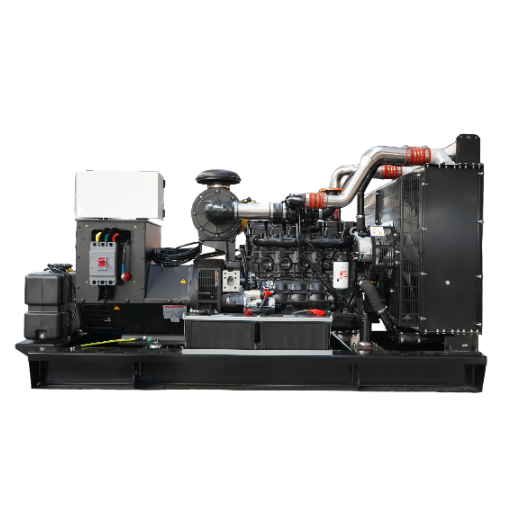
Choosing among Chinese generator suppliers requires more than comparing price lists. Use this checklist during supplier qualification.
1. Verify Factory Capability
- Does the supplier own the factory, or is it a trading company?
- Can it provide photos, videos, or a virtual factory tour?
- What is the monthly production capacity?
2. Check Certifications
- ISO 9001 quality management
- CE marking for Europe
- EPA or Tier 4 Final compliance for North America (if required)
- Engine-brand authorization letters from Cummins, Perkins, Deutz, or others
3. Review Testing Records
- Are load bank tests performed before shipment?
- Is there a standard inspection report for each unit?
- Can the supplier provide photos or videos of the actual unit being tested?
4. Confirm Warranty and Parts
- What is the warranty period for the engine, alternator, and controller?
- Where can spare parts be sourced locally?
- Does the supplier keep common spares in stock?
5. Assess Export Experience
- Has the supplier shipped to your country before?
- Do they understand your voltage, frequency, and plug standards?
- Can they handle container loading, customs documentation, and freight logistics?
For a deeper look at what separates a reliable set from a risky purchase, see our diesel generator troubleshooting guide.
Trends Shaping China’s Generator Market in 2026
Several trends are changing what buyers should expect from generator set manufacturers China.
Tier 4 Final and Emissions Compliance
China’s domestic emissions standards and export markets are pushing manufacturers toward electronic common-rail engines, diesel particulate filters (DPF), selective catalytic reduction (SCR), and diesel exhaust fluid (DEF) systems. Buyers in regulated markets need to confirm that the engine meets local emissions rules, not just the supplier’s claims.
Digital Controls and Remote Monitoring
Modern gensets increasingly include cloud-connected controllers that report fuel level, battery voltage, run hours, fault codes, and location. This matters for fleets, telecom towers, and remote installations where site visits are expensive.
Containerized and Mobile Solutions
Large industrial users are buying containerized generator sets and trailer-mounted mobile units for mining, construction, and emergency response. These formats require stronger structural design, better ventilation, and larger fuel tanks than standard canopy sets.
Hybrid and Gas Options
While diesel still dominates heavy-duty applications, gas and hybrid generator sets are growing in data centers, urban backup, and environmentally sensitive sites. Suppliers that can offer gas, biogas, or hybrid configurations add flexibility.
What to Ask Before Placing an Order
Use these questions to shorten your supplier shortlist:
- What engine, alternator, and controller brands will you use on my exact kVA rating?
- Can you provide the engine authorization certificate and alternator factory test report?
- What load test will the set undergo before shipment?
- What is the warranty period, and what does it exclude?
- Can you supply spare parts for the next 10 years?
- Have you shipped to my country or region before?
- What is the lead time, and what payment terms do you accept?
- Can you customize the canopy color, fuel tank size, control panel language, and sockets?
A supplier that cannot answer these questions clearly is unlikely to be a reliable long-term partner.
Shandong Huali: Factory-Direct Generator Sets for Industrial Buyers
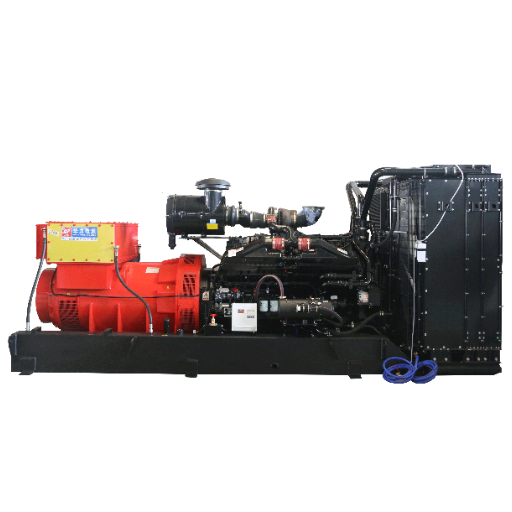
Shandong Huali Electromechanical is a china generator manufacturer that focuses on industrial, commercial, and export markets. We do not compete on retail gasoline generators. We specialize in diesel generator sets engineered for harsh environments and long run times.
Our standard product range includes:
- Open-type diesel generators: 8–3,000 kVA for plant rooms and shelters
- Silent canopy generators: 10–1,000 kVA for noise-sensitive sites
- Containerized generators: 500–4,000 kVA for data centers and large industrial sites
- Trailer-mounted generators: Mobile power for construction, events, and emergency response
- ATS and synchronization panels: For automatic transfer and parallel operation
Every unit leaves our factory after load testing, inspection, and documentation. We ship to Africa, Asia, the Middle East, Latin America, and Europe, and we support our customers with spare parts, technical guidance, and remote diagnostics.
Request a factory-direct generator quote or download our product catalog to compare kVA ranges, engine options, and canopy configurations.
Frequently Asked Questions
What are the benefits of using generators from China?
Chinese generator sets offer competitive pricing, wide product ranges, and flexible customization. A qualified china generator manufacturer can deliver industrial-grade sets at lower cost than European or North American alternatives while using the same engine brands.
Which are the top three diesel engine manufacturers in China?
The three most recognized Chinese diesel engine brands for generator applications are Yuchai, Weichai, and Yangdong. For international engine brands manufactured in China, Cummins, Perkins, and Deutz are also dominant.
What should I consider when choosing a generator from a Chinese manufacturer?
Consider engine brand and authorization, alternator brand, factory certifications, load testing, warranty terms, spare-parts availability, export experience, and local service support. Price matters, but total cost of ownership matters more.
Are there silent generators available from Chinese manufacturers?
Yes. Most industrial diesel generator manufacturers in China offer silent canopy versions with noise levels from 65 to 85 dB(A) at 7 meters, depending on size and design.
What types of diesel generators from China are available?
Chinese suppliers offer open-type, silent, containerized, trailer-mounted, prime-power, standby, and marine diesel generators. kVA ranges typically span 8 to 4,000 kVA.
How do Chinese diesel generator brands compare to global brands?
Top Chinese engine brands such as Yuchai and Weichai compete well on price and reliability for many applications. Global brands such as Cummins and Perkins often have stronger international service networks and higher resale value. The best choice depends on duty cycle, location, and support requirements.
What is a typical power output for a 10 kW generator?
A 10 kW generator produces approximately 12.5 kVA at 0.8 power factor. It can power essential home appliances, small workshops, telecom equipment, or light commercial loads.
Can you explain the importance of having a reliable diesel generator?
A reliable diesel generator ensures continuous power during grid failures, protects revenue and safety, and supports critical operations in hospitals, data centers, factories, and remote sites.
What makes a generator engine from a Chinese manufacturer a good choice?
Chinese engines are cost-competitive, widely supported in Asia and Africa, and increasingly reliable. Many are developed in partnership with global engine companies. The key is matching the engine to your application and confirming parts availability.
Conclusion
The market for china generator manufacturer options is large, but not all suppliers are equal. In 2026, the best Chinese generator suppliers combine engine-brand authorization, ISO-certified manufacturing, load testing, export logistics, and spare-parts support.
Use the checklist in this guide to qualify suppliers. Compare total cost of ownership, not just purchase price. And always confirm that the engine, alternator, and controller are backed by warranties you can enforce in your region.
Shandong Huali Electromechanical builds diesel generator sets for buyers who need factory-direct quality, customization, and support. Contact our export team for a quote, a virtual factory tour, or a customized genset specification for your next project.
