
Understanding the concepts of maximizing functionality and capacity of your generator system is essential when dealing with high electricity demand in critical applications. These challenges can be effectively addressed by paralleling three-phase generators, allowing the combined energy of multiple units to satisfy higher loads while maintaining stable and reliable performance. Running parallel generators is a valuable skill for operators of industrial plants, large data centers, and backup systems, as it minimizes costs associated with system unavailability.
Understanding Three-Phase Generators
What is a Three-Phase Generator?
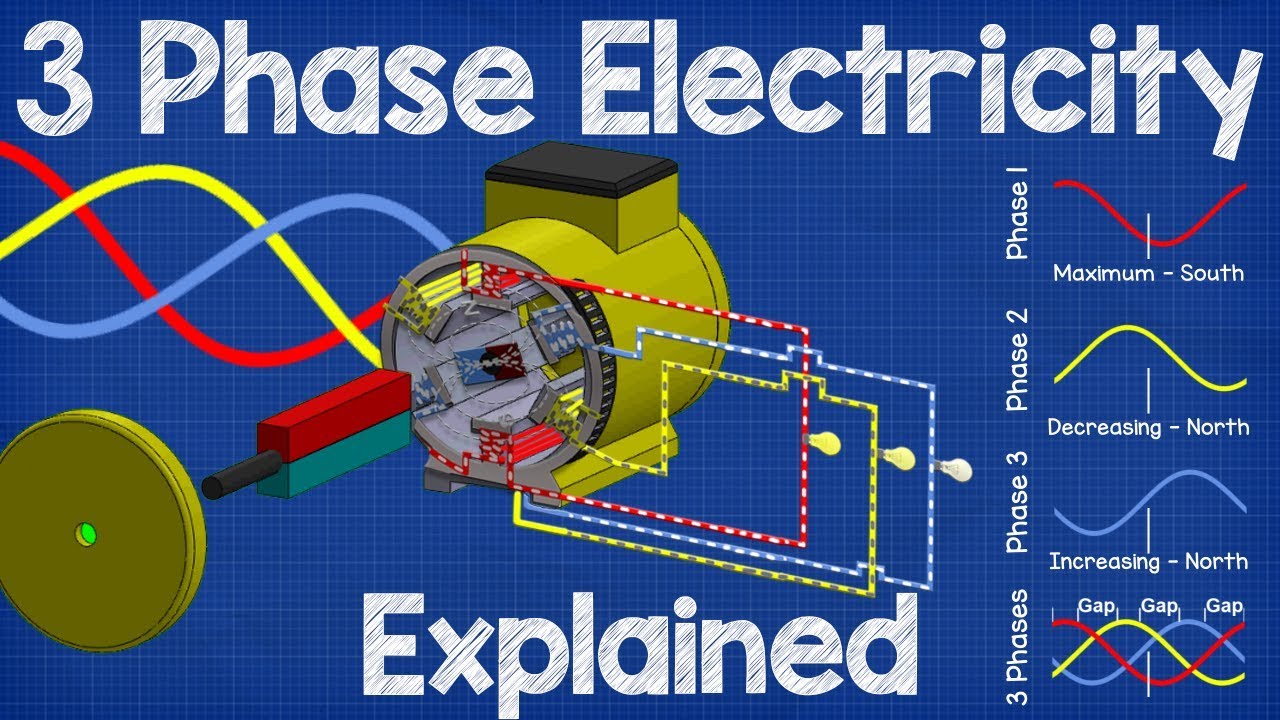
Three-phase generators are electrical devices that produce electricity in three phases. Each phase voltage fluctuates at a fixed frequency but with wave patterns separated by 120 degrees from each other. This distribution provides more consistent and efficient electricity supply, making them ideal for industrial and commercial applications. The use of three-phase electricity significantly improves performance in critical production areas, including heavy industrial equipment facilities and data centers.
The working principle of a three-phase generator involves electromagnetic induction, where coils of wire rotate within a magnetic field. Movement of the rotor generates three sinusoidal voltage waveforms that are spherically separated, each applying to different phase circuits. These three phases work together to deliver balanced power with minimal voltage variations, improving overall system reliability.
Key Advantages Over Single-Phase Generators
- Electric power can be transmitted over long distances with minimum losses
- Less conductor material required for conducting electricity
- Support for greater power loads without performance degradation
- Essential infrastructure component for areas requiring uninterrupted electricity
How Three-Phase Power Works
Three-phase power supply utilizes three separately generated alternating current signals, each delayed by 120 degrees in the cycle. The currents carried by each conductor are in half-cycle steps, ensuring that at least one conductor is always at its peak while the others are not. This arrangement guarantees steady and even power delivery, crucial for industrial and commercial operations.
The efficiency in energy transmission and power delivery is the fundamental advantage of this configuration. Since three phases are utilized, the system experiences fewer power variations compared to single-phase arrangements. This stability reduces equipment degradation, minimizes energy waste, and ensures optimal performance of critical machinery in manufacturing industries and data centers.
Benefits of Three-Phase Systems
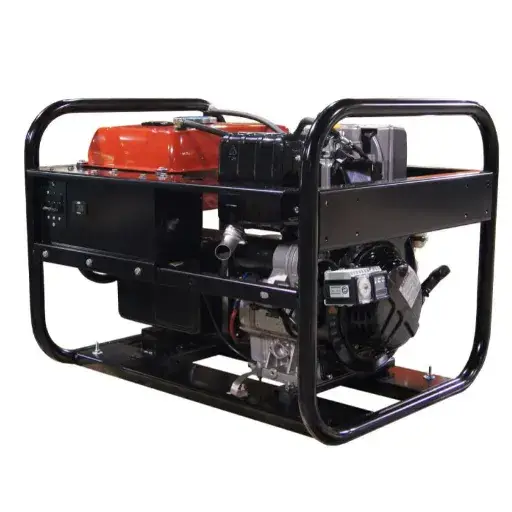
Three-phase systems offer numerous advantages over other electrical distribution networks, making them widely adopted in industrial and commercial applications. Below are the major benefits with technical details:
1
Increased Power Capacity
In three-phase configuration, greater power can be transferred using the same current as single-phase systems. Constant energy flow enables full-load operation of heavy-duty machinery. A three-phase motor can be up to 1.5 times more efficient than its single-phase counterpart.
2
Efficient Power Transmission
Three-phase systems minimize power loss during electricity transmission. The uniform load distribution per conductor reduces energy lost to heat, enabling longer transmission lines without excessive capital outlay. High-voltage three-phase systems achieve efficiencies exceeding 95%.
3
Consistent Power Delivery
Unlike single-phase systems with power fluctuations that can drop to zero, three-phase systems ensure steady supply to the load. This prevents voltage drops or power interruptions, making them ideal for data centers, hospitals, and industrial facilities.
4
Reduced Conductor Material
Three-phase systems require significantly less conductor material to deliver the same power as single-phase systems. Smaller gauge wire can be used without compromising electricity capacity, reducing installation costs and complexity for large-scale implementations.
5
Superior Motor Performance
Three-phase motors start easily, run more efficiently, and are less susceptible to mechanical vibrations compared to single-phase motors. This extends their useful life, reduces maintenance costs, and makes them essential for heavy industrial operations.
Three-Phase vs Single-Phase Generators
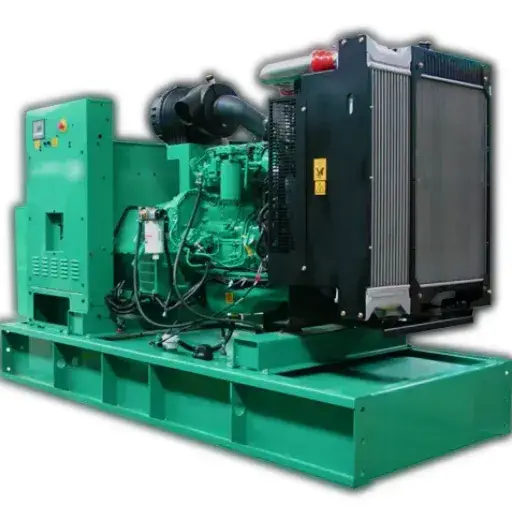
Key Differences
The fundamental distinction between single-phase and three-phase generators lies in how electricity is generated and distributed. Single-phase generators employ a single AC wave, resulting in cyclical power performance with alternating peaks and lulls. This limitation makes single-phase systems suitable primarily for low-load applications in residential settings or compact machinery with minimal energy consumption variations.
| Characteristic | Single-Phase Generators | Three-Phase Generators |
|---|---|---|
| Power Delivery | Cyclical with peaks and lulls | Continuous and stable |
| AC Currents | Single waveform | Three waveforms (120° apart) |
| Typical Applications | Residential, small businesses | Industrial, commercial facilities |
| Load Capacity | Up to ~10 kW typically | High capacity (10 kW+) |
| Transmission Efficiency | Lower, more losses | Higher, minimal losses |
| Installation Cost | Lower initial investment | Higher initial investment |
| Long-term Efficiency | Standard for light loads | Cost-effective for heavy loads |
When to Use Single-Phase vs Three-Phase Generators
Determining whether to use a single-phase or three-phase generator requires careful assessment of power demand and operational requirements. Single-phase generators are optimally employed in residential and minor applications where energy consumption typically does not exceed 10 kW. They are convenient for households, small business premises, and settings requiring low-power devices. Their simpler design results in lower costs and uncomplicated servicing procedures, making them perfect for less intensive applications.
Commercial and industrial applications benefit from the high power capacity and efficient operations of three-phase generators. These are essential where power demands exceed 10 kW, such as in data centers, factories, and large commercial facilities. The continuous power flow ensures smoother voltage control and extended equipment life. Three-phase generators offer scalability, accommodating growing power demands as businesses expand.
Critical Selection Factors
- Installation Complexity: Three-phase systems require more technical expertise
- Long-term Energy Costs: Three-phase offers better efficiency for high-demand operations
- Load Balance Requirements: Even distribution across phases prevents overload
- Future Scalability: Three-phase systems accommodate growth more effectively
Applications of Three-Phase Generators
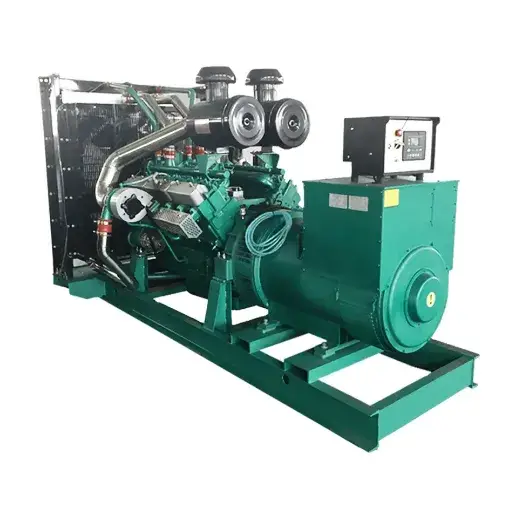
Industrial Applications
Manufacturing Factories
Essential for operating heavy equipment including conveyor systems, lathes, and mills. Ensures constant energy flow for maximum production efficiency without unplanned downtimes.
Construction Sites
Portable generators power hoists, mixers, and welders. Provides mobility and power efficiency under varying load conditions at remote locations.
Data Centers
Three-phase backup generators ensure uninterrupted power supply during grid failures, maintaining critical servers and storage systems without interruption.
Oil & Gas Industry
Supports drilling rigs, pumps, and extraction equipment. High-torque applications in hostile and remote environments with extreme temperatures.
Mining Operations
Powers drills, ventilators, and ore processing machines. Scalable energy for large mining operations in harsh conditions.
Commercial Use Cases
Server Rooms and Data Centers
Essential for maintaining clean power distribution to servers, cooling systems, and network devices. Three-phase generators ensure uninterrupted operation during grid failures.
Energy Consumption: 400-500 MW annually for typical data centers
Telecommunications Facilities
Cell towers and internet hubs require steady electricity for continuous communication and connectivity. Three-phase generators minimize power interruptions during grid failures.
Advantage: Minimal energy losses across extensive distribution networks
Large Commercial Buildings
Malls, hospitals, and office buildings require significant energy for HVAC, elevators, lighting, and equipment. Three-phase systems power essential operations during outages.
Hospital Requirements: 2-2.5 megawatts for simultaneous operation
Agricultural Operations
Modern farming requires substantial power for irrigation, grain drying, refrigeration, and processing machinery. Three-phase generators accommodate growing energy demands, especially in areas with unreliable grid power.
Capability: Simultaneous operation of multiple high-capacity equipment
Powering Electrical Circuits with Three-Phase Generators
Three-phase generators have revolutionized industrial and commercial energy distribution through their superior circuit powering capabilities. These devices enable uninterrupted and balanced energy distribution essential for technical systems requiring continuous operation.
Five Key Advantages for Electrical Circuits
- Smooth Operation: Three-phase systems eliminate power pulsation, ensuring perfect motor operation with reduced friction and extended equipment lifespan.
- Efficient Power Transmission: Enables significant power delivery over extensive distances with minimal losses compared to single-phase systems, essential for large industrial facilities.
- Higher Power Density: Three different phase currents achieve greater power density, minimizing conductor dimensions and material costs for heavy machinery circuits.
- Enhanced Scalability: Modular three-phase power systems integrate easily, optimizing circuits for expansion and increased operational loads.
- Reduced Maintenance Costs: Evenly distributed loads minimize component stress, simplifying maintenance for 24/7 industrial operations.
Key Factors When Purchasing a Three-Phase Generator
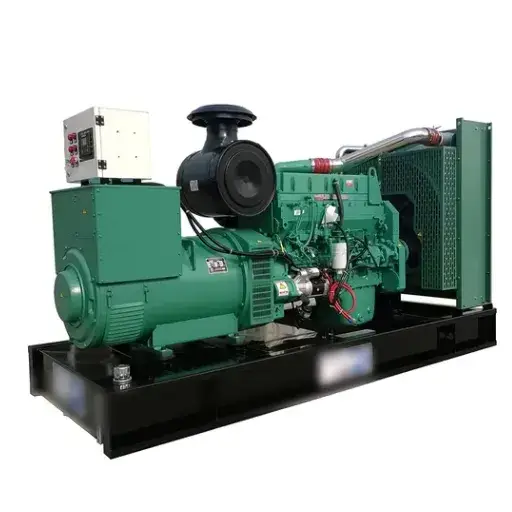
Understanding Power Requirements
Evaluating power requirements is crucial when selecting three-phase generators. This involves determining total electrical load capacity in kilowatts (kW) or kilovolt-amperes (kVA) for all simultaneously operating equipment and systems. Distinguishing between starting power (surge power) and running power is critical, as generators must handle short-term power surges without damage.
Critical Power Considerations
- ▸
Motor Starting Current: Electric motors consume 3-7 times running power during start-up - ▸
Load Type Analysis: Resistive, inductive, or capacitive loads affect generator sizing - ▸
Power Factor: Inductive loads (motors, transformers) require larger generators - ▸
Voltage Stability: Critical for sensitive equipment protection - ▸
Future Expansion: Include capacity buffer for growth and unexpected load increases
Choosing the Right Size for Your Needs
Determining appropriate generator size requires comprehensive evaluation of total energy consumption, including peak operational loads and starting power requirements. Planning for future load growth prevents premature system replacement and ensures long-term reliability.
Sizing Best Practices
Avoid Maximum Capacity Operation: Generators running constantly at or near maximum capacity experience accelerated wear. Include capacity buffer of 20-30% above calculated requirements.
Account for Environmental Factors: Altitude, temperature variations, and regional regulations affect generator performance and may require additional capacity.
Consider Operational Paradigms: Special configurations may be necessary for non-standard operating conditions to maintain optimal performance.
Maintenance Best Practices for Three-Phase Generators
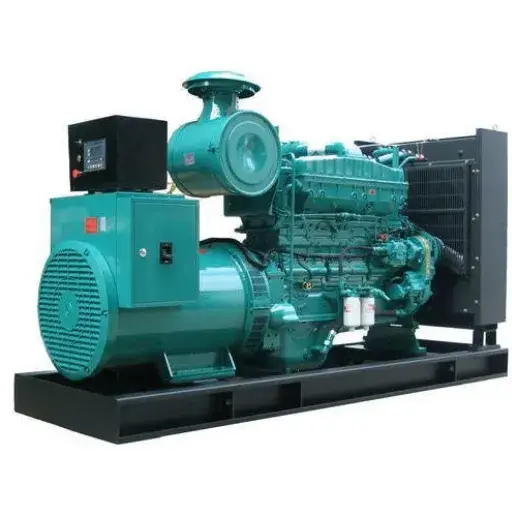
Routine Maintenance Checklist
Implementing comprehensive maintenance procedures ensures optimal three-phase generator performance and longevity. The following checklist provides systematic guidance for routine maintenance activities:
✓
Visual Inspection
Conduct detailed inspections for defects, corrosion, and worn surfaces. Verify control panel, wiring, and connection integrity.
✓
Lubrication Systems
Change oil per manufacturer specifications. Inspect and replace oil filters to ensure proper lubrication and minimize engine wear.
✓
Cooling System
Monitor coolant levels, test quality, and top up as necessary. Prevent radiator clogging and hose damage to avoid overheating under load.
✓
Air Filter Replacement
Regularly check air filters, cleaning or replacing as needed to maintain efficient airflow and optimal engine performance.
✓
Fuel System Management
Inspect fuel supply system for blockages, cracks, or contamination. Clean fuel injectors and maintain proper filtration for extended engine life.
✓
Battery Care
Check battery voltage and clean terminals to remove corrosion. Maintain proper charging to ensure generator readiness.
✓
Load Bank Testing
Conduct regular load bank tests to verify full-capacity operation. Prevents carbon buildup and ensures performance readiness.
✓
Belt and Hose Evaluation
Inspect belts and hoses for tears, cracks, or wear. Replace damaged components to maintain system integrity.
✓
Exhaust System Assessment
Check exhaust system for obstructions, leaks, and soot deposits. Proper exhaust function ensures safety and emissions compliance.
✓
Control System Testing
Verify generator control operation including panels, switches, and sensors. Update firmware and recalibrate components as needed.
Ensuring Longevity and Reliability
Advanced approaches combining predictive maintenance strategies ensure simple usage and long-term operation of three-phase generators. Power systems designed for continuous operation benefit from routine preventive services that anticipate component wear before failures occur.
Advanced Maintenance Technologies
- Vibration Measurement: Detects excessive wear in moving parts before failure
- Thermographic Imaging: Identifies overheating in critical components
- Harmonics Testing: Maintains generator within desired operational ranges
- Cloud-Based Monitoring: Automated tracking of system parameters
- IoT Sensors: Real-time performance data and automated maintenance alerts
References
- Three-Phase Systems PDF – Iowa State University: Synchronous generator and three-phase voltage production
- Three-Phase Power Notes PDF – University of Utah: Advantages of three-phase power for motors and generators
- Three-Phase Power Explanation PDF – Purdue University Extension: Three-phase electricity production and applications
- Click here to read more.
Frequently Asked Questions
How do three-phase generators work and supply power?
Three-phase generators produce three separate AC voltages displaced 120 degrees from each other, creating a more efficient power transmission system than single-phase alternatives. They supply high-capacity electrical power through three windings, making them practical and reliable for various high-demand installations and applications.
What are the benefits of three-phase current systems compared to single-phase?
Three-phase systems eliminate peak current requirements through smoother power transfers without zero crossings. Unlike single-phase power (two wires for residential use), three-phase uses three or four wires (fourth being neutral), enabling energy-efficient transmission and minimizing conductor size for equivalent power delivery.
Why are three-phase generators preferred for high-horsepower motors and heavy loads?
Large motors require substantial power during startup, directly proportional to motor size. Three-phase generators provide steady starting torque and meet high power demands without the severe fluctuations characteristic of single-phase systems. This makes three-phase power the foundation for industrial motor-driven systems.
Can residential properties use three-phase generators?
While most homes use single-phase or split-phase power (240V with two 120V legs), three-phase generators can meet residential power demands when heavy equipment is involved. The decision depends on loading patterns: single-phase suits standard appliances, while three-phase accommodates large motors. Both can be installed with proper grounding and distribution facilities.
How do grounding and winding design affect three-phase generator efficiency?
Grounding is essential for safety and system stability, preventing dangerous voltages during faults and minimizing imbalance. Winding structure (delta or wye configuration) affects voltage levels, neutral presence, and whether the system delivers 240V line-to-line or other voltages. Coil placement influences three-phase voltage production and load distribution.
What does 240V three-phase power indicate about the system?
Three-phase systems offer multiple voltage levels depending on winding type and connections. Standard delta or wye configurations in commercial generators typically provide 240 volts line-to-line, meeting industrial equipment voltage requirements. Generator design and winding patterns determine whether the system supplies 240V three-phase, split-phase 240V, or other standard voltages.
Why is balance important in three-phase generators?
Generators require equal load distribution across all phases for optimal performance. Balance is critical when using synchronized generators, as three-phase systems depend on equilibrium for machine and generation system output. The generator structure generates current pulses across all phases that cancel 120-degree out-of-phase torque oscillations, eliminating severe voltage-current compression waves.
What distinguishes standby generators from continuous commercial three-phase generators?
Standby three-phase generators provide backup power during outages, supplying essential loads only. Continuous commercial three-phase generators support regular operations and bulk power capacity. Selection between standby and continuous versions depends on whether backup or primary operational power is needed. Consider horsepower output, stress performance, grounding arrangements, and load rotation to prevent imbalance.