
All modern agricultural operations powered with various machines and innovations cannot do without efficient power supply. Diesel generators have especially become popular in providing power supply to farms located in remote places and also during power outages. This comprehensive guide will explore how diesel generators are used in agriculture, powering the backbone of agricultural operations so that all essential machines and systems function at all times. From irrigation and grain drying to their role in minimizing losses, we’ll examine their contribution to efficient farming practices.
Introduction to Diesel Generators in Agriculture

What is a Diesel Generator?
Diesel generators combine both diesel engine and electric generator to produce electricity. The diesel engine serves as the main source of power, converting the chemical energy in diesel fuel to mechanical energy. This mechanical energy, in turn, rotates the generator to produce electricity through electromagnetic induction.
Key Characteristics
- Unbeaten Power & Excellence: Known for their consistent performance under both small and large loads
- Durability: Strong structure allows for long, continuous operation without rest
- Versatility: Used for critical farm work including irrigation systems, crop storage, and processing
- Fuel Economy: Higher power output per unit of fuel compared to other fuel types
Among the primary benefits of deploying diesel generators in farm environments is their fuel efficiency. Diesel generators tend to provide more power per unit of fuel compared to other types, resulting in lower fuel costs. Besides, they require minimal warm-up time and ensure relevant equipment and systems run constantly by delivering steady power supply. This makes diesel-powered generators quite an asset in contemporary agricultural practice.
Importance of Backup Power in Modern Farming
Farmers nowadays find that standby power plants are increasingly inevitable because of the extensive use of electrical and automated equipment in their operations. Basic functions such as irrigation, ventilation in livestock farms, and cooling of perishables strongly rely on electricity. Disruptions—whether from weather storms or power grid uncertainties—affecting these services translate into significant financial losses and reduced or halted productivity.
Asset Protection
Backup power safeguards perishable crops and maintains animal welfare during outages
Operational Continuity
Ensures critical systems continue functioning during power disruptions
Precision Agriculture
Powers IoT facilities, sensors, and automated systems requiring constant electricity
As farms embrace advanced concepts of precision agriculture and IoT facilities, the criticality of uninterrupted power increases manifold. These improvements, which enhance agricultural productivity, include sensors and systems requiring constant electric power. Therefore, diesel generators or other sources of auxiliary power are critical in preventing severe disruptions and potential loss of operational capabilities.
Overview of Diesel Generators for Home Backup
Diesel generators, in particular, are among the best forms of backup power sources for residential purposes. These generators have proven to be very durable with superior performance for backup power supplies. Refrigerators, air conditioners, medical equipment, television sets, and other appliances can still function when there is no electricity for extended periods. The robust structure of the diesel engine ensures prolonged usage over long hours.
Residential Diesel Generator Advantages
| Fuel Efficiency | Higher energy content than gasoline, providing longer runtime on same fuel volume |
| Maintenance | No spark plugs required, reducing ownership costs and improving reliability |
| Safety | Less flammable than gasoline, safer to store and handle |
| Availability | Widely available, making emergency refueling straightforward |
Technological advancements such as auto starters and silenced acoustics make diesel generators a preferred option for providing residential premises with electrical power during outages and emergencies.
Types of Diesel Generators
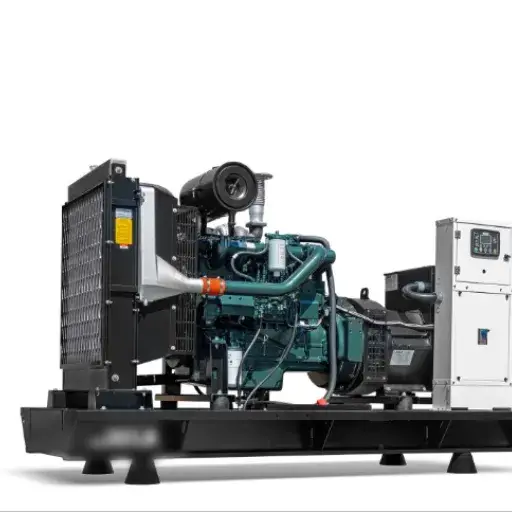
Portable Diesel Generators
Portable diesel generators are small, multipurpose units that are easy to transport and operate with excellent performance for specific applications. They are in great demand due to their capacity to supply electricity on a steady basis in difficult and unusual locations. With features facilitating mobility—such as robust stands, handles, and wheels—these generators can be transported to worksites, outdoor functions, construction sites, or homes during emergencies. Despite their portability, these compact generators come in different sizes with power ratings that can drive items with varying consumption levels.
Key Features of Portable Diesel Generators
Fuel Efficiency
Lower fuel costs while producing higher energy output compared to gasoline generators
Durability
Tough structure designed to withstand extreme conditions and prolonged use
Low Emissions
Modern designs meet emission regulations with minimized harmonic distortion
Safety Features
Automatic voltage control (AVR), overload prevention, and low-oil cut-off protection
Current equipment designs prioritize comfort and safety. Noise, once a significant weakness of diesel engines, has been addressed through soundproofing techniques, noise deflectors, and closed bodies, making portable diesel sets suitable for domestic and field applications. Portable diesel generators are well-known as reliable, economical, and advanced sources of electricity, used extensively for backup purposes and remote locations.
Industrial Diesel Generators
Heavy-duty diesel generators are necessitated in large-scale operations because they are designed to withstand and supply reliable power infrastructure for extensive applications. These generators excel in extended longevity and tough working conditions found in factories, construction sites, healthcare centers, and information technology facilities. Power output ranges from fifty kilowatts to several thousand kilowatts per hour, accommodating numerous systems either as backup to available electrical supply or as a primary power source in areas without infrastructure.
Advanced Industrial Features
- ›
Digital Monitoring Systems: Real-time detection and control for maximized efficiency - ›
Automatic Transfer Switches: Seamless transition during utility grid disruptions - ›
Dual-Fuel Capabilities: Improved operational flexibility across fuel sources - ›
Emissions Technology: Selective catalytic reduction (SCR) and particulate filters for environmental compliance
A major advantage of industrial diesel generator sets is their fuel efficiency—burning less fuel than gas generator sets while producing the same power. Combined with longer operational life and minimal servicing needs, they provide a more economical approach in the long run. Diesel generators are therefore indispensable in industries that cannot compromise on power efficiency and strength.
Diesel Generators for Job Sites
Diesel generators find extensive applications in work sites because of their unrivalled dependability and effectiveness. Built to produce steady power supply, these generators can meet demands when power utilization varies significantly while remaining highly dependable. At construction sites, where power requirements may be highly variable yet consistently critical, diesel generators have proven to be reliable power sources. The robust shell of these machines can survive temperature extremes, intense dust, and vibration in the field.
Better designs reducing sound emissions have been implemented, minimizing disruption during night operations or in localities with sound limitations. This comprehensive feature set makes diesel generators the preferred choice for demanding job site applications.
Choosing the Right Diesel Generator
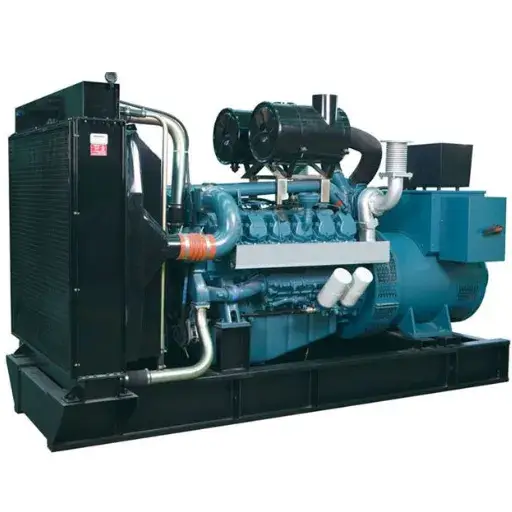
Factors to Consider: Size and Load Requirements
The process of selecting diesel generators requires a thorough assessment of the power load needed. This includes both the running load (normal operational load) and the peak load or starting load (increased power used when starting connected equipment or machinery). Faulty load calculations can cause insufficient power generation, leading to inefficient operation and potential system failure. Load calculators or professional services help define the exact output capacity, normally expressed in kilowatts (kW) or kilovolt-amperes (kVA).
Critical Sizing Considerations
1. Future Scalability
Where operational demands might grow over time, consider a modular-oriented generator or budget for 20-30% additional capacity. This ensures provisions for expansion while keeping the generator within safe operating limits.
2. Power Factor Considerations
Account for power factor (typically 0.8 in industrial applications) to reflect actual power consumption under loaded conditions. This ensures accurate sizing based on real-world usage patterns.
3. Load Type Analysis
Consider whether loads are resistive (lighting, heating) or inductive (motors, pumps). Inductive loads require higher inrush currents—2 to 6 times the running load—when starting. These peaks must be accommodated to avoid undersizing.
Through proper evaluation and calculations, appropriate sizing of diesel generators is achieved to fit operational needs for any application, enhancing both performance and lifespan.
Understanding KW Ratings and Phase Configurations
Kilowatt ratings of diesel generators are essential in determining their efficiency and sizing. This represents the real power that a generator can produce—the actual work performed through energy conversion per unit time. However, KVA ratings measure apparent power, combining real and reactive power of inductive loads. When specifying generator size, both KW and KVA performance must be considered, along with the power factor (typically 0.8). Lower power factors mean more apparent power is needed to perform the same work, directly impacting generator sizing in KW terms.
Phase Configuration Comparison
| Configuration | Best Applications | Key Characteristics |
|---|---|---|
| Single-Phase | Residential, small commercial, rental units | Single sine wave, ideal for HVAC and lighting circuits |
| Three-Phase | Industrial, factories, data centers, heavy machinery | Three alternating currents (120° apart), steady load distribution, cost-effective power delivery |
Selecting the proper configuration requires pairing the generator’s output with application load requirements. Load balancing is critical in three-phase systems to avoid unnecessarily stressing individual phases, which could result in overheating or damage. Understanding these technical specifications, combined with data-based analysis, guarantees the generator will function logically, effectively, and within designed boundaries for the specified application.
Reliable Diesel Generators: Features to Look For
Several key features must be assessed when choosing a trustworthy diesel generator to optimize functionality while extending useful operational life:
⚙️ Fuel Consumption Rate
Modern generators feature improved injection systems consuming less fuel, saving costs and reducing environmental pollution
⚡ Power Output Capacity
Must match operational demands, particularly for heavy industrial or large-scale purposes requiring sustained power
🛡️ Construction Quality
Corrosion-resistant coating and robust frames prevent damage under harsh operating conditions
📊 Load Management
Advanced technologies adjust output with changing demand, avoiding overload and improving efficiency
🔇 Sound Minimization
Insulation and silencers enable quiet operation in residential or noise-sensitive environments
💻 Control Panels
Digital displays monitor voltage, frequency, and fuel levels in real-time for easier maintenance and diagnostics
Finally, ensure the generator adheres to safety and emissions standards such as EPA Tier requirements, preventing environmental and legal issues. With these considerations, users can choose the best diesel generators and invest in equipment that will serve effectively and safely for extended periods.
Fuel Considerations for Diesel Generators
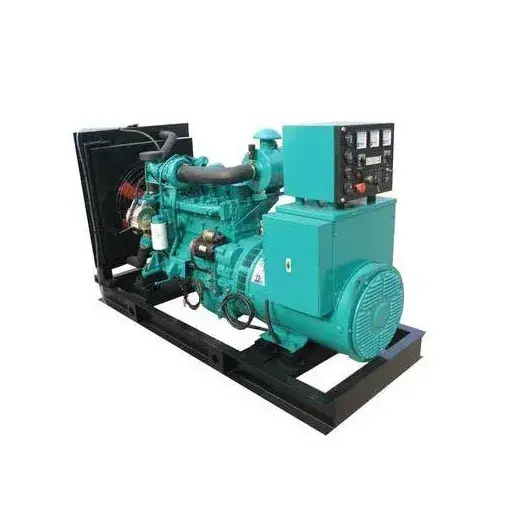
Fuel Tank Size and Capacity
The fuel tank dimensions and holding capacity of diesel generators is a function of runtime and efficiency, acting as a critical factor. Fuel tank capacity is typically denoted in gallons or liters. Larger tanks enable longer runtime without refueling. For example, stationary standby generators may have tanks providing 12 to 72 hours of operation depending on load and fuel consumption rate. Portable generators feature much smaller fuel tanks due to portability and economy specifications.
Calculating Fuel Requirements
One critical consideration when discussing tank size is fuel consumption rate under various loads—measured in gallons per hour (GPH) or liters per hour. To illustrate:
Example: A 100 kW generator at 75% load may consume approximately 7-8 gallons of fuel per hour
Knowing your expected usage duration allows you to select the appropriate tank capacity for uninterrupted operation.
Codes such as NFPA 110 require minimum fuel storage on-site for emergency power generator installations. Ensuring adequately sized fuel tanks, especially for critical tasks, prevents service interruptions and maintains operational continuity.
Types of Fuel Used in Diesel Generators
To maintain optimal generator performance, diesel generators are primarily equipped to use specific grades of diesel fuel:
No. 2 Diesel (Distillate Fuel Oil)
The primary fuel used in most applications owing to high energy content and easy availability. Preferred for superior thermal efficiency in standard diesel generators.
Ultra-Low Sulfur Diesel (ULSD)
Increasingly used due to compatibility with current emission standards. Contains only 15 ppm sulfur compared to traditional diesel, significantly reducing sulfur dioxide emissions and environmental impact.
Biodiesel Blends (B20)
Made from soy or other renewable resources with reduced emissions. B20 (20% biodiesel, 80% petroleum diesel) is widely compatible. Pure biodiesel (B100) is only acceptable in certain generators and may require adjustments for normal operation.
Synthetic Diesel (GTL)
Natural gas reformed to liquid using the Fischer-Tropsch process. Ultra-clean fuel delivering optimum predictable performance without engine modifications. Limited availability and higher cost restrict widespread use.
Fuel type must be considered regarding generator design, financial pragmatism, environmental concerns, and compatibility. Generator maintenance and performance also involve considering fuel quality, possible contamination, and proper storage conditions and requirements.
Fuel Efficiency and Maintenance Tips
Reducing fuel consumption of generators requires implementing procedures for maintenance, user behavior optimization, and leveraging available technology. Here are essential strategies:
Best Practices for Fuel Efficiency
- Periodic motor oil changes
- Air cleaner replacement as needed
- Fuel system inspection and filter/injection component replacement
- Regular component checks to ensure optimal engine performance
Operating generators at 40-80% load (rather than below or above this range) is optimal because it reduces wear and minimizes fuel consumption. Advanced fuel management systems with data analysis capabilities can adjust parameters online to limit wastage and detect inefficient behaviors.
- Store fuel in clean, well-sealed tanks to prevent contamination
- Prevent sediment buildup through regular fuel polishing (cleaning/treatment)
- Maintain quality to avoid efficiency reduction from pollutants
- Use automated control systems for consistent fuel management
When combined with regular system diagnostics and modern methodologies such as automated control systems, these approaches lengthen expected service life, enhance fuel efficiency, and reduce long-term operational costs.
Installation and Configuration of Diesel Generators
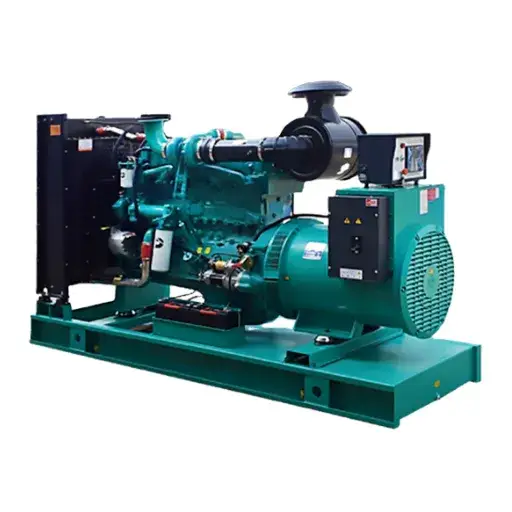
Electrical Setup for Standby Generators
Technical considerations relating to electrical installation of standby power units is among the most important aspects requiring careful design and implementation. These considerations include transfer switches, load connections, and circuit arrangements.
Critical Electrical Components
Automatic Transfer Switches (ATS)
Essential for eliminating power loss moments when switching from utility to generator power. Connected to the main switch panel, they monitor power conditions and activate generators automatically during outages.
Load Analysis & Circuit Selection
Precise analysis prevents overload or underutilization. Includes peak demand analysis and critical circuit identification. Must consider voltage, phase type (single or three-phase), and power ratings corresponding to generator capacity.
Surge Protection
Adding structures capable of protecting equipment from transient voltages reduces the possibility of destroying sensitive components during electrical surges or voltage drops.
Compliance with the National Electrical Code (NEC) and applicable jurisdiction regulations ensures safe and effective setup. This includes installation of suitable grounding systems to prevent electrical faults and shock hazards. Performing testing after installation verifies proper phase and neutral conductor connection, load uniformity, and capable operation before startup.
Enclosure and Safety Considerations
Vitality and security of electrical power systems considerably depend on enclosure design and materials selection, particularly in commercial and industrial projects. Proper compartmentalization with appropriate environmental ratings (IP or NEMA) protects sensitive internal structures from dust, water, and weather elements.
Material Selection
Corrosion-resistant materials such as stainless steel or fiberglass ensure reliability in harsh environments
Ventilation & Cooling
Active cooling (fans, HVAC) and passive devices (heat sinks, thermal vents) manage excess heat effectively
Safety Labeling
ANSI or ISO standard labels warn about high voltage areas, hazards, and grounding requirements
Access Control
Lockable doors and tamper-proof fasteners prevent unauthorized intervention and increase user safety
Adoption of proper enclosure and safety measures not only helps enforce legal requirements but also maintains systems with functional guarantees over time, particularly during servicing or inspection activities.
Configuration for Optimal Performance
Proper configuration procedures during design stages are essential to achieving effective results. This encompasses several critical factors:
Configuration Checklist
✓ Hardware Component Verification
Ensure appropriate processor, memory, storage, and supporting hardware are correctly located per design specifications. Verify no element introduces bottlenecks or dysfunction in the architecture.
✓ Network Configuration
Engineer network setup to handle expected data rates without delays. Utilize sophisticated routing, network partitioning, and Quality of Service (QoS) parameters for smooth data movement and enhanced packet delivery.
✓ Software Optimization
Configure options such as thread concurrency and caching mechanisms to determine efficiency of resource allocation and processing. Use automation and monitoring tools for real-time adjustments based on system performance metrics.
These practices guarantee a quality setup compliant with installation technology and the necessary capabilities for successful operation in demanding commercial and industrial environments.
Frequently Asked Questions (FAQ)
Conclusion
Diesel generators remain essential power solutions for agricultural, industrial, residential, and commercial applications. Their reliability, fuel efficiency, and robust performance make them indispensable for backup power and remote operations. By understanding the types available, selecting appropriate specifications, maintaining proper fuel management, and ensuring professional installation, users can maximize generator performance and longevity. Whether powering critical hospital systems, supporting construction sites, or providing farm backup power, diesel generators continue to deliver the dependable electricity modern operations demand.