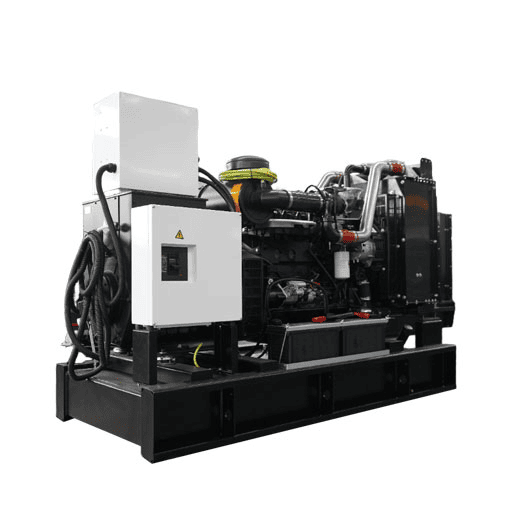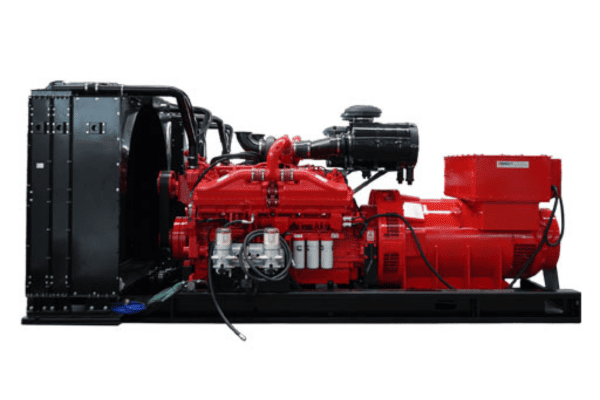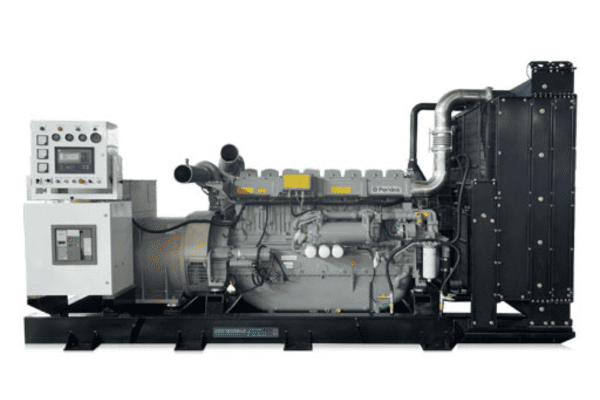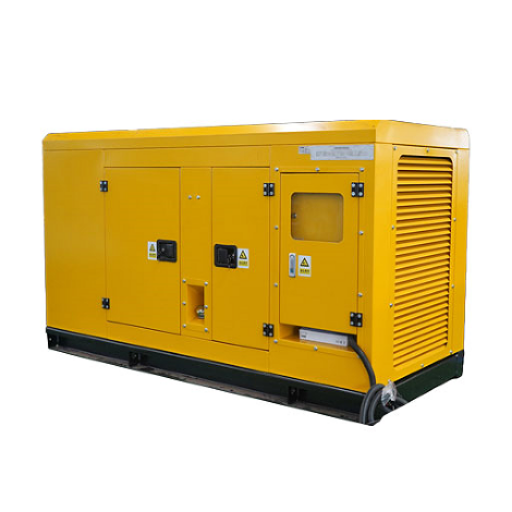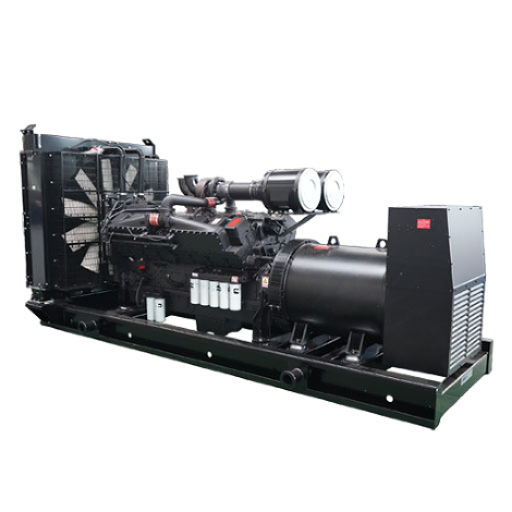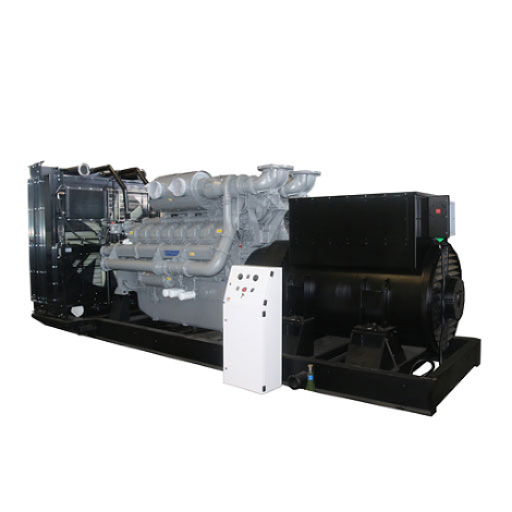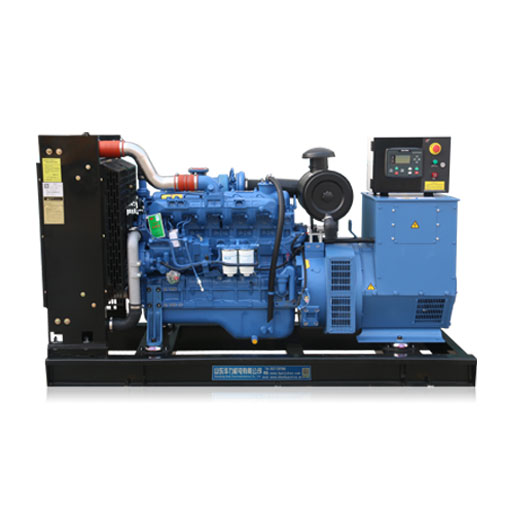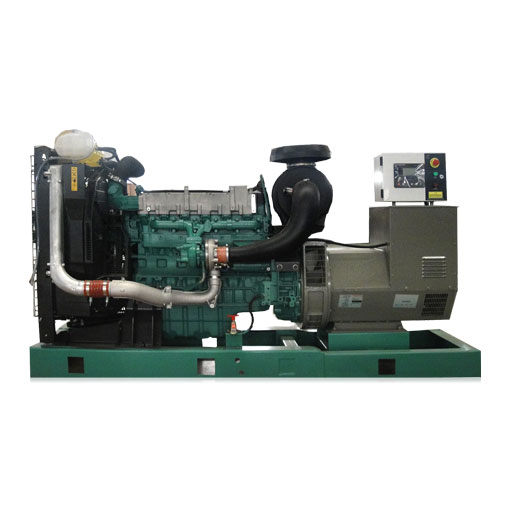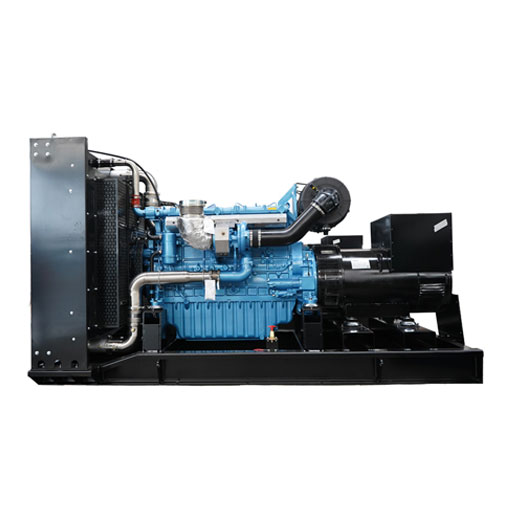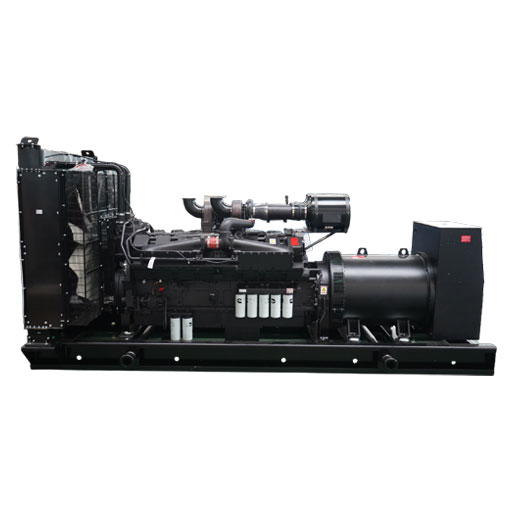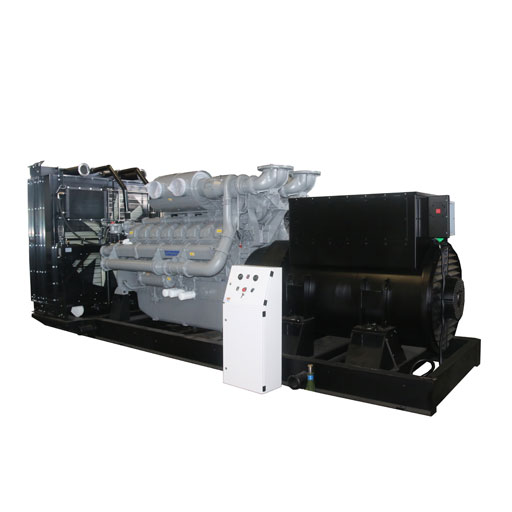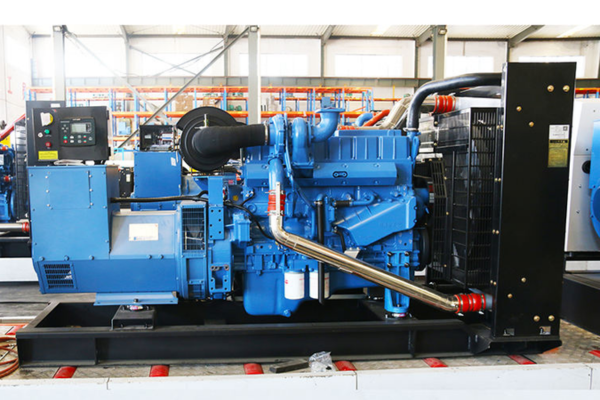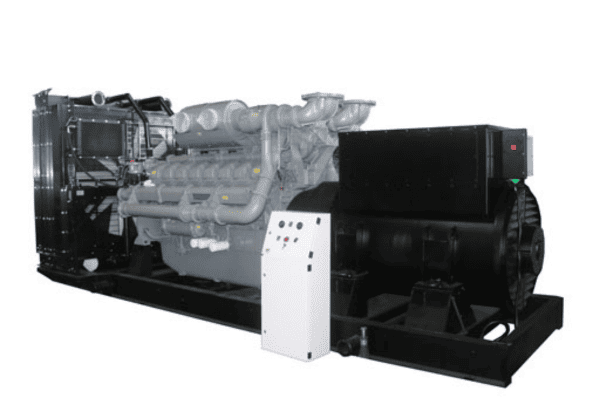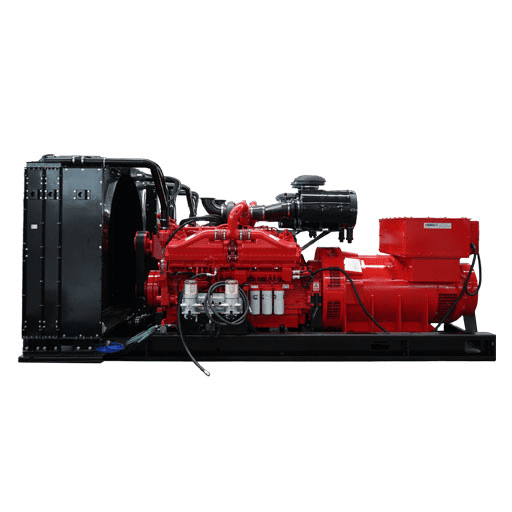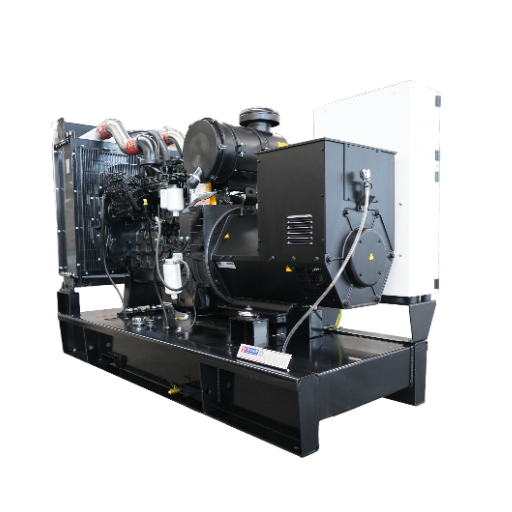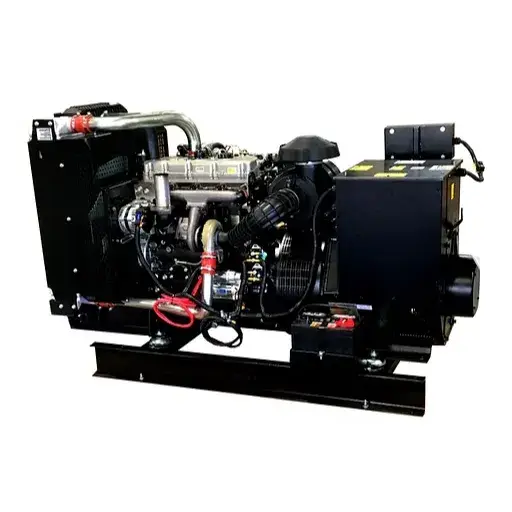
The best emergency power generator is a diesel-driven genset sized to carry your life-safety loads. It must include an automatic transfer switch and assume full load within 10 seconds of grid failure. For hospitals, data centers, and critical infrastructure, that specification is not optional. It is written into NFPA 110, NEC Article 700, and building codes worldwide.
Yet many buyers still use “emergency generator” and “standby generator” interchangeably. That confusion leads to under-sized units, code violations, and failed inspections. In this guide, we will separate the terminology, explain the standards, and walk through emergency generator sizing. We will also show how to buy an emergency power generator that meets all emergency generator requirements and actually protects your facility.
At Shandong Huali Electromechanical Co., Ltd., we manufacture emergency generator sets from 8 kVA to 4,000 kVA. We have supplied clients in more than 20 countries. In this guide, we share what we have learned about specifying emergency power systems for hospitals, data centers, factories, and commercial buildings.
Key Takeaways
- An emergency power generator serves life-safety loads and must start within 10 seconds under NFPA 110 Level 1.
- Standby generators cover legally required or optional loads, not life safety, and can start more slowly.
- Sizing starts with emergency load inventory, adds motor starting surge, and applies a 20-25% margin plus environmental derating.
- Fuel storage requirements vary by code and application; hospitals increasingly require 96 hours of on-site fuel.
- Factory-direct procurement from a Chinese OEM can cut equipment cost by 25-40% while preserving customization and FAT.
What Is an Emergency Power Generator?

An emergency power generator is a standby source of electricity that automatically supplies power to designated emergency systems when the normal utility source fails. In the United States, NFPA 110 defines it as part of a Level 1 emergency power supply system (EPSS). Failure of that system could result in loss of human life.
The term is often misused. In everyday language, people call any backup generator an “emergency power generator.” In code language, the term is narrower. An emergency power system is the complete installation: generator set, automatic transfer switch, distribution, controls, fuel storage, and ventilation. The emergency power generator is the engine-alternator unit at the center of that system.
Facilities install emergency generators for three reasons:
- Life safety: exit lighting, fire alarms, fire pumps, elevators, emergency communication.
- Critical healthcare: operating rooms, ventilators, patient monitors, isolation-room ventilation.
- Critical operations: data center IT loads, process safety systems, and other infrastructure where sudden shutdown creates unacceptable risk.
For a broader look at backup power technologies, see our guide on backup power generator systems.
When Carlos Mendez, a facilities director at a hospital in São Paulo, searched for an emergency power generator in 2024, he received quotes for both standby and emergency-rated units. The price gap was significant. Only after reviewing NFPA 110 did he realize that his surgical suites required a Level 1 emergency system, not a generic standby set. He avoided a failed inspection and a six-figure re-installation.
Emergency Power Generator vs. Standby Generator
The difference between an emergency power generator and a standby generator is not marketing. It is defined by code, start time, and the loads each serves.
NFPA 110 Classification
NFPA 110 classifies emergency and standby power systems into two levels:
- Level 1: Failure could result in loss of human life. Requires the fastest startup and highest reliability.
- Level 2: Less critical to human life but important for property, business continuity, or legally required functions.
Start Time
- Emergency power generator: must assume full load within 10 seconds of utility failure.
- Legally required standby generator: must restore power within 60 seconds.
- Optional standby generator: no fixed code-mandated start time.
Typical Loads
| Generator Type | Loads Served | Code Reference |
|---|---|---|
| Emergency power generator | Life-safety lighting, fire pumps, alarms, OR equipment, elevators | NEC Article 700 |
| Legally required standby | Heating, refrigeration, ventilation, sewage disposal, communications | NEC Article 701 |
| Optional standby | Production lines, data centers, general business continuity | NEC Article 702 |
Wiring and Installation
Emergency power systems require separate conduits and panels. Level 1 generators must be installed in a separate 2-hour fire-rated room. They cannot share space with normal service equipment over 150V to ground and 1,000 amps. Standby systems have fewer physical separation requirements.
This distinction matters for procurement. If your specification says “emergency power generator” but your loads are general business equipment, you may overpay. If it says “standby generator” but your loads are life-safety, you may fail inspection.
Industrial Emergency Generator Applications by Industry

Each industry applies the same NFPA 110 principles differently. The loads, runtime requirements, and redundancy architecture change with the facility.
Hospital Emergency Power Generator
Hospitals are the most demanding emergency power application. A hospital emergency generator must restore the essential electrical system within 10 seconds under NFPA 99 and NFPA 110. The essential electrical system is divided into three branches:
- Life safety branch: emergency lighting, exit signs, fire alarms, alarm systems.
- Critical branch: surgical suites, patient monitoring, ventilators, blood banks.
- Equipment branch: major imaging, HVAC, chillers, pumps, medical air compressors.
California and several other states now require nursing homes and some hospitals to maintain 96 hours of fuel autonomy for emergency generators. Main fuel tanks must also be sized to at least 133% of the required fuel volume.
For hospital projects, an emergency diesel generator is usually the default. Diesel stores on site. It starts reliably in cold weather and carries high motor starting surge. Natural gas is cleaner but depends on pipeline integrity, which can fail during the same earthquake or storm that kills grid power.
Data Center Emergency Power Generator
Data centers use emergency power generators to back up UPS systems and critical cooling. A 10-second startup is not fast enough for servers. The UPS bridges the first seconds. The generator then takes over before batteries deplete.
AI rack densities now exceed 132 kW per rack. A 10,000-rack training campus can need 1.4 GW of total power. At that scale, the emergency power plant becomes a dedicated substation.
Uptime Institute Tier III requires N+1 redundancy for concurrent maintainability. Tier IV requires 2N for fault tolerance. Runtime commonly ranges from 12 to 72 hours, depending on refueling contracts and grid reliability.
For a deeper look at data center requirements, see our guide on industrial power solutions for data centers.
Industrial and Manufacturing Emergency Power
Factories install industrial emergency generators to protect personnel, prevent equipment damage, and maintain safety systems. Typical emergency loads include:
- Fire pumps and sprinkler systems
- Egress lighting and emergency alarms
- Process safety shutdown systems
- Critical ventilation and hazardous-area exhaust
Motor starting surge is often the sizing driver. A 100 kW compressor can draw 600 kVA momentarily. If the generator is too small, voltage dip trips drives and contactors across the plant.
For more on integrated power solutions, read our complete guide to industrial power solutions.
Commercial Building Emergency Power
High-rise offices, hotels, and retail centers use emergency generators for elevators, egress lighting, fire alarms, and smoke-control fans. Some jurisdictions also require power for at least one elevator serving accessible floors. Load diversity is usually high, so a smaller generator can serve a large building if the load analysis is done correctly.
Emergency Generator Sizing: How to Size an Emergency Power Generator
Sizing an emergency power generator follows the same logic as sizing any standby unit, but the margin for error is smaller. A miscalculation can mean failed motor starting, excessive voltage dip, or a generator that cannot carry the full emergency load.
Step 1: Inventory Emergency Loads
List every load that must run during an emergency. Include:
- Running kW
- Starting kW or starting kVA
- Power factor
- Starting method (across-the-line, soft starter, VFD)
Motor-driven loads such as fire pumps, chillers, and compressors are the critical items. A motor can draw 5-7 times its running current during across-the-line starting. That surge often determines the minimum generator size.
Step 2: Apply Demand and Diversity Factors
Not every emergency load runs simultaneously. Apply a demand factor based on expected simultaneous operation. For hospitals, this is often 0.8 to 0.9. For commercial buildings, it may be 0.6 to 0.75.
Step 3: Convert kW to kVA
Generators are rated in kVA. Divide running kW by the load power factor, typically 0.8 for mixed industrial loads:
Generator kVA = Total running kW / Power factor
Step 4: Add Motor Starting Surge
Identify the largest motor and calculate its starting kVA. Ensure the generator can deliver that surge without excessive voltage dip. Most specifications allow 15-20% voltage dip for motor starting.
Step 5: Apply Safety Margin
Add 20-25% to the calculated running kVA. This margin covers:
- Future load growth
- Harmonics from non-linear loads
- Measurement uncertainty
- Avoidance of chronic underloading
Step 6: Apply Environmental Derating
Engines lose output at altitude and high temperature. A common rule is 3-4% derating per 300 meters above sea level. It also loses about 1% per 3°C above 27°C. Always apply both altitude derating and temperature derating to the published rating.
Sizing Example: Hospital Emergency Loads
| Load | Running kW | Starting kW |
|---|---|---|
| Life-safety lighting | 40 | 40 |
| Fire pump | 75 | 375 |
| Critical branch (OR, monitors) | 120 | 130 |
| Equipment branch (HVAC, imaging) | 250 | 320 |
| Total | 485 | 865 |
With a demand factor of 0.85 and power factor of 0.8:
- Running kVA = 485 × 0.85 / 0.8 = 515 kVA
- With 25% margin: 645 kVA
- With largest motor starting surge and voltage-dip check: select 750-800 kVA emergency diesel generator
When Priya Sharma sized an emergency system for a manufacturing plant in Mumbai, she discovered that two 200 kW compressors starting together would collapse the voltage on a 600 kVA unit. She added a staged starting sequence and upgraded to an 800 kVA emergency generator. The plant passed its first load-bank test without a single trip.
Fuel Storage and Runtime Requirements

The global emergency diesel generator market is projected to grow from USD 23.8 billion in 2025 to USD 38.6 billion by 2034. Hospitals, data centers, and industrial facilities are driving that growth as grid reliability becomes a strategic risk.
Runtime is where emergency power generator design becomes a code question. NFPA 110 defines fuel supply classes based on the number of hours the system can operate without refueling:
| NFPA 110 Fuel Class | Runtime Without Refueling |
|---|---|
| Class 2 | 2 hours |
| Class 6 | 6 hours |
| Class 48 | 48 hours |
| Class X | As specified by authority having jurisdiction |
Common real-world requirements:
- Hospitals: often 96 hours, especially in California and post-disaster planning
- Data centers: 12-72 hours depending on Tier and fuel contracts
- Water/wastewater: often 72 hours at full load
- Public safety/transportation: 48-72 hours
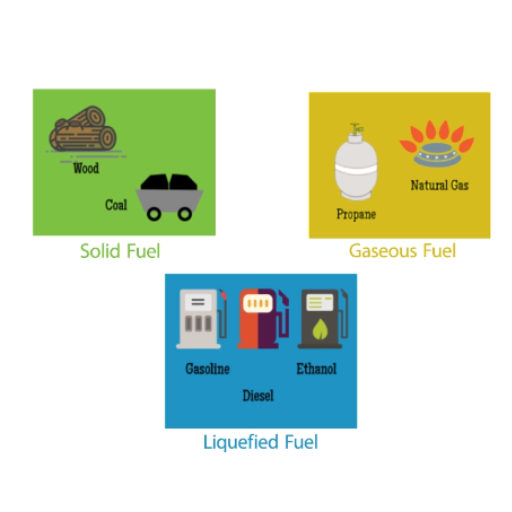
Diesel remains the default for emergency power generators because it stores on site and does not depend on utility pipelines. Natural gas generators are cleaner and quieter but introduce fuel-dependency risk. Dual-fuel systems offer flexibility but add complexity.
The main fuel tank must be sized to at least 133% of the required fuel volume. This accounts for unusable fuel at the bottom of the tank. It also provides a small safety buffer. Day tanks and transfer pumps must be sized to keep the generator supplied during continuous operation.
Codes and Standards for Emergency Power Generators
Compliance is not optional for emergency power generators. The relevant standards include:
- NFPA 110: Standard for Emergency and Standby Power Systems. Defines Level 1 and Level 2 systems, installation requirements, and testing schedules.
- NFPA 99: Healthcare Facilities Code. Governs hospital essential electrical systems.
- NFPA 101: Life Safety Code. Addresses egress lighting and alarm systems.
- NEC Article 700: Emergency systems. Requires power restoration within 10 seconds.
- NEC Article 701: Legally required standby systems. Requires power within 60 seconds.
- NEC Article 708: Critical operations power systems for facilities designated by government.
- UL 2200: Stationary engine generator assemblies.
- ISO 8528: International standard for reciprocating internal combustion engine driven alternating current generating sets.
- NEMA MG1: Motors and generators performance standard.
A specification that references only “NFPA 110” is incomplete. A complete specification identifies the level, the fuel class, the applicable NEC article, and any local amendments.
Installation and Testing Requirements
An emergency power generator must be installed so it will start when needed and run long enough to outlast the outage.
Installation Requirements
A compliant NFPA 110 generator installation includes several key elements:
- Separate 2-hour fire-rated room for Level 1 systems.
- Minimum clearance around the unit for maintenance, typically 1.5 times the unit footprint.
- Ventilation sized for combustion air and heat rejection.
- Exhaust routing away from air intakes and occupied spaces.
- Noise attenuation where local codes require it; hospitals often need <75 dBA.
- Vibration isolation to protect the building and extend equipment life.
Transfer Switch Selection
- Open-transition ATS: breaks utility before connecting generator. Brief interruption acceptable for most loads.
- Closed-transition ATS: makes-before-break. Used for sensitive medical and IT loads.
- Delayed-transition ATS: pauses in neutral to let motor loads decay. Useful for large motors.
Testing Schedule
Regular testing is part of the emergency generator requirements. NFPA 110 requires:
- Weekly: visual inspection and no-load run.
- Monthly: load test for at least 30 minutes at ≥30% of nameplate kW.
- Annual: full-load test and fuel quality check.
- 36 months: 4-hour continuous load test for Level 1 systems.
Load-bank testing is essential for generators that rarely run under load. It prevents wet stacking, cleans injectors, and verifies cooling system performance.
Buying an Emergency Power Generator from a Chinese OEM

Chinese OEMs such as Shandong Huali Electromechanical Co., Ltd. offer factory-direct pricing for emergency generator sets without distributor markup. The key is to verify capabilities before committing.
What to Look For
- ISO 9001 and ISO 14001 certification
- In-house test center capable of full-load FAT
- Engine partnerships with Cummins, Perkins, Weichai, Yuchai, or Stamford
- Customization track record for voltage, frequency, enclosure, ATS, and controls
- Export experience with documentation for your destination country
- Spare-parts commitment and technical support network
Typical Lead Times
- Standard emergency generator sets: 4-6 weeks
- Customized systems: 8-12 weeks
- Containerized or high-voltage plants: 12-16 weeks
Cost Advantage
Factory-direct procurement can cut equipment cost by 25-40% compared with a distributor or local integrator. Reinvest those savings in installation, commissioning, and a spares package. For critical facilities, the savings should never come at the cost of compliance documentation or witnessed testing.
When a university hospital in Nairobi needed three 1,000 kVA emergency diesel generators in 2025, it compared quotes from a European distributor and Shandong Huali. The factory-direct option delivered equivalent Cummins-powered units at 34% less cost, including FAT video evidence, ATS testing, and a two-year spares plan. The system was commissioned four weeks ahead of schedule.
FAQ
What is an emergency power generator?
An emergency power generator is an automatic source of electricity that supplies life-safety and critical loads when the normal utility fails. Under NFPA 110, Level 1 emergency systems must restore power within 10 seconds.
What is the difference between an emergency generator and a standby generator?
An emergency power generator serves life-safety loads and must start within 10 seconds under NFPA 110 Level 1. A standby generator serves legally required or optional loads and has less stringent start-time requirements.
How fast must an emergency generator start?
NFPA 110 Level 1 systems must assume full emergency load within 10 seconds of utility failure. Legally required standby systems under NEC Article 701 must restore power within 60 seconds.
How do you size an emergency power generator?
Size an emergency power generator by inventorying emergency loads, applying demand and diversity factors, converting kW to kVA, adding the largest motor starting surge, applying a 20-25% safety margin, and derating for altitude and temperature.
What is NFPA 110 Level 1?
NFPA 110 Level 1 applies to emergency power systems where failure could result in loss of human life. It requires the fastest start time, strictest installation rules, and regular testing.
How much fuel storage does an emergency generator need?
Fuel storage depends on code class and application. Hospitals often need 96 hours. Data centers commonly plan for 12-72 hours. The main fuel tank must be sized to at least 133% of the required volume.
Which industries need emergency power generators?
Hospitals, data centers, manufacturing plants, water treatment facilities, airports, high-rise buildings, and public safety facilities all need emergency power generators for life-safety or legally required loads.
How often must an emergency generator be tested?
NFPA 110 requires weekly inspections, monthly loaded tests of at least 30 minutes, annual full-load tests, and a 4-hour continuous load test every 36 months for Level 1 systems.
Can a portable generator be used for emergency power?
Portable generators are generally not acceptable for permanent Level 1 emergency systems. They may be used for temporary or optional standby power with proper manual transfer switching and grounding.
What is an NFPA 110 generator?
An NFPA 110 generator is a stationary engine-generator assembly installed as part of a Level 1 or Level 2 emergency power supply system. It must be prototype-tested, properly ventilated, and maintained on a defined testing schedule.
What does turnkey emergency power solution mean?
A turnkey emergency power solution includes site survey, system design, equipment supply, factory acceptance testing, shipping, installation, commissioning, training, and after-sales support.
Conclusion
An emergency power generator is not just a larger backup generator. It is a code-defined system. It must start fast, carry life-safety loads, and run long enough to outlast the crisis. Get the classification wrong and you risk failed inspections. Size it wrong and you risk voltage collapse. Specify it wrong and you risk a generator that cannot do the one job it was bought for.
Start by identifying whether your loads are emergency, legally required standby, or optional. Then size the unit from real load data. Add motor starting surge, apply a safety margin, and derate for your site conditions. Choose fuel storage based on code class and runtime requirements. Finally, select a supplier that can document compliance, witness testing, and support the system over its full lifecycle.
At Shandong Huali Electromechanical Co., Ltd., we design and manufacture emergency power generators and complete emergency power systems from 8 kVA to 4,000 kVA. We offer Cummins, Perkins, Weichai, and Yuchai engine options, full OEM/ODM customization, ISO-certified testing, and global delivery. If you are planning a new emergency power system or upgrading an existing one, request an emergency power assessment and our engineers will size a solution for your exact load.