
The selection of digital or analog control panels for generators represents an important choice that industries and businesses face when they need continuous power supply. Both technologies offer different benefits to various applications which require users to understand their unique features before making a proper selection. This article explores the technical details of digital and analog controllers by examining their performance and reliability and functionality across different use cases. The understanding of control system details enables you to select the optimal system for your needs whether you work on power system optimization for advanced facilities or you maintain continuous operations for outdated systems.
Understanding Generator Control Panels
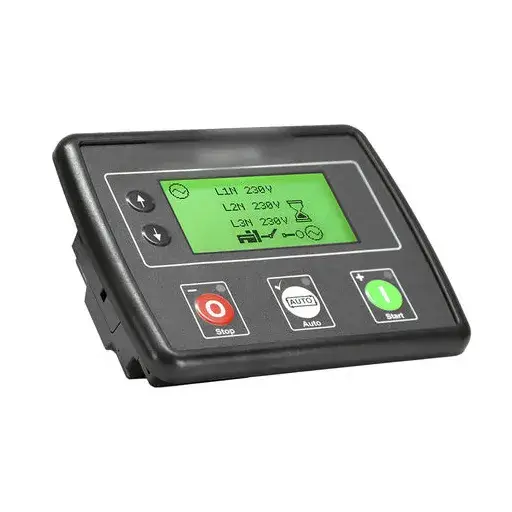
What is a Generator Control Panel?
The generator control panel controls generator operation while providing performance monitoring for multiple application purposes. The system operates through a main interface which lets users observe essential parameters such as voltage and current and frequency. The panel system enables users to control generator operations through automatic or manual equipment control which increases operational efficiency and system versatility.
The control panel functions as a system that combines hardware with software to control generator operations which include starting procedures and running operations and stopping procedures. The system usually consists of essential measuring devices which include meters and gauges and indicators that deliver operational status updates throughout the process. The advanced panel system allows users to automate processes through programmable logic controllers and microprocessors which enable load control and fault detection functions. The generator system automatically adjusts its power output according to changing demands while using minimal human control during system interruptions.
Generator control panel design needs to adapt according to particular application needs and the complexity of the system. Basic models focus on core monitoring functions, while sophisticated variants incorporate advanced features like remote monitoring, data logging, and network communication capabilities. These panels are essential because they enable generators to operate safely and efficiently while maintaining accuracy throughout various industrial environments which include healthcare facilities and data centers and construction sites and residential homes.
Importance of Generator Control in Diesel Generators
The generator control system functions as an essential part of diesel generators because it enables operators to manage electrical output according to their exact power requirements. The system maintains operational effectiveness by controlling generator functions which produce stable voltage and frequency outputs during power demand fluctuations. The system maintains operational security through performance control because it stops overloads and inefficiencies and equipment breakdowns which would disrupt all of its operational fields.
Generator control systems function as safety systems for operations. The system can perform automatic shutdowns when it detects faults that include overheating and low oil pressure conditions which protects both the generator and its associated equipment from harm. The advanced control panels deliver continuous operational diagnostics which enable operators to detect and resolve issues before they progress into major operational difficulties. The generator system benefits from this method because it extends its operational period while reducing unexpected failures which create critical challenges in hospitals and data centers.
The systems function as energy efficiency solutions which enhance fuel efficiency throughout their operations. The generator controls monitor operations and make performance adjustments which decrease fuel consumption and operational expenses. The advanced systems offer emissions monitoring capabilities which allow organizations to meet environmental protection requirements. Reliable generator control systems enable diesel generators to operate smoothly while maintaining safety standards in various working conditions.
Overview of Digital vs Analog Controllers
Digital controllers offer precision, remote access, and adaptability, while analog controllers are simpler, cost-effective, and more robust in harsh environments.
|
Key Point |
Analog |
Digital |
|---|---|---|
|
Ease of Use |
Simple |
Complex |
|
Accuracy |
Moderate |
High |
|
Cost |
Low |
High |
|
Durability |
High |
Moderate |
|
Data Access |
Limited |
Remote |
|
Flexibility |
Low |
High |
|
Maintenance |
Easy |
Complex |
|
Noise Tolerance |
High |
Low |
|
Efficiency |
Moderate |
High |
|
Adaptability |
Low |
High |
Performance Features of Control Panels
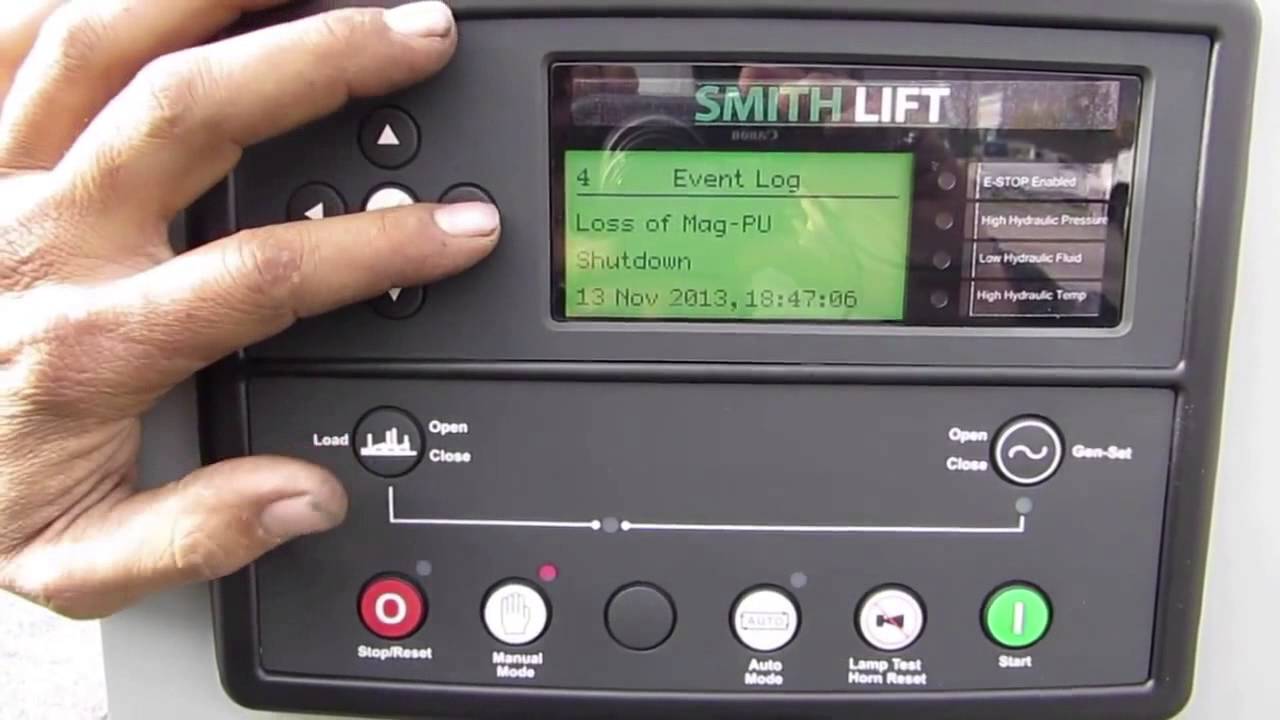
Monitoring Capabilities of Digital Controllers
The digital controllers provide advanced monitoring capabilities which enable users to maintain total control over multiple systems. The system’s main benefit is its capacity to gather and analyze extensive real-time sensor data which enables operators to assess system performance and enhance functionality. Digital systems need advanced mathematical models to monitor multiple system parameters which include temperature and pressure and flow rate and additional factors whereas traditional analog controllers need basic monitoring systems. The system enables complete operational visibility which helps to identify potential operational mistakes and reduces operational pauses.
Digital controllers gain additional functionality through the combination of cloud-based systems and remote access capabilities. The systems enable operators to receive instant alerts through email and mobile app notifications which deliver critical information for remote assessment. The historical data logging feature of digital controllers together with their trend analysis capabilities enables organizations to implement predictive maintenance programs which detect potential system failures before they happen. The manufacturing and energy and healthcare sectors depend on this feature because their operations require continuous system performance.
Digital controllers enable system designers to create operational systems that work together with IoT devices and AI technologies. The controllers use IoT technology to connect with outside devices which results in better system efficiency and creates a unified resource management system. AI analytics provide organizations with advanced data analysis capabilities which help them make better choices based on their monitoring information. Digital controllers enable organizations to enhance operational efficiency and measurement precision and capacity expansion and thus create a major advancement in monitoring and automation technology.
Seamless Operation with Analog Controllers
The fundamental role of analog controllers in industrial and commercial applications has existed since their introduction as essential components for automation and control systems. The controllers function by transmitting continuous signals which use voltage or current changes to control operational procedures. The sensor information processing enables analog controllers to adjust their settings precisely to preserve the required operational standards. The system achieves reliable operation because its basic design leads to fewer complex breakdowns while maintaining stability during linear control operations.
The main benefit of analog controllers stems from their ability to process different input signals at high speeds because they provide immediate output results. The temperature control systems use analog controllers because they allow fast response times which help maintain system efficiency and energy savings. The system achieves immediate adaptability because it uses direct signal paths which eliminate the digital system processing time that causes delays. The basic design of analog controllers enables easy maintenance procedures which decrease equipment downtime and operating expenses in vital facilities like manufacturing plants and energy production sites.
The combination of digital controllers with IoT connectivity and AI capabilities creates advanced systems which operate better in certain situations. Many industrial facilities still use analog systems from the past because switching to digital systems creates high costs and operational difficulties. The analog controllers function properly in electrically noisy environments because they maintain performance through different harsh operating conditions which make digital signals unusable. The integration of analog and digital systems creates a hybrid control system which utilizes both systems’ advantages to achieve better results.
Parallel Operation and Load Management
Power systems depend on two key operations which must be executed properly to achieve maximum resource use and system dependability and energy transmission efficiency. Electrical devices operate together through parallel operation when their generators achieve voltage and frequency and phase angle synchronization to create simultaneous output. The synchronization process establishes system protection mechanisms which prevent all seven types of operational problems that could lead to system degradation. Systems that operate in parallel should distribute power to multiple units because this design enhances system performance and provides backup power during equipment breakdowns. The operation requires critical power capacities which data centers and industrial plants and healthcare facilities must maintain at all times.
The core function of load management enables systems to operate at their highest efficiency while simultaneously cutting down their operational expenses. Modern load management techniques track electricity usage across multiple units and time slots to stop peak overloading while reducing energy losses and enabling smooth energy distribution. The implementation of load-shedding controllers and programmable logic controllers (PLCs) and demand response systems serves as the foundation for these operations. The systems utilize automated tools to make decisions which manage load distribution through real-time data processing and predictive analytics. The design guarantees that essential processes receive continuous power supply which operates without excessive system pressure.
The development of grid systems together with the introduction of Internet of Things (IoT) technology has transformed the methods used for parallel operation and load management. Smart grids use advanced sensor systems and communication technology which enables them to show real-time information about grid operations and load status and equipment failures. The artificial intelligence (AI) and machine learning (ML) systems use their capabilities to develop predictive maintenance algorithms which enable.
Installation of Generator Control Panels
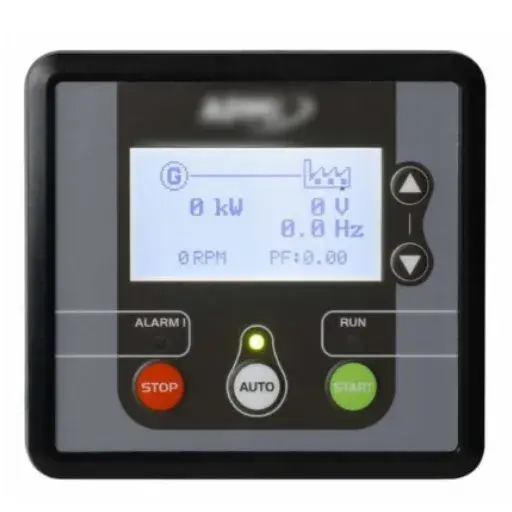
Step-by-Step Installation Guide
- Preparation of Tools and Equipment: The installation of the generator control panel requires you to gather all required tools and components. The basic essential tools for this work include a multimeter and insulated screwdrivers and wire strippers and a drill and the proper mounting hardware. The relevant installation manual together with the control panel model wiring diagrams needs to be present at your location.
- Assess the Installation Site: The generator control panel needs to be installed in a location that complies with the requirements established by the manufacturer. The site needs to offer sufficient airflow together with protection against environmental hazards which include moisture and extreme temperature conditions while also providing simple access to maintenance activities. The site needs to be checked for its compliance with all relevant electrical codes and safety standards.
- Secure the Mounting Surface: The control panel design requires you to install the mounting brackets and base plate. The mounting area needs to be checked for both stability and level condition because any misalignment will affect panel operation. The surface material requires anchors or screws for secure and dependable fastening.
- Electrical Wiring Connections: The team needs to carefully route and connect all electrical wiring which links the generator with the load and the control panel terminals. The manufacturer provides a wiring diagram which needs to be followed for connecting all power and neutral and grounding wires. The wire gauge together with insulation must fulfill the requirements established for the specified electrical load.
- Integration of Auxiliary Components: The system requires users to add extra ancillary components such as sensors and circuit breakers and automation modules. The components need to be connected at their specific ports or slots within the control panel according to the installation manual instructions.
- System Testing: Before system activation you must conduct a complete system test. The multimeter enables you to test electrical continuity and identify loose connections and verify that all components have proper grounding.
By adhering to these step-by-step instructions, you ensure a safe and efficient installation of the generator control panel, minimizing operational risks and downtime.
Common Installation Challenges and Solutions
- Improper Wiring Connections: The most common problem that arises during generator control panel installation work stems from incorrect wiring methods. The equipment will experience component failure because of the incorrect wiring which establishes improper connections. The system should be powered only after all wiring diagrams have been followed and multimeter testing shows both continuity and voltage verification. The documentation must contain all wire labels together with their respective connection points which will be used for upcoming reference needs.
- Voltage Mismatch: The control panel experiences equipment failure because the generator output voltage does not match its design specifications. The control panel voltage requirements must match the generator output specifications during the initial design process. The installation process requires testing the equipment with a frequency meter and voltage tester for accurate results.
- Insufficient Load Testing: The process of testing load capacity becomes essential because its absence or insufficient execution results in operational equipment failures. The system requires testing with complete load capacity through multiple testing stages to verify its performance under typical operational conditions. The testing process requires load banks to create precise simulations which will enable us to observe system behavior through frequency stability and voltage regulation tests.
- Environmental Exposure: The control panel requires installation in a controlled environment which maintains its components through stable humidity levels and moderate temperature conditions. Technicians need to select installation sites which match the environmental requirements of the panel through IP and NEMA standards and they need to use protective enclosures when necessary. Organizations should implement additional cooling or ventilation systems which will protect their facilities during extreme operational conditions.
- Grounding and Electrical Noise: The operational performance of the control panel becomes disrupted through inadequate grounding methods and the existence of electrical interference. The system needs to follow proper grounding procedures which start from NEC standards and complete with shielded cable installation for all signal transmission paths. The installation of surge protection devices will protect the system from transient voltage spikes which will safeguard electrical equipment.
Proactively addressing these challenges during installation ensures the longevity and reliability of the generator system, while also reducing maintenance requirements and operational risks over time.
Maintenance and Troubleshooting
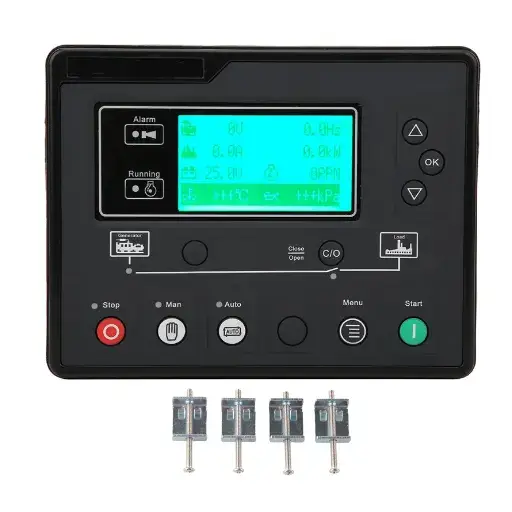
Routine Maintenance for Optimal Performance
Equipment maintenance requires a complete maintenance program which needs to be followed for achieving maximum efficiency and equipment durability. The first step requires the system to undergo scheduled visual inspections from which personnel will identify any signs of equipment deterioration that include wear and corrosion and physical damage which consists of loose connections and defective insulation. The team needs to perform component cleaning at scheduled times because dust buildup creates operational problems that result in decreased system performance. The team needs to inspect all electrical connections to verify they meet manufacturer torque requirements because loose connections create risks of overheating and electrical shorts.
Testing protective devices, which include fuses and breakers and relays, is essential to determine whether they operate as intended. Load testing procedures need to be conducted to determine whether systems function correctly during standard operational conditions which requires thermal imaging assessments to find hotspots that show hidden problems. The manufacturer specifications require lubricating moving components which will help reduce friction and component damage. Organizations need to implement regular updates for their software and firmware because this practice allows them to maintain product compatibility with current technologies while safeguarding their systems against security threats.
The practice of keeping detailed maintenance records because these records create a technical database which documents all inspections and replacements and repairs will assist with troubleshooting and future system improvements. The combination of these practices, which include manufacturer recommendations and industry data, will help you reduce system failure possibilities while improving system reliability.
Remote Monitoring Solutions for Enhanced Maintenance
The implementation of remote monitoring solutions has transformed maintenance operations because they use advanced technology to deliver immediate data and predictive maintenance information. The systems continuously gather and assess equipment performance through their use of sensors Internet of Things (IoT) devices and combined software systems. The remote monitoring system employs cloud-based analytics together with AI algorithms to discover initial signs of anomalies which include temperature changes and vibration pattern alterations and pressure level deviations that may lead to system breakdowns.
The use of vibration monitoring for rotating machinery together with its historical data analysis enables detection of imbalances and misalignments which help prevent costly downtimes. The system enables remote technicians to monitor system performance through its centralized control system which decreases their need to conduct on-site evaluations. The decision-making process becomes more efficient through detailed dashboards and automated alerts because they deliver usable information which reflects the current operational status.
The solutions establish operational reliability through enhanced predictive maintenance capabilities while they establish resource optimization by directing personnel to vital work areas. The combination of validated industry standards and manufacturer guidelines with remote monitoring technology allows critical systems to achieve longer operational life and better performance which benefits both large enterprises and small businesses that seek maximum efficiency.
Future Trends in Generator Control Technology
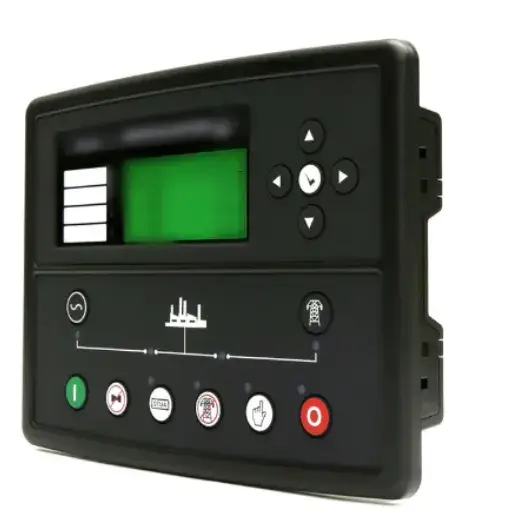
The Rise of Smart Control Panels
Advanced control panels are changing generator management and power system operations because their sophisticated features improve both system performance and user operational control. The systems use advanced Internet of Things technology and advanced sensors and machine learning algorithms to provide users with exact monitoring and control functions. Smart control panels enable organizations to acquire data in real time while managing operations from different locations, which leads to decreased operational downtime and better system assessment results. The system provides enhanced troubleshooting capabilities which enable technicians to solve problems with greater speed, which helps to reduce disruptions in business operations.
Smart control panels centralize data from various systems and generate operational insights through their customizable dashboard system which shows detailed information to users. Operators can monitor essential performance data through these panels because they provide cloud connectivity which enables access from multiple devices, including smartphones and tablets and desktop computers. Smart control technology enables predictive analytics to identify potential equipment failures, which results in decreased maintenance costs and extended equipment lifespan. The systems comply with industry standards while enabling smooth integration between current systems and new equipment which allows flexibility for both installation types.
The current smart control panels concentrate on cybersecurity protection because industrial sectors experience growing security risks from their increasing dependency on network connections. The system uses built-in encryption protocols together with access controls and automated software updates to secure critical infrastructure against security threats. The panels use AI-powered automation to enhance efficiency by handling repetitive activities and improving fuel use and establishing real-time load distribution. Smart control panels continue to develop into a crucial component for advancing generator control technology.
Impact of IoT on Generator Control
The system for generator control now functions better because IoT (Internet of Things) technology lets more advanced functions and operators monitor performance in real time and use sophisticated data analysis methods. Below are five key impacts of IoT on generator control, detailed with data and functionality:
- Real-Time Data Monitoring and Diagnostics: The system uses IoT-enabled sensors to gather and transmit real-time operational data which includes voltage and current and temperature and fuel levels to centralized monitoring platforms. Operators can detect system abnormalities right away which leads to a 30% decrease in equipment downtime through their use of predictive maintenance methods.
- Remote Control and Accessibility: IoT integration allows for the remote management of generators via apps or web-based dashboards. The system enables remote generator operation through protective barriers which need no physical examinations and lets users operate equipment through their mobile devices.
- Predictive Maintenance: Advanced IoT algorithms enable systems to forecast possible generator malfunctions through their examination of sensor data usage patterns. Research indicates that predictive maintenance methods achieve 25% longer equipment lifespan while they reduce unplanned breakdowns by 70%.
- Energy Consumption Optimization: IoT systems apply historical data together with real-time data analysis to achieve improved efficiency in generator operation. The systems achieve energy cost reductions of up to 15% because they track fuel consumption patterns and equipment performance which differs from conventional operating methods.
- Enhanced Security Features: IoT-enabled generator control systems use cybersecurity protection methods that include encrypted communications and user authentication together with intrusion detection systems. The system safeguards against unauthorized system access and protects against malicious attacks which businesses need to secure their confidential operations.
The development of new technologies through IoT applications drives progress in generator control systems which leads to development of smarter energy systems that produce lower environmental harm.
Upcoming Innovations in Generator Controllers
The future of generator controllers is being shaped by technological advancements that seek to improve performance and reliability and sustainability. The most important technological development today is the combination of artificial intelligence (AI) with machine learning (ML) algorithms. The system uses operational data to identify system faults that need repairs while predicting upcoming system failures to minimize equipment downtime and maintenance expenses. The development of advanced grid synchronization systems will enable smooth connections between existing power grids and renewable energy sources like solar power and wind energy, which will support hybrid energy systems.
The implementation of advanced communication protocols like IEC 61850 and MQTT now enables faster and more reliable data connections between generators and monitoring systems. This system enables users to monitor energy systems in real time while diagnosing issues remotely and managing various distributed energy resources from a central location. The development of energy storage management systems allows generator controllers to manage battery resources while maintaining power distribution during peak times and emergency situations.
The next-generation controllers use advanced encryption methods and secure boot systems and hardware-based authentication systems to protect against cyber threats which continue to evolve. The system needs these security measures to protect both industrial operations and critical infrastructure systems from emerging cyber threats. The combination of these technologies establishes generator controllers as essential elements of contemporary power management systems which achieve unprecedented levels of efficiency and resilience throughout the energy industry.
References
-
Digital Generator Control Unit (GCU)
A research showcase from Virginia Tech exploring digital control units in power electronics applications. - Click here to read more.
Frequently Asked Questions (FAQ)
Q: Can you elaborate on the purpose of a generator control panel and its place in a power generating structure?
A: A generator control panel is the sensory and mechanical infrastructure, designed to help each generator by offering not only the controllers and displays it needs for the start and stop sequences, but also the protective systems for the gensets. As such it works in conjunction with diesels or various other types of generators to provide automatic (auto) operations such as start-on-demaind functionality, load distribution and changing over the switches to enable power consumption or prime power which is safe for the system or the people using the system.
Q: In case of heavy-duty users, what other attributes should I look in a generator control panel?
A: For critical tasks, you need to ensure that the system is fully loaded with: real time monitoring, smart generator control, ATS inclusions, parallel working, sophisticated alarm management systems, fuel and engine monitoring, remote control, Wi-Fi and bluetooth transmission, customized user control selector keys. All these facilities prevent disruption in power supply and make the entire operation more safe and secure.
Q: How do generator control panel enable the functioning of automatic transfer and assistance in this transfer without interrupting power flow?
A: As an addition to the traditional form of genets, however, there is an inbuilt controller and more commonly, the automatic transfer switch communicates with a genset control panel. Since a genset controller does not allow “ if ”, it allows “ and ” because it is automatic to switch on the generators when there is a power cut-off, it allows the generator to operate in synergy in a certain configuration and also puts the transfer switch in the generator position all without any delay helping between the normal and backup power source within the shortest time possible and providing power allthrough.
Q: Can I access and operate generator control panels from a distance?
A: Yes. Quite many of the devices designed for monitoring of modern generator control panels can be programmed to transmit control panels data via wireless, as well as, in some cases, wired connection for better remote control. With remote control clients can easily observe and detect any changes in the operations, faults and errors related information, as well as help in controlling maintenance activities for the required efficiency and avoidance of unscheduled downtimes.
Q: What functions do generator control panels have that enable usage of multiple gensets in parallel?
A: It is possible to coordinate generators through generator control panels and controllers specifically prepared for adjustment and load management synchronization. The usage of controllers helps in speed control and power control within many gensets, therefore, allows smooth operation of the gensets without variation in load conditions, improved efficiency and support of any critical system in place.
Q: Are there any maintenance or reliability aspects for a generator control panel?
A: Aspects of regular upkeep consist of an upgrade of intelligent controllers’ firmware, examination of cables and ATS integration connectors, testing of the auto battery system, fuel system, performance of the auto-start and safety functionalities. Once correctly built away from the generator, periodically tested and installed with correct products, this constructions is assured of these elements for a very long period of time guaranteeing the client’s operation of the systems on a 24/7 basis.
Q: Is there generator control panel designs or product lines tailored to satisfy particular specifications?
A: Most definitely. Manufacturers provide various control panels and controllers that cater to a wide range of applications such as standalone set-ups to complicated installations involving several gensets/banks working paralelly. The design of panel can be customized, incorporating or excluding elements such as complex diagnostics, discrete or multi-level real-time performance monitoring, appropriate communication modes, safety or manufacturing regulations in order to give the most effective performance to the given application.
Q: What are control panels used to do in order to increase the effectiveness of diesel generating sets in terms of fuel consumption and functioning?
A: Latest generator control panel models have fuel parameter monitors, load sensors and engine speed/behavior metrics, effectiveness of engine control as well as carry other aspects to support control operations. Most panels are therefore controllers that are used for fuel control, fuel injection control or load sequencing and starting and stopping of engines more smartly in order to save fuel and improve the operation of a generator; the optimized start systems are especially useful when the set is used as the prime power generator or if used as the standby or in case of changeable load.
Q: At what time do I go to the supplier to upgrade or design a generator control panel?
A: Go to the supplier if the panel needs to be upgraded to meet new reliability or safety standards or incorporated with parallel operation, remote monitoring or age electronic panels replaced or specific functions in panels custom designed for implementation. The supplier may use controller functions specified to meet power generation design goals such as features within a typical washing ATS scope of supply, special operating functions and installation there o improvement of power generation.