
Generator wet stacking prevention comes down to one rule: run your diesel generator at 30% or more of its rated load, every time it runs. Below that threshold, the engine never reaches full combustion temperature. Unburned fuel, soot, and moisture then collect in the exhaust system and slowly damage the engine.
Daniel, a facility manager at a private hospital in Lagos, learned this the hard way. During a weekly inspection, he found thick black liquid dripping from an exhaust joint. His 500 kVA standby unit had passed every monthly start test for a year.
The problem was that every test ran at no load. The engine looked healthy on paper while wet stacking quietly built up inside.
Standby generators are especially vulnerable because they spend most of their lives idle. If your facility tests without load, you may have the same hidden problem. This guide shows you how to diagnose wet stacking, treat it safely with a load bank, and prevent it with a simple schedule. You’ll also learn the warning sign that emissions-equipped engines never show.
Key Takeaways
- Wet stacking starts when a diesel generator runs below 30% of rated load for extended periods.
- Corrective burn-off means running at 75-100% load for 2-4 hours, with a gradual step-up for severe cases.
- NFPA 110 requires a monthly 30-minute run at 30% or more of nameplate kW to prevent it.
- Tier 4 engines with DPF aftertreatment show no black smoke warning; the damage stays silent.
What Is Wet Stacking in a Diesel Generator?
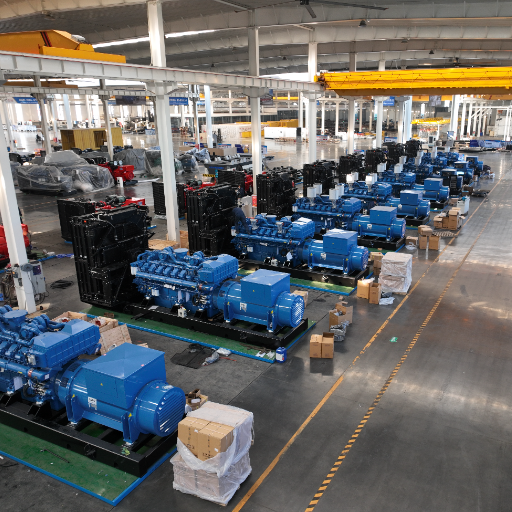
Wet stacking is a condition where unburned diesel fuel, carbon particles, and moisture accumulate in a generator’s exhaust system. It happens when the engine runs too cool to burn fuel completely, usually from extended light-load operation. The name comes from the oily residue that makes the exhaust stack look wet.
Technicians also call it exhaust slobber. A diesel engine needs exhaust gas temperatures of roughly 540°F (280°C) or higher for complete combustion. Light loads keep temperatures below that point. Fuel then passes through the cylinders partially burned and condenses in the manifold, piping, and turbocharger.
How Wet Stacking Develops: The Four Stages
Wet stacking is not a single event. It is a progression, and each stage demands a different response:
- Stage 1 – Soot accumulation (first few months): Light-load running leaves carbon residue in the exhaust manifold and stack. No symptoms yet. A single loaded run burns it off completely.
- Stage 2 – Exhaust slobber: Unburned fuel and oil mist start mixing with the soot. Black liquid appears at exhaust joints and drips from the stack. Still fully reversible with a proper burn-off.
- Stage 3 – Cylinder glazing: Carbon hardens into a smooth, glass-like coating on the cylinder walls. Oil control rings can no longer scrape the surface, oil consumption rises, and blow-by increases. Burn-off may help, but mechanical inspection is now necessary.
- Stage 4 – Permanent damage: Fouled injectors, worn rings, and diluted oil have caused measurable wear. Compression drops, power output falls, and only an overhaul restores the engine.
The earlier you act, the cheaper the fix. Stage 1 costs nothing beyond a loaded exercise run. Stage 4 costs a five-figure overhaul.
What Causes Wet Stacking?
Light-Load and No-Load Operation
This is the primary cause. A generator that runs below 30% of its nameplate rating for long periods can’t reach operating temperature. Weekly start tests without load are the most common offender, followed by monthly tests that run the engine but carry almost no building load.
Oversized Generator Sets
Oversizing is the root cause hiding behind many wet stacking cases. Engineers often add safety margin, then the building never uses it. A unit sized 40% or more above real demand may never see 30% load in normal operation, no matter how carefully you test it.
A smaller generator running at 75% load is healthier than a large one idling at 10%. If your typical load is far below rating, consider load banking, reconfiguring to a smaller unit, or hybrid peak shaving with batteries.
Contributing Factors
Several secondary factors make wet stacking worse:
- Poor fuel quality or low cetane rating, which burns incompletely
- Cold ambient temperatures without block heaters or pre-heat
- Clogged air filters that distort the air-fuel ratio
- Worn injectors that spray poorly atomized fuel
- Long storage periods without any exercise at all
Wet Stacking Symptoms: How to Diagnose It
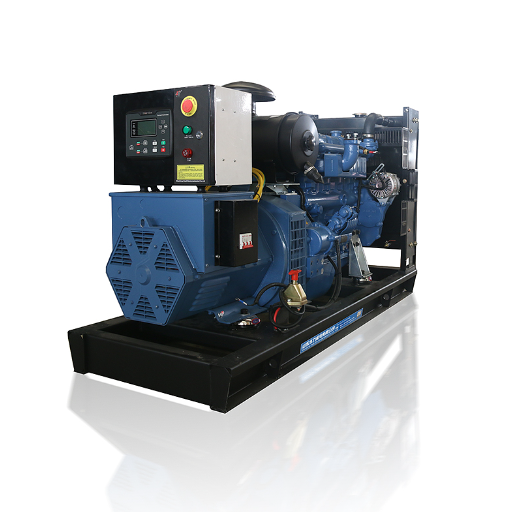
The classic signs appear at the exhaust system first. Look for thick black sludge at manifold joints and pipe connections, soot around the stack outlet, and black smoke that lasts more than a few seconds under load. Power loss and rising fuel consumption follow as deposits build.
Operators often misidentify the black ooze. This table separates the three most common look-alikes:
| What You Observe | Wet Stacking | Oil Leak | Fuel Leak |
|---|---|---|---|
| Location | Exhaust joints, stack outlet | Engine block, gaskets, seals | Fuel lines, tank, filters |
| Fluid appearance | Black, sooty, oily sludge | Amber to dark brown oil | Clear to amber diesel |
| Smell | Burnt fuel and soot | Used engine oil | Sharp raw diesel odor |
| Smoke under load | Black | Blue | White or none |
| Likely root cause | Light-load operation | Seal or gasket failure | Loose fittings, damaged lines |
If you spot exhaust sludge, check your diesel generator troubleshooting guide for related symptoms before assuming the worst.
The Silent Version: Tier 4 and DPF Engines
Modern emissions-equipped engines change the rules. Units with diesel oxidation catalysts and diesel particulate filters trap the soot that older engines blow out as black smoke. You get no visible warning at all. The aftertreatment plugs up instead, back pressure climbs, and the engine can shut down or face a five-figure repair.
According to Generac’s wet stacking white paper, aftertreatment-equipped sets need the same load discipline as older engines, with even less tolerance for neglect. If your fleet includes Tier 4 units, treat exhaust temperature monitoring as your early warning system.
Why Wet Stacking Damages Your Engine
Deposits don’t stay in the exhaust. Carbon works back into the combustion chamber, glazes cylinder walls, and fouls injector tips. Unburned fuel washes past piston rings and dilutes the lubricating oil. Turbochargers coke up, back pressure rises, and fuel consumption climbs 10-20% as efficiency falls.
A colocation facility in Frankfurt shows the cost. The site specified a 2,000 kVA genset for a 1,200 kVA actual load, a 40% oversize. Within 18 months, wet stacking and cylinder glazing forced an overhaul that cost $28,000. Right-sizing at the design stage would have prevented the entire bill.
The damage pathways break down into four distinct mechanisms:
- Injector fouling: Carbon deposits build on injector tips, distorting the spray pattern. Poorly atomized fuel burns even less completely, accelerating the cycle.
- Cylinder glazing: Sustained low-temperature operation leaves unburned fuel film on cylinder walls. It polymerizes into a hard glaze that prevents piston rings from seating properly, raising oil consumption.
- Oil dilution: Unburned diesel washes past the rings into the crankcase. Fuel-thinned oil loses viscosity and film strength, which accelerates wear on bearings and liners. Fuel dilution above 5% in an oil sample is a red flag.
- Turbocharger and exhaust damage: Soot and fuel residue coat the turbo’s turbine wheel and variable-geometry vanes, slowing spool-up and raising back pressure. In extreme cases the accumulated fuel in the exhaust can ignite, cracking manifolds.
The good news: early-stage wet stacking is reversible. The treatment is heat, applied correctly.
How to Fix Wet Stacking: Load Bank Burn-Off
Standard Burn-Off
For mild to moderate cases, run the generator at 75-100% of rated load for 2-4 hours. High exhaust temperatures vaporize and burn off the accumulated deposits. Most facilities need a load bank for this, because building load alone rarely reaches 75%. Our article on load bank testing for diesel generators covers the full procedure and safety interlocks.
Progressive Burn-Off for Severe Cases
A unit with a long history of light-load running needs a gentler approach. The step-up procedure below follows manufacturer guidance from Multiquip’s wet stacking prevention manual:
- Start below 25% of nameplate rating and let the engine warm up fully.
- Increase load in steps, holding each step for about 20 minutes.
- At 80% of nameplate, run for at least 45 minutes or until the exhaust runs clean.
- Cool down, restart, and load at 80% again for another 30 minutes.
- Schedule a full engine service afterward, including oil and filter change.
Safety warning: on a neglected unit, accumulated soot and unburned fuel can ignite at high exhaust temperatures. This creates a real fire hazard. Have a qualified technician supervise the burn-off, keep fire suppression nearby, and never jump straight to full load on a suspect engine.
Choosing a Load Bank
If you do not already own a load bank, you have three options:
- Resistive load banks apply a kW load only. They are the standard tool for wet stacking burn-off and monthly loaded exercise, because wet stacking is a function of engine (kW) load, not kVAR.
- Reactive load banks add kVAR to simulate motor-heavy building loads. They matter for full system commissioning and UPS coordination testing, not for wet stacking treatment.
- Portable vs. permanent: Rental portable units suit most facilities testing once or twice a year. Sites with multiple generators or chronic light loading should consider a permanently installed automatic load bank that engages whenever building load drops below the threshold.
Rental costs are modest compared with the alternative. A typical 500 kW portable unit rents for a few hundred dollars per day, and one annual two-hour session keeps a standby engine healthy.
When Burn-Off Is Not Enough
Load bank treatment fixes deposits, not mechanical damage. If the engine still smokes, loses compression, or shows metal in the oil after a proper burn-off, the glazing or injector damage is permanent. At that point, the options are injector service, a top-end overhaul, or in severe cases a rebuild.
Generator Wet Stacking Prevention Schedule
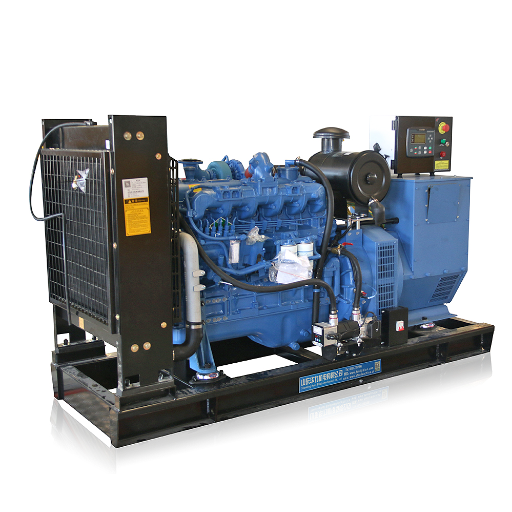
Prevention costs a fraction of treatment. Build these four habits into your maintenance program:
- Monthly loaded exercise: Run 30 continuous minutes at 30% or more of nameplate kW, per NFPA 110. Record load, temperatures, and pressures every time.
- Annual load bank test: If building load cannot reach 30%, test with a load bank once a year at 75% load for two hours or more.
- Weekly visual inspection: Check exhaust joints for sludge, verify the mode selector sits in AUTO, and note any smoke on start.
- Right-size at purchase: Target a typical running load of 60-75% of rating. Reject the temptation to oversize “just in case.”
| Interval | Action | Target |
|---|---|---|
| Weekly | Visual inspection | No sludge at exhaust joints, AUTO mode confirmed |
| Monthly | Loaded exercise | 30 minutes at 30% or more of nameplate kW |
| Annually | Load bank test | 75% load for 2-4 hours when building load is light |
| At specification | Sizing review | Typical load at 60-75% of generator rating |
Tie these steps into your broader diesel generator maintenance schedule so nothing falls through the cracks. A structured diesel generator maintenance checklist helps technicians catch early signs during routine rounds. Facilities subject to compliance audits should align the monthly exercise with our NFPA 110 generator maintenance requirements.
How to Monitor for Wet Stacking Before Symptoms Appear
Waiting for black sludge means the problem is already at Stage 2. Three monitoring practices catch it earlier:
- Exhaust gas temperature (EGT): Install a pyrometer or use the engine’s ECU data if available. If EGT stays below roughly 540°F (280°C) during exercise runs, combustion is incomplete. Trend the data monthly; a falling temperature baseline tells you load is too light before deposits form.
- Load percentage logging: Modern controllers record kW output during every run. Review the logs quarterly. A pattern of runs below 30% load is a wet stacking sentence, even if the exhaust still looks clean.
- Oil analysis: Send a sample to a lab at each oil change. Ask specifically for fuel dilution and soot content. Fuel dilution above 5% or rising soot load confirms incomplete combustion long before you see slobber at the stack.
For Tier 4 fleets, add DPF back-pressure readings to this list. A climbing back-pressure trend with normal fuel consumption means the aftertreatment is absorbing the soot your eyes never see.
The Cost of Prevention vs. the Cost of Repair
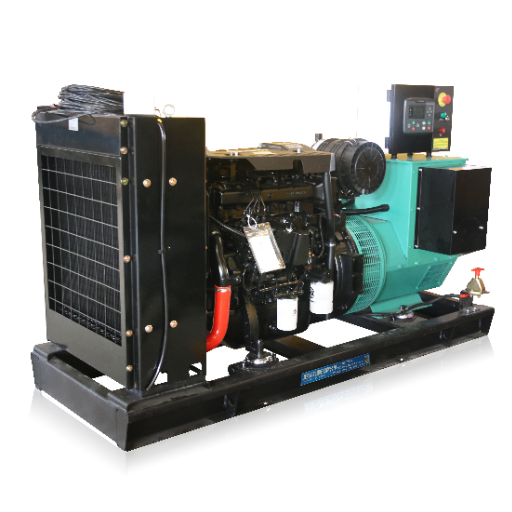
The economics are not subtle:
| Approach | Typical Cost | Frequency |
|---|---|---|
| Monthly loaded exercise (building load) | Fuel only, roughly $50-150 per run | Monthly |
| Annual load bank rental and test | $500-1,500 including technician time | Once a year |
| Supervised burn-off after neglect | $1,000-3,000 plus a full engine service | One time, if caught early |
| Injector service and top-end work | $5,000-15,000 | When burn-off fails |
| Full engine overhaul | $15,000-40,000 depending on size | When glazing and wear are permanent |
A decade of disciplined testing costs less than a single overhaul. The table does not even count the real risk: a standby generator that fails to carry load during an actual outage.
Wet Stacking Prevention in Harsh Environments
Climate changes the risk profile. In cold regions, engines struggle to reach operating temperature even at moderate loads. Block heaters and proper warm-up periods are mandatory, not optional. In hot, humid climates, moisture accumulates faster in idle exhaust systems, and contaminated local fuel makes incomplete combustion worse.
Altitude matters too. Engines lose roughly 3-4% of their power per 1,000 feet above sea level. A generator that seems correctly sized at a high-altitude mine may actually run at a lower effective load percentage than the nameplate suggests.
Chinese engine brands such as Weichai, Yuchai, and Shangchai follow the same combustion physics as any other diesel. Their service manuals define minimum load and exercise intervals that align with the 30% rule when the correct oil grade and genuine filters are used. Always run the manufacturer’s schedule alongside your NFPA or site testing plan.
A mining camp in Peru put this into practice. Their standby units ran light monthly tests for two years until an annual load bank test exposed wet stacking. A supervised burn-off plus a switch to loaded monthly runs cleared the deposits. The site avoided an engine rebuild quoted at $15,000.
Frequently Asked Questions
How long does it take to burn off wet stacking?
For most cases, run the generator at 75-100% of rated load for 2-4 hours. Severe cases need a gradual step-up over several hours, plus a follow-up engine service.
Can wet stacking be reversed?
Yes, if caught early. Deposits burn off under sustained high load. Chronic cases with cylinder glazing or injector damage require mechanical repair.
Is wet stacking dangerous?
The condition itself damages the engine gradually. The acute danger comes during treatment: built-up soot and fuel can ignite at high exhaust temperatures, so burn-off on a neglected unit needs professional supervision.
At what load does wet stacking occur?
Risk rises sharply when a diesel generator runs below 30% of its rated load for extended periods. Sustained operation at 60-75% of rating keeps combustion temperatures where they belong.
Does wet stacking affect natural gas generators?
Not in the same way. Natural gas and gasoline engines ignite fuel with a spark, so they have no unburned-fuel slobber problem. However, light-load running still causes carbon buildup and cylinder glazing in gas engines, so the load discipline principle applies across all fuel types.
Can I burn off wet stacking using building load instead of a load bank?
Only if your building can supply 75% or more of the generator’s rating. Most standby installations cannot. Running a burn-off at 30% building load does nothing; the exhaust never gets hot enough to vaporize deposits. A load bank is the reliable way to reach the required temperature on demand.
How do I know if my generator is oversized?
Log the kW reading during every exercise run and outage for three months. If peak demand never exceeds 40% of nameplate, the unit is oversized for its duty. Options include adding a permanent load bank, downsizing the unit, or paralleling smaller sets that you stage as load grows.
Will short exercise runs prevent wet stacking?
No. A 10-minute unloaded run is part of the problem, not the solution. The engine needs enough time under load to reach full operating temperature, which typically means 30 continuous minutes at 30% load or more. Short runs also leave condensation in the oil and exhaust, compounding the damage.
Conclusion
Generator wet stacking prevention isn’t complicated, but it demands discipline. Run the unit at 30% load or more every time it operates. Test monthly under load, burn off deposits annually with a load bank, and size new generators for the load you actually have. Watch Tier 4 fleets with temperature data, since smoke will never warn you.
At Shandong Huali Electromechanical Co., Ltd., we manufacture Huali diesel generator sets from 8kVA to 4000kVA for standby, prime, and continuous duty. Our engineers help customers size units correctly from day one, and our warranty and after-sales support program covers commissioning guidance, maintenance training, and spare parts planning.
If you suspect wet stacking in your fleet or want a sizing review before your next purchase, contact our team today. For the complete maintenance framework, see our complete diesel generator maintenance guide.
