
When a facility depends on backup or off-grid power, one question matters above the rest: how many hours can an industrial generator run continuously? The short answer is 8 to 500+ hours, depending on the unit’s duty rating, fuel supply, load, and maintenance schedule. Some industrial diesel generators can run for days or even weeks without stopping, but only when they are properly sized, fueled, and maintained.
In this guide, we explain what controls industrial generator runtime, how duty ratings change the answer, and what maintenance limits you should expect. Whether you manage a data center, hospital, construction site, or manufacturing plant, this article will help you plan continuous operation safely and reliably.
What Determines How Many Hours an Industrial Generator Can Run Continuously?
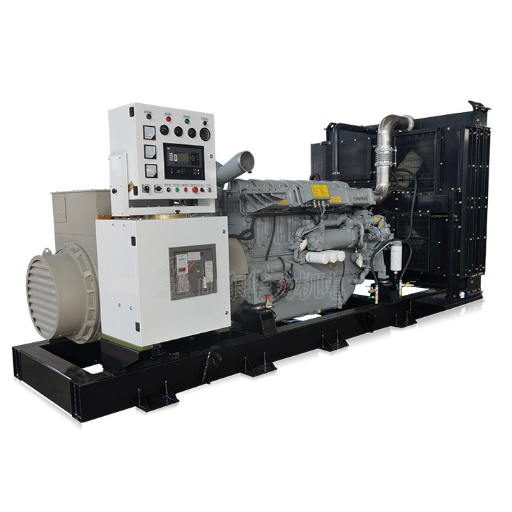
Several factors decide how long an industrial generator can run continuously. Understanding these generator run time factors helps you choose the right unit and avoid unexpected shutdowns.
Fuel Tank Capacity and Fuel Supply
The simplest limit is fuel. A generator stops when the tank runs dry. A small portable unit may carry enough fuel for 8 to 12 hours. A large industrial generator with a bulk tank can run for days. Facilities that need extended runtime often install:
- Bulk storage tanks with thousands of gallons of diesel
- Automatic transfer pumps that refill the day tank from main storage
- Fuel polishing systems that remove water and contaminants during operation
With an automatic refueling system, diesel runtime becomes a maintenance issue rather than a fuel issue.
Load Percentage
A generator running at 30-50% of its rated load consumes less fuel per hour and runs cooler than one at 90-100%. Heavy loads increase fuel burn, heat, and wear. For longest life during continuous operation, most manufacturers recommend running a diesel generator at 50-75% of its rated capacity.
Duty Rating
This is the most important factor. Manufacturers classify generators as standby, prime power, or continuous duty. Each rating is built for a different operating pattern and has a different realistic runtime limit.
Cooling and Ventilation
Industrial generators produce large amounts of heat. Without adequate airflow, the engine or alternator can overheat. Continuous-duty units have larger radiators, bigger fans, and more robust cooling systems than standby units.
Ambient Conditions
High altitude, extreme heat, and dusty environments reduce efficiency and can shorten runtime. At altitude, thinner air reduces combustion efficiency, so the unit may need to be derated.
Industrial Generator Duty Ratings: How Many Hours Can an Industrial Generator Run Continuously?
The answer to “how many hours can an industrial generator run continuously” depends heavily on duty rating. Here is a clear comparison.
| Duty Rating | Typical Use | Annual Hours | Continuous Runtime |
|---|---|---|---|
| Standby | Emergency backup during outages | Up to 500 hours/year | 8-24 hours per event |
| Prime Power | Off-grid or unreliable grid, variable load | Unlimited | 24-500 hours with refueling |
| Continuous Duty | Base-load power, 24/7 operation | Unlimited | 500+ hours with proper maintenance |
Standby Generators
Standby generators are designed for emergency use. They start automatically when grid power fails and run until utility power returns. Most standby units are rated for fewer than 500 total operating hours per year. They can run continuously for 8 to 24 hours on a single tank, or longer if connected to a larger fuel supply.
Prime Power Generators
Prime power generators are built for locations without reliable grid power. They handle variable loads for unlimited annual hours. A well-maintained prime power diesel generator can run for several hundred hours continuously, provided fuel and maintenance are managed.
Continuous-Duty Generators
Continuous-duty generators are engineered to run at a steady load 24 hours a day, 7 days a week. These units have heavier-duty engines, larger cooling systems, and stronger alternators. With bulk fuel and scheduled maintenance, continuous-duty diesel generators can operate 500 hours or more between major service stops.
Runtime by Generator Size and Fuel Type
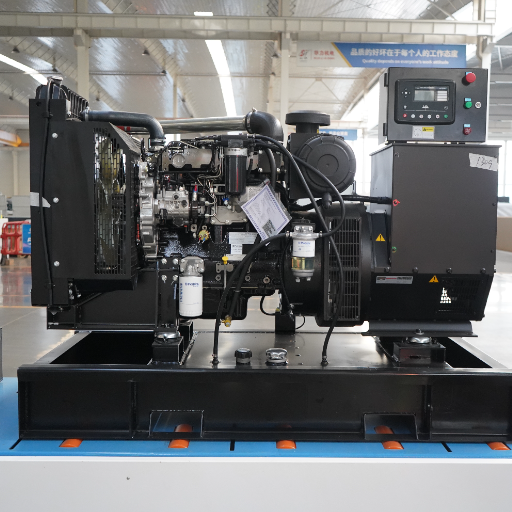
Portable vs. Industrial Diesel Generators
| Generator Type | Power Range | Typical Continuous Runtime |
|---|---|---|
| Portable diesel | 3-10 kW | 8-12 hours |
| Small standby | 20-100 kW | 24-48 hours |
| Commercial standby | 100-300 kW | 24-72 hours |
| Industrial prime/continuous | 300 kW – 2+ MW | 500+ hours with fuel and maintenance |
Continuous Generator Operation by Application
Continuous generator operation looks different across industries. A data center may run a continuous-duty unit at 80% load for months, while a construction site may run a prime power unit at variable load during active work periods.
- Data centers and hospitals need standby plus continuous-duty backup with automatic transfer switches.
- Mining and remote construction sites rely on prime power diesels with mobile fuel delivery.
- Manufacturing plants often use standby units for short outages and continuous-duty units for process-critical loads.
Matching the duty rating to the application is the first step in extending industrial generator runtime safely.
Diesel Generator Continuous Run Time vs. Natural Gas Runtime
Diesel and natural gas generators behave differently during long runs. Understanding the diesel generator continuous run time helps you plan fuel logistics and select the right fuel source.
Diesel Runtime
Diesel generators require on-site fuel storage. Runtime is limited by tank size and refueling logistics. Modern industrial diesels are efficient, often using around 0.4 liters of fuel per kWh at optimal load. A typical arrangement includes a day tank that feeds the engine and a bulk tank that supplies the day tank through an automatic transfer pump.
For facilities that cannot tolerate interruptions, dual fuel tanks and contracted fuel delivery keep the diesel generator continuous run time measured in days or weeks rather than hours.
Natural Gas Runtime
Connected to a utility gas line, a natural gas generator can run indefinitely as long as the gas supply is stable. This makes it attractive for facilities with reliable pipeline access. However, natural gas units depend entirely on pipeline integrity; a gas outage will stop the generator even if the engine is healthy.
Sizing a Generator for Extended Runtime
Getting the right industrial generator runtime starts with correct sizing. An undersized generator runs at high load, burns more fuel, and wears faster. An oversized generator runs at light load, which can cause wet stacking in diesel engines and reduced efficiency.
Basic Sizing Steps
- List all critical loads. Include motors, lighting, HVAC, and control systems.
- Add starting surge. Motors can draw 5-7 times their running current when they start.
- Choose a duty rating. Match standby, prime, or continuous duty to the expected operating pattern.
- Plan fuel storage. Calculate tank size based on expected runtime and fuel consumption.
- Include maintenance access. Leave space for oil changes, filter replacement, and inspections.
A properly sized unit improves both reliability and diesel generator continuous run time.
How to Extend Industrial Generator Runtime
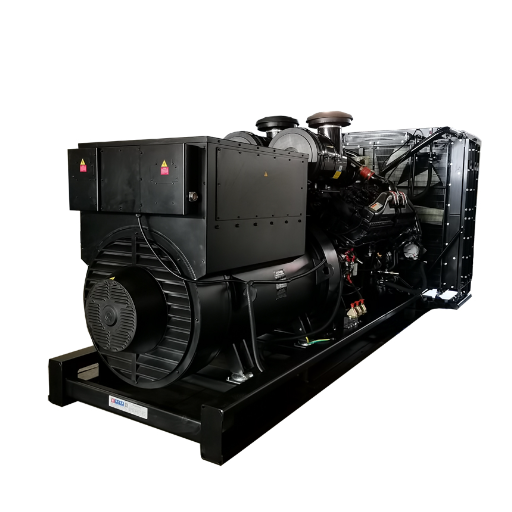
Beyond correct sizing and fuel supply, a few operational practices help extend how long an industrial generator can run continuously.
Keep Fuel Clean
Water, algae, and sediment in diesel fuel can clog filters and damage injectors. Use fuel polishing, water separators, and biocide treatments in stored fuel.
Monitor Exhaust Temperature
High exhaust temperature signals overload or poor combustion. Install exhaust temperature gauges and set alarms for abnormal readings.
Maintain Coolant Quality
Coolant degrades over time and can cause corrosion or overheating. Test coolant condition regularly and replace it according to the manufacturer schedule.
Plan Shutdowns Around Maintenance
Schedule planned shutdowns for oil and filter changes before the unit reaches its maintenance limit. This prevents unplanned stops during critical operation.
Following these practices helps you reach the upper end of the 8-to-500+ hour runtime range.
Industrial Generator Maintenance During Long Runs
Fuel is not the only limit. Maintenance intervals also determine how long an industrial generator can run continuously. Most manufacturers recommend checking or changing oil and filters every 200 to 250 operating hours, though this varies by engine and operating conditions.
Typical Maintenance Intervals
| Component or Task | Interval |
|---|---|
| Engine oil and filter change | 200-250 hours |
| Air filter inspection/cleaning | 100-250 hours, more often in dusty conditions |
| Coolant level and condition check | Daily or every 8 hours during continuous use |
| Fuel filter inspection | 250-500 hours |
| Battery and electrical connections | Weekly |
| Belt and hose inspection | 250 hours |
Skipping these intervals during long runs increases the risk of overheating, poor combustion, and sudden failure. For critical facilities, a maintenance shutdown schedule should be planned before continuous operation begins.
Load Bank Testing
Load bank testing applies a controlled electrical load to the generator. It helps remove carbon buildup and confirms the unit can handle its rated capacity. Many facilities perform load bank testing quarterly or after extended light-load operation.
Safety Tips for Extended Operation
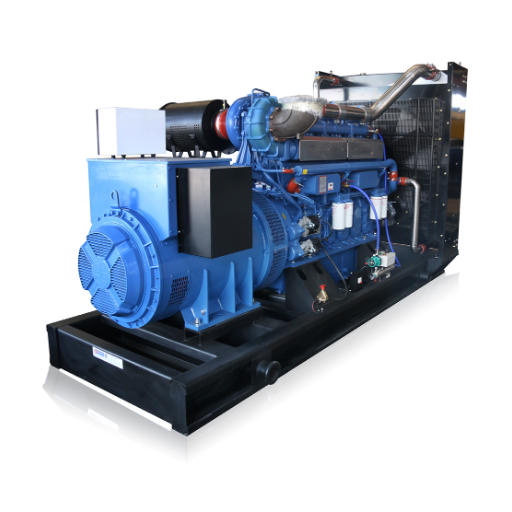
Running an industrial generator for many hours introduces real safety risks. Follow these guidelines.
Ventilation and Carbon Monoxide
Place the generator outdoors or in a well-ventilated engine room with exhaust extraction. Keep exhaust outlets at least 20 feet away from windows, doors, and air intakes. Install carbon monoxide detectors in nearby buildings.
Fire Prevention
- Store diesel fuel in approved tanks away from ignition sources
- Allow the engine to cool before refueling
- Keep fire extinguishers rated for Class B fires nearby
Electrical Safety
- Use a properly installed transfer switch to isolate the generator from the utility grid
- Ensure the unit is correctly grounded
- Inspect cables and connections before long runs
Monitoring
Use remote monitoring systems to track oil pressure, coolant temperature, fuel level, voltage, and run hours. Early warnings let you schedule maintenance before a failure occurs.
Frequently Asked Questions
How many hours can an industrial generator run continuously?
Most industrial generators can run continuously for 8 to 500+ hours. Standby units typically run 8-24 hours per event, prime power units can run for several hundred hours, and continuous-duty units can exceed 500 hours with fuel and maintenance.
What limits how long a generator can run?
Fuel supply, duty rating, load percentage, cooling capacity, and maintenance intervals are the main limits. Even with unlimited fuel, oil and filter changes are usually needed every 200-250 hours.
Can a diesel generator run 24/7?
Yes, if it is rated for continuous duty, has adequate fuel, and receives scheduled maintenance. Standby generators are not designed for 24/7 operation and may fail prematurely if used this way.
How long can a portable generator run continuously?
Portable generators are usually limited to 8-12 hours on a single tank. They are not designed for long continuous operation and need cool-down periods.
Does natural gas run longer than diesel?
A natural gas generator connected to a utility pipeline can run indefinitely as long as the gas supply is stable. Diesel runtime depends on on-site fuel storage and refueling logistics.
How often should oil be changed during continuous operation?
Most manufacturers recommend changing engine oil and filters every 200-250 operating hours. Check the owner’s manual for the exact interval for your model.
Conclusion
So, how many hours can an industrial generator run continuously? The realistic range is 8 to 500+ hours, with the exact answer depending on duty rating, fuel capacity, load, and maintenance. Standby units handle short outages, prime power units support off-grid sites for long periods, and continuous-duty units are built for true 24/7 operation.
The key to long runtime is matching the generator to the application, ensuring adequate fuel supply, and following a strict industrial generator maintenance schedule. With the right setup, an industrial generator can provide reliable power for days or weeks without stopping.
Need an industrial generator rated for continuous duty? Contact our team to discuss your power requirements and get a unit sized for your application.
