
There are many uses of generators, as they are essential in most applications that either require the running of machines or the supply of power when there is a blackout such that that has been integrated into the system. However, their performance is dependent on environmental factors, the most significant being the altitude and temperature. The template of use and the available resources on the other hand often, go hand in hand with the endurance of the generator: fuel consumption, generated power, and how long the machine will last. In this article, I will analyze how generator performance is impacted by both altitude and temperature. In essence, the article will also discuss why these two environmental dynamics are challenging with respect to generator performance, and finally show ways through which generator performance can be improved in a given geography. Facility managers and engineers have to appreciate these dynamics in order to ensure that there is no interruption in the electricity supply which has adverse financial implications.
Understanding Generators
What is a Generator?
The term power generator refers to a mechanism that incorporates mechanical energy to provide electrical current, its functioning is based on the principles of electromagnetic field induction, in other words, there is a certain conductor present within a particular electromagnetic field. When they move to any direction, they induce an electric current within the conductor and this phenomenon is known as electromagnetic induction. Generators play a significant role in today’s power systems as they balance the requirement of power in case of any blackouts or remote areas.
The basic principle of a generator is thus: These are the rotor and the stator in operation. The rotor, which can rotate and also demagnetize the coil, generates a magnetic field that is cut across by the coils of the stator. It is a way of getting the electric current and bring it into the equipment, systems or even the complete buildings. According to its design and its needs, the generator may produce either alternating current (AC) or direct current (DC).
Generators are extensively employed both in domestic and industrial applications serving critical needs when electricity is interrupted. Be it at a hospital that needs power of a life-support machine or at a construction site doing heavy-duty work- one cannot do without a generator to supply power as and when needed. It is because of these factors that generators have become a necessity due to its versatile and durable nature.
How Generators Produce Power
A power generator converts mechanical energy into electrical energy, but this process incorporates dynamic principles that were stated in Faraday’s law: motion of a conductor within a magnetic field induces an electric current. This principle, however, forms the basis of how generators, which are essentially power generators, work. Within its housing the key building blocks that make up a generator include the engine providing the mechanical energy, the alternator that contains the conductive coils and the magnetic field, and voltage regulator making sure there is an even ur output.
The engines serve various purposes, but power generator applications are frequent, and the engine is the primary source of energy, and such engines are usually operated on gasoline, diesel, compressed gas, or renewables. All the mechanical energy is focused on the alternator in which the rotor, the moving part, and spins in the magnetic field generated by the stator, the fixed part. This spinning movement generates the electricity in the conductor coil that is inside the alternator resulting in AC current. In some cases or with certain designs and usages, the power supply is produced by a generator with a rectifier by itself.
Whereas underperformed, does any machine made on the grates yet, with found in the present power systems, the voltage regulator makes sure that the given electrical voltage is adjusted for the systems operation. Likewise, in-built vents have been improvised, coolant systems and controlling chips are packaged for operational suitability and safety of the end-user. All these aspects have been taken into account while designing generators which are aimed at providing reliable and continuous power for various purposes, ac power to households during power cuts and running industrial machinery that requires a lot of power.
The Role of Altitude and Temperature
The efficiency of power generators is greatly influenced by the altitude and temperature, among other factors. The density of air, for example, and the cooling mechanisms are used in optimally running a generator. When generators are intended to run, or are run in certain areas, there are such points they need to be considered otherwise it will cause decreased performance or productivity and output could be in questions. Summarised here are five effects:
- The Efficiency of Combustion and Air Density: At levels higher than sea level, the densities of air are very low and this in essence reduces the levels of air available for the combustion process with the combustion engines. This leads to poor performance and efficiency on the engine. For instance, the majority of generators that are standard tend to lose almost 3% of the power every 1000 feet from the oceanic altitude.
- Inefficiency of Cooling at High Temperatures: Increased temperatures affect the proficiency of cooling arrangements like radiators and fans encased in an engine since the difference in temperatures inside and outside the engine reduces. If the system has not been tuned appropriately, then the engine would overheat which would not be optimal.
- Application of Derating: Replacement consumption The manufacturers always give some indication of applying derating rules with respects to the situation at hand, such as high altitude and temperature. For example, a generator code can allow a 10% derate when the machine is being used above 3,000 feet above sea level or in areas where temperature is beyond 95 degree fahrenheit that is 35 degrees celsius.
- Performance Variance in Lubrication: Genera Dieo on Change in Temp. Temperature determines the level of thickness of the lubricants applied into the generator. When temperatures are too low or too high, the wrong thickness could cause inefficient lubrication, more wear on the components, or wastage of energy through friction.
- Effects of Voltage Control and Fuel Usages: Those are components of the power generator which under operating conditions clearly present different efficiencY. Generators working under such circumstances require the adjustment of voltage regulators and the conversion of power produced by fuel geometries in order to avoid breaking down.
Realizing the simple physics of how temperature controls and limits the operation of generators in a given environment helps one appreciate how such generators provide service in different geographical regions. Generators lifetime and operational performance are prolonged if such corrections occur accompanied by accompanying designs.
Types of Generators and Their Performance
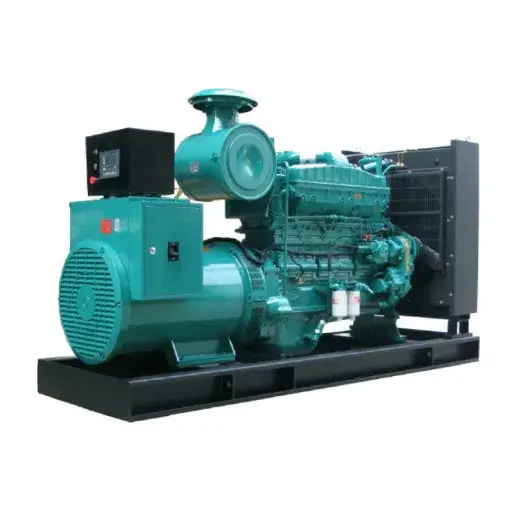
Portable Generators
The compact and small portable power generator is a small ISO liner similar in dimensions to a double-bedded chest. This is a temporary power source that sometimes used or allowed to be used at home, work, or outdoors. It is most often a petrol, diesel or propane run system, thus giving various mild dose of fuel for users. They convert fuel into electricity through a combination of the internal combustion engine and a generator, and are used in situations where there is no power or there is a power outage time, they are used to run tools at the construction site, they can also be used for entertainment to some extent.
Pertaining to usability, users evaluate portable generators by their wattage output which is usually in the range of 1,000 to 10,000 and more watts. This number depicts the ability of the generator to power various appliances at the same time. Nevertheless, one has to consider that appliances such as refrigerators or air conditioning units will require – as to when they start – more than already capable of running.
Power generator efficiency, as well as its runtime, are key indicators of its performance. For example, a 4-gallon tank generator will likely run for 8 to 12 hours at 50% or 3% load, dependent on the make or the fuel being used. Further, almost all of the modern portable generators have inverter mechanisms – which guarantee provision of cleaner and more stable electric power output. This is critical in the case of delicate equipment like laptops and medical devices.
To maximize productivity and enhance durability, maintenance is critical. This entails oil changes, changing air filters and the spark plugs, or cleaning them, appropriately. Storing well and running after a while when not in use keeping all its components from wearing out internally. Load limits and other safety features such as using the generator outdoors to minimize carbon monoxide accumulations should be observed by users as per the manufacturer’s instructions.
Inverter Generators
An inverter power generator is an advanced technological step in generators that enhances efficiency, minimize noise levels, and correct abnormal power quality issues seen in traditional generators. Advanced inverters are used and they convert AC power into DC power then back into AC power meaning that there is no fluctuation in the power supply. The appliances using this power that it gives out when the inverters through stabilizes have a pure sine wave as well turns no broke on the inside like phones or laptops or anything close even medical devices provided. No bumps in the power provided, and as a result, none of the equipment that uses this power gets spoilt and this is a plus for inverter generators where they are being used either for domestic, leisure and professional purposes.
Another notable feature that has come to be appreciated is effectiveness in usage. Traditional power generator maintains the speed of operation, which is not the case in the inverter type. They are designed with a load-sensitive mechanism that controls the speed of the engine only when power is needed. As a result, there is lower fuel intake and consequently eco-friendly since emissions are lower, making them a green generator. Moreover, this is further enhanced by the fact that the majority of inverter power generators are sophisticated and compact in design, which brings out the concept of portability and easy storage.
If you think about it, start with a partner that owns not just one, or two but three power generator units. Now good luck for the arms arms will hurt, backs will break, heart rates will increase by close to one hundred bpm and there is hardly any chance of surviving endless cries from the neighbors. However, that another image for another day. Noise reduction is another aspect of inverter generators that cannot be overlooked. Almost all available products offer sound-reducing insulation in the form of soft cases, which also helps in lowering the levels produced by the device to approximately 50-60 dB using the said technology; this is equal to voice levels while conversing. Some people might say it is especially convenient when such equipment is needed where noise is preferred at the lowest level possible, e.g. in camping grounds, around people’s residences, during outdoor events, etc. Added to the expansion of sources of renewable energy and the faultless condition of the electricity delivered, diesel engines are gaining popularity as the best option for energy provision purposes.
Home Generators
Home generators fall into three broad categories: standby generators, portable generators, and inverter generators. Each of these has its specific purpose and usage according to the demand and circumstances.
- Standby Generators: These are installed outside the house and remain in place and serve their purpose only when there is loss of electrical power. Standby generators have automatic transfer switches connected to them, which means that as soon as power is interrupted the standby generators will operate. For the most part, they are fueled by natural gas or propane and are rated very full power generator usage within the premises enables running of the HVAC units, domestic machines, and essential gadgets.
- Portable Generators: These sorts of power generator products as portable gensets are flexible and cost-effective for the consumer. They’re operated by gasoline or diesel and are not complicated to use since one can just move it around accordingly to the power needs. Considered useful for limited time inconveniences which include power failures or power supply outside the main areas. On the downside, these require assembling each time they are needed, and there is also a restriction in their power level unlike the standby generators, which do not fall into that category.
- Inverter Generators: Inverted generators on the other hand, are more modern and efficient. They are based on higher electronics which helps deliver more cleaner and consistent power that doesn’t harm or damage any of the sensitive devices like laptops, medical equipment etc. They are efficient in providing till backup as their efficiency levels are even higher than most and can be used for camping, RV or small house back up.
It is imperative to choose a power generator with an output capacity that can comfortably sustain a household’s estimated energy load without any problems; the availability of the fuel, runtime, and the sound levels should also be considered, along with knowing the energy requirements of the house. Careful planning and load calculations can go a long way to enhancing the reliability and efficiency of the power generator being used.
Factors Affecting Generator Performance
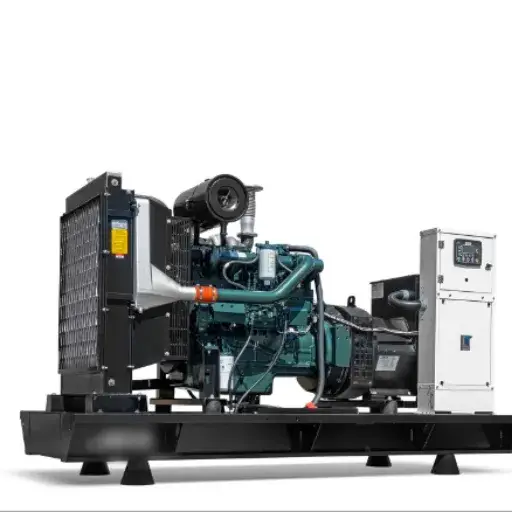
Altitude and Power Output
One of the vital concerns in the performance of generators, especially those which run on power engines, is altitude or changes in elevations. Most generators are powered by internal combustion engines that would have to be fuelled in a specific fuel-air penchant for best results. In light of elevation and reduction in air density, the stoichiometry makes way for lean and in consequence worsen the performance of the engine and its power output. On average, they assume that an engine which works by means of cooling down with the air over 1,000 feet or 300 meters over sea level can lose about three percent of its strength. It is imperative to take this into consideration when mountain driving or using the power generator in places with such altitudinal differences.
Many modifications to the engines must be performed to compensate for altitude, which also includes tuning of the carburetor for such purposes as richening of the air-fuel ration or replacement with dedicated high-altitude kits offered by manufacturers. However, these changes need to be made by more experienced users and with care, in order to avoid the functioning and emissions compliance of the engine being negatively affected. Also, it must be remembered that excessive compensation in altitude may cause some disturbances that will reduce the efficiencies of the power generator when lowered back without taking corrective measures.
Furthermore, it is important to keep in mind that the operation of a generator at higher altitudes would also necessitate derating of the unit, or thinking of a lower total output capability. A generator with a capacity higher than the normal range of power demands can remedy power shortages in case of elevation issues for operations which are uncomfortable having power interruptions. Incorporating this derating consideration during the initial purchase of a unit and maintenance phases further helps users to achieve dependability and meet energy requirements accordingly in all the environments that they may find themselves in.
Temperature and Efficiency
If we understand the relationship between temperature and the performance of power generator systems, we can say that generators with internal combustion engines are less efficient in high-temperature environments. A high surrounding temperature reduces a generator’s efficiency because it lowers the density of the air, affects the efficiency of the combustion process as well as the efficiency of heat transporting systems. For example, as the temperature goes up, air thins thereby causing the amount of oxygen to be consumed by the vehicle during combustion to decrease. In turn, this leads to less power generation and increases the rate of fuel burnt per unit time.
In practical terms, therefore, the manufacturers who make this equipment also provide specific ‘derating’ curves which show how generator performance is affected by temperature. As an illustration, one may get information indicating that in case an increase of 10 °F (about 5.6°C) beyond the normal operational temperature which is about 85°F or 29.4°C occurs, a generator might lose 1-2% of its power. It is therefore important to have proper air circulation, frequent checks and repairs on the cooling systems as well as regularly taking the temperature readings into account for efficiency purposes. In addition, more efficient forms of cooling (such as liquid) cooling are designed to control temperature in extreme heat, hence supporting a more stable performance of a power generator.
Knowing how temperature interacts with generator efficiency helps companies and operators get ready for environmental extremes by paying attention to energy output in both normal and extreme conditions. With this information in place in operational strategies, users can increase the reliability of a power generator and extend its service life.
Considerations for Choosing a Generator
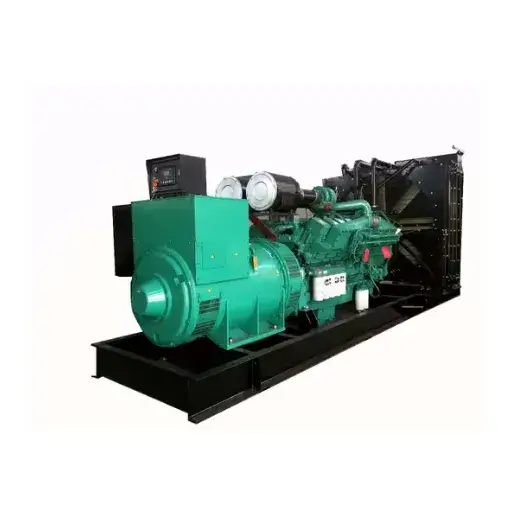
Power Needs for Your Home
When performing power generator sizing and selection for a house, it is important to understand the level of consumption and critical applicances and systems that require power supply. Owing to the comma above, the rest of the sentence follows, which is the underlying foundation for domestic appliances maintenance, also calculating how many watts each appliance uses – health consists meeting of the researched units – the capacity to warm coots during the air-conditioning and heating. In some examples, an average refrigerator uses 600-800 watts, but an average central air conditioner is 3500 watts to 5000 watts depending on its size and efficiency.
Moreover, the figure should include the so-called ‘surge wattage’, that is experienced when appliances are switched on. Some appliances, for example, refrigerators or pumps, might require up to three times the normal application of power in order to start working. Summing these figures, the amount of wattage that the generator is required to bear in order to sustain the household needs during a blackout is calculated.
To help you select a power generator that is tailored to your needs, one can use online wattage calculators or closely study manufacturer’s literature to check for appropriate power generator’s size. Also, to look into the future, in such cases, one may upsize one’s power generator at the point of installation so that additional elements in the generation of power in advance may be taken into account.
Portable vs. Standby Generators
|
Aspect |
Portable |
Standby |
|---|---|---|
|
Mobility |
High |
Low |
|
Cost |
Low |
High |
|
Installation |
None |
Required |
|
Power Output |
Limited |
High |
|
Operation |
Manual |
Automatic |
|
Fuel Type |
Gasoline |
Natural Gas |
|
Noise |
High |
Low |
|
Use Case |
Temporary |
Permanent |
|
Maintenance |
Low |
Moderate |
|
Weatherproof |
No |
Yes |
Evaluating Generator Specifications
When looking at the performance specifications of the power generator, key factors need to be considered to determine the suitability of the generator for the intended power output and the target power application. The most important features of the generators include the power output, fuel, duration of run and even noise in some cases.
- Power Output: Determine the peak (or surge) watts and the rated or running watts. The Peak Power is the amount of power that is added only once every time a device is booted. The rated power is the continuous wattage demand of the consumer appliances. It is important that the generator can support at least this number of starting watts otherwise system overloads may occur.
- Efficiency and Work Pressure: The working capacity is normally stated in terms of power generator hours at half load operation. This helps in assessing the time a generator can function before refueling is necessary and this is very important in case of limited power.
- Noise Pollution: The output sounds are rated in dB for effective use in certain areas and particularly in homes. Current generator sound reduction or development for low noise operation is the characteristic of many. Please see the noise criteria if this aspect is important.
- Electromagnetic Interferences: Low INF of Measured Individual Frequency Contours up to 5% is vital for all electronics because it ensures only pure electrical source for equipment. Essentially, this information is applicable for people who use laptops, medical equipment or smart home features.
To check if your chosen power generator is adequate for current use or futuristic purposes without energy wastage, you should carefully inspect these details of each of the models.
Maintenance Tips for Optimal Performance
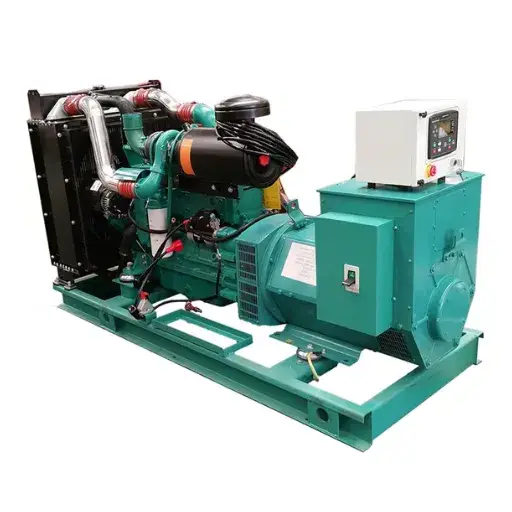
Regular Inspections and Testing
With all the above in mind, every power generator deteriorates with age or due to other factors – this is precisely why inspection and testing of any generator is essential. First of all, it is healthy to create a maintenance plan, which means regular checks. This may seem as a simple visual inspection with the aim of identifying any wearing out, damage, rusting in critical areas such the fuel pipes, fuel junctions, and joints. The air filters, the spark plugs and the oil levels ought to be in a healthy state whenever they are inspected since these simple parts have a direct impact on how the engine runs. There ought to be customary checks on the strength of the fuel especially if the said generator has gas or diesel in it which can ‘go bad’ over time.
A very important component of power generator reliability is also ability to perform periodic tests with load. Such tests make it possible to imitate working conditions identify issues within the unit with such changes in voltage or cooking frequencies. Functional checks of Automatic Voltage Regulators (AVRs), circuit breakers, and battery status should be performed as well. Load trials, in their turn, should preferably be as close as possible to those required of such a generator in operation, as testing at a lower or at a higher power can create false results with a resulting hole in the readiness of the generator.
Through a rigorous process of precise exams, surveys and the necessary tests calibrated over the emerging technologies of diagnostics and monitoring, user interventions can forewarn any incipient areas of failure. The application of intelligent systems which include an element of real-time measurement of critical efficiency such as power generator wattage used, engine temperature and fuel level further adds on to the predictive maintenance aspect in your operation. With elaborate fill-ins for repair and maintenance volume check lists, this method lessens the probability of using the generator on full functional load besides maximizing the age of the equipment.
Storing Generators Properly
It is of utmost importance to store power generators properly to enhance their efficiency and proper functioning even after long breaks. Generator engines are to be stored in appropriate areas which are devoid of moisture, dirt, or extremes of temperature which otherwise would cause wear to engine component parts. Raising the generator on a platform or stacking it increases its chances of survival in case of dampness getting to it. Finally, fuel should only be put in generators’ tanks without any fuel for storage indoors otherwise there is a risk that the fuel gets spoiled and blocks the fuel injectors or carburetors.
Prior to placing a power generator into stock, it is necessary to wipe out all the external parts to ensure dirt, oil or any other contaminants have been removed to guard against corrosion. Putting it back inside a breathable cloth or a generator cover will keep out dust and water but also allow sufficient air circulation within the confined space, which is important to avoid moisture build up. Besides, putting fuel preservatives in the generator or emptying the fuel tank is also a measure to take against plugging of almost any gum and voiding in time which might cause inconvenience when starting it after sometime.
It is also imperative that, for optimal preparedness, storage practices should support regular maintenance activities. These are particularly such as checking and oiling all moving parts, making sure the battery is either charged or removed fully to prevent its drainage, and cranking the generator every so often to keep its internals intact. Keeping storage and maintenance records is advised as this captures the lapses and helps in meeting the recommended guidelines.
References
-
MIT DSpace: Research on lithium-ion power generators for wireless sensors and novel circuit designs.
-
Lawrence Berkeley National Laboratory (Energy I-SPARK): Analysis of generator market structures and energy strategies in the U.S.
Frequently Asked Questions (FAQ)
Q: Could you explain the meaning of a power generator and its operational mechanism?
A: In layman’s term, a power generator can be best described as an equipment which aids in the conversion of mechanical energy into electrical energy and this helps in meeting the power demands either outdoors or indoors in the event of a power outage. Most of them are powered by gasoline, natural gas, diesel and few in exceptional cases propane ; used for powering homes incase of power failure, construction worksites, and during leisure time activities. Portable power generators can supply electric current to appliances for a short time, while stationary generators are wired permanently to supply electrical panel connection for homes.
Q: Which is better for me, a power generator that works on gasoline or a dual-fuel power generator?
A: You might want to apply both of them depending on the type of work you want to undertake. gas-powered ones are exorbitantly cheaper compared to the other fueling options; however, dual fuel and tri-fuel units offer advantages when it comes to fuel consumption as their flexibility (gasoline, propane, and sometimes even natural gas) expands the possible limits in case one is out of stock. Dual fuel generators may be an effective option in case of extended blackouts, or for permanent back up installations.
Q: Do portable generators have the ability for reliable home backup in case of power outage?
A: Yes. Portable generators are useful in backing up homes with only key circuits powered, e.g. the refrigerator and lighting, but they are mostly cumbersome to operate because they need to be connected externally most times using a transfer switch or an inlet connection. Standby generators, such as the Generac brand are very common where people prefer automatic domestic standby systems which are capable of greater load carrying capacity with less interference in the refueling processes.
Q: Whether it is better to have the power generator in a smaller or a larger size suitable for the running of the house or yard power projects is assessed how?
A: The process of selecting appropriate sized generator starts done it with determining the starting and running wattages of the number of devices you would like to run. A smaller portable generator works adequately well for a few items that are essential while larger more permanent type generators such as standby units or really large portable generators that are for better explained as ‘whole – house’ generators. Access to power temporarily and permanently – even in the yard – would also come in handy when determining what size to purchase.
Q: Should inverter generators be considered as a better option over the regular ones regardless of price?
A: Yes, inverter generators are definitely bought at a higher upfront cost. However, they give out cleaner electric power, which assures stability for studio electronics, makes less noise and is more fuel efficient. Thus, buying an inverter generator is not considered as expenditure in some cases. on the other hand, if costs have to be completely cut and the demand is only to light a few instruments and appliances, then a standard model such as those from Champion will do the job, without any extra demands for cash.
Q: What health and safety risks do I need to be aware of, in particular concerning carbon monoxide (CO)?
A: There is a hazard of carbon monoxide (CO) intoxication with any activity involving fuel-powered devices, and generators are no exception. Generators should only be used outdoors, far away from building ventilation openings, and should never be within any enclosed area. The best advice is to install CO alarms in the home and adhere to all the manufacturer safety advisories inclusive of warranty measures for users internally.
Q: Is it possible to use panels as well as a foul weather power generator, something like a hybrid for emergency purposes?
A: To be sure, harnessing poles as well as traditional power sources helps to form a hybrid system and in the process lower fuel consumption and run for a longer period of time. The sun is good for all loads that occur during the day and charging of batteries whereas the generator serves exceptional and long periods of time. There are systems and several manufacturers that provide support for connection of solar systems, batteries systems and generators together.
Q: Is buying a power generator without considering the brand and warranty a smart choice? Can we say that Generac and Champion are superior in terms of their quality and durability?
A: Brand name and warranty are two things to look at when buying a power generator and that is why it has to be considered carefully. The reasons behind these two manufacturers’ such as Generac and Champion longevity is their established service network, warranty and reliability. And before even considering a unit inside their assessment there is also assessing the warranty terms and even the maintenance regime, and finding if there is any parts and service in their area.
