
A marine generator cooling system is the network of pumps, heat exchangers, coolant passages, and controls that removes waste heat from a generator’s engine. It keeps the engine within a safe operating temperature range. Without it, a diesel generator overheats in minutes, destroys seals, warps cylinder heads, and shuts down the vessel’s electrical supply.
Last summer, a 3,000-dwt coastal cargo vessel lost auxiliary power in a Vietnamese port. Its generator heat exchanger had been sized for North Sea water temperatures, not tropical seawater at 32 °C. The high coolant alarms started during cargo discharge. By the time the crew traced the problem, the exhaust manifold gasket had failed and the charterer was demanding a replacement generator. The root cause was not the engine brand or the alternator. It was the cooling system specification.
In this guide, we explain how a marine diesel generator cooling system works, the four main configurations, the components that matter, and how to maintain them. We also cover heat-exchanger sizing, tropical operation, CCS class requirements, and what to look for when sourcing a marine generator from a manufacturer.
Key Takeaways
- A marine generator cooling system removes waste heat from the engine block, cylinder head, exhaust manifold, and often the alternator windings.
- Most modern marine generators use closed-loop freshwater cooling with a seawater-cooled heat exchanger because it balances corrosion protection and thermal efficiency.
- Overheating is the leading cause of marine generator failure, and most failures trace back to neglected raw-water impellers, blocked strainers, or fouled heat exchangers.
- Water transfers heat roughly 25 times more effectively than air, which is why radiator cooling is rare in serious marine applications.
- Marine generator heat exchangers are typically sized to reject 3–5% of engine power as waste heat, with seawater temperature heavily influencing the calculation.
- For CCS-classed vessels, the cooling system must use marine-grade materials, documented heat exchangers, and pass witnessed factory acceptance tests.
What Is a Marine Generator Cooling System?
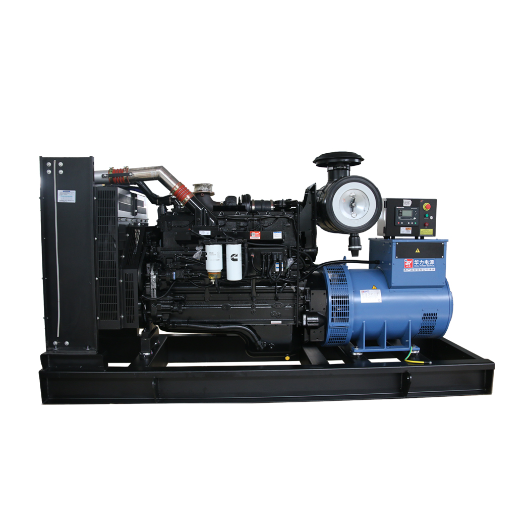
A marine generator cooling system is a closed-loop or open-loop arrangement that carries heat away from the diesel engine and the alternator. It keeps the engine coolant, lubricating oil, and combustion components within the temperature window the manufacturer specifies. Most marine diesel generator sets operate with a coolant temperature of 68–82 °C (155–180 °F).
The cooling load is significant. A diesel engine converts roughly one-third of its fuel energy into useful mechanical work, one-third into exhaust heat, and one-third into heat that must be removed by coolant and oil. On a marine generator set, the heat exchanger is the component that hands that waste heat over to the surrounding seawater.
This matters for reliability because marine engines run in a harsh environment. Salt air, vibration, limited engine-room space, and variable seawater temperatures all stress the cooling circuit. A well-specified marine generator cooling system extends engine life and reduces fuel consumption. It also prevents the unscheduled downtime that costs shipowners money and charterers confidence.
Why Cooling Directly Affects Engine Life
Thermal management is not only about avoiding catastrophic overheating. Engines that run consistently too cool suffer from incomplete combustion, carbon buildup, and accelerated cylinder wear. Engines that run too hot degrade head gaskets, piston rings, and turbocharger bearings.
The cooling system’s job is simple but critical. It holds the engine in the narrow band where it is both efficient and durable.
Mini-story: Maria, a project engineer at a shipyard in Guangzhou, was reviewing bids for two 250 kW auxiliary generators. One supplier quoted a land-based radiator-cooled unit at a lower price. The other quoted a marine-grade heat-exchanger package with a CuNi tube bundle and CCS material certificates. Maria chose the marine package. Six months later, the vessel was operating in the South China Sea at 35 °C ambient, and the generator held its temperature steady. The small premium at purchase avoided a much larger retrofit bill.
Types of Marine Generator Cooling Systems
There are four principal ways to cool a marine generator. Each has different trade-offs in cost, complexity, corrosion risk, and suitability for the vessel’s operating area. Understanding these options is the first step in specifying a reliable marine generator cooling system.
Open-Loop or Raw Water Cooling Marine Generator
In an open-loop system, seawater is pumped directly through the engine block, exhaust manifold, and possibly the alternator. It is then discharged overboard. A raw water cooling marine generator has the simplest arrangement because there is no separate freshwater circuit.
The downside is that raw seawater contacts internal engine surfaces. Salt, silt, and marine organisms cause corrosion, scale, and erosion. Open-loop cooling is now uncommon for modern auxiliary generators.
It still appears on smaller or older units where first cost dominates.
Closed-Loop Freshwater Cooling Marine Generator with Heat Exchanger
This is the modern standard for marine diesel generator cooling. A treated freshwater and antifreeze mixture circulates through the engine block, cylinder head, and exhaust manifold. A freshwater cooling marine generator with a heat exchanger keeps saltwater out of the engine internals.
The hot coolant passes through a heat exchanger. Raw seawater removes the heat without the two fluids mixing.
The advantages are clear. Freshwater is a controlled, corrosion-inhibited medium. Only the heat exchanger, raw-water pump, and exhaust elbow see seawater. Engine life is longer, temperatures are more stable, and the system tolerates tropical seawater better than open-loop designs.
Keel Cooling Marine Generator
A keel cooling marine generator uses a grid of pipes mounted on the exterior hull below the waterline. The engine coolant circulates through these pipes, and the surrounding seawater absorbs the heat. There is no raw-water pump, no through-hull intake, and no strainer.
This design is popular for workboats, fishing vessels, and any craft operating in debris-filled, shallow, or polluted water. The limitation is hull surface area and the fact that cooling performance drops at high vessel speed or in very warm water. Keel coolers must also be protected from grounding damage.
Seawater Cooling Marine Generator with Heat Exchanger
The most common seawater cooling marine generator design pairs a freshwater engine circuit with a shell-and-tube or plate heat exchanger. Seawater flows through the exchanger, absorbs heat from the freshwater coolant, and is discharged overboard. This configuration protects the engine from corrosion while delivering reliable cooling in tropical and temperate waters.
Comparison of Cooling System Types
| Feature | Open-Loop Seawater | Closed-Loop Heat Exchanger | Keel Cooling | Radiator/Fan |
|---|---|---|---|---|
| Cooling medium | Raw seawater | Freshwater + seawater via exchanger | Freshwater via hull pipes | Air |
| Seawater pump | Yes | Yes | No | No |
| Through-hull intake | Yes | Yes | No | No |
| Corrosion risk to engine | High | Low | Low | Low |
| Temperature stability | Moderate | High | Good | Moderate |
| Engine room noise | Low pump noise | Low pump noise | Very low | Higher fan noise |
| Best for | Small/older gensets | Most modern marine generators | Workboats, debris-rich waters | Harbor/portable emergency sets |
| Relative cost | Lowest | Moderate | Moderate to high | Moderate |
Freshwater vs Seawater Cooling for Marine Generators
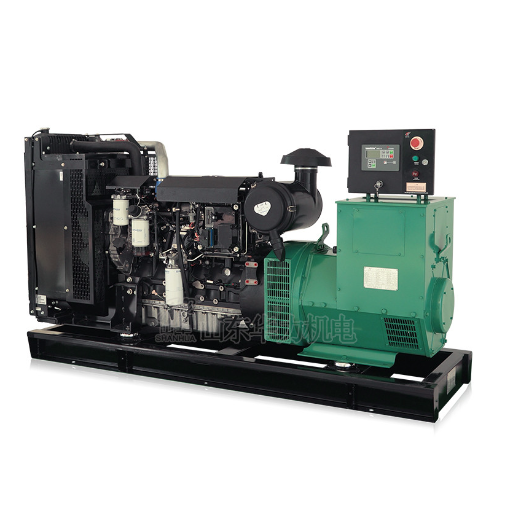
The choice between freshwater and seawater cooling is one of the first decisions in a marine generator specification. In practice, most buyers today choose a freshwater closed-loop system cooled by seawater through a heat exchanger. The question is usually whether to use a heat exchanger or a keel cooler as the seawater interface.
Corrosion and Engine Longevity
Seawater is corrosive. When it flows through engine blocks, it attacks cast iron, aluminum, and copper alloys. Even with anodes, open-loop seawater cooling shortens engine life.
Closed-loop freshwater cooling keeps saltwater out of the engine internals. Only the heat exchanger tubes and end caps see seawater, and these are built from materials such as copper-nickel (CuNi10Fe), admiralty brass, or titanium for severe duty.
Temperature Control
A closed-loop system with a thermostat maintains the engine near its design temperature. This works regardless of seawater temperature swings. The result is better combustion efficiency, reduced thermal stress, and oil viscosity in the right range.
Open-loop systems are more sensitive to seawater temperature, which can vary from below 10 °C in polar waters to above 30 °C in the tropics.
Maintenance Frequency
Open-loop systems need frequent impeller changes, anode replacement, descaling, and flushing. Closed-loop systems still need raw-water side maintenance, but the engine side is protected. Keel cooling is the lowest maintenance option on the seawater side, though the hull grid must be inspected during dry docking.
Cost
Open-loop cooling has the lowest first cost but the highest lifecycle cost due to corrosion and downtime. Closed-loop heat-exchanger systems cost more upfront but last longer and are cheaper to maintain. Keel cooling adds hull fabrication cost. Radiator cooling can appear cheap until the cost of engine-room ventilation, noise treatment, and lost space is added.
Key Components of a Marine Generator Cooling System
A marine generator cooling system is only as reliable as its weakest component. Understanding each part helps buyers evaluate quotations. It also helps crews maintain the system correctly.
Heat Exchanger
The heat exchanger transfers heat from the freshwater coolant to the raw seawater. Shell-and-tube designs are common in marine generators because they tolerate vibration and are easy to clean. Plate-type heat exchangers are more compact and efficient but require more careful gasket maintenance. The seawater-side tubes are often CuNi alloy for corrosion resistance.
Raw Water Pump and Impeller
The raw water pump draws seawater through the intake, strainer, and heat exchanger. It then pushes the water out through the exhaust elbow. Most small and medium marine generators use a flexible rubber impeller pump. The impeller is a wear item.
It should be replaced annually or every 200 running hours, whichever comes first.
Coolant or Jacket Water Pump
This pump circulates the freshwater/antifreeze mixture through the engine block, cylinder head, and heat exchanger. It is usually engine-driven. A worn coolant pump reduces flow and causes gradual overheating, especially at high load.
Thermostat
The thermostat regulates coolant temperature by controlling how much coolant flows through the heat exchanger. A thermostat stuck closed causes rapid overheating. A thermostat stuck open prevents the engine from reaching operating temperature, leading to carbon buildup and poor fuel economy.
Sea Strainer
The sea strainer catches seaweed, plastic, jellyfish, and debris before they reach the pump and heat exchanger. It must be inspected before every trip and cleaned more often in debris-heavy waters.
Expansion Tank and Pressure Cap
The expansion tank provides a reservoir for coolant expansion and contraction. The pressure cap raises the boiling point of the coolant and allows the system to operate at higher temperatures without boiling. A faulty cap can cause coolant loss and overheating.
Sacrificial Zinc Anodes
Zinc anodes protect dissimilar metals from galvanic corrosion. They are installed in the heat exchanger, raw-water pump housing, and exhaust elbow. They should be replaced when approximately 50% consumed.
Exhaust Elbow / Mixing Riser
The exhaust elbow is where raw cooling water mixes with hot exhaust gases before discharge. It is a common failure point because hot exhaust and saltwater meet in the same casting. Internal corrosion can allow seawater to flow back into the engine, causing hydro-lock.
Hoses, Clamps, and Seacocks
Cooling hoses degrade from heat, oil, and ozone. They should be inspected every year and replaced every 5–10 years regardless of appearance. Seacocks must open fully and close tightly. Worn impeller pieces and corroded clamps are frequent causes of leaks.
Heat Exchanger Marine Generator Sizing Guide
Sizing the heat exchanger is one of the most important steps when specifying a heat exchanger marine generator package. A unit that works in the North Sea may fail in Singapore because the seawater temperature is 20 °C warmer. The basic sizing equation is:
Q = U × A × LMTD
Where:
- Q = heat load to be rejected (Btu/hr or kW)
- U = overall heat transfer coefficient (depends on materials and fouling)
- A = heat transfer surface area
- LMTD = log mean temperature difference between the two fluids
For practical generator work, the heat rejection is usually taken from the engine manufacturer’s data sheet. As a rule of thumb, the heat exchanger must reject approximately 3–5% of engine power as waste heat from the jacket water circuit. The total may be higher if the heat exchanger also cools the alternator windings or charge air.
Sizing Inputs Required
To size a heat exchanger marine generator package correctly, you need:
- Engine jacket-water heat rejection (kW or Btu/min)
- Coolant flow rate and allowable pressure drop
- Maximum seawater temperature at the vessel’s operating area
- Required seawater flow rate
- Heat exchanger material (CuNi, titanium, or admiralty brass)
- Fouling factor for the operating water quality
Unit conversions are useful here. 1 kW ≈ 56.87 Btu/min, and 1 hp ≈ 42.42 Btu/min. Manufacturers such as Caterpillar publish worksheets that convert engine power directly into heat rejection values.
Why Tropical Sizing Matters
A heat exchanger sized for 15 °C seawater will have a large LMTD and can be compact. In 32 °C seawater, the LMTD shrinks dramatically, so the same heat load needs more surface area or more seawater flow. This is why tropical-rated generators often have larger heat exchangers, bigger seawater pumps, or both. Skipping this step is a common cause of marine generator overheating in warm climates.
Mini-story: A procurement manager in Rotterdam sourced a 200 kW generator set for a vessel that would trade between West Africa and Northern Europe. The supplier sized the heat exchanger for North Atlantic seawater. When the vessel reached Lagos, the generator could not hold temperature below 95 °C coolant. The fix was a larger seawater pump and a chemically cleaned heat exchanger. The lesson: always specify the highest expected seawater temperature, not the home port average.
Marine Generator Cooling System Maintenance
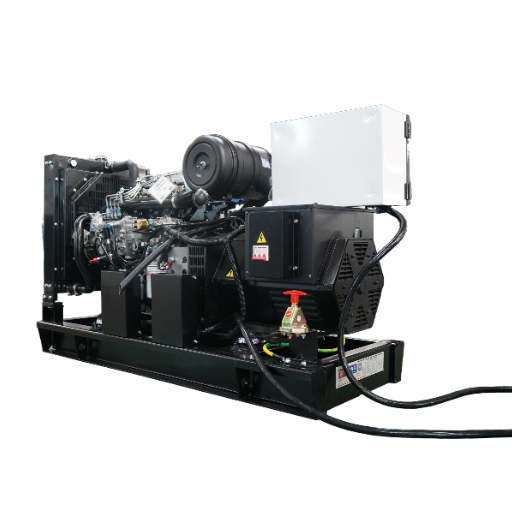
Preventive maintenance is the difference between a generator that starts every time and one that fails when it is needed most. The following schedule is typical for a closed-loop marine generator cooling system.
Daily or Before Each Use
- Check coolant level in the expansion tank.
- Inspect the raw-water strainer and clean if necessary.
- Look for visible leaks at hoses, clamps, pump seals, and the heat exchanger.
- Confirm the seacock is fully open.
- Verify the exhaust outlet is discharging water.
Every 100–150 Hours or Annually
- Change engine oil and filter.
- Replace the raw-water pump impeller.
- Inspect and replace zinc anodes if approximately 50% consumed.
- Check belt tension on belt-driven pumps and alternators.
- Test the thermostat operation.
Every 500 Hours or Two Years
- Flush and replace the freshwater coolant with the correct ethylene glycol/distilled-water mix.
- Inspect the exhaust elbow and riser for internal corrosion.
- Clean or descale the heat exchanger seawater side.
- Replace hoses and clamps as needed.
- Pressure-test the coolant system and cap.
Maintenance Checklist Summary
| Interval | Tasks |
|---|---|
| Daily / before use | Coolant level, strainer, leaks, seacock, exhaust discharge |
| 100–150 hrs / annual | Oil change, impeller, zincs, belts, thermostat |
| 500 hrs / 2 years | Coolant flush, exhaust elbow inspection, heat exchanger cleaning, hoses |
For a more detailed maintenance schedule, see our guide to marine generator maintenance.
Common Marine Generator Overheating Causes and Troubleshooting
Most cooling problems announce themselves before they cause permanent damage. The key is to recognize the symptom and act quickly. This section covers the most common causes of marine generator overheating and how to diagnose them.
Gradual Overheating
If the coolant temperature creeps upward over days or weeks, the likely causes are:
- Partially blocked raw-water strainer or intake
- Worn impeller reducing seawater flow
- Fouled heat exchanger tubes from scale or sediment
- Degraded coolant with reduced heat capacity
- Stuck thermostat
Sudden Overheating
A rapid temperature rise usually means:
- Failed raw-water impeller
- Closed or obstructed seacock
- Burst hose
- Major coolant leak
- Thermostat stuck closed
No Water from the Exhaust
If exhaust discharge disappears, check the seacock, strainer, and impeller in that order. This is often the first sign of impeller failure.
White Exhaust Smoke
White smoke can indicate coolant leaking into the combustion chamber through a failed head gasket or cracked cylinder head.
Milky Engine Oil
Milky or frothy oil means coolant or seawater has mixed with the lubricating oil. This is a serious condition that requires immediate shutdown and investigation. Possible causes include a leaking heat exchanger oil cooler, cracked head, or failed head gasket.
Troubleshooting Symptom Table
| Symptom | Likely Cause | First Action |
|---|---|---|
| Gradual overheating | Blocked strainer, worn impeller, fouled heat exchanger | Clean the strainer, replace the impeller, and flush the exchanger |
| Sudden overheating | Failed impeller, closed seacock, burst hose | Shut down, inspect the pump and seacock |
| No water from the exhaust | Closed seacock, blocked intake, failed impeller | Open the seacock, clean the strainer, and replace the impeller |
| White exhaust smoke | Coolant entering the combustion chamber | Shut down and inspect the head gasket |
| Milky oil | Coolant or seawater in oil | Shut down and identify the internal leak |
| Erratic temperature | Air lock, faulty sender, sticking thermostat | Bleed system, test sender and thermostat |
Tropical Marine Generator Cooling System Operation and Sizing
Marine generators in tropical climates face a double thermal load: high ambient air temperature and high seawater temperature. Both reduce the cooling system’s margin. The following guidance helps keep a marine generator cooling system reliable in hot conditions.
Ambient and Seawater Ratings
Many marine generators are rated for ambient temperatures up to 50 °C (122 °F) and raw seawater temperatures up to 32 °C, per manufacturer data and class society guidelines. It is important to verify that the rating applies to the actual installation, including engine-room ventilation and exhaust backpressure.
Coolant Concentration
In hot climates, a 50/50 mix of ethylene glycol and distilled water is common. This raises the boiling point and provides corrosion protection. Never use plain water, and never use automotive coolant in a heavy-duty marine diesel. Automotive coolants often contain silicates that can form gels and damage water pump seals.
Engine Room Ventilation
Even water-cooled generators need adequate airflow to cool the alternator, engine surfaces, and exhaust system. Blocked vents, recirculating hot air, or undersized fans raise the ambient temperature around the generator and reduce the effective cooling capacity.
CCS Class Requirements for Marine Generator Cooling Systems
For a CCS marine generator cooling system, the cooling equipment must meet the same marine-grade standards as the rest of the generator set. China Classification Society (CCS) approval covers design review, prototype inspection, factory audit, witnessed factory acceptance testing (FAT), and certificate issuance.
Material and Construction
CCS typically requires:
- Marine-grade heat exchanger suitable for seawater service
- Corrosion-resistant materials such as CuNi tubes or titanium plates
- IP56 or higher enclosure protection for the generator
- Class H or higher alternator insulation
- Anti-vibration mounts and salt-spray-resistant finishes
Documentation
The supplier must provide drawings, thermal calculation sheets, material certificates, and factory inspection reports. The heat exchanger itself should come from a CCS-approved manufacturer and be subject to witnessed hydraulic testing where required.
Approval Workflow
- Design review of cooling system drawings and specifications.
- Prototype inspection for compliance with IEC 60092 and ISO 8528.
- Factory audit of the manufacturer’s quality system.
- Witnessed FAT including temperature, load, and protection tests.
- Certificate issuance and assignment of the MG class notation.
For more details on CCS certification, see our guide to CCS certified marine generator requirements. You can also refer to the Caterpillar marine generator sets cooling options and the Onan marine generator maintenance guidelines for additional manufacturer guidance.
Mini-story: A buyer in Shanghai was comparing two quotations for a 150 kW marine generator. One supplier offered a land-based diesel engine with a truck radiator and a painted steel enclosure. The other offered a Cummins marine engine with a CuNi heat exchanger, expansion tank, zinc anodes, and CCS material certificates. The second quotation was higher, but it included everything needed for class approval. The buyer later confirmed that the first unit would have required a complete cooling-system retrofit before CCS would accept it.
Choosing a Marine Generator Cooling System Configuration
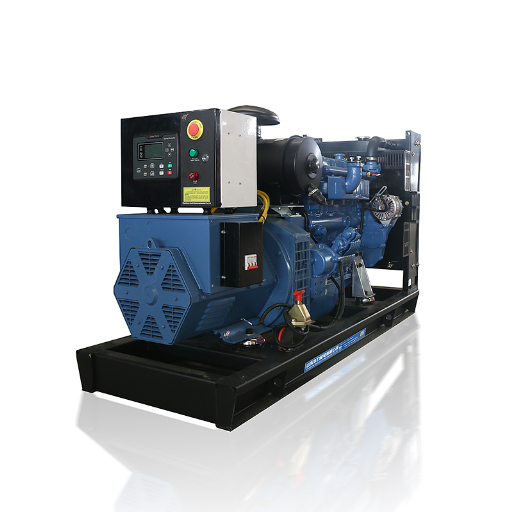
Selecting the right configuration means matching the cooling system to the vessel, route, and operating pattern.
Vessel Type and Operating Area
Cargo vessels, ferries, and offshore generator platforms usually prefer closed-loop heat-exchanger cooling because it is compact and reliable. Fishing vessels and tugs that operate in muddy or weedy waters may prefer keel cooling to avoid blocked intakes. Harbor-only emergency sets may use radiator cooling if ventilation is available.
Seawater Quality
Clean, deep water allows efficient heat-exchanger operation. Shallow, silty, or debris-rich water increases fouling and impeller wear. In these conditions, a larger strainer, more frequent maintenance, or keel cooling may be justified.
Engine Room Space and Ventilation
Heat exchangers and seawater pumps take less engine-room volume than radiator installations with the airflow they require. In sound-insulated enclosures, radiator cooling is rarely practical because the enclosure traps heat.
Maintenance Access
The raw-water pump, impeller, strainer, and heat exchanger end caps must be reachable for routine service. Poor access leads to skipped maintenance and eventual failure.
Class Society Requirements
Classification societies including CCS, ABS, DNV, and LR require the cooling system to be documented, suitably rated, and built from marine-grade materials. A land-based cooling package will not pass survey.
Shandong Huali Marine Generator Cooling Solutions
At Shandong Huali Electromechanical Co., Ltd., we supply marine diesel generator sets from 8 kVA to 4,000 kVA with cooling systems designed for real marine duty. Our standard marine package includes closed-loop freshwater cooling with a seawater-cooled heat exchanger, raw-water pump, expansion tank, thermostat, sea strainer, sacrificial zinc anodes, and marine-grade hoses and clamps.
Engine and Alternator Options
- Engines: Cummins, Perkins, Weichai, Yuchai
- Alternators: Stamford, Marathon, Mecc Alte, Leroy Somer
- Cooling: marine heat exchanger, keel cooling, or tropical-rated configurations on request
You can compare these options in our guide to marine generator brands. For emissions-compliant units, see our article on IMO Tier III marine generator systems.
Class Society Coverage
We support CCS, ABS, DNV, LR, and BV class approvals. Our engineering team prepares cooling-system drawings, heat rejection calculations, material certificates, and FAT protocols as part of the class package.
Why Work With Shandong Huali
- Over 25 years of generator manufacturing experience
- National standard testing center with 100% pre-delivery testing
- Full OEM/ODM customization capability
- Global delivery and technical support
If you are specifying a marine generator for a newbuild or retrofit, contact our engineering team for cooling-system sizing support and a project quotation.
Frequently Asked Questions About Marine Generator Cooling Systems
What is a marine generator cooling system?
A marine generator cooling system is the network of pumps, heat exchangers, coolant passages, and controls that removes waste heat from a marine generator’s diesel engine and alternator. It keeps the engine within its safe operating temperature range, typically 68–82 °C.
What are the types of marine generator cooling systems?
The four main types are open-loop raw seawater cooling, closed-loop freshwater cooling with a heat exchanger, keel cooling, and radiator or fan cooling. Closed-loop freshwater cooling is the most common choice for modern marine generators.
How does a heat exchanger work on a marine generator?
A heat exchanger transfers heat from the hot freshwater coolant circulating through the engine to raw seawater flowing through tubes or plates. The two fluids never mix. The cooled freshwater returns to the engine, and the warmed seawater is discharged overboard.
Why is my marine generator overheating?
Common causes include a blocked raw-water strainer, failed or worn impeller, fouled heat exchanger, low coolant level, stuck thermostat, air lock in the coolant system, or a heat exchanger that was undersized for the actual seawater temperature.
How often should I replace the raw water impeller?
Replace the raw water impeller annually or every 200 running hours, whichever comes first. In debris-heavy or tropical waters, inspect it more frequently.
What coolant should I use in a marine generator?
Use a heavy-duty diesel coolant, typically a 50/50 mix of ethylene glycol and distilled water, formulated for marine or heavy-duty engines. Avoid automotive coolants with silicates and never run plain water.
Can a marine generator be air-cooled?
Yes, but radiator or fan cooling is uncommon for marine generators because water removes heat far more efficiently than air. Radiator cooling is usually limited to small portable units, harbor emergency sets, or installations where seawater cooling is not practical.
Conclusion
A marine generator cooling system is not an accessory. It is an integral part of the generator set that determines reliability, engine life, and operating cost in harsh marine environments. The right choice depends on the vessel type, operating area, seawater quality, ambient temperature, and class society requirements.
For most applications, closed-loop freshwater cooling with a marine-grade heat exchanger offers the best balance of corrosion protection, thermal performance, and maintainability. Keel cooling suits workboats in debris-rich waters, while radiator cooling is generally limited to specialized harbor or portable applications.
The right choice depends on the vessel type, operating area, seawater quality, ambient temperature, and class society requirements. Most applications benefit from closed-loop freshwater cooling with a marine-grade heat exchanger.
A marine generator cooling system that is correctly specified, built from marine-grade materials, and maintained on schedule will deliver years of reliable service. Shandong Huali provides CCS, ABS, and DNV-classed marine generator sets with cooling systems engineered for tropical and continuous-duty operation. Contact our engineering team today to discuss your project.Need help with small boat generators? See our small marine diesel generator buyer’s guide