
A standby generator that fails during an outage is worse than no generator at all. It gives you a false sense of security, and that false security can shut down a hospital, data center, or production line when it matters most. Over 60% of generator no-start events trace to three preventable causes: dead batteries, contaminated fuel, and neglected maintenance.
At a manufacturing plant in Malaysia, the facility team treated their 500 kW standby generator as “install and forget.” When a grid failure hit during monsoon season, the unit cranked but would not start.
Water in the fuel and a sulfated battery cost them 18 hours of production. The repair bill exceeded 12,000.A12,000.A400 annual service would have prevented it.
This guide gives you a complete diesel generator maintenance framework used by facility engineers worldwide: schedules, checklists, cost benchmarks, troubleshooting protocols, and compliance requirements.
Key Takeaways
- Service a diesel generator every 6–12 months or every 250–500 running hours, whichever comes first. Standby units still need attention because fuel degrades, batteries discharge, and seals dry out.
- The highest-failure systems are batteries, fuel, and cooling. A simple checklist focused on these three areas prevents most no-start events.
- NFPA 110 requires monthly loaded exercise runs and annual load bank testing for Level 1 emergency power systems.
- Annual maintenance costs range from roughly 250forsmallresidentialunitsto250forsmallresidentialunitsto10,000+ for large industrial systems, depending on kW rating and contract type.
- Shandong Huali provides maintenance support, spare parts, and factory-direct service for generator sets from 8 kVA to 4,000 kVA.
How Often Should You Service a Diesel Generator?
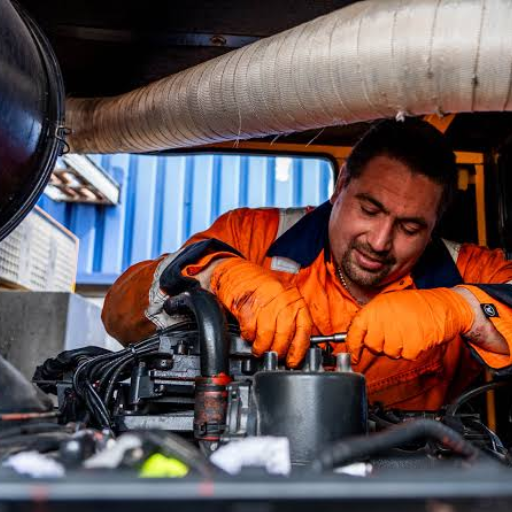
Your diesel generator maintenance schedule depends on three things: operating hours, calendar time, and duty cycle. A generator running prime power in a mine needs service far more often than a hospital standby unit that tests once a month.If you want a full breakdown of intervals by duty cycle and engine brand, our dedicated guide to the diesel generator maintenance schedule lays out every interval in one place.
Standby vs Prime vs Continuous Use Schedules
| Duty Cycle | Typical Use | Oil Change Interval | Major Service Interval |
|---|---|---|---|
| Standby | Emergency backup, hospitals, data centers | 6–12 months or 250 hours | Annually |
| Prime Power | Main power source, remote sites | 250–400 hours | Every 500–1,000 hours |
| Continuous | Base load, off-grid operations | 250 hours | Every 500 hours |
Standby generators accumulate few hours but still suffer from oil oxidation, battery self-discharge, and fuel contamination. Read our guide on standby generators for design and sizing basics.
Hour-Based vs Calendar-Based Intervals
Manufacturers specify both hour and calendar limits. Use whichever comes first. For example, if an oil change is due at 250 hours or 12 months, a standby unit that only runs 50 hours per year still needs new oil annually.
Hour meters matter for prime-power units. Calendar intervals matter for standby units. Record both in your service log.
Manufacturer-Specific Variations
Service intervals vary by engine brand and model. Always follow the manufacturer’s manual for your specific generator. Official guidance from Cummins and Perkins is a useful starting point.
| Brand | Typical Oil Change Interval | Fuel Filter Interval | Major Service Notes |
|---|---|---|---|
| Cummins | 250–500 hours | 400–500 hours | Valve clearance at ~1,200 hours |
| Perkins | 500 hours | 500 hours | Extended intervals, common parts platform |
| Weichai | 250–500 hours | Per schedule | Cost-effective industrial duty |
| Yuchai | 250–500 hours | Per schedule | Common in emerging markets |
A facility manager in Lagos learned this lesson when he assumed his Weichai-powered generator could match a Perkins 500-hour oil change in a dusty environment. The oil broke down faster than expected, and bearing wear followed. Switching to 250-hour intervals and better air filtration solved the problem.
The Complete Diesel Generator Maintenance Checklist
A good diesel generator maintenance checklist covers every system that can cause failure. Use this structure and adapt it to your equipment manual.For a printable, system-by-system version you can hand straight to your technicians, see our complete diesel generator maintenance checklist.
Fuel System
Diesel generator fuel system maintenance starts with checking fuel level daily and inspecting for leaks.
- Drain water from the water separator weekly.
- Replace fuel filters per the manufacturer schedule.
- Test fuel quality every 6–12 months for microbial growth and water.
- Inspect fuel lines, tank vents, and fittings for cracks.
Because contaminated fuel is one of the top three causes of no-start events, our guide to diesel generator fuel system maintenance covers water separators, fuel polishing, and biocide treatment in more depth.
Lubrication System
- Check oil level before every start.
- Change oil and oil filter at the required interval.
- Send oil samples for analysis at major services.
- Use the oil grade specified by the engine manufacturer.
Cooling System
- Check coolant level and condition weekly.
- Inspect hoses, clamps, and radiator fins monthly.
- Replace coolant every 2,000 hours or 24 months, whichever comes first.
- Verify the block heater works in cold climates.
Battery and Starting System
Generator battery maintenance starts with checking terminal voltage and electrolyte levels weekly.
- Clean and grease terminals to prevent corrosion.
- Load-test batteries annually.
- Replace batteries every 30–36 months in standby service.
Since a weak battery is the single most common reason a generator fails to start, our dedicated guide to generator battery maintenance explains load testing, charger setup, and replacement timing step by step.
Air Intake and Exhaust
- Inspect the air filter weekly in dusty environments.
- Replace air filters when the restriction indicator shows red or per schedule.
- Check exhaust manifold and pipe for leaks.
- Watch exhaust smoke color: black means overloading or wet stacking, white can mean coolant intrusion, blue indicates oil burn.
Electrical and Control Systems
- Verify the automatic transfer switch (ATS) transfers correctly.
- Check all connections for tightness and corrosion.
- Review control panel alarms and event logs.
- Test remote monitoring and emergency stop circuits.
Diesel Generator Troubleshooting: Common Problems and Solutions
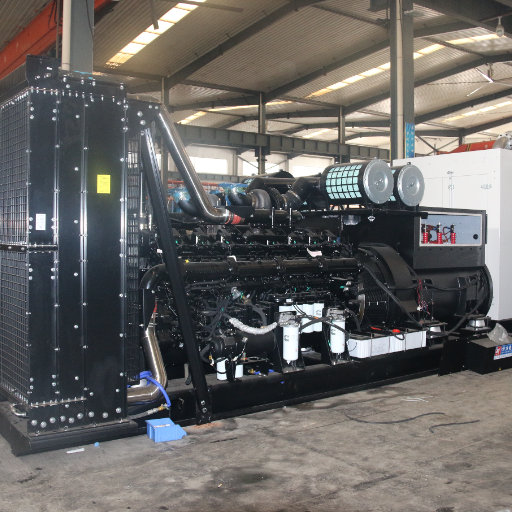
Even with good maintenance, problems occur. A structured diesel generator troubleshooting process saves time and prevents guesswork.For a deeper, symptom-by-symptom diagnostic walkthrough that expands on the steps below, see our complete guide to diesel generator troubleshooting.
Fails to Start
- Battery: Test voltage. A healthy 12 V battery reads about 12.6 V at rest. Replace if weak or older than 3 years.
- Fuel: Verify fuel level, filter condition, and whether air is in the fuel lines.
- Starting motor: Listen for abnormal sounds. Slow cranking can mean a weak battery or failing starter.
- Air filter: A severely clogged filter can prevent starting.
Low or No Power Output
- Overload: Reduce load and check the current draw against the rating plate.
- AVR: A faulty automatic voltage regulator causes low voltage or unstable output.
- Turbo or injectors: Check boost pressure and injector spray patterns.
Engine Overheating
- Coolant level: Top up if low and inspect for leaks.
- Radiator: Clean debris from fins. In dusty sites, this may be needed weekly.
- Water pump or thermostat: Replace if the engine does not reach normal operating temperature or overheats at rated load.
Abnormal Exhaust Smoke
- Black smoke: Incomplete combustion, often from overloading or restricted air intake.
- White smoke: Water or unburned fuel in the combustion chamber. Check coolant level and fuel quality.
- Blue smoke: Oil entering the combustion chamber. Worn piston rings or valve seals may be the cause.
Unstable Voltage or Frequency
- Governor: Adjust or service if engine speed fluctuates.
- AVR and connections: Tighten terminals and test the AVR.
- Load imbalance: Balance three-phase loads where possible.
| Symptom | Likely Cause | First Action |
|---|---|---|
| Will not crank | Dead battery | Test voltage and connections |
| Cranks but does not start | Air in fuel, empty tank, bad fuel | Bleed fuel system, check quality |
| Starts then stops | Fuel starvation, blocked vent | Inspect lift pump and tank vent |
| Low output | Overload, AVR fault | Reduce load, test AVR |
| Overheating | Low coolant, dirty radiator | Refill coolant, clean radiator |
| Black smoke | Overload, wet stacking | Reduce load, run load bank |
| White smoke | Water in fuel, coolant leak | Test fuel, pressure-test cooling system |
| Blue smoke | Oil consumption | Check oil level, inspect rings/seals |
Generator Wet Stacking Prevention and Load Bank Testing
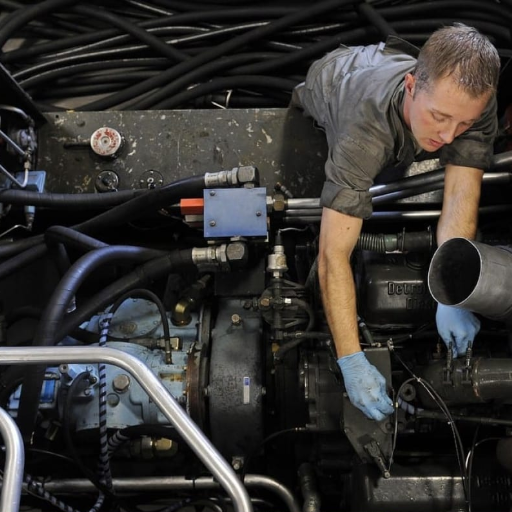
Wet stacking happens when a diesel engine runs under light load for long periods. Unburned fuel and carbon build up in the exhaust system, reducing performance and damaging the engine.
What Is Wet Stacking?
Diesel engines need adequate combustion temperature to burn fuel completely. Running below 30% of rated load keeps exhaust temperatures too low. The result is carbon buildup in the turbocharger, exhaust manifold, and aftertreatment systems.For the full set of preventive measures and early warning signs, see our guide to generator wet stacking prevention.
NFPA 110 Monthly Testing Requirements
NFPA 110 generator maintenance rules in Chapter 8 require a preventive maintenance program for emergency power generator systems. For diesel generators, monthly exercise runs must last at least 30 minutes at a load of at least 30% of the nameplate kW rating. For a plain-language summary of the full standard and how to keep your records audit-ready, see our guide to NFPA 110 generator maintenance.
If the building load cannot reach 30%, use a portable load bank. Running an unloaded generator for exercise does more harm than good.
Annual Load Bank Testing Protocol
Annual load bank testing diesel generator protocols verify that the unit can carry its full rated load. A common protocol runs the unit at:
- 25% load for 30 minutes
- 50% load for 30 minutes
- 75% load for 60 minutes
This 2-hour test burns off carbon deposits, validates cooling capacity, and confirms voltage and frequency stability under load.To understand how the test is set up, sized, and documented, see our guide to load bank testing diesel generator systems.
Triennial Level 1 EPSS Testing
Level 1 emergency power supply systems must undergo a full-duration load test every 36 months. The test runs the generator at full rated load for the duration of its fuel supply or the required runtime, whichever is shorter.
Diesel Generator Maintenance Cost: Budgeting by kW Size
Budgeting for generator maintenance cost per year helps facilities avoid surprise expenses and compare service contracts. For a fuller breakdown of service contracts, overhauls, and the factors that swing the total, see our guide to generator maintenance cost per year.
Cost Ranges by Generator Size
| Generator Size | Application | Annual Maintenance Cost (2026) |
|---|---|---|
| 8–30 kW | Residential/small commercial | 250–250–600 |
| 30–150 kW | Commercial/light industrial | 600–600–1,500 |
| 100–500 kW | Industrial/critical standby | 1,000–1,000–5,000 |
| 600–1,500 kW | Data center power/hospital | 3,500–3,500–10,000 |
| 2,000+ kW | Prime power/heavy industrial | Custom quote, often $10,000+ |
What Affects Cost
- kW rating: Larger engines use more oil, larger filters, and more labor.
- Usage pattern: Prime-power units need service every 250–400 hours.
- Environment: Dust, humidity, and poor fuel quality increase filter and coolant service frequency.
- Contract type: A basic annual maintenance contract costs less than a comprehensive contract covering breakdowns, parts, and emergency callouts.
- Age: Older units need more frequent repairs and component replacements.
What Annual Service Usually Includes
- Oil and oil filter change
- Air and fuel filter replacement
- Coolant check or flush
- Battery test and service
- Fuel system inspection
- ATS functional test
- Load bank test
- Exhaust and aftertreatment inspection
A procurement manager in Dubai saved nearly 30% over three years by switching from reactive repairs to a fixed preventive maintenance contract. The contract included scheduled oil changes, filter replacements, and annual load bank testing, which also extended engine life.
Industrial Diesel Generator Maintenance in Harsh Environments
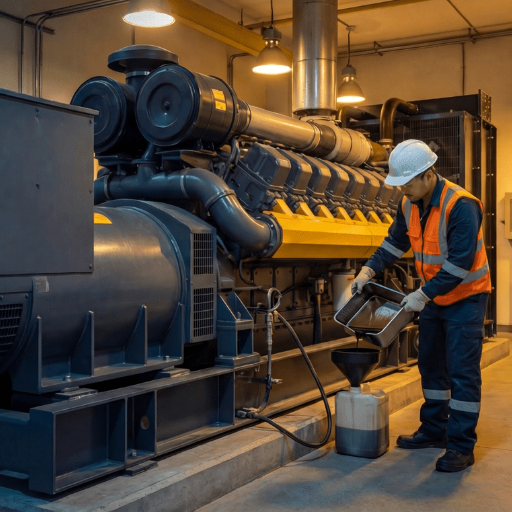
Maintenance in Dubai is not the same as maintenance in Detroit. Climate, air quality, and fuel quality change what fails and when.
High-Dust Environments
Mines, construction sites, and desert locations load air filters quickly. In these environments:
- Inspect air filters weekly.
- Double the replacement frequency compared with clean environments.
- Clean radiator fins more often to prevent overheating.
High-Humidity Climates
Tropical and coastal locations cause electrical corrosion and fuel microbial growth. A hospital generator in these regions needs extra protection.
- Inspect control panels and terminals for corrosion quarterly.
- Treat diesel with biocide and water dispersant.
- Keep fuel tanks as full as possible to reduce condensation.
Poor Fuel Quality Regions
Low-quality diesel may contain water, sulfur, or particulates.
- Install additional filtration if needed.
- Polish fuel before it enters the engine.
- Test fuel quality every 3–6 months.
Extended Storage
Generators idle for 6 months or more need special care.
- Run the unit monthly under load.
- Add fuel stabilizer if diesel is stored longer than 6 months.
- Exercise the battery charger and test battery voltage.
- Preserve the engine with fogging oil if storage exceeds 12 months.
Remote Monitoring and Predictive Maintenance
Modern diesel generator maintenance goes beyond wrenches and checklists. Sensors and analytics can predict failures before they happen.
IoT Sensors for Generator Health
Remote monitoring systems track:
- Engine oil pressure and coolant temperature
- Fuel level and battery voltage
- Run hours and start counts
- Vibration and exhaust temperature
These systems send alerts when readings drift outside normal ranges, reducing the need for routine site visits.
Oil Analysis as a Predictive Tool
Laboratory oil analysis detects:
- Metal particles that signal bearing or piston wear
- Coolant intrusion from a leaking head gasket
- Fuel dilution from incomplete combustion or injector leaks
Trending oil analysis over time is more valuable than a single sample.
Digital Maintenance Platforms
Digital logbooks help teams track service history, schedule upcoming maintenance, and store test records for AHJ inspections. They also support compliance documentation for NFPA 110 and insurance audits.
Building Your Spare Parts Inventory
The right spare parts on site can turn a multi-day outage into a two-hour repair.For a full stocking strategy matched to your engine brand, environment, and criticality, see our guide to building a generator spare parts inventory.
Critical Spares to Stock On-Site
- Engine oil and filters
- Fuel filters and water separator elements
- Air filters
- Belts and hoses
- Coolant
- Battery or battery set
- AVR and fuses
- Glow plugs or starting aids
What to Order As-Needed
- Alternator rewinds
- Turbochargers
- Injector pumps and injectors
- Major engine overhauls
- Control module replacements
OEM vs Aftermarket Parts
OEM parts guarantee fit, performance, and warranty compliance. Aftermarket parts can reduce cost for consumables such as standard hoses and belts, but critical components such as injectors, AVRs, and turbochargers should be OEM or approved equivalents.
Shandong Huali recommends keeping a site-specific spare parts kit based on the engine brand, operating environment, and criticality of the application. For remote mines or hospitals, a larger inventory is justified. For lightly used standby units, a smaller kit is enough.
Huali Diesel Generator Maintenance Support
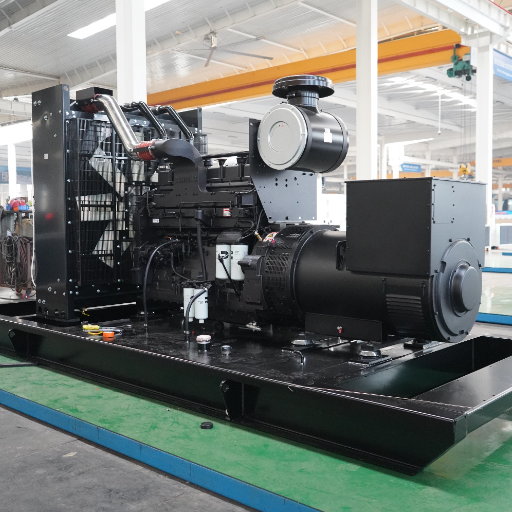
Shandong Huali Electromechanical has more than 25 years of experience manufacturing and supporting diesel generator sets from 8 kVA to 4,000 kVA. Our engines include Cummins, Perkins, Weichai, and Yuchai, paired with Stamford alternators and custom control systems.
We support clients in 20+ countries with:
- Factory acceptance testing and commissioning support
- Spare parts supply for Cummins, Perkins, Weichai, and Yuchai engines
- Technical documentation and maintenance training
- Remote monitoring integration
- After-sales service coordination
Our maintenance approach ties back to the full range of Huali power solutions, including industrial power solutions, standby power systems, and emergency power generators.
Need help with diesel generator maintenance? Contact Huali’s service team for a maintenance assessment, spare parts quote, or service schedule review.
FAQ
How often should a diesel generator be serviced?
Service a diesel generator every 6–12 months or every 250–500 running hours, whichever comes first. Standby units need calendar-based service even if hours are low.
What maintenance does a generator need?
Generators need oil and filter changes, fuel system checks, coolant system inspection, battery care, air filter replacement, ATS testing, and periodic load bank testing.
Why do generators fail?
Most generator failures are preventable. The leading causes are dead batteries, contaminated fuel, coolant leaks, clogged air filters, and neglected maintenance.
How long does a generator last?
With proper maintenance, a diesel generator can last 15,000–30,000 operating hours. Standby units often last 20–30 years.
What oil is used in diesel generators?
Use the oil grade specified by the engine manufacturer, typically a diesel-rated oil such as API CI-4 or CK-4. Viscosity depends on ambient temperature.
What is wet stacking?
Wet stacking is carbon and unburned fuel buildup caused by running a diesel generator under light load for long periods. It reduces performance and can damage the engine.
What is load bank testing?
Load bank testing applies a controlled electrical load to the generator to verify performance, burn off carbon deposits, and confirm cooling capacity.
How much does diesel generator maintenance cost per year?
Annual costs range from approximately $250 for small residential units to over $10,000 for large industrial systems. Key factors influencing costs include the kilowatt (kW) power rating, usage patterns, environmental conditions, and the type of contract.
Can I do generator maintenance myself?
Daily and weekly checks can be done by trained staff. Major service, oil analysis, and load bank testing should be performed by qualified technicians.
What spare parts should I keep on site?
Keep oil and fuel filters, air filters, belts, hoses, coolant, batteries, fuses, and an AVR. Critical applications should stock more, including injectors and turbochargers.
Conclusion
Diesel generator maintenance is not a cost. It is insurance against catastrophic failure. A standby generator that does not start when the grid fails is a liability, not an asset. The good news is that most failures are preventable with a clear schedule, a practical checklist, and regular load testing.
Follow the manufacturer’s service intervals, focus on batteries, fuel, and cooling, and document every test and repair. In harsh environments, increase inspection frequency. For critical facilities, invest in remote monitoring and predictive oil analysis.
Shandong Huali designs, builds, and supports diesel generator sets for industrial buyers worldwide. A disciplined diesel generator maintenance program is the best way to keep your backup power ready when it counts. Request a maintenance assessment or spare parts quote to get started.
