
At 3:17 a.m., the lights flickered in the ICU. Then they went out. Nurses reached for flashlights while monitors switched to internal batteries. In the operating room three floors down, a cardiac surgeon was closing a chest wall. The backup generator was supposed to start automatically. It did not. By the time utility power returned 23 minutes later, the hospital had diverted three emergency arrivals and launched a full incident review.
A generator for hospital use is not optional equipment. It is part of the Essential Electrical System (EES) that keeps patients alive, surgeries safe, and regulatory accreditation valid. When sized, installed, and maintained correctly, a hospital generator restores power within 10 seconds and runs for 96 hours or more. When it is undersized, misclassified, or neglected, the consequences reach far beyond inconvenience.
This guide explains how to choose, size, and source a generator for hospital applications. You will learn the difference between Life Safety, Critical, and Equipment branches, what Type 10 Level 1 Class 96 means in practice, how to calculate load with motor inrush, and what testing records surveyors expect to see for a generator for hospital use.
What Is a Generator for Hospital Use?
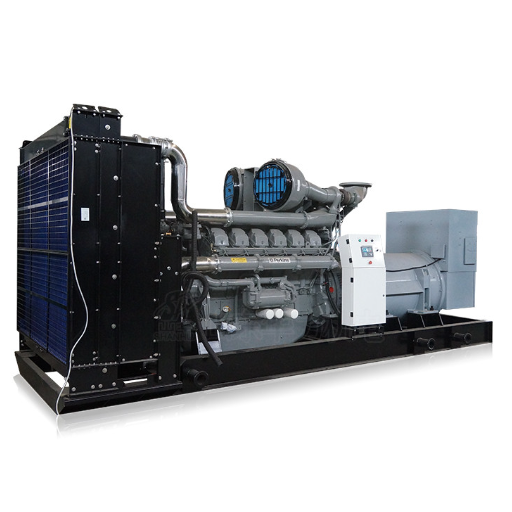
A generator for hospital use is an engine-generator set that serves as the alternate power source for a healthcare facility’s Essential Electrical System. It is not a general-purpose backup generator. It is classified as a Level 1 emergency power supply system under NFPA 110. Failure of a generator for hospital applications can result in loss of human life.
Hospital generators are normally specified as Type 10, Level 1, Class 96:
| Classification | Meaning |
|---|---|
| Type 10 | Power must reach rated voltage and frequency within 10 seconds of utility failure |
| Level 1 | Failure could cause loss of life or serious injury |
| Class 96 | Stored fuel must support 96 hours of operation at full load |
This combination is the baseline for hospital backup power in the United States and many other countries. A generator for hospital use must also coordinate with automatic transfer switches (ATS), uninterruptible power supply (UPS) systems for sensitive loads, and paralleling switchgear in larger facilities. Specifying Type 10 Level 1 Class 96 is the starting point for any critical healthcare installation.
For more on how standby power systems are structured, read our standby power system design guide.
Why Hospitals Need a Dedicated Backup Generator
Hospitals cannot shut down during a power outage. A generator for hospital use, commonly called a hospital backup generator, protects clinical operations, patient data, and regulatory standing. The consequences of failure extend far beyond inconvenience.
Patient Safety
Operating rooms, intensive care units, neonatal intensive care, and emergency departments rely on continuous power. A hospital backup generator keeps ventilators, infusion pumps, dialysis machines, and patient monitors running. Even a brief interruption can endanger lives.
Regulatory Compliance
Hospitals in the United States must meet CMS Conditions of Participation, NFPA 99, NFPA 110, NEC Article 517, and Joint Commission standards. Other countries have equivalent regulations. Without a compliant hospital backup generator, a facility can face fines, loss of accreditation, or closure.
Financial and Operational Continuity
A prolonged outage without a hospital backup generator forces evacuations, cancels surgeries, and spoils refrigerated medicines. The cost of a properly sized generator is small compared with the cost of even one day of disrupted operations.
Grid Instability and Disasters
Extreme weather, wildfires, infrastructure failures, and cyber incidents are increasing grid outages. On-site fuel storage and independent generator systems give hospitals autonomy when the broader grid is unreliable.
Hospital Essential Electrical System (EES) Branches
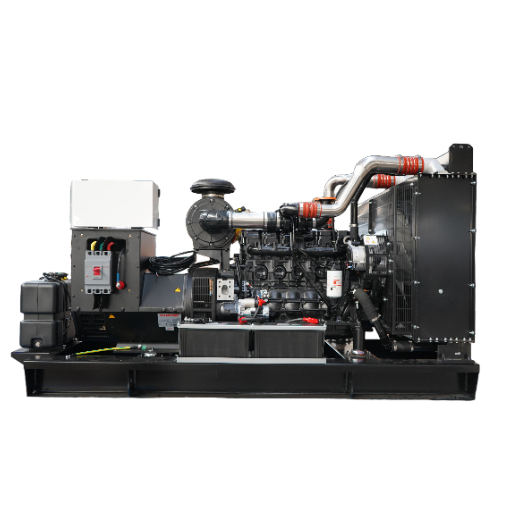
NFPA 99 divides hospital electrical systems into three branches within the EES. Each branch has distinct loads, transfer requirements, and ATS arrangements. The Type 10 Level 1 Class 96 generator for hospital use must be sized to carry all three branches simultaneously.
Life Safety Branch
The Life Safety Branch supplies emergency lighting, exit signs, fire alarm systems, emergency communications, and egress pathways. It must restore power within 10 seconds of utility failure.
Critical Branch
The Critical Branch powers patient care areas. It includes operating rooms, intensive care units, nurseries, emergency treatment areas, nurse stations, and medical equipment essential to patient care. It must also restore power within 10 seconds.
Equipment Branch
The Equipment Branch supports the mechanical and building systems required for hospital operations. It includes HVAC for critical areas, medical air compressors, vacuum systems, sewage pumps, and fuel transfer pumps. Transfer can be delayed briefly through automatic load-shedding sequences.
How Each Branch Affects Generator Sizing
A common mistake is adding only the critical branch load and ignoring the equipment branch. Chillers, pumps, and compressors have high motor inrush currents. The generator must accept all three branches at once or use staged automatic transfer to manage step loading.
| EES Branch | Typical Loads | Transfer Requirement |
|---|---|---|
| Life Safety | Egress lighting, fire alarms, emergency comms | ≤ 10 seconds |
| Critical | OR, ICU, patient care equipment, nurse stations | ≤ 10 seconds |
| Equipment | HVAC, medical air, vacuum, pumps | Delayed / sequenced |
Hospital Generator Codes and Standards
Specifying a generator for hospital backup power is one of the most regulated tasks in electrical design. Several standards work together to define performance, installation, and testing requirements.
NFPA 99: Health Care Facilities Code
NFPA 99 defines the Essential Electrical System and its three branches. It specifies which loads must be on emergency power, required transfer times, and the testing and maintenance program. It also categorizes electrical systems based on risk to patients.
NFPA 110: Emergency and Standby Power Systems
NFPA 110 governs the generator and its supporting systems. It classifies emergency power supply systems by Level, Type, and Class. For hospitals, the typical designation is Type 10 Level 1 Class 96. This Type 10 Level 1 Class 96 rating sets the transfer time, risk level, and fuel duration for a generator for hospital duty. The standard also requires routine testing and maintenance.
NEC Article 517: Health Care Facilities
The National Electrical Code Article 517 covers the installation of electrical systems in healthcare facilities. It addresses wiring methods, grounding, separation of EES branches, and coordination with NFPA 99.
CMS Conditions of Participation and Joint Commission
The Centers for Medicare & Medicaid Services (CMS) and The Joint Commission enforce emergency preparedness requirements. Surveyors check generator testing logs, fuel inventories, maintenance records, and load bank test reports. Documentation must be complete and current.
How to Size a Generator for Hospital Use
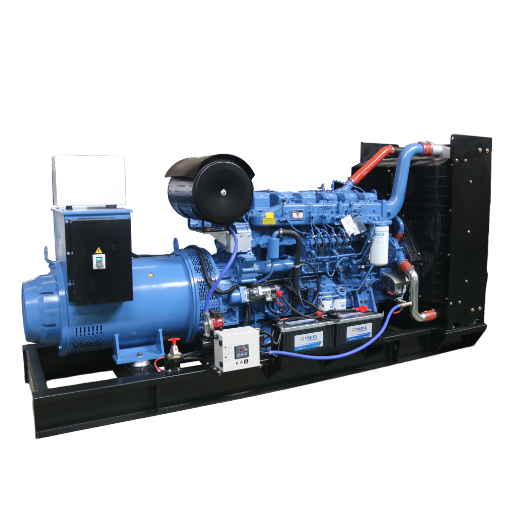
Hospital generator sizing is not guesswork. It requires a detailed load schedule, motor starting analysis, and careful application of diversity factors. A properly sized generator for hospital loads will carry all EES branches, accept motor inrush, and leave room for future growth.
Step 1: Build a Branch-by-Branch Load Schedule
Start hospital generator sizing by listing every load on the EES by branch. Include nameplate kW or kVA for lighting, receptacles, medical equipment, chillers, pumps, fans, UPS systems, and elevators. Separate continuous loads from intermittent loads.
Step 2: Apply Diversity and Demand Factors
Not every load runs at full power simultaneously. Hospitals typically apply diversity factors of 0.7 to 0.85 for EES loads. Life Safety loads may use higher factors because emergency lighting and alarms operate together during an outage.
Step 3: Account for Motor Inrush and Step Loading
Large motors in chillers, medical air compressors, and vacuum pumps draw 5–7 times their running current during startup. A 100 HP chiller motor can require more than 500 kVA of starting capacity. Generator alternators must be sized to keep voltage dip within limits, usually 15% for critical loads.
Step 4: Add Future Growth and N+1 Redundancy
Hospital generator sizing should include 20–25% for future expansion, load growth, and temperature or altitude derating. Critical facilities often require N+1 redundancy, meaning one extra generator is available if a unit fails or is out of service.
Step 5: Convert to kVA and Select Standard Rating
The final step in hospital generator sizing is to convert kW to kVA using a power factor of 0.8. Round up to the next standard generator size. For the underlying industrial method, see our guide on how to choose diesel generator size. Manufacturers offer standard ratings in 50 kVA increments at smaller sizes and 250–500 kVA increments at larger sizes.
Hospital Generator Sizing Example: 300-Bed Regional Hospital
The table below shows a realistic hospital generator sizing exercise for a 300-bed regional hospital. Connected load is reduced by a diversity factor, then motor inrush and a growth margin are added.
| EES Branch | Connected Load (kW) | Diversity Factor | Net Load (kW) |
|---|---|---|---|
| Life Safety | 120 | 0.90 | 108 |
| Critical | 680 | 0.85 | 578 |
| Equipment | 940 | 0.80 | 752 |
| Subtotal | 1,740 | — | 1,438 |
| Largest motor inrush kVA | — | — | +620 |
| 25% growth margin | — | — | +515 |
| Total required kVA | — | — | 2,573 |
| Selected rating | — | — | 2 × 1,600 kVA standby (N+1) |
A single 2,600 kVA unit could technically meet the load. However, N+1 redundancy for a regional hospital typically favors two 1,600 kVA generators with paralleling switchgear. If one generator fails, the remaining unit carries the most critical loads until repairs are completed.
Hospital Generator Sizing by Bed Count
The table below provides rough estimates for early hospital generator sizing. Exact sizing still requires a branch-by-branch load schedule.
| Beds | Life Safety (kW) | Critical (kW) | Equipment (kW) | Diversity | Net kW | Recommended kVA |
|---|---|---|---|---|---|---|
| 50–100 | 40–80 | 80–150 | 100–200 | 0.80 | 180–350 | 250–500 |
| 150–300 | 80–150 | 200–400 | 250–500 | 0.80 | 420–800 | 600–1,250 |
| 400–600 | 120–200 | 400–700 | 500–900 | 0.75 | 800–1,350 | 1,250–2,000 |
| 700+ | 200–300 | 800–1,200 | 1,000–1,500 | 0.75 | 1,500–2,250 | 2,500–4,000 |
These ranges assume mixed medical and surgical beds with standard imaging and HVAC loads. Specialty hospitals with MRI, cardiac catheterization labs, or research facilities may require significantly more capacity.
Hospital Backup Generator Fuel Type and Storage
Diesel
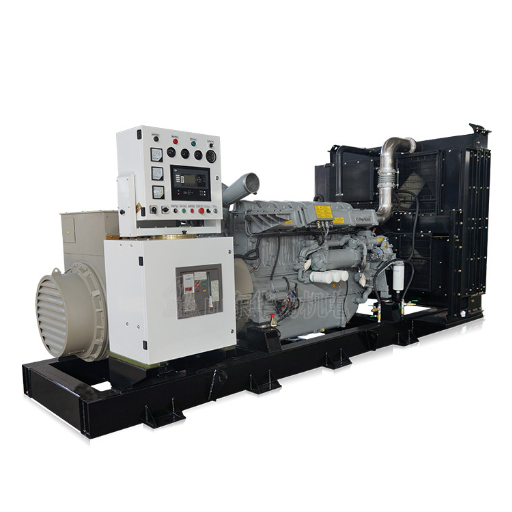
Diesel is the dominant fuel for a generator for hospital use. It stores on site, starts quickly, and is widely available. A hospital backup generator running diesel can reach full power in 10–15 seconds. The main concerns are emissions, fuel degradation, and the need for periodic polishing and tank maintenance.
Natural Gas and Propane
Natural gas generators burn cleaner and avoid bulk fuel storage. However, pipelines can be shut off during earthquakes, hurricanes, or infrastructure failures. For this reason, many hospitals do not rely on natural gas as the sole fuel for a generator for hospital backup. Propane is common for smaller clinics and remote facilities.
HVO and Renewable Diesel
Hydrotreated vegetable oil (HVO) and renewable diesel are drop-in replacements for conventional diesel. They reduce net carbon emissions and can be used in many existing diesel engines. Hospitals with sustainability targets increasingly specify HVO-compatible generators.
Hybrid BESS + Generator Systems
A battery energy storage system (BESS) can cover brief outages entirely and reduce generator runtime during short events. When paired with solar, a BESS+generator system forms a microgrid that lowers fuel use and emissions while maintaining long-duration backup.
96-Hour Fuel Rule and 133% Reserve
Fuel storage for a generator for hospital use is governed by NFPA 110 Class 96. The rule requires enough stored fuel for 96 hours of operation at full load. Many authorities also require 133% of the calculated fuel volume to account for leaks, contamination, and access delays during disasters.
A hospital with a 1,000 kW diesel generator consuming roughly 250 liters per hour at full load needs approximately 32,000 liters for 96 hours, plus reserve. That volume is standard for a generator for hospital Class 96 compliance.
Key Hospital Generator Specifications
The specifications below define how a generator for hospital duty performs under real clinical conditions. They cover engine and alternator selection, transfer switching, paralleling, monitoring, and site constraints.
Engine and Alternator Requirements
A generator for hospital duty needs a reliable engine with fast starting and a stable governor. Common engine brands include Cummins, Perkins, Weichai, and Yuchai. Alternators should be brushless with low subtransient reactance to manage motor inrush. Stamford, Leroy-Somer, and Marathon alternators are widely used.
Automatic Transfer Switches (ATS) per Branch
Each EES branch typically has its own ATS. The Life Safety and Critical branches transfer within 10 seconds. The Equipment branch may transfer with a programmed delay to reduce simultaneous starting load on the generator for hospital use.
Paralleling and N+1 Redundancy
Large hospitals use multiple generators with paralleling switchgear. This provides N+1 redundancy and allows load sharing. If one generator fails, the remaining units continue to power critical loads.
Remote Monitoring and Alarm Systems
Modern hospital generators include remote monitoring for status, alarms, fuel level, battery condition, and running hours. Integration with the building management system or a dedicated generator monitoring platform allows facilities staff to respond quickly.
Enclosures, Acoustics, and Emissions
Hospital generators are often installed near patient areas. Sound-attenuated enclosures keep noise below local limits. Emissions controls may be required to meet environmental regulations, especially in urban locations.
Testing and Maintenance Requirements
A hospital backup generator must be tested regularly to ensure it will perform during an actual outage. Every generator for hospital use needs documented monthly runs, load bank tests, fuel care, and maintenance records. Documentation is critical for Joint Commission and CMS surveys.
Monthly Loaded Run Tests
NFPA 110 requires monthly testing of a hospital backup generator under load for at least 30 minutes at not less than 30% of nameplate kW. The ATS must also be exercised monthly under load conditions.
Annual and Triennial Load Bank Testing
At least once every 36 months, a hospital backup generator must undergo a continuous test at full anticipated emergency load for a minimum of 4 hours. Annual load bank testing is common practice to prevent wet stacking and verify cooling and alternator performance.
Fuel Polishing and Tank Maintenance
Diesel fuel degrades over time. Water, microbial growth, and sediment can clog filters and damage injectors. Fuel polishing systems filter and condition fuel. Tank inspections and sampling should occur annually.
Documentation for Joint Commission Surveys
Facilities must maintain complete records of all tests, maintenance, repairs, fuel deliveries, and inspections. Surveyors will ask for these documents. A missing test log can result in a finding even if the generator itself is in perfect condition.
For more on maintenance best practices, read our diesel generator maintenance guide.
Buying a Generator for Hospital from a Chinese OEM
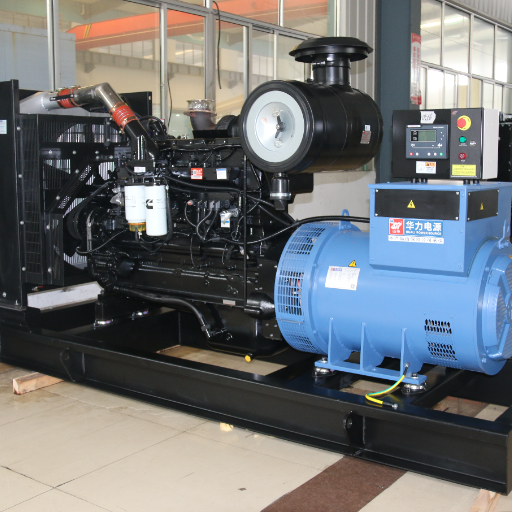
Procuring a generator for hospital use from a Chinese OEM such as Shandong Huali Electromechanical Co., Ltd. gives you hospital-grade generator sets with global engine brands, factory-direct pricing, and full customization.
What to Look For
When you source a generator for hospital projects, verify the following. Huali’s hospital and healthcare industry page shows typical configurations and reference projects.
- ISO 9001 and ISO 14001 certification
- In-house test center capable of full-load factory acceptance testing (FAT)
- Engine partnerships with Cummins, Perkins, Weichai, or Yuchai
- Customization for voltage, frequency, sound enclosure, ATS, and paralleling controls
- Track record in healthcare and hospital projects
- Export experience with documentation for destination country codes
- Spare-parts availability and technical support network
Typical Lead Times
- Standard hospital generator sets: 6–8 weeks
- Customized systems with sound enclosures: 10–12 weeks
- Containerized or paralleled high-voltage plants: 12–16 weeks
Cost Advantage
Factory-direct procurement can reduce equipment cost by 25–40% compared with distributor or local integrator pricing. Hospitals can reinvest these savings in installation, commissioning, spare parts, training, and maintenance contracts for their generator for hospital use.
Generator for Hospital FAQs
What size generator does a hospital need?
A 200-bed hospital typically needs 400–750 kVA. A 300-bed regional hospital may need 1,000–1,600 kVA. Exact sizing requires a branch-by-branch load schedule with motor inrush analysis.
How long does a hospital generator have to start after a power outage?
The Life Safety and Critical branches must restore power within 10 seconds under NFPA 110 Type 10 requirements. The Equipment branch may transfer after a short programmed delay.
What does Type 10 Level 1 Class 96 mean?
Type 10 Level 1 Class 96 is the standard designation for a generator for hospital emergency power under NFPA 110. Type 10 means power is available within 10 seconds. Level 1 means failure could cause loss of life. Class 96 means the system can run for 96 hours on stored fuel.
Can one generator power all three EES branches?
Yes, if it is sized for the total load and each branch has its own ATS and distribution. Separation occurs at the ATS, not the generator.
What is the difference between the Life Safety branch and the Critical branch?
The Life Safety Branch powers egress lighting, fire alarms, and emergency communications. The Critical Branch powers patient care areas such as operating rooms and ICUs.
How often must a hospital generator be tested?
NFPA 110 requires monthly loaded run tests of at least 30 minutes at 30% load, plus ATS exercise. A full 4-hour load bank test is required at least once every 36 months.
What fuel do hospital generators use?
Diesel is the most common fuel for a hospital backup generator because it stores on site and starts quickly. Natural gas, propane, HVO, renewable diesel, and hybrid BESS+generator systems are also used.
How much fuel should a hospital store?
Class 96 requires 96 hours of fuel at full load. Many authorities require 133% of that calculated volume as a reserve.
What codes apply to hospital generators?
Key standards include NFPA 99, NFPA 110, NEC Article 517, CMS Conditions of Participation, and Joint Commission requirements.
What are the benefits of buying a generator for hospital use from a Chinese OEM?
Factory-direct procurement reduces cost by 25–40% while providing Cummins, Perkins, Weichai, or Yuchai engines, customization, FAT, and global delivery.
Conclusion
The right generator for hospital use protects patients, preserves accreditation, and keeps operations running through grid failures. A hospital backup generator is the last line of defense when utility power disappears. Start by mapping the three EES branches and their loads. Size the generator for simultaneous branch operation, motor inrush, diversity, growth, and N+1 redundancy where required. Choose fuel and runtime based on local risks and sustainability goals. Then build a disciplined testing and maintenance program so the system is ready when seconds matter.
At Shandong Huali Electromechanical Co., Ltd., we design and manufacture hospital generator sets from 8 kVA to 4,000 kVA. We offer diesel, gas, HVO-compatible, and hybrid configurations with Cummins, Perkins, Weichai, and Yuchai engines. We provide OEM/ODM customization, ISO-certified testing, witnessed FAT, and global delivery.
If you are planning a new hospital or upgrading your backup power, request a hospital generator assessment. Our engineers will size a generator for hospital use that matches your Essential Electrical System. For an end-to-end view of integrated power projects, see our overview of industrial energy solutions.
