
Guest service represents the heartbeat of hospitality that must never be interrupted. Whether handling late-night check-ins or powering essential amenities during unannounced blackouts, hotels must be ready to deliver at all times. Quality generator systems ensure that guest satisfaction and operational efficiency remain intact. This comprehensive guide analyzes why reliable power backup solutions are essential for hotels, their advantages, and how they maintain continuous service even during power interruptions.
Understanding the Importance of Backup Power for Hotels
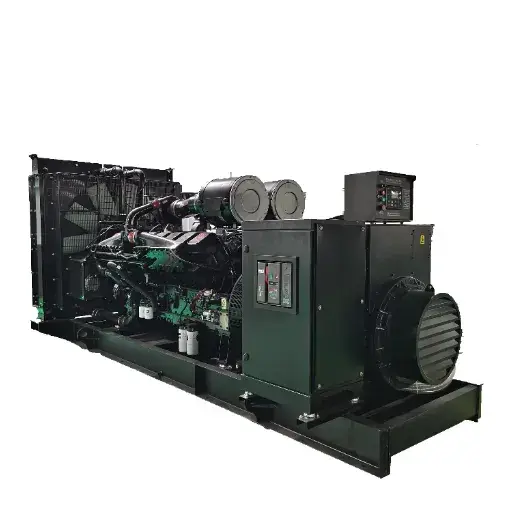
Why Hotels Need Reliable Backup Power
Hotels require reliable backup power to maintain operations during unexpected power outages. Guests expect uninterrupted access to services such as lighting, climate control, and elevator access. A power outage can quickly create discomfort, lead to guest dissatisfaction, compromise safety, and damage a hotel’s reputation. When hotels utilize backup generators or power systems, they can maintain not only lighting and climate controls but also positive guest experiences in every situation.
Power cuts may disrupt communication systems, electronic locks, and reservation platforms—all crucial operations in hotels. Without power, hotels experience operational chaos as staff cannot access important systems needed to manage bookings and address guest inquiries. Only with a reliable power source can hotels eliminate such disruptions, which would otherwise lead to financial losses and operational setbacks.
Key Insight: The presence of reliable backup power demonstrates a hotel’s commitment to safety and preparedness. Power supply interruptions can result from severe weather, grid failure, or unexpected incidents. Hotels with backup resources easily avoid leaving guests in darkness or delaying emergency measures. Such preparedness not only guarantees safety but also makes guests feel more comfortable and encourages future rebooking. Reliable backup power is not merely a luxury—it’s an integral part of professional hotel management.
Impact of Power Outages on Guest Experience
Power outages are among the primary factors causing significant disruptions in hotel operations, potentially resulting in guest dissatisfaction, complaints, and reputational damage. The following are five main effects of power outages on guest experience:
1
Disruption of Essential Services
Most guests expect constant access to basic services like lighting, air conditioning, elevators, and room facilities during their stay. The American Hotel & Lodging Association confirms that 69% of hotel guests consider unbroken access to comforts as a major factor in their accommodation choice.
2
Food Safety and Dining Experience
Electrical failure may disrupt refrigeration units, causing food spoilage and halting dining services. The National Restaurant Association’s analysis shows a 35% increase in food-related complaints during power outage periods.
3
Safety Concerns
During power outages, guests may feel unsafe in darkness or when security systems are non-functional. Data shows that 74% of travelers consider safety the most important factor when selecting a hotel, and problems arising from power outages can quickly erode trust in a hotel’s preparedness.
4
Interference with Business Activities
Many guests, particularly business travelers, rely heavily on hotels for uninterrupted Wi-Fi and power-dependent facilities like conference rooms. Research indicates that approximately 62% of business travelers are reluctant to rebook a hotel if they experienced connectivity problems during their previous stay.
5
Negative Online Reviews and Reputation Damage
Dissatisfied guests often turn to the internet to share their experiences, gradually damaging the hotel’s reputation. TripAdvisor studies indicate that more than 80% of vacationers consider online reviews when selecting accommodations, and among negative reviews, one out of five is associated with service interruptions like power outages.
Solution: Hotels can avoid these negative consequences by addressing problems proactively, implementing reliable backup power solutions, and guaranteeing guest satisfaction and long-term loyalty.
Power Solutions in the Hospitality Industry
Power reliability plays a key role in the hospitality sector for maintaining smooth operations and guest comfort. Hotels can employ different solutions to ensure disruptions don’t affect them. One highly effective solution is the installation of backup generators. Generators offer instant power for all systems—including lighting, HVAC, and communication—to continue functioning even during outages. Backup generators provide an economical way of delivering uninterrupted services and preventing power outages from negatively affecting guest experiences.
Another approach involves implementing uninterruptible power supply (UPS) systems. UPS systems serve as a bridge during power failures until backup generators activate, guaranteeing no data loss and continuing operation of vital technologies. Their usage is particularly advantageous in critical areas such as reservation systems, security controls, and guest Wi-Fi. The temporary power provided by UPS systems can significantly reduce downtime and improve overall operational resilience.
Moreover, investing in energy management systems can significantly help hotels track and optimize their power consumption. These systems not only make energy usage more efficient but also identify areas in power infrastructure likely to fail. When hotels combine energy management with renewable energy sources such as solar panels, they reduce costs by decreasing grid dependence while contributing to sustainability goals. By adopting these power solutions, hotels provide reliable and consistent services while supporting long-term growth and environmental stewardship.
Types of Generators for Hotels
Diesel Generators vs. Natural Gas Generators
Diesel generators are renowned for their efficiency, durability, and safety, while natural gas generators are cleaner, quieter, and benefit from consistent fuel supply. The following comparison table provides detailed insights:
Benefits of Mobile Generators for Temporary Needs
Mobile generators are versatile and reliable power sources for various temporary needs in the hospitality industry. Five main advantages of mobile generators include:
- ✓
Quick Deployment
Mobile generators feature quick installation and convenient transport. They suit urgent power requirements during maintenance, repairs, or sudden outages, leading to minimal hotel operations downtime. - ✓
Cost-Effectiveness
Mobile generators are usually less costly than installing permanent power sources for short-term needs. Renting or leasing generators allows hotels to avoid fixed capital costs associated with permanent installations. - ✓
Flexibility for Events
When hosting events like conferences, weddings, or outdoor gatherings, hotels likely need additional power. Mobile generators easily meet extra electricity demands for lighting, sound systems, and catering, enhancing guest experiences. - ✓
Reliable Backup During Emergencies
Power outages from storms, grid failure, or other emergencies can occur with little warning. Mobile generators provide reliable backup power, guaranteeing continued hotel operations, keeping guests comfortable, and preventing business losses. - ✓
Scalability and Versatility
Available in different capacities and sizes, mobile generators allow hotels to select options that best serve their needs. They can be easily transported from one spot to another on the property or to different sites, matching changing power requirements with maximum flexibility.
By utilizing mobile generators, hotels minimize service interruptions, improve cost-effectiveness, and enhance guest satisfaction.
Choosing the Right Generator for Your Hotel
The generator selection process for hotels begins with evaluating the property’s power needs in detail. Identify elements requiring power supply during outages, including lighting, heating/cooling systems, cooking appliances, and guest services as basic priorities. Once you understand the overall power load, you can purchase a generator that handles peak demand without paying for unnecessary capacity, thus economizing.
Next, consider the generator type that best suits the hotel’s needs. For instance, if the hotel’s location offers a choice between diesel and natural gas, you might select diesel based on efficiency and maintenance cost considerations. Also, ensure the generator conforms to local laws and emissions standards, since environmental responsibility is an important consideration.
Finally, consider mobility and extra features the generator provides. If your hotel hosts outdoor events or requires power in different areas at different times, then a mobile generator could be the best option. Also look for features such as remote monitoring, easy installation, and noise control to make overall usage more convenient. Selecting wisely means your hotel is best prepared for emergencies while maintaining operational efficiency and guest satisfaction.
Designing a Backup Power System
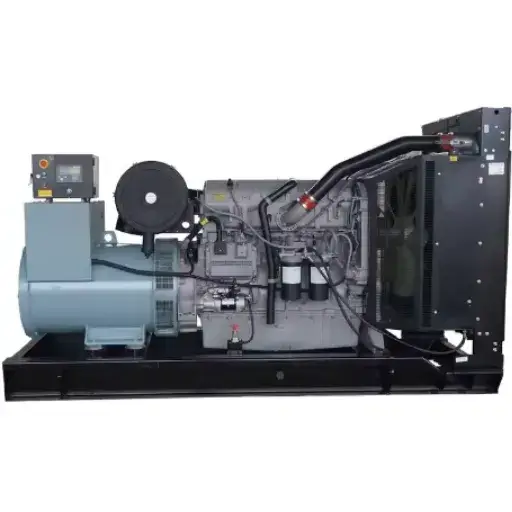
Assessing Power Needs for Different Hotel Sizes
Understanding power necessities is one of the most important factors in creating an efficient and effective backup power system for hotels of all sizes.
Small/Boutique Hotels
Limited rooms with few services may require generators supporting basic lighting, HVAC, and essential appliances. Power consumption is typically lower, necessitating compact and affordable solutions.
Mid-Sized Hotels
With more facilities such as restaurants, conference rooms, and pools, these hotels need higher capacity generators. Calculate peak loads based on total square footage and guest numbers, adding buffers for emergency scenarios.
Large Hotels/Resorts
Properties with banquet halls, spas, fitness centers, and multiple dining establishments require huge capacity generators handling heavy loads. Redundancy in backup systems is crucial for both scheduled and unexpected outages.
Using modern tools such as energy monitoring systems coupled with advanced software, hotels can accurately estimate load requirements and make the right generator choices. Employing such data-driven solutions together with knowledge of hotel size-specific requirements guarantees operational reliability and cost-effectiveness in every case.
Generator Services and Installation Considerations
⚠️ Critical Installation Considerations
During generator installation, evaluating the building’s power needs is crucial to ensuring the chosen generator performs its function effectively. Conducting a thorough load analysis is required to determine power needs for normal operations as well as peak use cases.
Situations requiring backup power sources must be capable of supporting critical systems such as HVAC, lighting, and security without interruption. The fuel type—whether diesel, natural gas, or propane—also influences selection and is a vital factor to consider, as it impacts cost, availability, and environmental regulations.
Moreover, the generator’s placement location significantly impacts its operation and reliability. Generators should be installed on stable and level ground in locations with minimal weather exposure while ensuring proper ventilation. Observing local building codes and zoning regulations is extremely important throughout the entire process. Factors such as distance to living areas (to reduce noise) and convenience of access for maintenance personnel should not be overlooked. The automatic transfer switch makes immediate power transfer possible during power failures by providing reliable connection between the generator and critical systems.
Modern monitoring systems improve generator performance by supplying real-time data concerning operational metrics and possible issues. Adopting smart technology enables facility managers to monitor performance remotely and plan preventive maintenance efficiently. These systems, together with the latest developments in energy efficiency, not only help reduce downtime and energy costs but also conform to sustainability goals. Through careful planning and leveraging these insights, businesses can ensure their generator installations meet both current and future power requirements efficiently.
Regular Maintenance and Monitoring of Generators
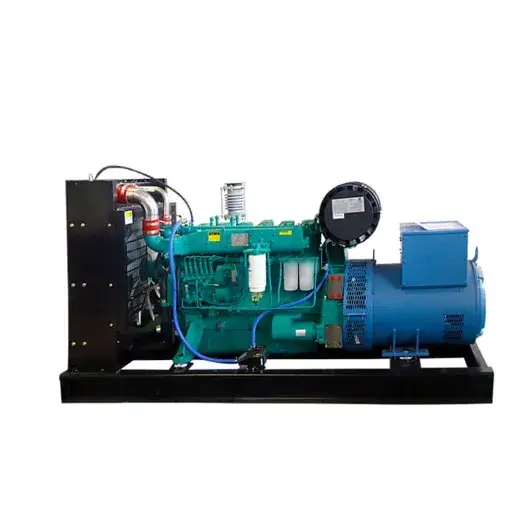
Importance of Regular Maintenance for Reliable Operation
Performing regular maintenance activities is necessary to keep generators running consistently and efficiently. Wear and tear eventually causes machines to suffer from various operational problems like reduced fuel efficiency, unplanned stoppages, and expensive repairs. Regular inspections provide opportunities for checking cooling systems, filters, belts, and batteries for replacement and constant monitoring, which is one way to prevent performance-related issues from escalating into major ones. By addressing these issues proactively, the generator’s power supply during emergencies is secured and the equipment’s total lifespan is increased.
🔧 Key Maintenance Benefits
- Reduced Downtime: Preventive maintenance programs including load testing, fuel conditioning, and oil analysis significantly lower the chances of power failures.
- Enhanced Efficiency: Load testing ensures generators can operate under actual conditions without failure.
- Fuel Quality Management: Treatment and monitoring of fuel quality prevent clogging and degradation—main causes of inefficient performance.
- Warranty Protection: Aligning with manufacturer and industry standards ensures compliance and extended warranty coverage.
Moreover, using advanced monitoring technology as part of maintenance practices strongly contributes to generator reliability. IoT-based systems provide operators access to real-time data on temperature, oil pressure, and generator load. This predictive method permits timely intervention, thus minimizing the possibility of unplanned issues. Additionally, detailed records of maintenance activities facilitate better planning and guarantee that no vital maintenance interval is overlooked. Regular maintenance not only ensures smooth generator operation but also contributes to corporate sustainability objectives by reducing emissions and conserving fuel.
Monitoring Systems for Backup Generators
The presence of dependable backup generator monitoring systems and swift issue resolution are vital factors for every power generation operation’s success. Generators should be regularly monitored through an array of key operational indicators, including fuel level, oil pressure, battery charge, and engine temperature. Real-time data allows generator operators to determine operation status and recognize any irregularities that, if not fixed, may lead to malfunction. Furthermore, advanced systems feature remote monitoring, which users can access through mobile devices or computer interfaces—a great advantage especially for sites with multiple backup generators located at different places.
Advanced Monitoring Features
📊 Predictive Analytics
Algorithms utilize historic and current data to spot trends and predict potential faults before they become bigger problems.
🔔 Real-Time Alerts
Notification systems send text or email alerts to technicians when problems are detected, enabling timely intervention.
📱 Remote Access
IoT technologies enable monitoring from anywhere via mobile devices or computers for maximum flexibility.
📝 Comprehensive Reporting
Detailed records of operational metrics, maintenance schedules, and emission levels ensure regulatory compliance.
Monitoring operating conditions enables full capacity utilization while minimizing environmental impact, since fuel spills or inefficient fuel use can be avoided through real-time monitoring. Moreover, improved reporting functions help companies easily comply with authorities by producing detailed records of operational metrics, maintenance schedules, and emission levels. This blend of tech-driven insights and seamless management not only enhances backup generator lifespan and performance but also fits perfectly with modern energy-efficient and green practices. Through commitment to resourceful monitoring solutions, companies can maintain power supply and safeguard essential activities under any circumstance.
Preparing for Seasonal Demands in Hospitality
The hospitality sector is cyclical in nature, where seasons greatly influence hotel and restaurant operations, management, and customer experiences. A strategic approach requiring careful planning, prediction, and eagerness to change is needed to meet the peaks and valleys throughout the year. By analyzing booking rates, average spending, and regional tourism patterns, businesses can forecast when peak times occur and prepare with proper staffing and resources. Overall preparations give establishments the chance to cope with extra guests in a manner ensuring service quality remains consistent even during the busiest times.
A very important factor in preparing for seasons is workforce management. Operations can be conducted flexibly when full-time staff and temporary or part-time workers are employed optimally. Advanced scheduling software helps avoid both understaffing and overstaffing during peak activity hours by planning shifts effectively. Besides that, proper training of seasonal employees ensures all workers know their roles and provide good customer service. A strong, well-trained workforce contributes to delivering outstanding hospitality, resulting in satisfied clients and positive reviews.
Additionally, technology use is one of the most important factors in the hospitality business during high seasons to operate at peak efficiency and provide the best service. Revenue management software allows companies to vary pricing strategies according to forecasted demand, while digital advertising can reach the right customers with appropriate promotions at the right time. Automation, self-service check-ins, and similar tools can be implemented to reduce staff workload and minimize waiting times. Ultimately, by joining all these proactive strategies, hospitality firms can not just survive but truly prosper through the ups and downs of seasonal demand, creating better guest experiences and resulting in lasting customer loyalty.
Case Studies: Successful Implementation of Backup Power Solutions
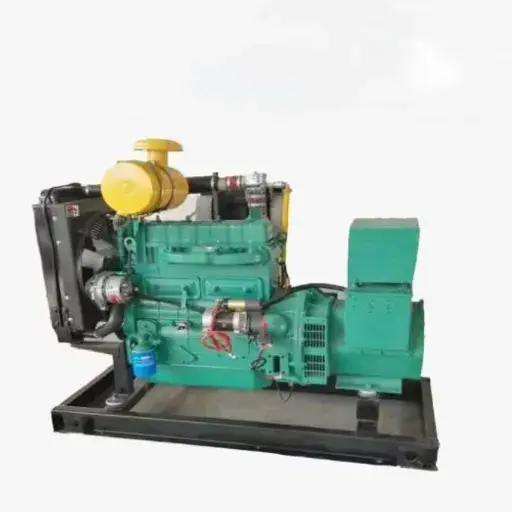
Hotels That Successfully Managed Power Outages
Power outages have been mastered by some hotels through the installation of excellent backup power solutions and establishment of contingency plans. The following case studies demonstrate successful implementations:
🏨 Luxury Hotel – Miami
A luxury hotel in Miami installed large diesel generators to withstand hurricane and blackout seasons. During the 2022 hurricane, power remained continuous as generators maintained the hotel’s HVAC systems and other essential services for guests. The guests’ experience was protected, and the hotel received positive reviews highlighting its preparedness as a factor of superior hotel service.
🌿 Mid-Range Hotel Chain – California
A mid-range hotel chain in California implemented a mix of solar and battery storage plus traditional generators to cope with power grid unpredictability brought about by wildfires. This method worked exceptionally well—they maintained operations through several power cuts in 2023 while shrinking their carbon footprint, thus gaining favor with environmentally conscious travelers.
⛰️ Remote Motel – Montana
Hotels situated in far-flung locations where power interruptions can be very unpredictable have also adopted new solutions. A Montana motel installed a state-of-the-art microgrid using both solar and wind energy resources. The hotel completely coped with power cuts, providing not only guest safety and comfort but also setting a standard for environmentally friendly energy practices in the industry.
These cases validate that the hospitality sector should implement energy solutions that are adaptable and incorporate forward-thinking concepts to lessen the impact of power interruptions.
Innovative Solutions in Resort Generators
Progressive generator systems have become increasingly essential in improving energy resilience for resorts, particularly those situated in isolated or eco-sensitive locations. Modern resorts are gradually adopting hybrid generator systems that fuse renewable energy sources like solar panels and small-scale wind turbines with traditional backup generators. This method not only rules out power lack during crises but also greatly cuts down fossil fuel dependence.
Resorts are also making use of battery storage technologies, along with real-time energy management systems, to better optimize energy usage and enhance operational efficiency. Smart generators with IoT (Internet of Things) facilities help resorts track power usage, forecast energy demands, and identify problems that might occur in the future, solving them before operations are interrupted. For instance, predictive system maintenance can be implemented in such a way that it causes very little downtime while keeping repair costs low.
Not only have resorts won the battle for energy security by bringing sustainable energy projects and sophisticated generator technologies together, but they have also won over consumers who are increasingly demanding eco-friendly practices. This transition has pointed out the role of innovation in powering the hospitality industry with more reliable and sustainable methods.
Lessons Learned from Backup Power Failures
Backup power failures can have significant impact, especially in sectors where energy supply is of utmost importance. Various case studies and analyses have pointed out key lessons:
📚 Critical Lessons
- Regular Maintenance and Testing: Routine maintenance and testing of backup systems should be done to keep them ready for emergencies. Many failures result from test schedules not properly maintained or problems such as fuel contamination, battery degradation, or mechanical wear in generators.
- Power Source Diversification: When power from multiple sources is diversified, the risk of single-point failures is reduced. Dependence on one system or source makes entire operations prone to risks; integrating renewable energy systems, for example solar panels along with energy storage, can make systems more reliable.
- Strong Monitoring Technology: Faults can be very quickly detected by real-time alerts and diagnostics, allowing quick corrective actions to be applied. Advanced energy management systems powered by data analytics can help predict possible failures, thus making downtime and financial losses lesser through timely intervention.
- Staff Training and Preparation: Practice scenarios and having clear procedures in place give teams the confidence to handle disruptions, ensuring responses are quick and organized. When these strategies are adopted, backup power reliability is strengthened while operational flow during critical periods is kept uninterrupted.
Frequently Asked Questions (FAQ)
❓ What does a hotel backup generator mean and why is it so important in case of power cuts?
In a hotel, a backup generator is a commercial generator or standby power unit meant to power hotel systems during a power outage without interruption. The generator provides power continuously during blackouts for lighting, air conditioning, emergency elevators, kitchen equipment, fire alarms, and emergency backup services, which ultimately means guests will not be disturbed, safety is maintained, and hotel operations remain efficient.
❓ How do hotels figure out the standby generator output power and size?
To assess hotel backup power needs, it is necessary to itemize critical loads and calculate total power output needed. Depending on budget and operational priorities, generators can be sized to only support essential systems or provide power for the whole hotel. An expert should determine guest accommodation capacity, specific property needs, and then suggest generator options that will supply reliable and uninterrupted power.
❓ What is the distinction between standby generator and uninterrupted power supply specifically for a hotel?
A standby generator is a commercial generator powered by fuel, which automatically starts to provide standby power when utility power goes out. An uninterrupted power supply (UPS) supplies power long enough for sensitive electronics to work until the generator reaches full power. The combination of a UPS with a hotel backup generator creates effective emergency power and assured solutions for both immediate and prolonged outages.
❓ How does the transfer switch work in a hotel backup generator system?
Transfer switches monitor utility power supply and switch to the standby generator during power cutoff—switching usually happens in seconds. This means guests and staff hardly notice the power interruption, and electrical circuits for fire alarms, security, and medical or life-safety equipment do not lose power.
❓ What are the maintenance requirements for hotel backup generators to be reliable?
Power quality depends on regular generator maintenance. Infrared inspections, load bank testing, oil and filter changes, fuel quality checks, and exercising the generator under load are some preemptive measures to prevent failure. A maintenance plan appropriate for the hotel’s size and usage promotes uninterrupted power supply and prolongs equipment life, thus keeping guest satisfaction and operational efficiency high.
❓ What are the typical fuels used in commercial generators in hotels and how does that affect their reliability?
The most common fuel types are diesel, natural gas, and bi-fuel. Diesel generators have high power output and are used frequently in large hotels requiring strong backup power, whereas natural gas generators automatically receive fuel through utility power lines, thus providing clean and stable power. The decision is based on local infrastructure, backup power needs, and the reliability of the solution for emergency situations.
❓ Is a hotel backup generator capable of powering an entire hotel, or is it better to run just essential services?
Both approaches can be adopted. If only essential systems are powered, the generator’s size and price will be less, and guest safety and survival of core operations will be ensured. On the other hand, if the generator is sized to run the whole hotel, there will be total operational continuity resulting in guests being always comfortable and served. Hotel management must consider cost, guest satisfaction, and operational efficiency when making decisions about backup power supply extent.
❓ What should large hotels consider when choosing generator solutions to satisfy their backup power needs?
Large hotels should consider load diversification, redundancy, scalable power output, zoning for important vs. non-important loads, fuel storage, and local code compliance. Investing in reliability, installing multiple standby generators, automatic transfer systems, and comprehensive maintenance plans would guarantee the power needed with minimal interruptions for staff and guests during sudden power outages.
Final Thoughts
Implementing reliable backup power solutions is no longer optional for hotels—it is a fundamental requirement for maintaining operational excellence and ensuring guest satisfaction. From protecting essential services during emergencies to demonstrating commitment to safety and preparedness, backup generators play an irreplaceable role in modern hospitality management. By carefully assessing power needs, selecting appropriate generator types, maintaining systems diligently, and embracing innovative technologies, hotels can guarantee uninterrupted service delivery regardless of external circumstances. The investment in quality backup power infrastructure not only safeguards against revenue loss and reputational damage but also positions hotels as responsible, guest-focused establishments ready to meet the challenges of an increasingly unpredictable power landscape.
