
A power outage can last minutes or days. When it stretches on, the right emergency generator keeps your refrigerator cold, your sump pump running, and your family safe. The challenge is choosing one. Dozens of models compete for your budget, and the wrong size or fuel type can leave you without power when you need it most.
This guide compares the best emergency generators for home use in 2026. We cover standby, portable, inverter, and battery-powered options, with specs, price bands, and clear “best for” recommendations. In addition, you will learn how to calculate the size you need, how to run a generator safely, and what features matter most this year.
What Is an Emergency Generator?
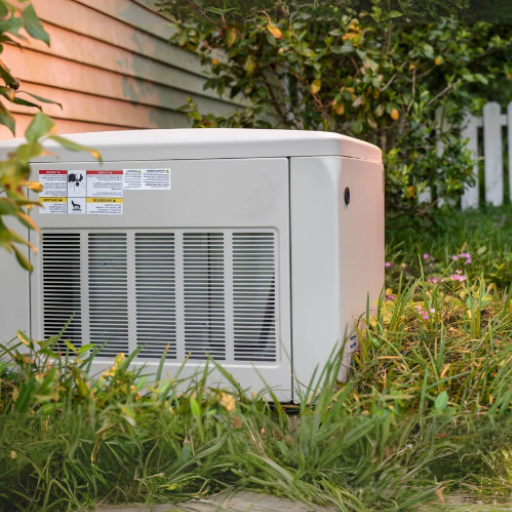
An emergency generator is a backup power source that supplies electricity to a home when the utility grid fails. It converts fuel (gasoline, propane, natural gas, or diesel) into electrical power, or draws energy from a built-in battery. Homeowners use emergency generators to keep essential loads running during outages, including refrigerators, heating and cooling systems, lights, medical devices, and well pumps.
Emergency generators fall into two broad groups. Standby units install permanently outside your home and start automatically within seconds of an outage. Portable and inverter units store in a garage or shed, and you roll them out, fuel them, and start them by hand. A third option, the portable power station, uses rechargeable batteries instead of fuel and runs silently indoors. Together, these options make up the broader category of emergency power systems for residential use.
How an Emergency Generator Works During an Outage
A fuel-burning emergency generator converts chemical energy into electricity through four steps. The engine burns gasoline, propane, natural gas, or diesel to create mechanical rotation. The alternator then converts that rotation into alternating current. A voltage regulator holds the output steady, and the outlet panel or transfer switch delivers power to your devices.
Standby systems add one more component: the automatic transfer switch. The switch monitors utility power around the clock. When it detects a failure, it signals the generator to start and transfers your home’s circuits in about 10 seconds. As a result, critical loads such as medical equipment and refrigeration stay online even if nobody is home. When grid power returns, the switch transfers the load back and cools the engine down before shutdown.
Types of Emergency Generators for Home Use
Each type of emergency generator fits a different home, budget, and outage pattern. Here is how the four main categories compare.
Home Standby Generators
A standby generator is a permanently installed unit that connects to your home’s electrical panel through an automatic transfer switch. When grid power drops, the switch detects the loss and starts the generator in about 10 seconds. When utility power returns, the system switches back and shuts down on its own.
Most standby generators run on natural gas or propane, so they never need refueling during an outage. Output ranges from 10 kW to 26 kW for residential models, enough to power most or all of a home.
Best for: Homeowners in areas with frequent or long outages, families with medical equipment, and anyone who wants automatic, whole-house protection.
Price band: 7,000to7,000to15,000 installed, including the transfer switch and labor.
Portable Generators
A portable generator is a wheeled, engine-driven unit you move into position and start manually. It runs on gasoline, propane, or both, and delivers power through standard outlets or a manual transfer switch.
Portable units offer the most watts per dollar. Output ranges from about 2,000 watts to 15,000 watts. On the other hand, they demand effort: you must store fuel, set the unit up outdoors, and refuel every 8 to 12 hours.
Best for: Budget-conscious buyers, occasional outages, and powering selected circuits rather than a whole house.
Price band: 400to400to1,500 for most home models.
Inverter Generators
An inverter generator is a refined type of portable generator. It produces AC power, converts it to DC, and inverts it back to clean AC with low harmonic distortion. The result is stable electricity that is safe for laptops, televisions, and other sensitive electronics.
Inverter models also throttle engine speed to match the load. This makes them quieter (often 50 to 60 dBA) and more fuel-efficient than conventional portable units. However, the downside is cost and output: most inverter generators produce under 8,000 watts.
Best for: Homes with sensitive electronics, noise-restricted neighborhoods, and buyers who value fuel efficiency.
Price band: 800to800to4,000.
Portable Power Stations
A portable power station is a large rechargeable battery with built-in outlets and an inverter. It produces no emissions and almost no noise, so you can use it safely indoors. Most units recharge from a wall outlet, a vehicle, or solar panels.
Power stations cannot match the sustained output of a fuel-burning emergency generator. Capacities of 1,500 to 4,000 watt-hours will run a refrigerator for hours, but not days. However, they pair well with solar panels for extended outages and need almost no maintenance.
Best for: Apartments, short outages, indoor use, and buyers who want a silent, maintenance-free backup.
Price band: 1,000to1,000to4,000.
Best Emergency Generators for Home Use in 2026
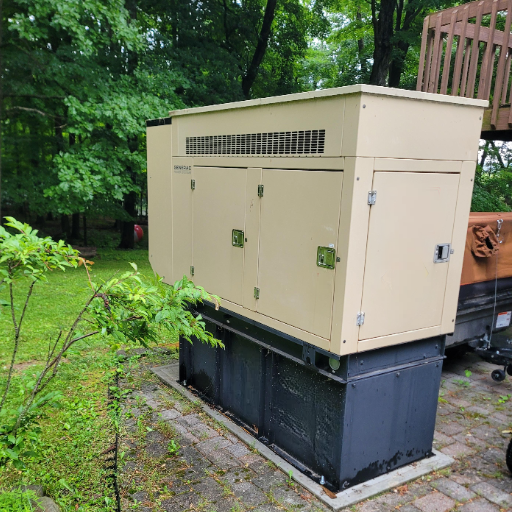
The table below compares the best home generators across all four categories. Detailed reviews follow.
| Model | Type | Output / Capacity | Fuel | Noise | Price Band | Best For |
|---|---|---|---|---|---|---|
| Generac Guardian 24kW | Standby | 24,000 W | Natural gas/propane | ~67 dBA | $$$ | Whole-house automatic backup |
| Kohler 20RESCL | Standby | 20,000 W | Natural gas/propane | ~65 dBA | $$$ | Fast automatic response |
| Cummins QuietConnect 22kW | Standby | 22,000 W | Natural gas/propane | ~65 dBA | $$$ | Quiet whole-house power |
| Champion 12.5kW | Standby | 12,500 W | Natural gas/propane | ~63 dBA | $$ | Mid-size homes on a budget |
| Generac 12,500W Tri-Fuel | Portable | 12,500 / 9,500 W | Gas/propane/natural gas | ~74 dBA | $$ | Maximum fuel flexibility |
| Westinghouse WGen9500DF | Portable | 9,500 / 7,500 W | Gas/propane | ~74 dBA | $$ | High output, dual fuel |
| Honda EU7000iS | Inverter | 7,000 / 5,500 W | Gasoline | ~58 dBA | $$$ | Quiet power for electronics |
| Honda EU2200i | Inverter | 2,200 / 1,800 W | Gasoline | ~57 dBA | $ | Essentials and portability |
| Champion 3800W Dual Fuel | Portable | 3,800 / 3,420 W | Gas/propane | ~68 dBA | $ | Budget emergency backup |
| EcoFlow DELTA Pro 3 | Power station | 4,096 Wh | Battery/solar | Silent | $$$ | Indoor, solar-ready backup |
| Jackery Explorer 2000 Plus | Power station | 2,042 Wh | Battery/solar | Silent | $$ | Expandable off-grid power |
| Bluetti AC200MAX | Power station | 2,048 Wh | Battery/solar | Silent | $$ | RV and off-grid use |
| Anker 767 PowerHouse | Power station | 2,048 Wh | Battery/solar | Silent | $$ | Durable LFP battery design |
| Goal Zero Yeti 1500X | Power station | 1,516 Wh | Battery/solar | Silent | $$ | Solar-first short outages |
Best Standby Emergency Generators
Generac Guardian 24kW Home Standby Generator
The Generac Guardian 24kW remains the benchmark for whole-house emergency power. It starts automatically, runs on natural gas or propane, and handles the combined load of central air conditioning, refrigeration, lighting, and electronics in most homes. Built-in Wi-Fi connects to the Mobile Link app, so you can check status, review run history, and receive maintenance alerts from anywhere.
Best for: Large homes that need seamless, whole-house backup.
Kohler 20RESCL with OnCue Plus
The Kohler 20RESCL restores power in as little as 10 seconds and holds voltage steady within tight limits, which protects sensitive equipment during load changes. The OnCue Plus app provides remote monitoring and control. Strong motor-starting capacity makes this unit a good match for homes with well pumps or large air conditioners.
Best for: Homes with heavy motor loads and owners who want fast automatic response.
Cummins QuietConnect Series 22kW
The Cummins QuietConnect earns its name with a sound-dampening enclosure and advanced muffler design. It includes intelligent load management, which prioritizes essential circuits and sheds non-critical loads when demand peaks. That feature lets a 22 kW unit cover loads that would otherwise require a larger, more expensive emergency generator.
Best for: Neighborhoods with strict noise expectations.
Champion 12.5kW Home Standby Generator
The Champion 12.5kW brings automatic standby protection to a lower price point. It covers essential circuits plus central air in many mid-size homes, and its demand-control feature manages heavy loads automatically. For buyers who want standby convenience without whole-house capacity, it is a strong value.
Best for: Mid-size homes that need automatic backup on a controlled budget.
Best Portable and Inverter Emergency Generators
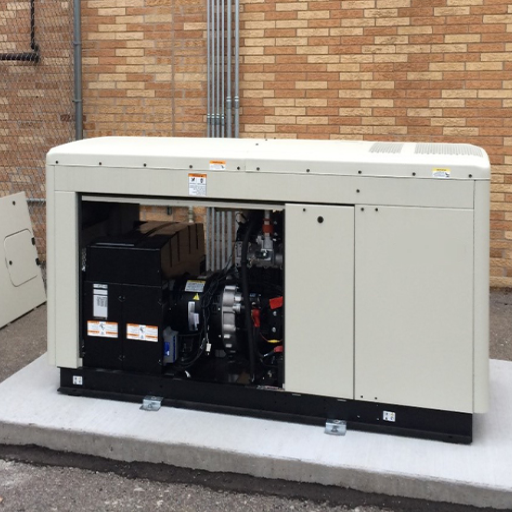
Generac 12,500-Watt Tri-Fuel Portable Generator
Tri-fuel capability is the defining portable-generator trend of 2026, and this Generac leads it. The unit runs on gasoline, propane, or natural gas, so a fuel shortage at local stations does not have to end your backup power. Moreover, when connected to a home natural gas line, it can run for days without refueling.
Best for: Homeowners who want maximum fuel flexibility during extended emergencies.
Westinghouse WGen9500DF Dual Fuel
The WGen9500DF delivers 9,500 starting watts on gasoline and switches to propane with a simple selector. Remote electric start, a long runtime of up to 12 hours at half load, and a transfer-switch-ready outlet make it one of the most practical high-output portable emergency generators available.
Best for: Powering multiple large appliances through a manual transfer switch.
Honda EU7000iS Inverter Generator
The EU7000iS combines 7,000 watts of inverter-clean power with noise levels around 58 dBA, roughly the volume of a normal conversation. Electronic fuel injection improves starting and efficiency. It costs more than conventional portables, but it protects sensitive electronics and keeps the peace with neighbors.
Best for: Whole-home essentials with clean, quiet inverter power.
Honda EU2200i Inverter Generator
The EU2200i is the reference point for small inverter generators. It is light enough to carry with one hand, runs up to 8 hours on a gallon of fuel, and produces power clean enough for any device. Additionally, two units can be paired in parallel to double output. For buyers who only need to run a refrigerator, some lights, and device chargers, it may be all the generator you need.
Best for: Essential loads, portability, and legendary reliability.
Champion 3800-Watt Dual Fuel Generator
The Champion 3800-watt dual fuel remains the budget pick for emergency power. It runs on gasoline or propane, starts easily in cold weather, and delivers enough output for a refrigerator, a sump pump, lights, and a few small appliances at once. It proves you do not need to spend heavily to get dependable backup power.
Best for: First-time buyers and tight budgets.
For a deeper brand comparison of whole-house units, see our Cummins vs Generac whole house generator comparison.
Best Portable Power Stations for 2026
EcoFlow DELTA Pro 3
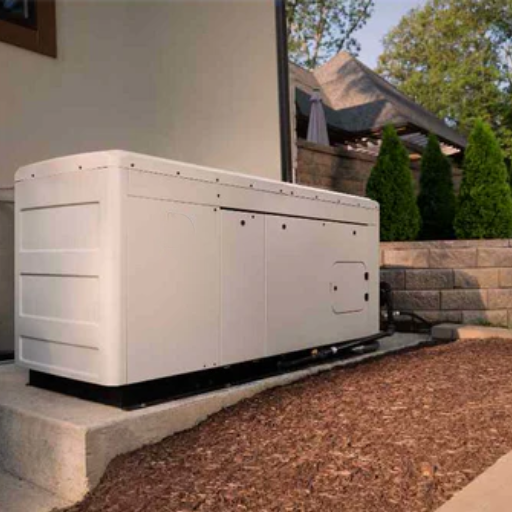
The DELTA Pro 3 stores 4,096 watt-hours and delivers up to 4,000 watts of continuous output, enough to start and run a central air conditioner or an electric range. It recharges from a wall outlet in under two hours and accepts high-wattage solar input for off-grid recharging. A 10-millisecond switchover lets it act as an uninterruptible power supply for computers and medical devices.
Best for: Whole-home battery backup with solar expansion.
Jackery Explorer 2000 Plus
The Explorer 2000 Plus starts at 2,042 watt-hours and expands to 24 kWh with add-on battery packs. Fast solar charging and a compact, wheeled design make it a flexible choice for camping, travel, and home emergencies alike.
Best for: Buyers who want a system that grows with their needs.
Bluetti AC200MAX
The AC200MAX offers 2,048 watt-hours with expansion support and a wide selection of outlets, including a 30-amp RV port. Its long-life LFP battery cells are rated for thousands of charge cycles.
Best for: RV owners and off-grid users.
Anker 767 PowerHouse
The Anker 767 pairs a 2,048-watt-hour LFP battery with a rugged, wheeled chassis built for regular movement. Anker rates the cells for a 10-year lifespan, and the unit recharges to 80% in about an hour and a half.
Best for: Durable, long-life battery backup.
Goal Zero Yeti 1500X
The Yeti 1500X stores 1,516 watt-hours in a compact frame and integrates tightly with Goal Zero solar panels. Its app provides detailed monitoring of input and output, which helps you stretch capacity through a long outage.
Best for: Solar-first households and short outages.
Key Features to Look for in an Emergency Generator in 2026
Specs alone do not tell the whole story. When you compare any emergency generator this year, give priority to these features.
Automatic CO shutoff. Carbon monoxide sensors now come standard on most quality portable models. The sensor stops the engine if carbon monoxide builds up near the unit. Treat this feature as non-negotiable for any fuel-burning model.
Dual-fuel or tri-fuel capability. Fuel flexibility matters when gasoline stations lose power. Dual-fuel models switch between gasoline and propane, and tri-fuel units add natural gas. Additionally, propane’s indefinite shelf life makes it a smart stored fuel for emergencies.
Remote monitoring. Wi-Fi apps report fuel level, runtime, and fault codes to your phone. Standby owners can confirm their system is ready without walking outside, and fault alerts help you fix problems before an outage arrives.
Load management. Smart load modules let a smaller emergency generator cover a whole house. The system pauses non-essential circuits, such as a water heater, when the air conditioner starts. As a result, a 20 kW unit can do work that once required 26 kW.
Electric start with cold-weather support. Pull-start engines are hard to crank in freezing weather. Look for electric start, a battery maintainer, and a cold-weather kit if you live where winter storms cause outages.
Warranty and service network. A standby emergency generator is a 10 to 20-year investment, and complex units need qualified technicians. Choose brands with at least a five-year warranty and authorized service in your area. Moreover, check parts availability before you buy, since a strong warranty means little without local support.
Comparing Fuel Types for Emergency Generators
Fuel choice shapes runtime, storage, and reliability during a crisis. Here is how the main options compare.
| Fuel | Availability in a Crisis | Storage | Runtime | Best Match |
|---|---|---|---|---|
| Gasoline | Good, but stations need power to pump | 3-6 months with stabilizer | 8-12 hours per tank | Portable and inverter units |
| Propane | Good; stored in tanks | Indefinite in sealed tanks | Depends on tank size | Dual-fuel portables, standby |
| Natural gas | Excellent via home line | No storage needed | Unlimited while service holds | Standby generators |
| Diesel | Good for commercial users | 6-12 months | Long; efficient under load | Large homes and small business |
| Battery / solar | Excellent indoors | No fuel at all | Limited by capacity | Power stations, short outages |
Gasoline is easy to find in normal times, but pumps stop working during widespread outages. Propane stores indefinitely and burns clean; however, output drops slightly compared with gasoline. Natural gas removes refueling entirely, which is why most standby systems use it. Diesel offers the best efficiency under heavy load, and it remains the standard for larger units. Battery power, in contrast, trades unlimited refueling for silent indoor operation. For many homes, a dual-fuel or tri-fuel emergency generator offers the best hedge, since it lets you switch fuels as supplies change.
How to Choose the Right Emergency Generator Size
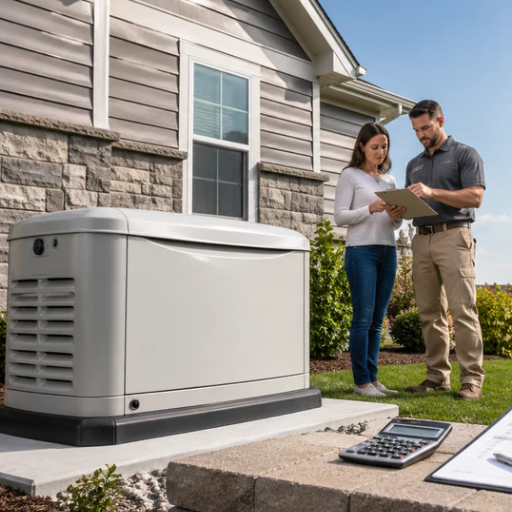
Generator sizing is the most important buying decision. An undersized emergency generator will overload and shut down; an oversized one wastes money and fuel. Follow these three steps.
Step 1: List Your Essential Loads
Write down every device you must power during an outage. A typical essential list includes:
- Refrigerator: 700 running watts / 2,200 starting watts
- Sump pump: 800 running watts / 1,300 starting watts
- Furnace fan (gas heat): 800 running watts / 2,300 starting watts
- Window air conditioner: 1,200 running watts / 1,800 starting watts
- Lights (LED, whole house): 400 watts
- Phone chargers and router: 100 watts
Devices with electric motors, for instance, need two to three times their running wattage for a few seconds at startup. Always use starting watts when you plan.
Step 2: Add Running Watts and Peak Starting Watts
Add the running watts of everything you will operate at the same time. Then add the single largest starting wattage on your list. For example, the running total for the list above is about 4,000 watts. Add the furnace fan’s 2,300 starting watts, and your peak requirement is roughly 6,300 watts.
Step 3: Add 10-20% Headroom
Choose an emergency generator with at least 10 to 20% more capacity than your peak figure. The margin covers calculation errors, future appliances, and the strain of continuous operation. For the example above, a 7,500-watt generator is the right target. Running a generator at full load for hours shortens its life, and how long a generator can run continuously depends heavily on load. As a result, the extra capacity pays for itself.
Essential Circuits vs Whole-House Coverage
Most buyers choose between two strategies. An essential-loads plan powers only critical circuits and needs 5,000 to 7,500 watts, which a portable or inverter emergency generator can supply. A whole-house plan powers everything, including central air conditioning and electric water heaters, and typically needs 20 kW or more from a standby system. The essential-loads approach costs far less up front. On the other hand, whole-house coverage delivers a seamless experience during long outages. Let your outage frequency, climate, and budget drive the choice, and browse generators by power range to see what each capacity tier can cover.
Emergency Generator Safety Essentials
Safety deserves the same attention as sizing. Portable generators produce carbon monoxide, an odorless gas that kills people every year. Follow these rules without exception.
- Never run a fuel-burning generator indoors. This includes garages, basements, and crawl spaces, even with doors open.
- Keep the unit at least 20 feet from your home. Point the exhaust away from doors, windows, and vents.
- Install battery-powered carbon monoxide detectors on every level of your home before you need the generator.
- Choose a model with automatic CO shutoff. Most quality 2026 models include a sensor that stops the engine when carbon monoxide builds up. Look for this feature before you buy.
- Use a transfer switch for home circuits. Backfeeding power through a wall outlet can electrocute utility workers and damage your wiring. A licensed electrician should install the switch.
- Let the engine cool before refueling, and store fuel in approved containers away from living areas.
- Protect the unit from rain with a manufacturer-approved canopy. Never operate a generator in wet conditions without cover.
You can find additional guidance from the Consumer Product Safety Commission (CPSC) and the National Fire Protection Association.
Maintaining Your Emergency Generator
An emergency generator only protects you if it starts. Run a portable unit for 15 minutes every month, and add fuel stabilizer to gasoline stored longer than 30 days. In addition, change the oil after the first 20 hours of use and every 100 hours after that. Standby systems exercise themselves automatically each week; even so, schedule professional service once a year for the battery, filters, spark plugs, and transfer switch. Test your CO detectors monthly, and keep a log of runtime and service dates. However reliable your model may be, neglected maintenance is the most common reason backup power fails during a real outage.
How We Selected These Emergency Generators
Our engineering team compared leading models across the factors that matter most in a real outage. We evaluated continuous and starting output, fuel options and runtime, noise levels, and power quality for sensitive electronics. We also weighed total cost of ownership, including installation, maintenance, and fuel availability during emergencies. Finally, we verified key specifications against manufacturer documentation and independent testing published by outlets such as Popular Mechanics.
Shandong Huali has manufactured power generation equipment for over 25 years. That experience shapes how we assess build quality, load management, and long-term reliability in every emergency generator we recommend.
Frequently Asked Questions (FAQs)
What is the best emergency generator for home use?
The best emergency generator for home use depends on your power needs and budget. For most families, a whole-house standby generator offers the strongest protection because it starts automatically and runs on natural gas or propane. If your outages are short and infrequent, a portable or inverter generator can cover essential loads for far less money. Battery power stations suit apartments and indoor use.
How do I determine the size generator I need?
Generator sizing starts with your loads. Add the running watts of every device you will power at once, then add the largest single starting wattage on your list. Choose a generator with 10 to 20% more capacity than that total. Most homes need 5,000 to 7,500 watts for essential circuits, or 20 kW and up for whole-house coverage.
Can a generator power an entire house?
Yes. A standby generator rated at 20 kW or more can power an entire home, including central air conditioning, as long as it is sized to your actual loads. Furthermore, load management features let smaller standby units cover whole houses by shedding non-essential circuits during demand peaks.
What types of generators are best for emergency power?
Standby generators are best for automatic, whole-house emergency power. Portable generators offer the most watts per dollar for selected circuits. Inverter generators provide quiet, clean power for sensitive electronics. Portable power stations deliver silent, indoor-safe backup for short outages.
How far away should a generator be from my home?
Place a portable generator at least 20 feet from your home, with the exhaust pointed away from doors, windows, and vents. Always operate it outdoors in a dry, well-ventilated area, and never in a garage or basement.
What is the difference between a gas-powered generator and an inverter generator?
A conventional gas generator runs its engine at full speed and produces power directly, which is cost-effective but louder and less stable. An inverter generator converts power through a DC stage, adjusts engine speed to the load, and produces cleaner electricity. Inverter models cost more but are quieter, more efficient, and safer for electronics.
How much does a home emergency generator cost in 2026?
Portable generators cost 400 to 400 to 1,500. Inverter generators run 800 to 800 to 4,000. Portable power stations cost 1,000 to 1,000 to 4,000. Installed standby systems range from 7,000 to 7,000 to 15,000, including the transfer switch and professional installation.
How does a generator provide backup power during an outage?
A standby generator monitors utility power through an automatic transfer switch. When the grid fails, the switch starts the generator and moves your home’s circuits to generator power in about 10 seconds. A portable generator requires you to move it outside, start it, and connect your loads by hand.
Can I monitor my generator remotely?
Yes. Most 2026 standby generators include Wi-Fi monitoring apps, and add-on telemetry kits exist for portable and industrial units. Remote monitoring shows fuel status, runtime, and fault alerts before they become failures. Learn more in our guide to generator remote monitoring and smart control panels.
Are tri-fuel generators worth it?
For most homeowners, yes. A tri-fuel emergency generator runs on gasoline, propane, or natural gas, so a shortage of any single fuel does not end your backup power. The flexibility costs a modest premium over gasoline-only models, and it pays off during multi-day outages when fuel supplies are uncertain.
What size generator do I need for a 2,000 square foot house?
Most 2,000 square foot homes need 5,000 to 7,500 watts to cover essential circuits such as the refrigerator, furnace fan, sump pump, and lights. For whole-house coverage with central air conditioning, plan on a standby unit of 18 to 22 kW. Your exact figure depends on which appliances run at the same time, so always total your own loads before you buy.
Choosing the Best Emergency Generator for Your Home
The best emergency generators for home use in 2026 share three traits: enough capacity for your essential loads, fuel you can count on during a crisis, and safety features like automatic CO shutoff. Standby units like the Generac Guardian 24kW deliver seamless whole-house protection. Portable and inverter models from Honda, Westinghouse, and Champion cover essential circuits for far less. Moreover, battery power stations from EcoFlow, Jackery, and Anker add silent, indoor-safe options that pair well with solar.
Therefore, start by calculating your wattage needs with the three-step method above. Then match your budget and outage risk to the right category, and buy before storm season, not during it.
Shandong Huali Electromechanical designs and manufactures emergency generators and complete power systems for homes, businesses, and industrial sites worldwide. If you need help choosing the right model for a home or facility, or want a factory quote on a standby or commercial diesel generator, contact our engineering team for a free consultation.
