
Diesel fuel contamination in a generator usually means water, microbial growth, particulates, oxidized fuel, or cross-contamination with another fluid. The fastest way to confirm it is a sample from the bottom of the tank, tested against ASTM D975 limits, not another filter change.
Consider a composite case. Nadia, a facilities engineer at a coastal hospital, ran the standby set for 20 minutes every month at no load. It started every time. When the grid failed, it ran for four minutes and stopped.
The bottom sample held free water and heavy microbial growth, and both filters were packed with black slime. Short exercises don’t disturb what has settled in a standby tank. A real outage pulls fuel from the bottom for hours.
This guide covers the contaminants, the symptoms they produce, the tests that confirm them, and the treatment decision: drain, polish, clean, or replace. It doesn’t repeat the maintenance schedule or filter intervals; those belong in our diesel generator fuel system maintenance guide.
Key Takeaways
– Water is the root cause of most diesel contamination, and microbes need free water to grow.
– ASTM D975 limits water and sediment in No. 2-D diesel to 0.05% by volume, about 500 ppm.
– NFPA 110 requires a fuel quality test at least annually using appropriate ASTM standards.
– Polishing removes water and particulate, but not off-spec fuel or tank sludge.
– A generator can pass a short no-load exercise and still fail under load.
Next step: Download the generator maintenance planner to log fuel tests, water drains, and treatments.
What Does Diesel Fuel Contamination Look Like in a Generator?
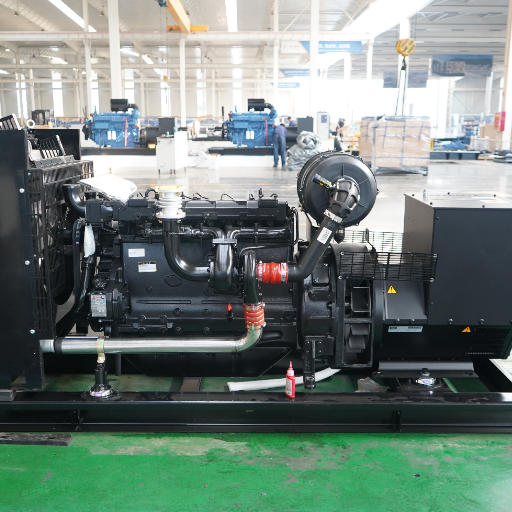
Diesel fuel contamination is any condition that pushes fuel outside its specification or adds a substance the engine wasn’t designed to burn. Water, microbes, dirt, rust, gum, varnish, gasoline, and DEF all qualify. The practical question is which contaminant is present and how far the damage has gone.
| Contaminant | How it gets in | What it does | First check |
|---|---|---|---|
| Water | Condensation, vents, fill caps, deliveries | Corrosion, microbial growth, injector damage | Bottom sample, water-finding paste |
| Microbes | Free water plus fuel | Slime, acid, filter plugging, tank corrosion | Filter inspection, ATP test |
| Particulate | Rust, dust, dirty transfer equipment | Abrasive wear, filter plugging | Filter cut, particle count |
| Oxidized fuel | Long storage, heat, oxygen | Gum, varnish, sediment, low cetane | Visual check, lab panel |
| Cross-fuel | Gasoline, DEF, other products | Wrong flash point or viscosity, seal damage | Flash point, smell, lab panel |
Standby tanks are more vulnerable than daily-use tanks. Fuel can sit for months, the tank breathes with every temperature swing, and the monthly exercise may burn little of the inventory. Contamination builds slowly, then shows up under load.
Not every fuel problem is contamination. Air ingress, a weak lift pump, a blocked pickup, and a faulty fuel solenoid can mimic it.
The Five Contaminants and How They Get In
Water: condensation, vents, and deliveries
Water enters through condensation as the tank breathes, through leaks at fill caps, vents, and seams, and with the fuel itself. Because water is denser than diesel, it settles at the bottom and forms a layer the pickup can reach when the tank is low or the fuel is agitated.
Water corrodes steel and aluminum, reduces lubrication at precision surfaces, and supports microbial growth.
ASTM D975 sets the water and sediment limit for No. 2-D diesel at 0.05% by volume, about 500 ppm. That is a specification limit for delivered fuel, not a target for a storage tank. A top sample can pass while the bottom holds water.
Microbial growth: the diesel bug
The black slime that plugs generator filters is usually called diesel bug, fuel bug, or algae. Algae is the wrong word. Algae needs sunlight, and a fuel tank is dark. The growth is a community of bacteria and fungi that live at the fuel-water interface, feed on hydrocarbons, and produce acid and biomass.
ULSD and biodiesel blends are generally more prone to water pickup and microbial growth than older high-sulfur diesel, because sulfur acted as a natural suppressant and biodiesel absorbs more water.
The damage goes beyond filters. Acidic byproducts corrode tank walls and fuel-system components, and biomass can pass through a partially loaded filter and reach the injection pump. Donaldson’s technical guidance on microbial contamination describes the growth at the fuel-water boundary and the filter-plugging sequence. ATP testing, standardized as ASTM D7463, gives a rapid indication of living microbes.
Particulate, rust, and sludge
Particulate enters through dirty transfer equipment, damaged vents, rusting tank walls, and degraded fuel. It ranges from visible rust flakes to sub-5-micron particles that accelerate injector wear.
A filter that plugs repeatedly means the tank is shedding material. Replacing the filter restores flow for a while, then the next load cycle pulls more debris to the pickup. Find the source: corrosion, a dirty delivery, a damaged breather, or sludge on the tank floor.
Oxidation and aged fuel
Diesel oxidizes when it is stored with oxygen, heat, and time. The process forms gums, varnish, and sediment, darkens the fuel, and can lower cetane quality. It leads to poor combustion, smoke, hard starting, and more filter loading.
Storage life is commonly described as 6 to 12 months for untreated diesel under good conditions. Treat that as typical guidance, not a legal limit.
Cross-contamination: gasoline, DEF, and other fluids
Gasoline in a diesel tank lowers the flash point and viscosity and strips lubricity. DEF and other fluids cause their own damage. A biocide or polishing pass won’t fix these.
A flash point test, standardized as ASTM D93, is the usual check for gasoline contamination. ASTM D975 requires a minimum flash point of 52°C for No. 2-D diesel. A result below that limit needs investigation before the set runs again.
Cross-contamination often means fuel replacement and a system flush. Follow the delivery procedure in generator refueling safety so the wrong product doesn’t enter the tank.
Diesel Fuel Contamination Symptoms: What to Watch For
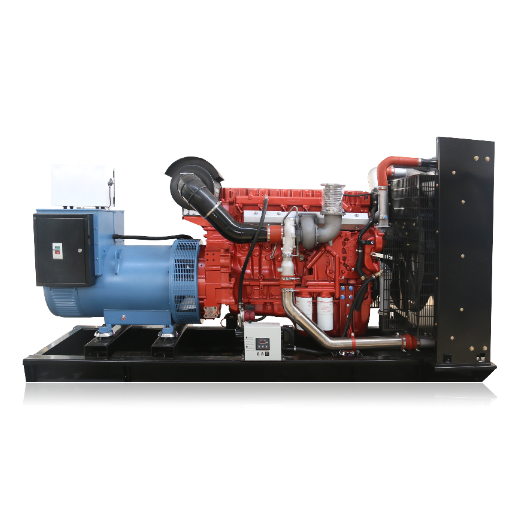
Diesel fuel contamination symptoms follow a pattern, not a single fault. The pattern depends on the contaminant, its concentration, and how hard the set is working.
| Symptom | Likely contaminant | First check |
|---|---|---|
| Hard starting or long cranking | Water, microbes, air ingress | Filter cut, bottom sample |
| Starts, then dies | Water slug, plugged filter | Separator bowl, filter restriction |
| Runs, then shuts down under load | Water or sediment reaching the pickup | Load test with a bottom sample |
| Rough running or surging | Water, microbes, air | Filter inspection, sample |
| Black or white smoke that doesn’t match the load | Overload, water, unburned fuel | Load reading, fuel sample |
| Frequent filter plugging | Microbes, particulate | Filter cut, ATP test |
| Low power and high fuel use | Oxidized fuel, restricted filter | Lab panel, fuel pressure |
| Visible sludge or sour smell | Microbial growth | Tank inspection, bottom sample |
The most misleading symptom is the successful exercise. A 30-minute run at light load may use little fuel and never draw the water or sediment layer into the filter. A multi-hour outage pulls far more fuel, and refueling or recirculation can stir settled material into suspension.
Filter clues are useful. Black slime or a slick film points to microbes. Rust or metal flakes point to tank corrosion or a failing component. A milky separator bowl points to emulsified water.
A swollen filter can indicate water exposure or a restricted housing.
How to Test Diesel Fuel for Contamination
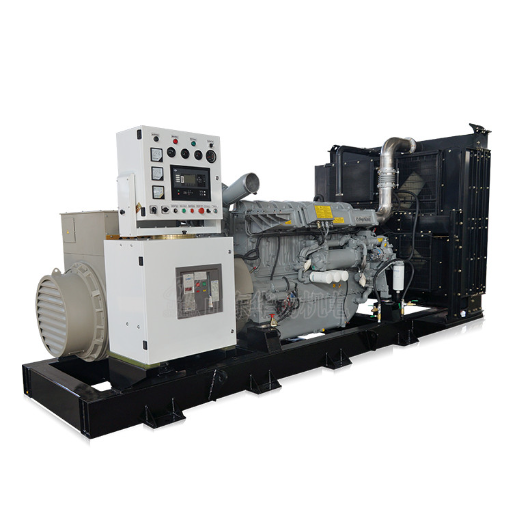
Testing for diesel fuel contamination starts with the sample, not the laboratory. A top-of-tank sample can look clean while the bottom holds water and sludge. Draw from the bottom drain or a bottom-loading sampler, 3 to 6 inches above the tank floor where the rag layer forms. Use a clean jar for the visual check and the supplier’s bottle for the lab.
A field check takes minutes. Let the jar settle, then look for a water layer, haze, sediment, or dark color.
Water-finding paste on a dip rod shows free water. Cutting open a used filter shows what the media has captured. An ATP test gives a rapid microbial reading.
The laboratory panel gives the defensible answer. The table below lists the tests that matter most for a generator tank.
| Test | What it detects | When to use it |
|---|---|---|
| ASTM D975 | Overall specification compliance, including water and sediment | Baseline and annual check |
| ASTM D2709 | Water and sediment by centrifuge | Standard lab panel |
| ASTM D6304 | Water content at ppm level by Karl Fischer | Trace water investigation |
| ASTM D93 | Flash point, including gasoline contamination | Cross-fuel suspicion |
| ASTM D86 | Distillation range | Fuel volatility and quality |
| ASTM D2274 | Oxidation stability | Long-stored fuel |
| ASTM D7463 | ATP from living microbes | Quarterly, or when slime appears |
| ISO 4406 | Particle count and cleanliness code | After polishing or tank work |
NFPA 110 requires a fuel quality test at least annually using appropriate ASTM standards. Current editions place the requirement in Section 8.3.7. Confirm the edition enforced by your authority having jurisdiction, and check our NFPA 110 fuel requirements summary before you build the test scope.
One test doesn’t prove the tank is clean. A top sample can pass while the bottom fails.
Sample the same way each time, record the location and date, and trend the results.
Consider a data center case. Khalid, a maintenance lead, sampled from the top of the tank. The lab report passed. Eight months later the set failed a load test after 40 minutes, and a bottom sample found free water and sediment above the D975 limit.
If a lab report already shows water, microbes, or sediment, send it to our engineers with the set rating and tank size. We’ll help you interpret the result and choose the least destructive fix. Talk to an engineer.
Treating Diesel Fuel Contamination: Clean, Polish, or Replace?
Treatment depends on the contaminant and severity. Start with the least destructive action that solves the problem, then retest. The table below is a starting point, not a substitute for a laboratory report.
| Finding | Least destructive action | What to avoid |
|---|---|---|
| Free water, no sludge | Drain water, fix the ingress, retest | Biocide alone |
| Microbial growth | Remove water, shock biocide, polish out biomass | Biocide without biomass removal |
| Particulate or rust | Polish, clean the tank, find the source | Repeated filter changes |
| Oxidized fuel, still on spec | Polish, stabilize, use and test | Assuming polishing restores spec |
| Oxidized fuel, off spec | Replace or blend per lab guidance | Burning off-spec fuel |
| Gasoline or DEF cross-contamination | Replace fuel, flush the system | Additives |
| Sludge or corrosion on tank walls | Mechanical tank cleaning | Polishing only |
Drain free water first. Treatment does not replace physical removal. Open the drain, remove the water layer, and fix the source: a damaged cap, a failed gasket, a vent that admits rain, or a delivery that brought water with it.
Biocide kills microbes, but it doesn’t remove them. A high-dose biocide can leave dead biomass that plugs filters. Plan for filter changes and polishing, and follow the label for dose and contact time. Don’t invent a dose.
Diesel fuel polishing removes water and particulate. A polishing system circulates fuel through coalescers and filters, often down to 5 to 10 microns, and returns it to the tank. It doesn’t restore fuel that is off specification, and it doesn’t clean sludge adhered to tank walls. Polishing is a fuel treatment, not a tank cleaning.
Tank cleaning is the right response to sludge, corrosion, or a contaminated tank floor. It requires access, safe confinement, and disposal of the removed material. Don’t enter a fuel tank without confined-space procedures and the right equipment.
Replacement is the right response to cross-contamination or fuel that fails key specifications. If fuel is still off spec after polishing, replace it.
The common mistakes are predictable:
- Changing filters without fixing the tank
- Adding biocide without removing the water and biomass
- Polishing a tank with adhered sludge
- Treating cross-contamination as microbial growth
Each one wastes time and can damage the injection system.
Prevention: Keep the Tank Dry and the Fuel Moving
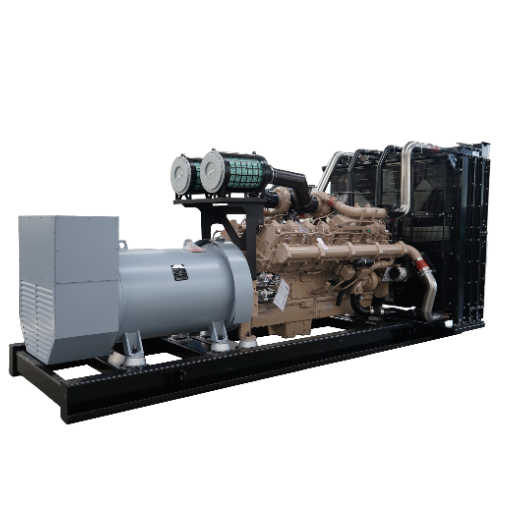
Preventing diesel fuel contamination is a tank-design and operating-discipline problem, not a product problem.
Keep the tank full. A full tank leaves less air space for condensation and slows oxidation. Leave expansion space, but don’t let a standby tank sit half empty for months.
Seal the openings. Inspect fill caps, gaskets, vents, and sight glasses. A missing gasket or a vent that admits rain is a direct water path. Avoid galvanized tanks and fittings, because zinc can react with fuel contaminants and form flakes that clog filters.
Design for drainage and sampling. A sloped bottom, a bottom drain, and a dedicated sampling point make water removal and testing practical. If the tank has no drain, add one at the next inspection, or use a service that can extract a bottom sample.
Right-size the inventory. A tank that holds years of fuel holds years of risk. Size storage to the expected consumption and refill cycle, and use the fuel tank sizing calculator to check turnover. Our guide to diesel fuel storage regulations covers containment and compliance.
Control what enters. Filter fuel at the fill point, reject deliveries that look hazy or carry water, and label every tank and transfer line. A delivery that brings water or the wrong product can undo months of good housekeeping.
Test on a schedule. NFPA 110 sets the annual minimum. Add quarterly ATP testing where the tank is large, the climate is humid, the fuel turns over slowly, or the site has a contamination history. Record every result and treatment.
Picture a remote mine that kept a 60,000 L tank for a 1,500 kVA plant. Fuel often sat for more than a year. After right-sizing the tank and moving to quarterly ATP checks, the site polished on a test-driven schedule instead of waiting for a filter alarm. The change made contamination visible before it became a shutdown.
FAQ
What are the symptoms of diesel fuel contamination?
The most common bad diesel fuel symptoms are hard starting, rough running, frequent filter plugging, low power, smoke that doesn’t match the load, and a set that runs briefly then shuts down under load. A bottom sample, filter cut, and lab panel confirm the cause.
What does water in diesel fuel look like?
Free water appears as a layer or droplets at the bottom of a clear sample. Emulsified water makes the fuel look hazy or cloudy. Dissolved water is invisible, so a lab test is needed.
Do bacteria really grow in diesel?
Yes. Bacteria and fungi grow at the fuel-water interface, where they have water, fuel, and a surface. The growth is often called algae, but algae needs sunlight and doesn’t grow inside a closed tank.
How long does diesel fuel last in a generator tank?
Untreated diesel is commonly used within 6 to 12 months under good storage conditions. That is typical guidance, not a legal limit. Heat, water, biodiesel, and air space shorten its life, so test older fuel.
Can contaminated diesel fuel be cleaned?
It depends on the contaminant. Water, particulate, and microbial growth can often be managed by draining, polishing, and cleaning the tank. Fuel that is off spec after treatment, or contaminated with gasoline or DEF, usually needs replacement.
Does biocide fix diesel bug?
Biocide kills the microbes, but it doesn’t remove the water layer or the dead biomass. The tank still needs water removal, polishing or cleaning, and a fix for the ingress. Otherwise the growth returns.
Conclusion
The causes of diesel fuel contamination form a chain, not a single bad batch. Water enters, microbes grow, filters plug, and the set fails when it is needed most. The order that works is to identify the contaminant, test it properly, choose the least destructive treatment, and fix the source.
Start with a bottom sample and the ASTM panel. Drain free water. Treat microbes with a biocide only after you have a plan to remove the biomass. Polish fuel when the problem is water or particulate.
Clean the tank when sludge or corrosion is present. Replace fuel when cross-contamination or off-spec results leave no safe alternative.
If you’re unsure which path applies, send the lab report, set rating, and tank details to our engineers for a diesel fuel contamination review. Contact our team.
