
Diesel generator fuel system maintenance comes down to three rules: keep the fuel clean, keep it dry, and keep it fresh. Every fuel-related failure traces back to violating one of these rules. Water causes microbial growth, microbes clog filters, and degraded fuel scores injectors that cost thousands to replace.
Maria, the operations manager at a cold-storage warehouse in Cebu, found this out during a typhoon outage. Her 300 kVA standby unit cranked for five seconds, then died. The cause was a primary filter packed with black slime after 18 months without any fuel maintenance. The repair bill for filters, tank cleaning, and a service call reached $4,200, and the warehouse lost a day of refrigeration capacity.
Fuel problems are the most preventable generator failures. This guide walks through the fuel system component by component, gives you a complete maintenance schedule, and shows you how to respond when contamination appears. You’ll also get the full fuel bleeding procedure that most guides skip.
Key Takeaways
- Water is the number one enemy: microbes grow at the fuel-water interface with as little as 100 ppm of water present.
- Replace fuel filters at least every 12 months on standby units, per NFPA 110, regardless of run hours.
- Stored diesel degrades within 6-12 months without stabilizer; polish fuel annually on critical standby sets.
- Modern ultra-low sulfur diesel needs more attention than older fuel because sulfur used to act as a natural biocide.
Diesel Generator Fuel System Components
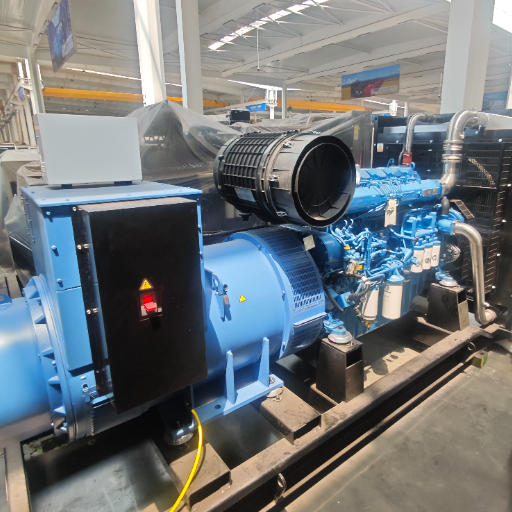
Fuel travels a simple path: storage tank, water separator, primary filter, lift pump, secondary filter, injection pump, and injectors. Maintenance targets every stage of that path.
Storage and Day Tanks
The bulk tank holds your reserve, and a day tank feeds the engine directly on larger installations. Water condenses on tank walls when temperatures swing, then sinks to the bottom because it’s denser than diesel. That bottom layer is where every contamination problem starts.
Keep tanks as full as practical to minimize the air space where condensation forms. Tank sizing matters here too: right-size storage to your actual diesel generator fuel consumption so stock rotates in months, not years—one hardware warning: never use galvanized (zinc-lined) tanks or fittings. Zinc reacts with diesel and forms flakes that clog filters.
Fuel Lines, Filters, and Water Separators
Most generators run two filtration stages. The primary filter, usually 10-30 microns with a water separator bowl, catches coarse debris and free water. The secondary filter, typically 2-5 microns, protects the injection components. Check the separator bowl sight glass during every inspection and drain any visible water immediately.
Lift Pump, Injection Pump, and Injectors
The lift pump moves fuel from the tank to the injection pump, which meters it at high pressure to the injectors. These are precision components with tolerances measured in microns. Dirty fuel doesn’t just reduce performance here; it physically scores the surfaces, and replacement costs run into thousands of dollars.
The Three Enemies of Stored Diesel
Water Contamination
Water enters through condensation, leaky fill caps, and fuel deliveries. You can detect it with water-finding paste on a dip rod, inline sensors, or laboratory Karl Fischer titration, which is accurate to about 50 ppm. According to Donaldson’s technical research, modern ultra-low sulfur diesel (ULSD) makes the problem worse. Its surfactants reduce the effectiveness of standard coalescing separators, so free water passes through filters that would have caught it in older fuel.
Microbial Growth: The Diesel Bug
Bacteria and fungi (not algae, despite the common myth) live at the fuel-water interface and feed on the hydrocarbons. They need only around 100 ppm of water to colonize a tank. Their biomass forms the black slime that plugs filters, and their acidic waste drives microbially influenced corrosion that can eat through tank steel 10-100 times faster than ordinary chemical corrosion.
ULSD removed the sulfur that historically suppressed these microbes, and biodiesel blends absorb even more water. Stored fuel today spoils faster than it did 20 years ago.
Oxidation and Fuel Degradation
Even without water or microbes, diesel oxidizes in storage. Gums and sediments form, the cetane rating drops, and combustion quality falls. Poor combustion from degraded fuel also compounds light-load problems like wet stacking, where unburned fuel builds up in the exhaust. Treat stored diesel older than 6 months as suspect and older than 12 months as a liability unless it’s stabilized and tested.
Diesel Generator Fuel System Maintenance Schedule
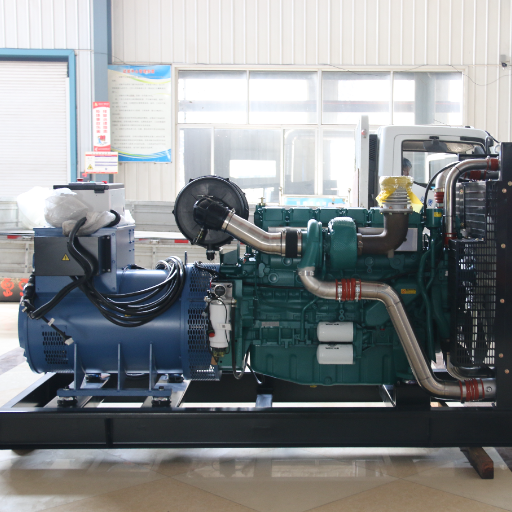
This consolidated schedule combines OEM intervals, NFPA 110 requirements, and field practice for standby units:
| Frequency | Tasks |
|---|---|
| Weekly | Check fuel level (keep tank above 50%); inspect separator bowl and drain water; look for leaks at lines and fittings |
| Monthly | Drain water separator fully; inspect primary filter for discoloration or slime; verify day tank transfer pump operation |
| Every 250 hrs / 6 months | Inspect fuel filters and water separator; sample tank bottom for water and sediment |
| Every 500 hrs / 12 months | Replace primary and secondary fuel filters (12-month maximum per NFPA 110 practice, regardless of hours); test fuel quality |
| Annually | Polish stored fuel; check tank water-absorbing devices (replace yearly); inspect tank interior during cleaning |
| Every 3-6 months | Check tank breathers and water absorbers; quarterly biocide maintenance dose if the site has contamination history |
A data center in Doha learned the value of the annual row the expensive way. The facility polished fuel only when filters clogged, which felt efficient. In year three, degraded fuel scored two injectors and the injection pump on a 1,250 kVA unit. The repair cost $18,000, roughly ten times what five years of annual polishing would have cost.
For a full generator-wide task list, see our diesel generator maintenance schedule and printable maintenance checklist.
Fuel Quality Testing: What to Test and When
Guessing is not a maintenance strategy. These are the tests that tell you what’s actually happening inside your tank, from free field checks to laboratory analysis:
| Test | What It Detects | Method | Cost | Frequency |
|---|---|---|---|---|
| Visual jar sample | Cloudiness, water layer, sediment, dark color | Draw from tank bottom drain, settle 10 minutes | Free | Monthly |
| Water-finding paste | Free water depth at tank bottom | Paste on dip rod, changes color on contact | $ | Monthly |
| ATP test (ASTM D7463) | Living microbial contamination | Field kit, results in ~10 minutes | $$ | Quarterly, or when slime appears |
| Karl Fischer titration | Dissolved + free water, accurate to ~50 ppm | Laboratory analysis | $$ | Annually for critical sites |
| Particle count (ISO 4406) | Solid contamination vs ISO 18/16/13 target | Laboratory or portable counter | $$ | With annual polishing |
| Cetane / full spec (ASTM D975) | Overall fuel grade and degradation | Laboratory analysis | $$$ | Annually, or before extended storage |
Two rules make testing useful. First, always sample from the tank bottom, because that’s where water, microbes, and sediment concentrate. Second, record results over time; a rising water trend tells you condensation is winning long before a filter clogs.
How to Handle Fuel Contamination
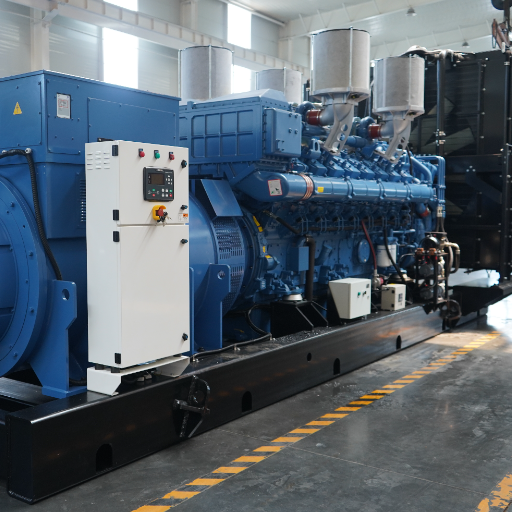
Step 1: Test and Identify
Start with the free checks: fuel clarity in a jar sample, water paste on a dip rod, and the smell test (sour or rotten-egg odors signal anaerobic bacteria). For critical sites, an ATP test per ASTM D7463 detects living microbes in about 10 minutes, and a lab analysis confirms water content, particulates, and cetane. Hard starting, power loss, and black smoke are late-stage symptoms; our troubleshooting guide maps them to causes.
Step 2: Match the Response
| Severity | Signs | Response | Relative Cost |
|---|---|---|---|
| Minor | Paste shows trace water, fuel clear, no slime | Drain sump, water dispersant, increase testing frequency | Low (in-house) |
| Moderate | Visible water layer under 1 inch, cloudy fuel, some filter slime | Drain water, portable polishing, biocide dose, replace both filters | Medium (service visit) |
| Severe | Heavy sludge, black filters, sour smell, fuel dark | Do not operate; professional polishing (400+ GPH rig), tank cleaning, possible fuel disposal and replacement | High (specialist) |
Step 3: Remediate Correctly
Fuel polishing circulates tank contents through multi-stage filters and water separators, targeting ISO 18/16/13 cleanliness or better. For confirmed microbial contamination, add a biocide at 135-1,000 ppm and allow proper soak time.
Remember the critical follow-up: biocide kills microbes, it doesn’t remove them. Dead biomass, sludge, and acidic residue must be physically polished out, and both fuel filters must be replaced afterward. Avoid biocides containing chlorine, bromine, or fluorine, which corrode fuel system components. After a shock treatment, a quarterly maintenance dose keeps the system clean.
When to Replace Fuel Entirely
Replace rather than polish when fuel is over 18-24 months old, fails lab testing after polishing, or contains heavy asphaltic sediment. Disposal costs hurt, but they’re minor next to an injection pump rebuild.
Fuel Additives: What to Use and When
Additives are tools, not magic. Each one solves a specific problem, and using the wrong one wastes money or creates new issues:
| Additive | Purpose | When to Use | Caution |
|---|---|---|---|
| Fuel stabilizer | Slows oxidation, extends storage life | At every fill for fuel stored 6+ months | Doesn’t fix already-degraded fuel |
| Biocide | Kills microbial contamination | Shock dose for confirmed diesel bug; quarterly maintenance dose for at-risk tanks | Never use chlorine, bromine, or fluorine-based products; always remove dead biomass after |
| Anti-gel / cold-flow improver | Lowers cloud and pour points | Before winter in cold climates | Add before fuel gels, not after; follow temperature charts |
| Cetane booster | Improves ignition quality | Marginal or off-spec deliveries | A bandage, not a cure; address the fuel source |
| Water dispersant | Emulsifies small water amounts so they burn off | Minor trace-water findings only | Never for visible water layers; drain those first |
Dose every additive by actual fuel volume, not tank capacity. A 1,000-liter tank holding 600 liters of fuel needs 600 liters’ worth of treatment, and overdosing biocide can harm seals and injectors.
How to Bleed a Diesel Generator Fuel System
Air in the fuel lines prevents starting, and it enters every time you change filters, run the tank dry, or open a line for repair. Bleeding purges it. Many modern common-rail engines self-bleed with an electric priming pump, but mechanical-pump engines need this manual procedure:
- Fill the tank and open the fuel shut-off valve. Loosen the vent plug on the primary filter and operate the lift pump hand lever until bubble-free fuel flows, then tighten the plug.
- Repeat at the secondary filter vent plug.
- Loosen the vent plug on the injection pump and pump until fuel flows free of air, then tighten.
- Crack the injector line fittings at the injectors by one to two turns. Crank the engine until fuel weeps from each fitting.
- Tighten the fittings and start the engine. Let it run until it idles smoothly.
Cranking caution: never crank for more than 30 seconds at a time. Allow at least 2 minutes of cooling between attempts to protect the starter motor.
How Duty Cycle Changes Fuel Maintenance
The right fuel maintenance plan depends on how your generator actually works:
- Standby units run rarely, so fuel sits for months. Aging and condensation are your main risks. Stabilize at fill-up, test quarterly, and polish annually. This is the duty cycle where the 6-12 month fuel clock matters most.
- Prime and continuous units burn through fuel constantly, which keeps stock fresh. Your risks shift to delivery quality and high-volume contamination. Test every bulk delivery, drain separators weekly, and expect filters to hit their hour-based intervals long before the calendar ones.
- Rental and construction site units face the dirtiest conditions: open cans, dusty fills, and mixed fuel sources. Fit vent breathers, filter every transfer into the tank, and inspect separator bowls daily.
A standby hospital genset and a prime-power mining genset need opposite priorities, even when they run the same engine.
Fuel System Care in Harsh Environments
Tropical and coastal sites face the toughest fuel conditions. Warm, humid air accelerates condensation and microbial growth, so drain water separators monthly at minimum and shorten polishing intervals to every 6-9 months. A mining camp in Kalimantan fought recurring diesel bug for a year before adopting three habits: monthly sump draining, a quarterly biocide maintenance dose, and annual polishing at roughly $1.50 per liter. Filter changes dropped from every six weeks to once a year.
Cold climates create the opposite problem. Diesel gels near its cloud point, waxing up filters and lines. Use winter-grade fuel or anti-gel additives before temperatures drop, and consider tank heaters for outdoor installations. High-dust sites should add desiccant breathers to tank vents so humid, dirty air never reaches the fuel.
These rules apply across engine brands. Weichai, Yuchai, and Shangchai mechanical-pump engines tolerate field conditions well but depend on clean two-stage filtration, while newer common-rail variants run injection pressures above 1,600 bar and are far less forgiving of dirty fuel. Whatever engine you run, quarterly exercise under real load, such as load bank testing, brings the fuel system to full temperature and helps drive off moisture.
Common Fuel System Maintenance Mistakes
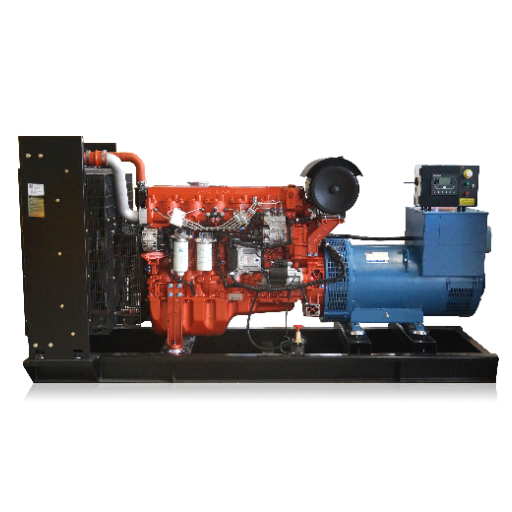
Most fuel failures we see in the field trace back to a short list of avoidable errors:
- Changing only one filter: Primary and secondary filters work as a pair. Replacing one leaves the other’s contamination load to overwhelm the new element within weeks.
- Ignoring the tank bottom: All the problems live in the bottom 10% of the tank. Sampling or draining from the top tells you nothing.
- Trusting biocide alone: A shock dose kills microbes but leaves their biomass in the fuel. Without polishing and filter replacement afterward, the clog returns.
- Skipping delivery checks: Contamination often arrives with the fuel truck. A five-minute visual check of every delivery prevents a five-figure repair.
- Letting the tank sit near empty: Air space above the fuel is where condensation forms. A half-full tank “sweats” far more than a full one.
- Forgetting the vent breather: Every liter of fuel drawn out pulls a liter of humid, dusty air in. A clogged or missing desiccant breather feeds the whole contamination cycle.
Since a weak battery is the single most common reason a generator fails to start, our dedicated guide to generator battery maintenance explains load testing, charger setup, and replacement timing step by step.
FAQ
How long does diesel fuel last in a generator tank?
Untreated diesel stays reliable for 6-12 months in a sealed, full tank. With stabilizer added at fill-up and good water control, you can extend that to 18-24 months. Beyond that, test before you trust it, and don’t let tanks sit untouched for years.
How often should you change generator fuel filters?
Replace primary and secondary filters every 500 running hours or 12 months, whichever comes first. Standby units that barely run still need the annual change because filters degrade in contact with stored fuel. This 12-month ceiling aligns with NFPA 110 guidance for emergency power systems.
What is fuel polishing, and is it worth it?
Fuel polishing is the process of circulating stored diesel through external filtration and water-separation equipment to remove water, sludge, and particulates down to ISO 18/16/13 cleanliness. For critical standby generators, annual polishing is cheap insurance: it typically costs a fraction of full fuel replacement and prevents injector damage that runs into five figures.
Can I use biocide as a preventive treatment?
Yes, but dose it correctly. Maintenance concentrations of 135-1,000 ppm prevent microbial colonization in tanks with any water history. Biocide won’t fix existing sludge on its own, and it never substitutes for draining water. Treat it as one layer of defense alongside filtration, polishing, and good tank hygiene.
What fuel standard should I specify for deliveries?
Specify ASTM D975 (or EN 590 in Europe) on every purchase order, and require a certificate of analysis from the supplier. For standby units, request ultra-low sulfur diesel with no more than 5% biodiesel content unless your engine is rated for higher blends, because biodiesel absorbs water and accelerates microbial growth in storage.
Why is there black slime in my fuel filter?
Black slime is microbial biomass, the classic sign of the diesel bug. Bacteria and fungi grow at the fuel-water interface in your tank, and their colonies get sucked into the filter. Replace both filters, then treat the root cause: drain the water, shock-dose biocide, and polish the fuel to remove dead biomass.
How do I know if my diesel fuel has gone bad?
Look for darkening from the original bright amber, a cloudy or hazy appearance, sediment at the bottom of a jar sample, and a sour or varnish-like smell. On the engine side, rough running, power loss, and excess smoke point to degraded fuel. When in doubt, a lab test against ASTM D975 gives a definitive answer for around $100-200.
Can I mix old diesel with new diesel?
You can, if the old fuel passes a visual and water test and is under 12 months old. Diluting questionable fuel with fresh deliveries doesn’t fix degradation, though; it just spreads it. If the old fuel shows haze, sediment, or slime, polish or dispose of it before adding new fuel to the tank.
Why won’t my generator start after a fuel filter change?
Air almost certainly entered the lines during the change, and diesel engines can’t compress air the way they compress fuel. The fix is the bleeding procedure described above: vent at the filters, then the injection pump, then the injector lines. Pre-filling the new filter with clean diesel before installation prevents most of these no-start calls.
How do I prevent condensation in my fuel tank?
Keep the tank as full as practical, because less air space means less moisture to condense. Fit a desiccant breather on the vent, drain the water separator monthly, and park the tank out of direct sun where possible to reduce temperature swings. In humid climates, a tank bottom water check should be part of every monthly inspection.
Conclusion
Diesel generator fuel system maintenance isn’t complicated: keep fuel clean, dry, and fresh, and follow the schedule. Water control prevents the diesel bug, annual filter changes protect precision injection components, and yearly polishing keeps stored fuel ready to burn.
Fuel-related failures are almost always self-inflicted, which also means they’re almost always preventable. A modest annual investment in testing and polishing beats a five-figure injection repair every time.
Shandong Huali builds diesel generator sets from 8kVA to 4000kVA with accessible two-stage fuel filtration designed for exactly this kind of routine care. Our warranty and after-sales support program supplies OEM filters and technical guidance worldwide. For the complete maintenance picture, start with our diesel generator maintenance guide.
