
An open diesel generator costs 10–35% less to buy but is loud, running at 85–110 dB(A), and needs an indoor room to protect it. A silent diesel generator costs 20–40% more but installs outdoors on a simple pad and runs at 65–75 dB(A). The right choice comes down to whether you already have a protected room and how close people are to the unit.
Here’s the trap most buyers fall into. They compare the sticker prices and pick the cheaper open unit. Then they discover it cannot sit outside unprotected, and the “cheap” option suddenly needs a 5,000to5,000to50,000 generator room.
You probably already know silent generators are quieter. What you may not realize is that the silent unit often ends up cheaper once installation is counted. This guide gives you the real noise numbers, the installed-cost math, and a decision framework so you can choose the right enclosure for your site.
Key Takeaways
- Open generators run 85–110 dB(A) and need an indoor room; silent units run 65–75 dB(A) and install outdoors on a concrete pad.
- Open units are 10–35% cheaper upfront, but the generator room they need typically costs 5,000–5,000–50,000+, which can erase the savings.
- Silent enclosures cut noise by 30–40 dB, which sounds about four times quieter, and add roughly 20–40% to the purchase price.
- In hot climates, a silent unit may need a 15–20% capacity margin because the enclosure restricts airflow.
- Shandong Huali builds both open and silent configurations from 8 kVA to 4,000 kVA, with OEM/ODM canopy customization.
The Real Difference: Noise and the Enclosure
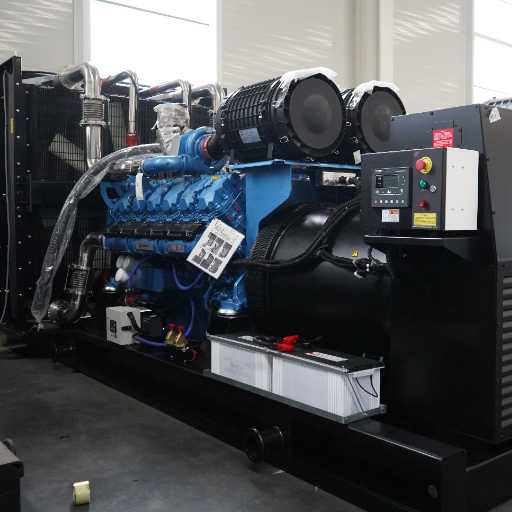
The one thing that separates an open vs silent diesel generator is the enclosure. Everything else, the engine, alternator, and fuel system, is essentially the same machine.
Open-Frame Generators
An open-frame generator is an exposed engine and alternator mounted on a steel base frame, or skid. There is no canopy. Airflow is unrestricted, which keeps the engine cool, and a technician has full 360-degree access to every bolt, filter, and wire.
The downside is noise and exposure. An open generator runs at roughly 85–110 dB(A), depending on size. At close range that is comparable to a chainsaw or a rock concert, and it requires hearing protection. Because the unit is exposed, rain, dust, sunlight, and tampering all reach the machine directly. It must be installed indoors or in a purpose-built shelter.
Silent Generators
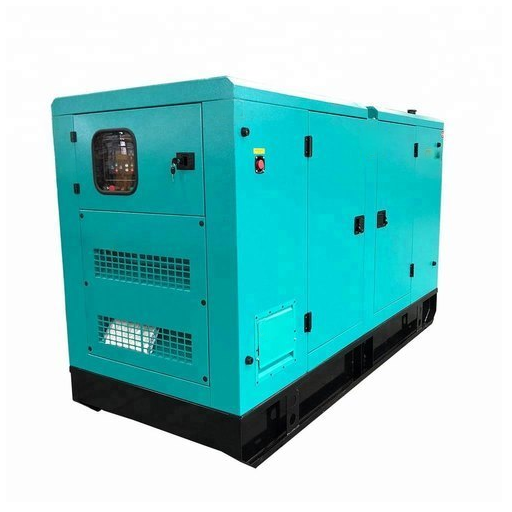
A silent generator is the same machine inside an acoustically treated canopy. The enclosure is a steel shell lined with acoustic foam or mineral wool, with baffled air intakes and exhaust, an industrial-grade silencer, and anti-vibration mounts. This combination drops the noise to roughly 65–75 dB(A) at 7 meters, and super-silent models reach 60–65 dB(A).
The canopy does double duty. It is weatherproof, typically rated IP23 to IP55, so the unit can sit outside in rain and dust. And it is lockable, protecting the control panel, battery, and fuel from theft.
Want the full engineering detail on how silent canopies work? See our silent diesel generator guide for canopy construction, dB measurement standards, and super-silent classification.
Why 30 dB Is a Bigger Deal Than It Sounds
The decibel scale is logarithmic, not linear. A 10 dB increase sounds roughly twice as loud to the human ear. So the 30–40 dB gap between an open and a silent unit means the silent generator sounds about four times quieter, and some sources describe the open unit as 20 to 50 times louder depending on size.
That gap is what determines compliance. A site that requires 65 dB at the property line simply cannot run an open unit without acoustic treatment.
The generator inside an open and a silent unit is the same machine. What changes is the enclosure around it, which is why fuel efficiency and power output stay nearly identical between the two.
Open vs Silent: A Side-by-Side Comparison
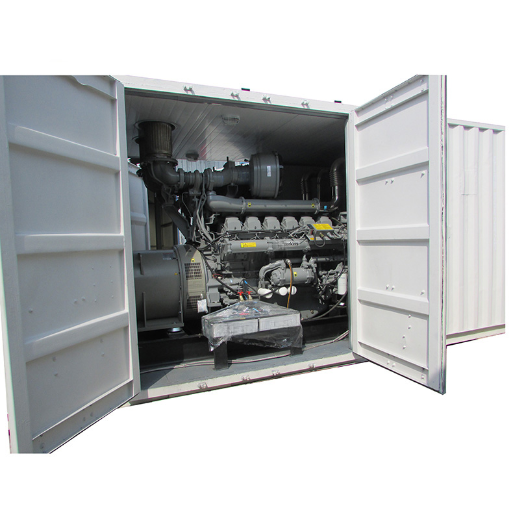
| Factor | Open Generator | Silent Generator |
|---|---|---|
| Noise at 7 m | 85–110 dB(A) | 65–75 dB(A) |
| Upfront cost | Baseline (10–35% cheaper) | +20–40% premium |
| Installed cost | Generator room, 5,000–5,000–50,000+ | Concrete pad, 500–500–2,000 |
| Weather protection | None (indoor or shelter) | IP23–IP55, weatherproof |
| Security | Exposed to tampering | Lockable canopy |
| Cooling | Unrestricted airflow | Restricted; may need 15–20% margin |
| Maintenance access | Full 360° | Through doors and panels |
| Best for | Indoor room, remote, budget | Outdoor, urban, hospital, nighttime |
Cost: Upfront vs Installed
Cost is where the open vs silent diesel generator decision gets interesting, because the cheap option on paper is not always the cheap option on site.
Upfront Price Favors Open
An open-frame generator is 10–35% cheaper to buy than an equivalent silent unit. The silent canopy adds roughly 20–40% to the base price, covering the acoustic shell, insulation, silencer, and anti-vibration mounts. For a buyer looking only at the purchase order, open is the obvious choice.
The Hidden Cost of the Generator Room
The issue lies in the additional requirements for open-type generator sets. They cannot simply be placed outdoors; they require a dedicated, well-ventilated, and soundproofed equipment room—construction of which is costly. Depending on the unit size and local construction costs, a standard equipment room ranges from $5,000 to $50,000, while large-scale projects can cost anywhere from $50,000 to $300,000.
Silent generator sets completely avoid these issues. They only require a simple concrete base, costing between $500 and $2,000. Overall, opting for a unit with a sound-attenuating enclosure can reduce installation costs by 50% to 70%.
A Worked Example
Here is how the math plays out in practice. Karim, a contractor in Abu Dhabi, needed three 300 kVA sets for a commercial project. He chose open-frame units to save money on the purchase. Then the site required acoustic treatment to meet the local noise ordinance, and he paid about $85,000 to build a soundproofed generator room around them.
A colleague working on a similar project specified the use of sound-attenuating canopies. These canopies added 18,000 to the cost for the same three units. Karim’s “savings” amounted to approximately 18,000. Even before factoring in room maintenance costs, Karim’s “savings” resulted in a cost approximately 67,000 higher than the sound-attenuating option.
This is the single most important insight in the open vs silent debate: compare installed cost, not sticker price. A silent unit can cost less overall once you account for the room the open unit needs.
Cooling, Maintenance, and Serviceability
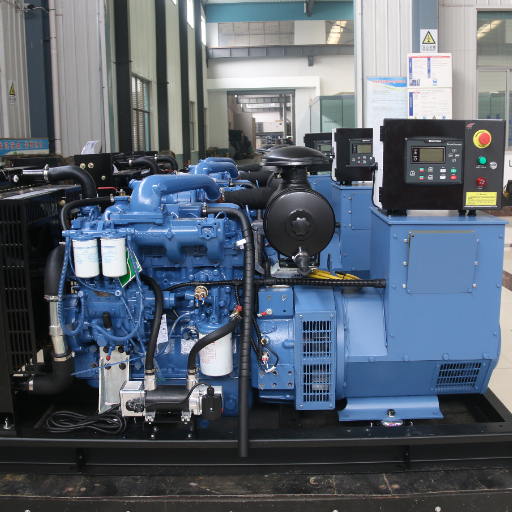
Noise and cost are the headline factors, but the enclosure also changes how the machine runs and how it is serviced.
Open Cooling vs Silent Ventilation
An open generator has unrestricted airflow. The radiator sees free air, and the engine runs at its designed temperature even in hot climates. This is a real advantage for open units in desert or tropical conditions.
A silent canopy restricts airflow to keep noise in. That restriction becomes a thermal problem in high ambient temperatures. A silent unit may need a 15–20% capacity margin or a remote radiator in hot climates, because the engine cannot shed heat as easily through the baffled enclosure.
Raj, a plant engineer in Chennai, learned this when a silent 500 kVA unit started overheating during a summer heatwave. The enclosure was sized correctly for the load but not for the 42°C ambient temperature. He had to derate the set and later add a remote radiator. In a hot climate, an open unit inside a ventilated room, or a silent unit with a larger margin, is the safer spec.
Maintenance Access
Open units win on serviceability. A technician can reach the engine, filters, and wiring from every side without removing anything. Silent units require opening canopy doors and sometimes removing panels first, which adds roughly 10–20 minutes per service visit. Across a year of maintenance, open units can cut labor time by up to 20%.
The tradeoff is that the open unit’s easier access only matters if it is installed somewhere you can work on it, and that somewhere is usually the generator room you already paid for.
Weather, Security, and Safety
The enclosure is not just about sound. It changes how well the generator survives its environment and how safe it is to be around.
Silent: Weatherproof and Lockable
A silent canopy carries an IP23 to IP55 ingress rating, meaning it resists rain, snow, dust, and salt spray. That is why a silent unit can sit outdoors year-round on a pad. The lockable doors also protect the control panel, battery, and fuel, which matters on construction sites and in remote locations where theft is a real risk.
Open: Exposed and Vulnerable
An open generator has zero weather protection and zero security unless it is housed. Rain corrodes the alternator, dust clogs the air intake, and sunlight degrades hoses and seals over time. Exposed hot exhaust manifolds, belts, and fans also create burn and injury hazards for anyone working nearby.
If a covered, ventilated generator room already exists, none of this matters and the open unit is the economical choice. If it does not exist, the silent canopy provides weather protection, security, and safety in one package that you would otherwise have to build around the open unit.
Still weighing the enclosure against other project decisions? See our guide to one large generator vs parallel generators for how enclosure choice fits the bigger power-system architecture.
Matching the Enclosure to Your Application
The right enclosure depends almost entirely on where the generator lives and who is nearby.
When an Open Generator Makes Sense
Choose an open generator when any of these apply:
- You already have a dedicated indoor machine room with ventilation and acoustic treatment.
- The site is remote or industrial with no noise-sensitive neighbors.
- Maintenance access is a priority and you want the fastest possible service.
- Budget is the dominant constraint and you can accept the room cost.
When a Silent Generator Is Required
Choose a silent generator when the site is noise-sensitive or the unit is exposed:
- The nearest occupied building is within roughly 50 meters.
- The generator runs at night, in a hospital, hotel, office, or residential area.
- Local noise ordinances set a dB limit at the property line.
- The unit must sit outdoors with no existing shelter.
- Security against theft or tampering is a requirement.
For hospitals and healthcare, “super silent” applications typically require below 60 dB(A) at 7 meters. Lena, a site manager in Berlin, found this out the hard way. Her urban construction project ran an open unit that violated the site’s 65 dB ordinance, and the resulting fine was larger than the silent unit’s premium would have been. The quiet option is often the cheaper option when compliance is on the line.
How to Choose: A 6-Point Checklist
Work through these six points in order and the decision usually makes itself.
- Check for an existing room. A covered, ventilated generator room makes an open unit economical.
- Measure the distance to neighbors. Within about 50 meters, or during nighttime operation, points to silence.
- Confirm the noise limit. Know the dB(A) limit at the property line and at what distance it is measured.
- Cost the room vs the canopy. Compare the generator room cost against the silent canopy premium, not the sticker prices.
- Account for climate. In hot climates, add a 15–20% margin to a silent unit or choose open inside a ventilated room.
- Factor in maintenance. If fast service access matters most, open wins; if weather and security matter, silent wins.
One more option is worth knowing. If you already own an open unit and now face a noise complaint or a new ordinance, a drop-over acoustic enclosure can retrofit the existing set for roughly 30–50% of a new silent unit’s premium. It is not as tidy as a factory canopy, but it beats building a room from scratch.
Need help placing your project on this checklist? Our engineers will review your site, noise limit, and existing infrastructure, then recommend the open or silent configuration with the lowest total installed cost.
Frequently Asked Questions
Which is better, an open or a silent diesel generator?
There is no universal answer. A silent generator is better for noise-sensitive or outdoor sites because it is quieter, weatherproof, and secure. An open generator is better for indoor machine rooms and budget-sensitive projects. Compare installed cost, not just purchase price.
How much louder is an open generator than a silent one?
An open generator runs at roughly 85–110 dB(A), while a silent unit runs at 65–75 dB(A) at 7 meters. That 30–40 dB gap sounds about four times quieter on the logarithmic decibel scale.
Is a silent generator worth the extra cost?
Usually yes if you lack an indoor room. The silent canopy premium is 20–40%, but building a generator room for an open unit costs 5,000–5,000–50,000+. Silent units often have a lower total installed cost.
Can I use an open generator outdoors?
Only inside a protective shelter. An open generator has no weather protection, so rain, dust, and tampering will damage it if left exposed.
Do silent generators overheat more easily?
They can. The enclosure restricts airflow, so a silent unit may need a 15–20% capacity margin or a remote radiator in hot climates to avoid derating.
Conclusion
The open vs silent diesel generator decision is really a decision about the enclosure and where the unit will live. Open generators are cheaper to buy, cooler running, and easier to service, but they are loud and need an indoor room. Silent generators cost more upfront but are installed outdoors, meet noise rules, and protect themselves from weather and theft.
Here is what to remember:
- Open runs 85–110 dB(A); silent runs 65–75 dB(A).
- Open is 10–35% cheaper to buy, but the generator room can cost 5,000–5,000–50,000+.
- Silent canopies add 20–40% but can cut installation costs by 50–70%.
- Compare installed cost, not sticker price.
- Match the enclosure to the room you have and the distance to people.
Shandong Huali Electromechanical Co., Ltd. manufactures both open-frame and silent diesel generator sets from 8 kVA to 4,000 kVA, with OEM/ODM canopy customization for noise targets, IP ratings, colors, and base fuel tanks. If you are not sure which enclosure fits your project, we will cost both and let the total installed cost decide.
