
Battery energy storage responds in milliseconds and costs far less to run, but it only lasts 2 to 4 hours before it is spent. A diesel generator takes seconds to minutes to start and costs more per hour, but it runs for days as long as you keep refueling it. The honest answer to the diesel generator vs battery energy storage backup question is usually both: a battery for short, frequent outages and a smaller generator for long ones.
Here is the trap most buyers fall into. They compare the sticker prices, see the diesel is cheaper upfront, and never look at what it costs to run. Then they spend a decade feeding a machine that only mattered during a handful of blackouts.
A diesel generator is dead weight until the outage hits. A battery earns money every single day, by shaving peaks and lowering the bill even when the grid is fine. This guide gives you the real numbers on response time, runtime, and total cost, then walks through a decision framework so you can pick diesel, battery, or a hybrid with confidence.
Key Takeaways
- Battery storage responds in milliseconds but lasts only 2 to 4 hours; a diesel generator takes seconds to start but runs for days.
- Diesel is cheaper upfront at about $1,000/kW, but a battery costs roughly 80% less to operate.
- Over 10 years, the total cost often flips to the battery when the generator runs frequently, despite the battery’s higher capex.
- A hybrid cuts generator runtime by up to 80% and fuel by 30 to 50%, and it keeps the generator from wet-stacking.
- Shandong Huali builds both diesel gensets and battery-storage power conversion, so we can supply and integrate both sides of the answer.
The Core Difference: Runtime vs Response
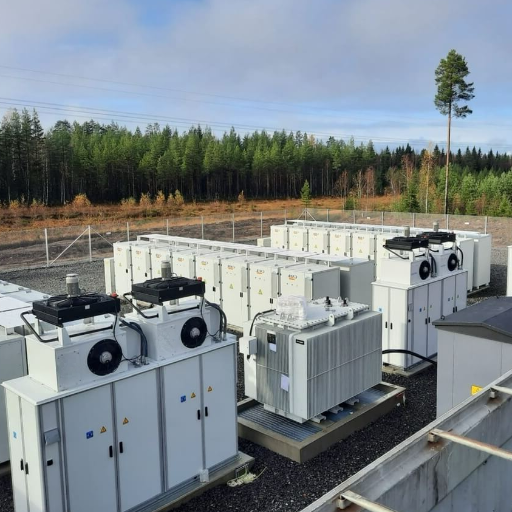
Everything in the diesel generator vs battery energy storage backup decision flows from one fact: the two technologies solve opposite halves of the same problem. One gives you speed, the other gives you endurance.
Diesel: Days of Runtime, Seconds to Start
A diesel generator’s superpower is endurance. As long as the fuel tank is fed, a diesel set continues to produce full rated power for days. A typical on-site tank carries roughly 96 hours of fuel at partial load, and you can extend that indefinitely with a bulk tank or scheduled refueling.
The cost is startup time. A diesel engine has to crank, build oil pressure, reach rated speed, and stabilize before it can accept load. That takes seconds to minutes, even with an automatic transfer switch. For a data center or a hospital, that gap matters.
BESS: Milliseconds to Respond, Hours of Runtime
A battery energy storage system (BESS) flips the tradeoff. Its inverter responds in milliseconds, effectively acting like a UPS. When the grid drops, the battery takes the load with no perceptible gap.
The limit is duration. Most BESS units are sized for 2 to 4 hours at full load. Stretch that and the cost climbs sharply because you’re buying more battery cells. A battery alone can’t ride through a multi-day blackout.
Want the component-level detail? See our guide to the power conversion system for energy storage for how the DC-to-AC inverter works, grid-forming versus grid-following modes, and PCS sizing.
The Runtime Rule That Resolves Most Cases
Here is the single fact that settles most decisions: if your outages last minutes to a few hours, a battery is usually the better tool. If they last a day or more, you still need a generator.
| Factor | Diesel Generator | Battery Energy Storage (BESS) |
|---|---|---|
| Response time | Seconds to minutes | Milliseconds |
| Runtime | Days (refuel as needed) | 2 to 4 hours typical |
| Upfront cost | ~$1,000/kW | ~$1,300/kW (4-hour) |
| Operating cost | High (fuel + maintenance) | ~80% lower |
| Lifespan | 15 to 20 years | 10 to 15 years |
| Noise / emissions | Loud, exhaust | Silent, zero-emission |
| Daily value | None | Peak shaving, demand response |
| Best for | Long outages, remote sites | Short, frequent outages |
Not sure how long your outages actually last? Pull 12 months of outage logs and count the events. If most run under two hours, you may not need a full diesel fleet. Our engineers will review your outage profile and recommend the right mix at no cost.
Cost: Capex vs Opex and the TCO Reversal
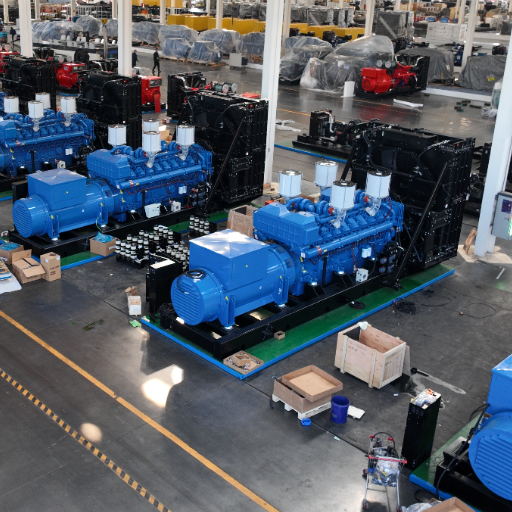
On paper, the diesel generator vs battery energy storage backup decision looks like a clear win for diesel. It isn’t that simple once you count what each option costs to run.
Upfront Cost Favors Diesel
According to recent cost benchmark data from the U.S. National Renewable Energy Laboratory (NREL), the installed cost of a diesel generator is approximately $1,000 per kilowatt, whereas the cost of a 4-hour energy storage system is close to $1,300 per kilowatt. For a 250-kilowatt requirement, the pre-installation costs would be $250,000 and $325,000, respectively; the diesel generator wins out in the procurement comparison.
Operating Cost Favors BESS
The tables turn when you run the machines. Diesel fuel and maintenance push the real cost of diesel-generated power to roughly 0.30to0.30to0.50 per kWh. A grid-charged battery delivers power for about 0.10to0.10to0.15 per kWh with near-zero maintenance.
Consider the figures for 1,000 hours of operation: a diesel generator set incurs fuel costs of $15,000 to $18,000, plus at least $2,500 in maintenance expenses; in contrast, a battery system delivering the same amount of energy costs only $2,500 to $4,500 for electricity and requires virtually no maintenance. The operating costs of the battery system are approximately 80% lower.
A Worked 10-Year Example
Mateo, a plant manager in Monterrey, specified a 250 kW diesel generator for a facility that averaged 300 outage hours a year. The 250,000-unit was 75,000 cheaper than an equivalent battery system, so the purchase felt like a win. Over the next decade, fuel, oil changes, and service added about $190,000, and the generator needed an expensive overhaul in year eight.
His neighbor facility, with a similar load profile, paired a smaller 100 kW generator with a 4-hour battery. The battery absorbed the short, frequent events, and the generator only started for genuine emergencies. That plant’s ten-year operating bill came in about 60% lower, and the smaller generator had not yet needed a major overhaul. The “cheap” diesel was the expensive decision.
Emissions, Noise, and Compliance
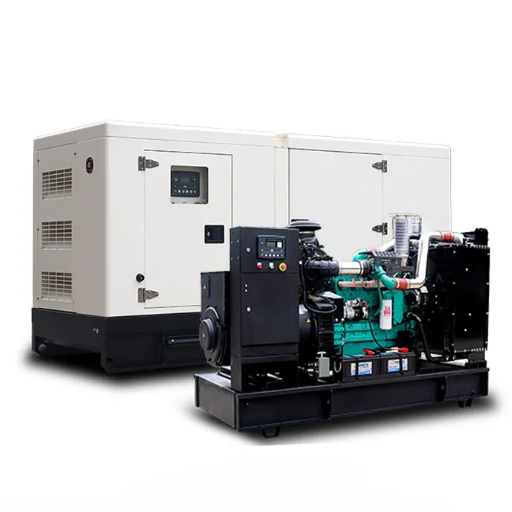
Diesel’s Noise, Exhaust, and Testing Costs
Diesel generators are loud, and they emit exhaust. On many sites that means noise ordinances, emissions limits, and a five-figure annual bill just for load-bank testing. A diesel also needs its weekly or monthly exercise run, which burns fuel for zero useful output.
BESS’s Silent, Clean Advantage and Incentives
A battery makes no noise and no exhaust, which simplifies siting near people and eases ESG reporting. In the United States, a battery system is also eligible for a 30% federal investment tax credit; a diesel generator is not.
Those two facts are quietly moving new data centers toward batteries. Diesel capacity still grew from 20 GW in 2018 to 55 GW in 2024, but new projects now cover only 15 to 40% of load with diesel, and batteries appear in almost every new build. For more on the industrial comparison, see Thompson Power Systems’ BESS vs generator analysis.
When Diesel Still Wins
A battery is not the answer everywhere. In two situations, the diesel generator still owns the decision.
Multi-Hour and Multi-Day Outages
If your site can face an outage that lasts longer than your battery, you still need a generator. A hospital in a hurricane zone, a factory in a region with unstable grid supply, or any site that cannot accept an 8-hour blackout needs the diesel’s endurance. No four-hour battery can cover a multi-day grid failure.
Anja, a facilities engineer at a hospital on the Gulf Coast, sized her backup for a category-4 storm, not a brownout. Her region had seen a 72-hour outage after the last major hurricane. A 4-hour battery would have been exhausted before the storm cleared, so she kept two diesel gensets and added a small battery only to bridge the seconds before they started. The battery handled the handoff; the generators handled the week.
Remote and Weak-Grid Sites
In remote or off-grid locations, diesel has another edge: you’re bringing your own energy. A battery must be charged from the grid or from solar, and a weak grid may not be able to refill it. Diesel runs anywhere you can truck in fuel.
The Hybrid Answer: Battery Plus a Smaller Generator
The best answer to the diesel generator vs battery energy storage backup question is often neither one alone. It is both working together.
Battery for Short Events, Generator for Extended Outages
In a hybrid, the battery takes every short interruption instantly, so the generator never starts for a 30-second blip. The generator only fires for genuine, extended outages. This can cut generator runtime by up to 80% and fuel consumption by 30 to 50%, because the diesel no longer burns fuel during brief events or low-load exercise.
Peak Shaving and the Wet-Stacking Fix
There is a second payoff. A diesel generator that runs at low load, under about 30 to 40% of its rating, suffers from wet stacking, where unburned fuel builds up in the exhaust. A battery lets you run the generator in its efficient 70 to 80% band and use the battery to absorb the peaks. That solves both the fuel waste and the engine fouling. See our wet-stacking prevention guide for the full explanation.
Priya, an engineer at a mining microgrid in Western Australia, paired a 200 kW generator with a 1 MWh battery. The battery carried the site through the frequent short grid drops, and the generator ran only a few hours a week, always near full load. Fuel deliveries fell by 40%, the generator’s service interval doubled, and the site stopped its wet-stacking problem entirely. For a deeper look at that use case, see our mining power supply solution.
How to Choose: A 6-Point Checklist
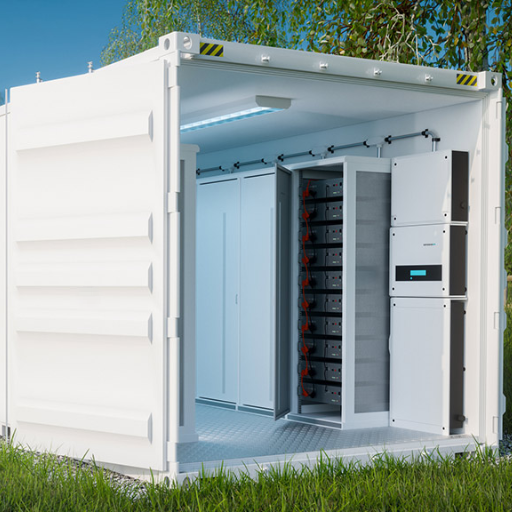
Work through these six points in order and the decision usually makes itself.
- Log your outages. Count events and their duration over the last year. Most under two hours points to a battery.
- Find your longest realistic outage. A day or more means you still need a generator.
- Cost the capex. The cost of diesel power generation is approximately $1,000 per kilowatt, whereas the cost of a 4-hour energy storage battery is around $1,300 per kilowatt.
- Cost the opex. Estimate annual run hours, then apply 0.30to0.30to0.50/kWh for diesel versus 0.10to0.10to0.15/kWh for battery.
- Factor in incentives and emissions. The 30% tax credit and zero exhaust can tip the math.
- Consider the hybrid. A smaller generator plus a battery often beats either alone on total cost and resilience. If you are sizing that generator, start with our how to size a diesel generator guide.
Frequently Asked Questions
Is a battery better than a generator for backup power?
For short, frequent outages, yes. A battery responds in milliseconds and costs less to run. For long outages, a generator is still better because it can run for days.
How long does a battery backup last compared to a generator?
A typical battery lasts 2 to 4 hours at full load. A diesel generator runs for days as long as it has fuel.
Is battery storage cheaper than a diesel generator?
Upfront, diesel is cheaper at about 1,000/kWversus1,000/kWversus1,300/kW for a 4-hour battery. Over 10 years, the battery is often cheaper because its operating cost is roughly 80% lower.
Can a battery replace a diesel generator?
For sites with short outages and a strong grid, largely yes. For multi-day outages or remote sites, no. The most common modern answer is a hybrid.
What is a hybrid generator and battery storage system?
A system that uses a battery for instant, short-duration power and a smaller generator for extended outages. It cuts generator runtime by up to 80% and fuel by 30 to 50%.
Conclusion
The diesel generator vs battery energy storage backup decision is not about which technology is better. It is about which one matches your outages. A battery wins on speed and running cost. A diesel wins on endurance. In most critical facilities, the smart money is on a hybrid that uses each for what it does best.
Here is what to remember:
- Battery: milliseconds, 2 to 4 hours, roughly 80% lower opex, no emissions.
- Diesel: seconds to start, days of runtime, cheaper capex, but costly fuel and maintenance.
- The 10-year TCO flips to the battery for frequent use, despite its higher capex.
- A hybrid cuts runtime by up to 80% and fuel by 30 to 50%.
- Match the technology to your longest realistic outage, not your average one.
Shandong Huali Electromechanical Co., Ltd. manufactures diesel generator sets from 8 kVA to 4,000 kVA and is expanding into battery energy storage with our own power conversion systems. Because we build both sides, we can give you an honest comparison instead of a pitch for one technology. Tell us your outage profile, and we will model all three options and recommend the lowest-total-cost answer.
