
A safe generator wet stacking load percentage is 50-80% of rated load. Never run a diesel generator below 30% of its rated load for extended periods. That’s the floor where wet stacking begins: the engine runs too cool to burn fuel completely, so unburned fuel, soot, and moisture build up in the exhaust.
A service technician once sized a hospital’s monthly NFPA 110 test using the kVA amps on the transfer switch. The logbook showed a clean 30% run, month after month.
The engine was actually carrying about 24% of its nameplate kW. The 30% requirement applies to kW, not kVA. The deposit buildup kept growing while the paperwork said the test passed.
That confusion is more common than it should be, so this reference guide covers the whole load percentage question: why 30% is the line, what each band does to the engine, how to calculate your own number, the difference between load percentage and load factor, and how the thresholds change by duty type. It is the companion to two deeper guides: the diesel generator wet stacking calculator for computing your exact numbers, and generator wet stacking prevention for the condition itself. Shandong Huali Electromechanical manufactures diesel generator sets from 8 kVA to 4,000 kVA and factory load-tests every unit at 100% rated load.
Key Takeaways
- Wet stacking starts when a generator runs below 30% of rated load for extended periods; the safe band is 50-80%.
- The 30% floor applies to nameplate kW, not kVA. A test sized by kVA amps can be 20% lighter than required.
- Some engines need about 60% load for complete combustion, and Tier 4 sets with EGR may need about 75%.
- Load percentage is the load during a run; load factor weights that load by how often the set runs.
- Fix low-load running with a 75-100% load bank burn-off for 1-4 hours, or right-size the set.
What Load Percentage Causes Wet Stacking?
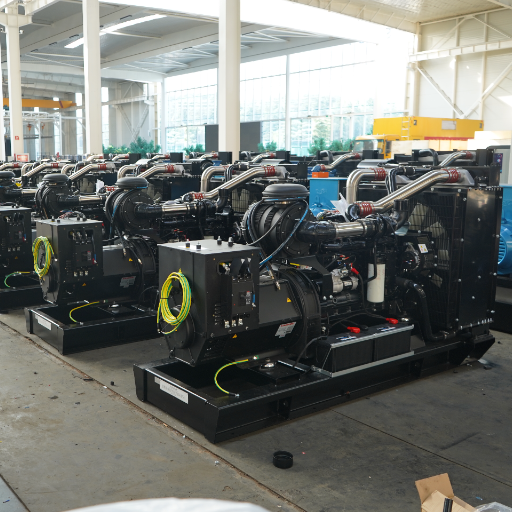
Wet stacking begins when a diesel generator runs below 30% of its rated load for an extended period. Sustained running in that range prevents the engine from reaching complete combustion, and the unburned fuel and carbon accumulate in the exhaust system. A generator running at 25% load for weeks is effectively a wet-stacking machine in the making.
The wet stacking 30% rule is the consensus across Generac’s wet stacking fact sheet, Avtron Power’s wet stacking guide, and the NFPA 110 test requirement. It’s not a comfort zone. It’s the floor.
Why is 30% the Line
Below about 30% load, a diesel engine cannot hold the exhaust gas temperatures needed for complete combustion, roughly 540°F (280°C). Fuel passes through the cylinders partly burned and condenses in the manifold, turbo, and exhaust piping. Run long enough in that range and the four stages of wet stacking follow: soot, exhaust slobber, cylinder glazing, and permanent wear. A monitored generator averaging 39.56% of capacity was already rated “at the border of the danger zone” for wet stacking in a field report. That report is a useful reminder: a margin above 30% is not the same as safety.
The Conservative View: 60% for Some Engines, ~75% for Tier 4
The 30% floor is a general minimum, not a guarantee. Some engines need about 60% load before cylinder temperatures cross the complete-combustion threshold, and Tier 4 units with exhaust gas recirculation may need around 75% because their peak combustion temperatures run lower. If your engine manufacturer publishes a generator minimum load percentage, that number overrides the general rule. When in doubt, treat 50-60% as the working minimum and 50-80% as the target band.
The Generator Wet Stacking Load Percentage Table
This is the reference table for every band. It mirrors what the calculator computes, framed here as the legend you apply by eye.
| Load percentage | Condition | Wet stacking risk | What to do |
|---|---|---|---|
| 0-30% | Very light | High: deposits build, monthly test does not count | Load bank, fix the schedule, or right-size |
| 30-50% | Light | Moderate: combustion is borderline, efficiency is low | Monitor every run, keep the test at 30% or above |
| 50-80% | Optimal | Low: clean combustion, best fuel economy | Maintain the load pattern |
| 80-100% | High | Low, but minimal reserve capacity | Watch exhaust temperature and reserve |
| Above 100% | Overload | Not a wet stacking case, but high wear and voltage drop | Reduce load immediately |
Two details make the table easier to use. First, the risk bands assume sustained operation. A 20-minute startup at 20% load is fine; 30% applies to how long the set actually runs loaded.
Second, a set in the 30-50% band isn’t broken. It just lives below the efficiency sweet spot, burns more fuel per kilowatt-hour, and leaves less margin before wet-stacking conditions.
How to Calculate Generator Load Percentage
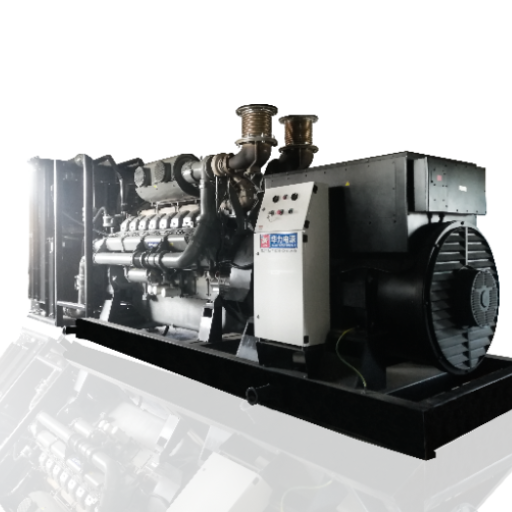
The calculation is simple once the units match.
The Formula
Load percentage = (running load kW ÷ generator rating kW) × 100.
For example, a 400 kW set carrying 90 kW runs at 22.5%. A 300 kW set carrying 200 kW runs at 67%. The rating is the nameplate number, and the load is the real kW the controller records during a run, not the startup spike.
kW vs kVA: The 30% Rule Applies to kW, Not kVA
This is the detail that costs facilities real money. Diesel generators are often rated in kVA, but the 30% requirement applies to the engine, and the engine loads are in kW. The rule reads 30% of nameplate kW, not 30% of kVA.
On a common 850 kVA / 680 kW set with a 0.8 power factor, 30% by kW is about 245 A, while 30% by kVA is about 307 A. A technician who sizes the monthly test by kVA amps runs roughly 20% heavier on paper than the engine actually carries. The logbook looks compliant, and the deposits grow anyway. If your rating is in kVA, convert to kW = kVA × 0.8 before applying any load rule. Our guide to generator kW vs kVA explains the conversion and why generator ratings use both units.
Measuring Real Load
Your control panel or ATS logs kW output on every run. Read the highest sustained value, not the few seconds of startup spike. If the panel supports generator remote monitoring and smart control panels, pull a month of logs and use the peak sustained number.
If you only have a single reading, take it 20 minutes into a loaded run once temperatures stabilize. For the exact risk band and load bank size from your number, use the diesel generator wet stacking calculator.
Load Percentage vs Load Factor
These two numbers are often confused, and the difference matters for sizing decisions.
What Is a Diesel Generator Load Factor?
Load factor weights the running load by how often the set runs. The simple version is load factor = (% of time the set runs) × (average load % during those runs).
A prime-power set at a poultry farm ran 20 hours a day at 85% load for years without a wet stacking issue. The standby unit beside it idled at 15% for 364 days a year and glazed its cylinders within 18 months. Both sets had respectable peak load percentages.
Their load factors were completely different. Load factor describes overall duty; load percentage describes what happens during a run.
What a “Minimum Load Ratio” Setting Actually Does
Hybrid and grid-connected controllers offer a minimum load ratio setting, usually 30%. As HOMER’s documentation explains, that setting doesn’t stop the generator from starting or stopping. It only prevents the generator from running below the set percentage.
Excess power goes to deferrable loads, battery charging, or is dumped as waste. So a software minimum-load ratio is a guardrail, not a wet-stacking cure on its own. It changes where the engine runs, not how cleanly it burns.
Generator Wet Stacking Load Percentage by Duty Type
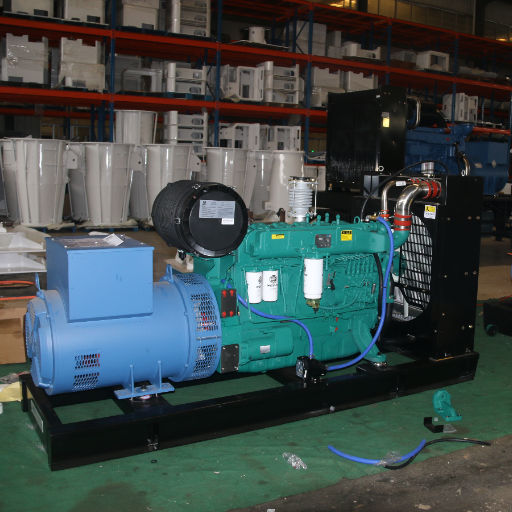
The target load percentage depends on how the set is rated and what it powers.
| Duty type | Safe load % | What to expect |
|---|---|---|
| Standby | 30% minimum per test, 50-80% target | Monthly NFPA 110 test at 30%+ of nameplate kW |
| Prime | 70-80% | Sized close to real load, best fuel economy |
| Continuous | 80-90% | 100% is the rating limit, not the target |
| Tier 4 / EGR | ~75% minimum | Lower combustion temperatures need more load |
Standby Power
Standby sets run rarely and carry emergency loads. The NFPA 110 30 percent load test anchors the schedule: a monthly exercise of 30 minutes at 30% or more of nameplate kW, with an annual supplemental load bank test if the building can’t reach 30% (50% for 30 minutes plus 75% for 1 hour). Because standby loads are small and intermittent, standby sets are the most common wet stacking victims. The 30% floor is your test target, not your comfort zone.
Prime Power
Prime sets run continuously and are sized closer to the real load. Target 70-80% load for best fuel economy and clean combustion. A prime set that consistently runs below 50% is both wasting fuel and building deposits, and it’s usually a sign the set was oversized for growth that never arrived.
Continuous Rating
Continuous-rated sets can hold 100% load indefinitely, but that is their limit, not their target. Running continuously at 80-90% is normal and healthy. Sustained low load in the 30-40% band still risks deposits on a continuous machine, so the same floor applies.
Tier 4 / DPF / EGR Engines
Emissions-equipped engines change the math. They run lower combustion temperatures and trap soot in aftertreatment instead of showing black smoke, so they may need a higher minimum load, roughly 75% on some units, to stay clean. For these sets, use the engine manufacturer’s minimum load and treat exhaust temperature as your early warning signal.
What a Low Load Percentage Does to the Engine
Running below the safe band is not a slow idle. Instead, it is a sequence of accumulating damage:
- 5-15% efficiency loss from carbon buildup on injectors and piston rings
- Exhaust system corrosion from acidic condensation in cool piping
- Turbocharger coking as soot coats the turbine wheel and vanes
- Oil dilution as unburned fuel washes past the rings into the crankcase
- Cylinder glazing that prevents piston rings from seating
- Exhaust fire hazard in extreme cases, when accumulated fuel ignites at high temperature
Signs You Are Already Wet Stacking
- Black, oily residue (exhaust slobber) around turbo and exhaust joints
- Blue or white smoke at startup after long light-load runs
- Oil level rising between changes from fuel dilution
- Exhaust gas temperatures below 400°F (204°C) during a loaded run
If three or more signs appear, run a loaded burn-off before the damage compounds. The condition itself, its stages, and how to reverse it are covered in depth in the generator wet stacking prevention. Here, the point is simpler: every one of those failure modes starts with a load percentage below the floor.
How to Fix a Low Load Percentage
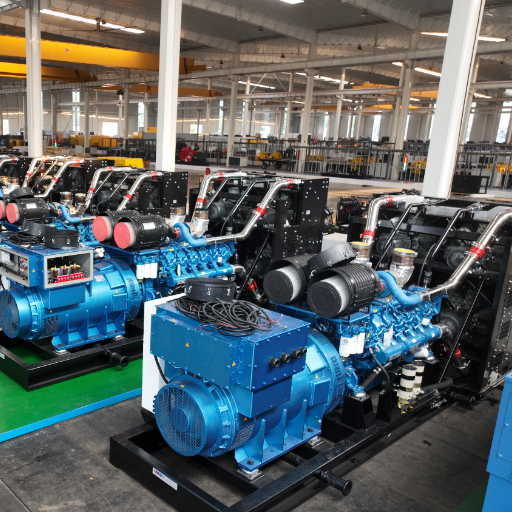
Load Bank Burn-Off
The standard fix is a load bank run at 75-100% of rated load for 1-4 hours to burn off accumulated deposits. For example, severe cases need a step-up from below 25%, holding each step for about 20 minutes. For the full procedure, rental options, and safety interlocks, see our guide to load bank testing for diesel generators.
Right-Size or Add a Permanent Load Bank
The structural fix is sizing. If peak demand never exceeds 40% of nameplate, the set is oversized, and no amount of monthly testing fixes that. Right-size target: expected load kW ÷ 0.7. Or add a permanent load bank that engages whenever the building load drops below the threshold. Our guide on how to choose a diesel generator size covers the full sizing methodology.
Monitor With EGT and Controller Logs
Prevention after the fix is a habit. Track exhaust gas temperature during exercise runs and trend it monthly. Review controller logs quarterly and flag any run below 30%. Build this into your how-to build a generator load schedule so the discipline survives personnel changes.
Frequently Asked Questions
What load percentage prevents wet stacking?
Run the set at 50-80% of rated load for normal operation, and never below 30% for extended periods. The 30% figure is the floor, not a comfort zone.
Is a 30% load safe for a diesel generator?
30% is the minimum for avoiding wet stacking, not the ideal operating point. Some engines need 60% and Tier 4 units may need about 75%. Treat 50-80% as the safe target band.
What happens if my generator runs at 25% load?
25% load sits inside the wet stacking danger zone, below the 30% floor. Fuel burns incompletely, deposits build, and your monthly test won’t count. Fix it with a load bank burn-off or a smaller set.
How do I calculate my generator’s load percentage?
Divide the running load in kW by the generator rating in kW, then multiply by 100. If the rating is in kVA, convert first with kW = kVA × 0.8.
Does the 30% rule apply to kW or kVA?
kW. The requirement is 30% of nameplate kW, because the engine loads in kW. On an 850 kVA / 680 kW set, 30% by kW is about 245 A versus 307 A by kVA, so a kVA-based test runs about 20% too light.
Why does my generator wet stack at 40% load?
The 30% floor is a general minimum, not a guarantee. Your engine may need closer to 60%, or a Tier 4 aftertreatment system may raise the requirement to about 75%. Check the engine manufacturer’s minimum load and your exhaust temperatures.
What is a good generator load factor?
There is no single ideal load factor, because it depends on duty. A standby set that runs rarely will always have a low load factor even at healthy load percentages. Prime sets should aim for a high load factor with running loads in the 70-80% band.
Conclusion
The generator wet stacking load percentage rules fit in three lines: never run below 30% for extended periods, target 50-80% for normal operation, and treat 30% as the floor for nameplate kW, not kVA. Measure the real kW your controller records, watch the load factor if you manage runtime, and respect the higher minimums on 60%-threshold engines and Tier 4 aftertreatment sets.
At Shandong Huali Electromechanical, we build Huali diesel generator sets from 8 kVA to 4,000 kVA and factory load-test every unit at 100% rated load before delivery. If you are not sure what load percentage your set actually runs at, send us your generator rating and your controller’s peak kW reading. Our engineers will tell you whether you are in the safe band, size your load bank, and recommend the right unit. Request a sizing review today.
