
A mining power supply solution is an integrated system of diesel or gas generators, switchgear, fuel systems, and optional solar-battery hybrid assets that delivers reliable electricity to mine sites without depending on the public grid. For remote and off-grid mines, the right solution keeps crushers, mills, camps, and ventilation running while cutting fuel costs by 30–50% when hybrid renewables are included.
When a power outage stops a processing plant, every idle hour burns money. A single conveyor shutdown at a mid-sized gold mine can cost tens of thousands of dollars in lost throughput. Worse, lost power underground threatens ventilation, pumping, and worker safety. Mines cannot treat power as an afterthought.
In this guide, we explain how to design, size, and source a mining power supply solution for camps, processing plants, open-pit operations, and underground facilities. We also show how a factory-direct generator OEM can deliver the prime power, backup redundancy, and hybrid integration that remote mines need.
This article is written for project engineers, mine managers, and procurement teams who must keep production running where utility power is unavailable or unreliable.
Key Takeaways
- A mining power supply solution combines generators, switchgear, fuel systems, and optional solar/BESS to power remote mine sites.
- Diesel generators remain the backbone, but solar-diesel-battery hybrids can cut fuel use by 30–50% and reduce emissions.
- Sizing must account for running load, motor-starting surge, power factor, altitude/temperature derating, and future growth.
- N+1 or N+2 redundancy is standard for critical mine loads to avoid single points of failure.
- Factory-direct OEMs can customize voltage, enclosure, controls, and fuel options while reducing cost and lead time for remote projects.
What Is a Mining Power Supply Solution?
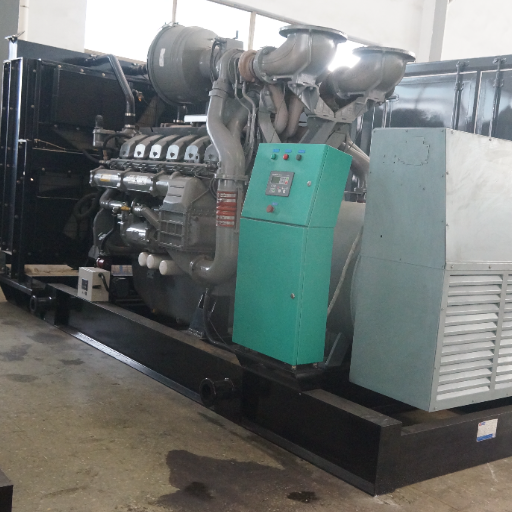
A mining power supply solution is a purpose-built energy system that generates, distributes, and manages electricity for mineral extraction and processing operations. It typically includes one or more generator sets, paralleling switchgear, transformers, fuel storage, and a control system that coordinates all assets.
Unlike a standard commercial backup system, a mining solution must operate in harsh environments, handle large cyclical loads, and often run continuously off-grid. There is no utility to absorb motor-starting surges or supply shortfalls. The design must balance reliability, fuel logistics, and total cost of ownership.
A typical industrial mining power solution includes:
- Diesel or gas generator sets: the primary source of electricity at most remote mines.
- Automatic transfer switch (ATS): transfers critical loads between generator sets or the grid.
- Paralleling switchgear: synchronizes multiple generators to share load and provide redundancy.
- Fuel storage and delivery system: holds enough diesel for days or weeks of autonomous operation.
- Transformers and distribution: steps voltage up or down for camp, process, and equipment loads.
- Solar PV and battery energy storage (BESS): optional renewable assets that reduce generator runtime.
- Remote monitoring and SCADA: tracks performance, fuel levels, faults, and maintenance needs from a central location.
The goal is to maintain continuous, safe, and cost-effective power across every part of the mine.
Why Mining Power Supply Solutions Matter Now
Three forces are reshaping how mines think about power.
Mines Are Moving Farther from the Grid
New deposits are often in remote regions where grid extension is economically impossible. Building transmission lines across hundreds of kilometers of difficult terrain can cost far more than a self-contained on-site power plant. Off-grid mines need their own reliable generation.
Diesel Costs and Logistics Keep Rising
Diesel has been the default fuel for mine power, but transporting it to remote sites adds cost, security risk, and environmental exposure. In addition, running diesel generators at partial load wastes fuel and accelerates maintenance. Hybrid systems that add solar and batteries directly address this problem.
Electrification and ESG Pressure Are Growing
The electric mining equipment market is projected to grow from USD 13.6 billion in 2026 to USD 47.3 billion by 2034, a CAGR of 15.2%. Major miners are setting net-zero targets. They are replacing diesel haulage and processing equipment with electric alternatives.
On-site power systems must evolve to support this transition.
When a copper mine in Chile added a 20 MW solar plant and 10 MWh battery to its existing diesel power station, solar penetration reached 25% during peak sun. Diesel deliveries dropped by 18%, and the project paid back in under five years through fuel savings alone.
Core Components of a Mining Power Supply System
Diesel Generator Sets for Mining
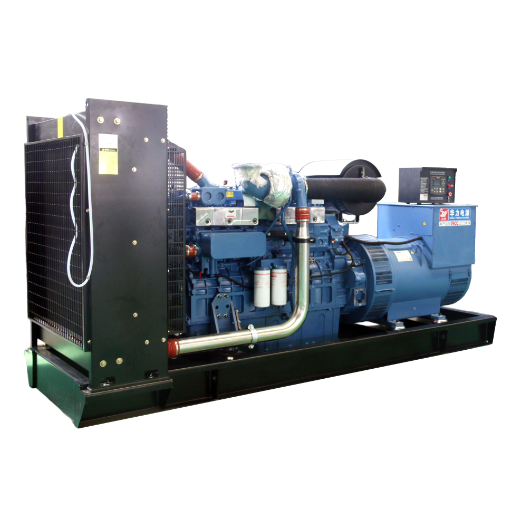
A diesel generator for mining must start quickly, handle large motor loads, and run continuously when sized for prime duty. Typical mining units range from 500 kVA for camps and auxiliary loads to 2,500 kVA or more for processing plants. Multiple units can be paralleled into multi-megawatt power stations.
Huali builds diesel generator sets from 8 kVA to 4,000 kVA for industrial and mining applications.
Switchgear, ATS, and Paralleling Systems
Switchgear protects the electrical network and controls power flow. An ATS transfers critical loads between generator sets or between generator and grid power. Paralleling systems synchronize multiple generators so they share load evenly and provide N+1 or N+2 redundancy.
Fuel Storage and Delivery Systems
Remote mines store large quantities of diesel on site. Fuel tanks sized for 7–14 days of autonomy are common, with larger reserves at sites with long transport distances. Fuel quality, filtration, and leak containment are critical for reliability and environmental compliance.
Solar PV and Battery Energy Storage (BESS)
Solar panels reduce daytime generator runtime, while batteries store excess solar and smooth power output. In hybrid systems, the generator runs only when solar and battery capacity are insufficient. This cuts fuel use, reduces engine maintenance, and lowers emissions.
Transformers and Distribution Networks
Mine power systems often use medium voltage for distribution and step down to low voltage at the load. Common distribution voltages include 4.16 kV, 6.6 kV, 11 kV, and 15 kV. Proper cable sizing, protection, and grounding are essential for safety.
Remote Monitoring and SCADA
Modern mine power systems use SCADA and cloud-based monitoring to track generator status, fuel levels, battery state of charge, alarms, and energy production. Remote visibility reduces the need for site visits and helps maintenance teams respond before failures occur.
Mining Power Applications and Load Profiles
Mine Camps and Accommodation Power
A mining camp power solution must provide reliable electricity for lighting, HVAC, kitchens, water treatment, and communications. Loads are relatively stable but must run 24/7. A camp power solution often uses one or two prime-rated diesel generators with an ATS and modest fuel storage.
Processing Plant Power Systems
Crushers, ball mills, SAG mills, conveyors, and pumps dominate processing plant loads in a mine site power system. These are large motor loads with high starting currents. The power system must handle simultaneous running demand plus the largest motor-starting surge without excessive voltage dip.
Underground Operations
Underground mines require power for ventilation fans, dewatering pumps, hoists, compressed air, and lighting. These loads are critical for safety. Backup power must start automatically if the main supply fails, and redundant ventilation is often required by regulation.
Open-Pit Operations
Open-pit mines use diesel or electric drills, shovels, haul trucks, and support equipment. Mobile power stations and skid-mounted generators can be relocated as mining fronts move. Electric haulage increasingly relies on trolley-assist or charging infrastructure tied to the mine power grid.
Exploration and Temporary Construction Power
Early-stage exploration and construction need fast-deployed, temporary power. Trailer-mounted or containerized generator sets can be moved as the project progresses. These solutions reduce capital commitment before the mine reaches full production.
How to Size a Mining Power Supply Solution
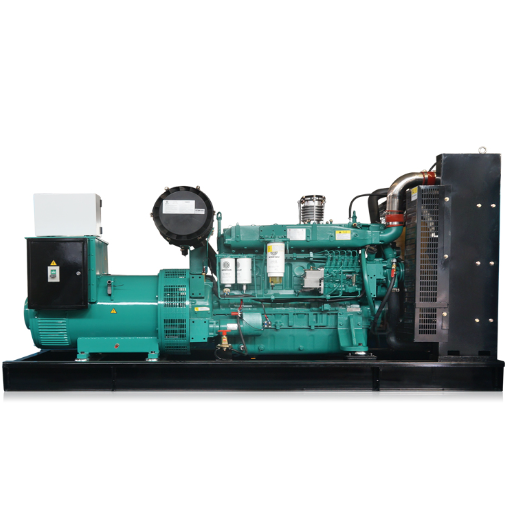
Accurate sizing prevents both under-investment and over-investment. Follow these steps.
Step 1: Inventory All Loads and Duty Cycles
List every load that must run at the same time. Record running power in kW and starting power in kVA for each item. Include motor-driven equipment such as crushers, mills, pumps, fans, and conveyors.
Step 2: Calculate Running kW and Starting kVA
Add the running kW of all simultaneous loads. Then identify the single largest motor-starting surge. Add this surge to the running total. For motors, use the NEMA code letter or manufacturer data to estimate locked-rotor kVA.
Step 3: Apply Power Factor
Generators are rated in kVA, but engines deliver kW. Use the formula kVA = kW / power factor. Mining loads often have power factors between 0.8 and 0.9. Low power factor forces the alternator to carry more current, so size the alternator for kVA and the engine for kW.
Step 4: Derate for Altitude, Temperature, and Dust
Reduced air density at altitude and extreme heat lower engine output. High dust levels require enhanced filtration and can affect cooling. Apply manufacturer derating factors to ensure the generator can deliver rated power at site conditions.
Step 5: Select Prime vs. Standby Rating
Most off-grid mines need prime power rating because the generator runs continuously. Standby ratings are typically about 10% higher but are not designed for continuous duty. Prime-rated units are sized to run at 70–80% load for long life and good fuel economy.
Step 6: Add Redundancy
For critical loads, size the plant with N+1 or N+2 redundancy. For example, if the mine needs 4 MW of continuous power, an N+1 design might use five 1 MW generators. This allows maintenance or failure of one unit without interrupting production.
Step 7: Include Future Growth Margin
Mining loads typically grow as the project expands. Add 20–25% margin to the calculated kVA. This accommodates future equipment, increased camp capacity, and ore throughput changes.
A gold mine in West Africa needed 6.5 MVA for its processing plant and camp. Engineers inventoried the loads, added the largest ball-mill starting surge of 1.8 MVA, applied a 0.85 power factor, and added 20% growth margin. The final specification was eight 1,250 kVA prime-rated generators in an N+1 configuration.
Redundancy and Reliability Design
Why Mines Need N+1 or N+2 Redundancy
A single generator failure can stop production, flood an underground level, or cut ventilation. N+1 redundancy means the plant has one extra generator beyond the minimum required. N+2 adds two. This design keeps critical loads online during maintenance or failure.
Paralleling Multiple Generator Sets
Paralleling connects multiple generators to the same bus so they share load. Modern digital governors and automatic voltage regulators keep frequency and voltage stable during load changes. Paralleled plants also improve fuel efficiency because operators can match the number of running units to the load.
Critical vs. Non-Critical Load Segregation
Not every load needs the same level of reliability. Critical loads such as ventilation, dewatering, safety systems, and process controls get priority. Non-critical loads such as camp amenities or non-essential lighting can be shed during emergencies to preserve power for life-safety systems.
Backup Power and ATS Transfer Times
When the main power source fails, an ATS transfers critical loads to a standby generator. Transfer times typically range from a few seconds to under 20 seconds. Underground safety systems may also require uninterruptible power supplies (UPS) to bridge the gap during transfer.
Hybrid and Renewable Mining Power Systems
Solar-Diesel-Battery Hybrid Architecture
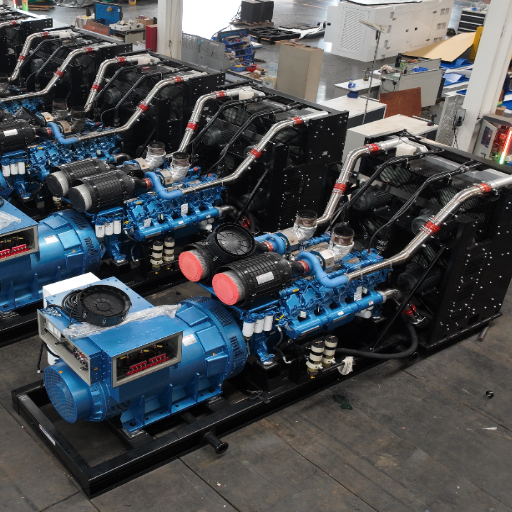
A hybrid mining power system combines solar PV, diesel generators, and BESS into a single microgrid. During the day, solar powers the loads and charges the batteries. When solar drops, the batteries take over. If battery state of charge falls below a set threshold, the diesel generator starts to recharge the batteries and power the loads.
Fuel Savings and Emissions Reduction
Hybrid systems can reduce diesel consumption by 30–50% at suitable sites. They also cut generator run hours, which extends engine life and reduces maintenance. Emissions reductions help mines meet corporate ESG targets and local environmental permits.
Notable Mine Hybrid Case Studies
- Essakane Gold Mine, Burkina Faso: 15 MW solar + 55 MW diesel station saves approximately 6 million liters of fuel per year.
- Tasiast Mine, Mauritania: 34 MW solar + 18 MW battery saves an estimated 180 million liters of fuel and 530 kt CO₂ over mine life.
- Fekola Gold Mine, Mali: 30 MW solar + 15 MWh battery can run on solar-only during peak sun.
When Hybrid Makes Economic Sense
Hybrid systems make the strongest business case where solar resource is high, diesel prices are high, and transport distances are long. The best projects combine short payback periods with long-term fuel security. A feasibility study that models load profile, solar output, and fuel costs is essential before committing capital.
Containerized and Mobile Mining Power Plants
Benefits of Containerized Generator Plants
A containerized generator for mining packages the engine, alternator, cooling, controls, and fuel system inside a standard ISO shipping container. They arrive ready to install, resist dust and weather, and can be moved by truck, rail, or ship. This reduces site construction and protects equipment in harsh environments.
Trailer-Mounted and Skid-Mounted Options
Trailer-mounted generators are ideal for exploration, construction, and open-pit operations where power needs move frequently. Skid-mounted units are common for semi-permanent installations in processing plants and camps. Both options reduce civil works and speed deployment.
Deployment and Relocation Considerations
When planning containerized or mobile power, consider access roads, crane requirements, foundation needs, fuel connections, and exhaust routing. Reusable power assets can move with the mine as operations expand or shift, protecting capital investment.
Harsh Environment Design for Mine Power
Dust Filtration and IP Ratings
Mining dust is abrasive and can damage engines and alternators. Heavy-duty air filters, cyclonic pre-cleaners, and sealed enclosures extend equipment life. Ingress protection ratings of IP54 or higher are common for enclosures in dusty conditions.
High-Altitude and Temperature Derating
Engine output drops at high altitude because thinner air reduces combustion efficiency. Radiator capacity must increase at high ambient temperatures. Manufacturers provide derating curves; engineers must apply them during sizing to avoid underperformance.
Vibration and Corrosion Protection
Mine equipment experiences constant vibration from crushers, mills, and haul trucks. Generator mounts, exhaust systems, and electrical connections must resist fatigue. Coastal or high-humidity mines may also need anti-corrosion coatings and tropicalized electrical components.
Noise Control and Enclosure Options
Noise limits near camps and communities require sound-attenuated enclosures. Silencers, acoustic insulation, and ventilation baffles can reduce noise to 75 dB(A) or lower at one meter. Enclosure design must balance noise control with cooling airflow.
Cost Analysis and TCO
Capex Breakdown
Typical capital costs include:
- Generator sets and paralleling switchgear.
- Transformers, switchgear, and distribution cabling.
- Fuel storage tanks and delivery systems.
- Containers, enclosures, and foundations.
- Solar PV, inverters, and BESS if hybrid.
- Installation, commissioning, and testing.
Opex Breakdown
Operating costs include:
- Diesel or gas fuel.
- Engine oil, filters, and scheduled maintenance.
- Battery replacement every 10–15 years for LiFePO4 systems.
- Remote monitoring and spare parts inventory.
- Site visits for troubleshooting and overhauls.
Cost per kWh Comparison
For remote mines, cost per kWh often compares as follows:
- Diesel-only: high fuel and transport costs.
- Solar-diesel hybrid: higher capex, lower opex and fuel logistics.
- Grid extension: high upfront infrastructure cost, low ongoing cost if grid is nearby.
The best choice depends on distance from the grid, solar resource, fuel price, load profile, and mine life.
Payback Period
Hybrid systems typically pay back in 4–7 years compared to diesel-only operation, depending on solar resource and fuel price. For mines with high diesel transport costs, payback can be faster. Rental or power-purchase-agreement models can also reduce upfront capital.
Buying Mining Power Equipment from a Chinese OEM
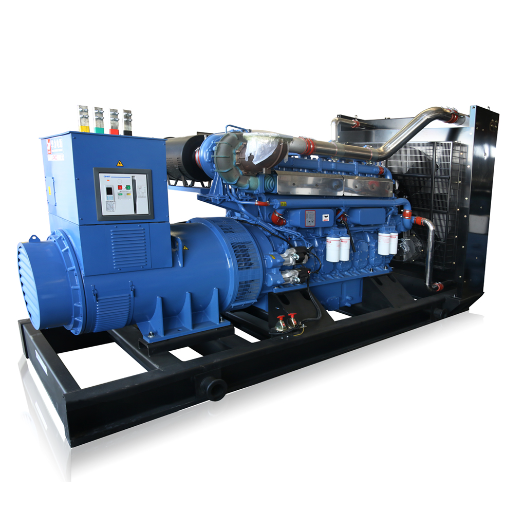
Global buyers increasingly source mining power equipment directly from OEMs to reduce cost and customize systems for specific sites.
Factory-Direct Engineering
Shandong Huali Electromechanical has more than 25 years of manufacturing experience and builds generator sets from 8 kVA to 4,000 kVA. Every unit is tested in a national-standard facility before shipment.
Engine and Component Options
Huali integrates globally recognized engines and alternators:
- Cummins: high-performance engines for demanding duty.
- Perkins: reliable power for continuous and standby applications.
- Weichai: cost-effective industrial-grade solutions.
- Yuchai: durable engines widely used in emerging markets.
- Stamford alternators: premium electrical output quality.
Customization for Mining Projects
Huali can customize voltage, frequency, enclosure type, fuel system, controls, ATS, paralleling switchgear, and remote monitoring. Containerized and trailer-mounted options are available for fast deployment and relocation.
Factory Acceptance Testing and Global Support
Before shipment, units undergo 100% testing and documented factory acceptance testing. Huali supports clients in 20+ countries with export documentation, spare parts, and technical assistance.
Looking for a reliable mining power partner? Contact Huali’s engineering team to discuss diesel, hybrid, and containerized power systems for your mine.
FAQ
What is a mining power supply solution?
A mining power supply solution is an integrated system that generates, distributes, and manages electricity for mine sites. It commonly uses diesel or gas generators, switchgear, fuel storage, and optional solar or battery assets.
How do you size a generator for a mine?
Start by listing all simultaneous loads and their running kW. Add the largest motor-starting surge, convert to kVA using power factor, apply altitude and temperature derating, add redundancy, and include a 20–25% future growth margin.
What size generator is needed for a mining camp?
Mining camp generators typically range from 200 kVA to 1,000 kVA, depending on camp size, climate, and amenities. Larger camps with full kitchens, water treatment, and HVAC may need multiple units or paralleled sets.
Why do mines use diesel generators?
Diesel generators provide high power density, fast startup, reliability, and fuel availability. They are well suited for remote off-grid mines and can handle large motor-starting loads.
What is N+1 redundancy in mining power?
N+1 redundancy means the power plant includes one extra generator beyond the minimum needed to carry the load. If one unit fails or requires maintenance, the remaining units can still support critical operations.
Can solar power work at mining sites?
Yes. Solar PV can reduce daytime diesel consumption at mines, especially in sunny regions. When paired with batteries and smart controls, solar-diesel hybrid systems can significantly cut fuel use and emissions.
What is a hybrid mining power system?
A hybrid mining power system combines diesel generators with solar panels and battery storage. Solar provides daytime power, batteries store excess energy, and diesel generators run only when needed.
How much does a mining power supply solution cost?
Costs vary widely based on load, redundancy, fuel strategy, and whether hybrid renewables are included. Small camp systems may cost tens of thousands of dollars, while multi-megawatt mine power plants can cost millions. Lifecycle cost per kWh is usually lower for hybrid systems than diesel-only designs.
What is the difference between prime and standby power in mining?
Prime power rating is for continuous operation, which is typical for off-grid mines. Standby rating is for emergency backup and is not designed for continuous duty. Prime-rated generators are the correct choice for mine-site primary power.
What are the benefits of buying mining power equipment from a Chinese OEM?
Factory-direct pricing, flexible customization, direct engineering support, and documented testing. Established OEMs also provide global delivery, spare parts, and after-sales service for remote mining projects.
Conclusion
Mining power supply solutions give remote and off-grid mines control over their own energy security. The most cost-effective designs combine diesel or gas generators, paralleling switchgear, fuel systems, and optional solar-battery hybrid assets into one coordinated system managed by smart controls.
Success depends on accurate sizing, proper redundancy, harsh-environment design, and a supplier that can customize, test, and support the system globally. At Shandong Huali Electromechanical, we supply the generator sets, hybrid integration, and remote-site expertise that anchor reliable mining power supply solutions.
Request a mining power supply solution assessment and our engineers will help you size and configure the right system for your mine.
