
Diesel fuel storage regulations require secondary containment, safe separation distances, proper venting and labeling, and regular inspections. In the US, the EPA, OSHA, and NFPA each set part of the rules, and equivalent bodies do the same worldwide. Storing more than 1,320 gallons of diesel above ground triggers a formal Spill Prevention, Control, and Countermeasure (SPCC) plan under EPA rule 40 CFR 112.
That threshold surprises a lot of facility managers. A single 1,500-gallon bulk tank feeding a standby generator is enough to put your site under federal spill-prevention law, and civil penalties for violations can exceed $59,000 per day.
If you operate diesel generators for backup power, construction, mining, or industrial production, fuel storage compliance is part of the job. The rules are fragmented across federal agencies, fire codes, and local authorities, and they change from country to country. At Shandong Huali Electromechanical, we have spent over 25 years designing generator systems with integrated fuel storage for clients in more than 20 countries, so we work inside these regulations every day.
This guide maps the rules that apply to you. We cover US federal requirements, international standards for the UK, Australia, and Singapore, generator-specific fuel storage rules, and how long you can legally and safely keep diesel on site. We finish with a practical compliance checklist you can use this week.
Key Takeaways
- In the US, storing more than 1,320 gallons of diesel above ground requires a written SPCC plan under EPA 40 CFR 112; capacity above 10,000 gallons needs Professional Engineer certification.
- Secondary containment (bunding) holding at least 110% of tank capacity is the single most common requirement across every major jurisdiction.
- OSHA classifies diesel as a Class II combustible liquid under 29 CFR 1910.106, which governs container approval, indoor storage limits, and handling.
- Generator installations have their own rules: NFPA 110 requires fuel for emergency power systems to be consumed or replaced within roughly 1.5 to 2 years.
- Untreated diesel degrades in 6 to 12 months; stabilizers, biocides, and fuel polishing can extend usable life to about 24 months.
Why Diesel Fuel Storage Is Regulated
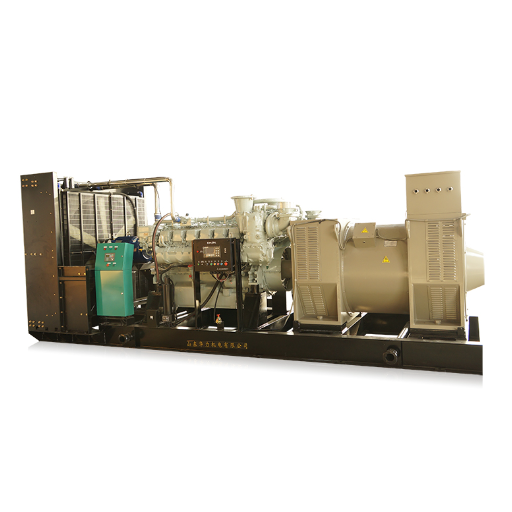
Diesel is less volatile than gasoline, but it is far from harmless. Regulators focus on two risks.
The first is environmental damage. Diesel is a persistent pollutant. A leak of even a few hundred gallons can contaminate soil and groundwater, and cleanup costs routinely run into six figures. Because spills migrate off site, liability almost always extends beyond your property line.
The second risk is fire. Under the NFPA 30 Flammable and Combustible Liquids Code, diesel is a Class II combustible liquid with a flash point above 100°F (38°C). It ignites less easily than gasoline, but large stored volumes near buildings, ignition sources, or work crews still demand strict controls on placement, venting, and containment.Fuel storage is only one part of running diesel gensets safely, so if you want the wider picture, our guide to generator safety tips covers the electrical, fire, and handling hazards that sit alongside these storage rules.
The cost of disregarding these regulations is substantial. Under the Clean Water Act, the U.S. Environmental Protection Agency (EPA) imposes civil penalties exceeding $59,000 per violation per day for non-compliance with Spill Prevention, Control, and Countermeasure (SPCC) regulations; in cases of gross negligence, the fine can reach as much as $236,000 per day. A single day’s fine alone could exceed the cost of purchasing a fully compliant storage tank.
Diesel Fuel Storage Regulations in the United States
US diesel fuel storage requirements come from three main sources: the EPA for environmental protection, OSHA for workplace safety, and NFPA codes adopted through local fire regulations. State and municipal rules often add another layer, so always confirm local requirements before installation.
EPA SPCC Rule (40 CFR 112)
The SPCC rule is the most widely applied federal diesel storage regulation. It applies to facilities that could reasonably discharge oil into navigable waters and that store:
- More than 1,320 gallons in above-ground containers (counting all containers 55 gallons and larger), or
- More than 42,000 gallons in underground storage tanks.
Covered facilities must maintain a written SPCC plan for their diesel fuel storage that includes secondary containment, spill response procedures, personnel training, and inspection schedules. Plans must be reviewed every five years. If your total above-ground capacity exceeds 10,000 gallons, a licensed Professional Engineer must certify the plan.
Consider what this means in practice. When a logistics company in Ohio added a second 1,000-gallon bulk tank for its yard generators in early 2025, its total capacity crossed the 1,320-gallon threshold overnight. Nobody updated the paperwork. An EPA inspection six months later found the site had no SPCC plan at all, and the resulting penalties and emergency consultant fees cost more than both tanks combined. Capacity changes are compliance events; treat them that way.
OSHA Diesel Fuel Storage Requirements
OSHA regulates diesel under 29 CFR 1910.106, its flammable and combustible liquids standard. Key requirements include:
- Approved containers and portable tanks; safety cans for diesel are typically yellow and clearly labeled
- Storage cabinets and indoor storage room limits for combustible liquids
- Bonding and grounding during fuel transfer to prevent static discharge
- Separation of stored fuel from ignition sources and incompatible materials
OSHA rules apply regardless of tank size, so even small operations with a few drums must comply. Building codes add their own limits: the International Building Code caps Class II combustible liquids at 120 gallons per indoor control area without additional fire protection.
NFPA 30 and Fire Codes
NFPA 30 is the model fire code for flammable and combustible liquids, and most US jurisdictions adopt it through state or local fire codes. It governs tank construction standards (UL 142 for steel above-ground tanks, UL 2085 for protected fire-rated tanks), separation distances, venting, and overfill protection.
For emergency and standby power systems, NFPA 110 adds fuel-specific requirements, which we cover in the generator section below.
Planning a new generator installation? Fuel storage design should start before the tank arrives, not after the inspector does. Talk to our engineering team about compliant, integrated fuel systems for your site.
Diesel Fuel Storage Regulations Around the World
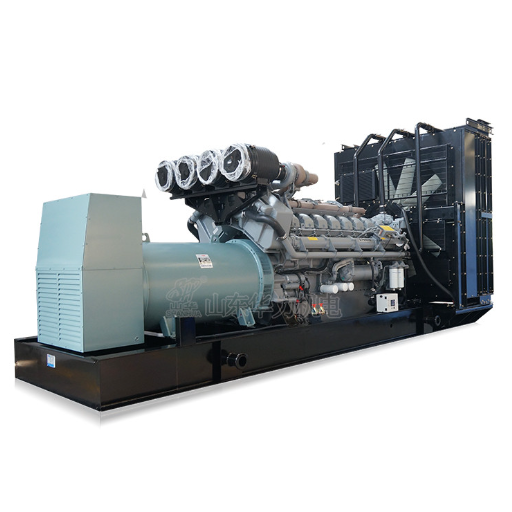
If you operate internationally, or supply equipment across borders, you need to know how the rules shift by market. Here is how three major regions compare.
| Region | Primary Regulation | Storage Threshold | Bunding Requirement |
|---|---|---|---|
| United States | EPA 40 CFR 112 (SPCC) | 1,320 gal above ground | Sized to contain largest tank plus rainfall |
| United Kingdom | Control of Pollution (Oil Storage) Regulations | Above 200 litres | Bunded tank, 110% of capacity |
| Australia | AS 1940:2017 | Varies by state and volume | 110% of largest tank |
| Singapore | SCDF Petroleum Storage Licence | Licensed from 200 litres | 110% of largest tank |
United Kingdom
The Control of Pollution (Oil Storage) Regulations apply to anyone storing more than 200 litres of diesel in England, with parallel rules in Scotland, Wales, and Northern Ireland. Tanks must be bunded or double-skinned, and the bund must hold at least 110% of the tank’s capacity. The Petroleum (Consolidation) Regulations 2014 add requirements for keeping fuel away from ignition sources.
Australia
Australian Standard AS 1940:2017 governs the storage and handling of flammable and combustible liquids. Its core requirements include bunding at 110% of the largest tank’s capacity, a minimum 3-metre separation from buildings, boundaries, and ignition sources, compliant venting, and clear hazard signage. State dangerous goods regulations, such as Victoria’s Dangerous Goods Regulations 2012, apply on top.
Singapore and Other Markets
Singapore’s SCDF requires a Petroleum Storage Licence tiered by volume: Class A up to 200 litres, Class B up to 5,000 litres, and Class C above 5,000 litres, with annual inspections for above-ground tanks. Other markets follow similar patterns: a volume threshold, a containment rule near 110%, separation distances, and documented inspections.
The pattern is consistent worldwide. If you design fuel storage to meet 110% bunding, safe separation, proper venting, and documented inspection, you are close to compliant almost everywhere. Local verification closes the remaining gap.
Core Compliance Requirements for Diesel Storage Tanks
Whatever the jurisdiction, above ground diesel fuel storage tank regulations converge on the same core controls.
Secondary Containment and Bunding
Secondary containment is a structure that catches fuel if the primary tank fails. The standard design target is 110% of the largest tank’s capacity (100% of tank volume plus margin for rainwater in open bunds). Options include bunded (double-skinned) tanks, concrete bund walls, and lined containment berms. Inspect bunds regularly and drain accumulated rainwater only after confirming it is uncontaminated.
Separation Distances and Placement
Tanks must sit at safe distances from buildings, property boundaries, ignition sources, and drains. AS 1940 specifies 3 metres as a common minimum; US fire codes vary by tank size and protection level. Placement on stable, level, load-rated foundations is universal.
Venting, Labeling, and Signage
Every tank needs normal and emergency venting sized to prevent over-pressurization during filling and thermal expansion. Labels must identify contents (“Diesel Fuel, Class II Combustible Liquid”) and display hazard signage visible to operators and emergency responders.
Inspections and Recordkeeping
Regulators expect documented routines: monthly visual checks for corrosion, leaks, and bund integrity, annual formal inspections, and records of fuel deliveries, testing, and maintenance. In an audit, undocumented compliance is non-compliance.Because most spills and static-ignition incidents happen during fuel transfer, pair these records with sound handling practice from our guide to generator refueling safety, which covers bonding, grounding, and spill response at the point of delivery.
Fuel Storage Rules for Diesel Generator Installations
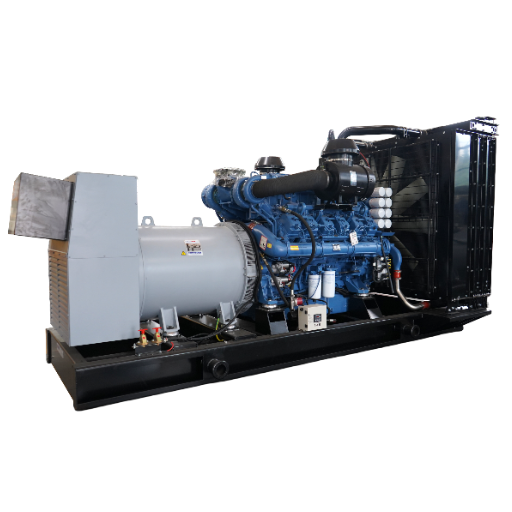
Generator fuel systems sit at the intersection of diesel fuel storage regulations and emergency power codes, and this is where many compliant-looking sites fail audits.
Day Tanks vs. Bulk Storage
A day tank is a small tank near the generator, typically holding a few hours of fuel, fed by a larger bulk tank. Fire codes treat day tanks inside buildings differently from outdoor bulk storage: indoor day tanks face strict capacity limits (NFPA 37 and NFPA 110), require their own containment, and need engineered fill and return piping with overfill protection.Since an indoor day tank puts stored fuel inside the same space as the running engine, review our guide to generator room fire safety requirements, which sets out the fire ratings, containment, and detection standards these enclosed installations must meet.
NFPA 110 Fuel Requirements
NFPA 110, the standard for emergency and standby power systems, requires that stored diesel be consumed or replaced within roughly 1.5 to 2 years, that fuel quality be maintained through testing and treatment, and that the system support the generator’s rated runtime class. A hospital running a Level 1 system cannot treat its fuel as “fill it and forget it.” Sites that rely on backup power for data centers and other critical facilities face the strictest scrutiny here.
Integrated Fuel Systems
Modern generator designs simplify compliance. Base-mounted tanks and containerized generators with integrated double-walled fuel storage arrive pre-engineered with containment, venting, and overfill protection built in. At Huali, our containerized and silent generator sets ship with integrated fuel systems designed to meet international containment standards, which removes most of the site-built compliance burden.
Need a generator system with compliant fuel storage built in? See our guide to choosing the right diesel generator or request a configuration matched to your local regulations.
How Long Can Diesel Fuel Be Stored?
Compliance does not end at the tank wall. Stored fuel degrades, and degraded fuel creates both reliability failures and compliance problems.
Untreated diesel lasts 6 to 12 months under typical conditions. In sealed, temperature-controlled tanks with fuel stabilizers and biocides, that extends to 18 to 24 months. Heat accelerates everything: oxidation rates roughly double with every 10°C rise, so a tank in a hot climate may need fuel rotation twice as often as one in a mild climate. Modern ultra-low sulfur diesel also lacks the natural antioxidants of older fuel formulations, which is why shelf life guidance has shortened over the past two decades.
Three failure modes matter:
- Oxidation, which forms gums, acids, and sediment
- Water contamination from condensation and tank breathing
- Microbial growth (the “diesel bug”) at the fuel-water interface, producing sludge and corrosive acids that attack tank walls and can turn a quality problem into a leak and a spill-reporting event
Best practice for critical generators includes annual fuel testing, scheduled fuel polishing (circulating fuel through filtration to remove water, sediment, and microbial biomass), biocide treatment where needed, draining water from tank bottoms, and keeping tanks full to limit condensation.
A regional hospital network learned this the expensive way. Its standby generators passed every load test, but a 2024 EPA audit flagged fuel that had sat untouched for four years. Testing found heavy microbial contamination and sludge, and the tank bottom showed early corrosion pitting. The remediation, polishing, tank cleaning, and an updated SPCC plan cost about $40,000. A routine fuel management program would have cost a fraction of that.
Diesel Fuel Storage Compliance Checklist
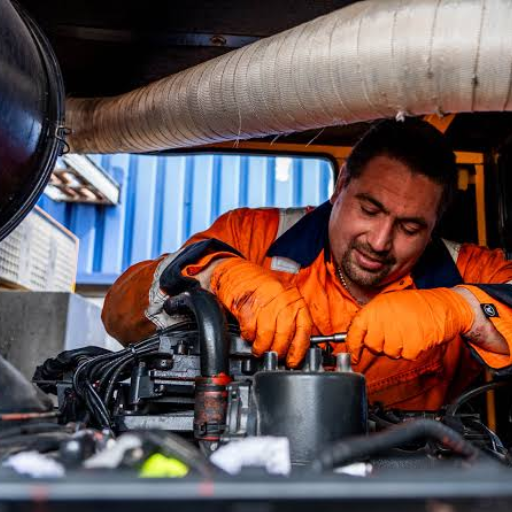
Use this checklist to audit your site. It covers the diesel fuel storage requirements common to the US, UK, Australia, and most other markets.
- Calculate total storage capacity. Include every container 55 gallons and larger. Compare against your jurisdiction’s thresholds (1,320 gallons US federal, 200 litres UK, licence tiers in Singapore).
- Confirm whether you need a written plan or licence. SPCC plan in the US, petroleum storage licence in licensed markets. PE-certify US plans above 10,000 gallons.
- Verify secondary containment. Bunding at 110% of the largest tank, intact walls, no unsealed drains.
- Check separation distances. Tanks clear of buildings, boundaries, ignition sources, and drains per local code.
- Inspect venting and overfill protection. Normal and emergency vents clear and correctly sized; overfill alarms functional.
- Confirm labeling and signage. Contents, hazard class, and emergency information clearly displayed.
- Document inspections. Monthly visual checks, annual formal inspections, records retained.
- Manage fuel quality. Test annually; treat, polish, or replace fuel before it exceeds 18 to 24 months.
- Maintain spill response equipment. Kits stocked, staff trained, procedures posted.
- Review after any change. New tanks, capacity increases, or site changes trigger plan updates.
Frequently Asked Questions
How much diesel can I store without a permit or plan?
In the US, the federal SPCC threshold is 1,320 gallons of above-ground storage, though state fire codes and OSHA container rules still apply below it. In the UK, oil storage regulations begin at 200 litres. Small quantities are never regulation-free; the obligations just scale with volume.
Do diesel tanks need secondary containment?
Yes, in virtually every jurisdiction for commercial quantities. The standard requirement is a bund or double-walled tank holding at least 110% of the largest tank’s capacity. Secondary containment is the single most consistent rule in diesel fuel storage regulations worldwide.
How long can diesel fuel be stored in a generator tank?
Plan on 6 to 12 months for untreated diesel and up to 24 months with stabilizers, biocides, and good water management. NFPA 110 expects emergency power fuel to be consumed or replaced within about 1.5 to 2 years. Annual fuel testing tells you where your fuel actually stands.
What are the penalties for violating diesel storage regulations?
For violations of the Spill Prevention, Control, and Countermeasure (SPCC) regulations, the U.S. Environmental Protection Agency (EPA) imposes civil penalties exceeding $59,000 per violation per day; in cases of gross negligence, the daily penalty exceeds $236,000. Other jurisdictions also enforce penalties such as fines, permit revocations, and mandates to cover cleanup costs. Notably, cleanup expenses resulting from groundwater contamination often far exceed the fines themselves.
Are the rules different for generator day tanks?
Yes. Indoor day tanks face stricter capacity limits under NFPA 37 and NFPA 110, need their own containment, and require engineered piping with overfill protection. Outdoor bulk tanks follow the general storage rules described in this guide.
Conclusion: Compliance Is an Operating Discipline, Not a Purchase
Diesel fuel storage regulations look complicated because they are layered, but the core logic is simple: contain the fuel, separate it from hazards, monitor it, and keep records. Meet 110% bunding, safe distances, proper venting, and documented inspections, and you are close to compliant in any major market.
The sites that get fined are rarely reckless. They are the ones that added a tank without updating the plan, or let fuel sit for years without testing. Compliance is an operating discipline, not a one-time purchase.
Key takeaways:
- Know your thresholds: 1,320 gallons (US), 200 litres (UK), licence tiers elsewhere
- Bund to 110% of the largest tank, with documented inspections
- Treat capacity changes as compliance events
- Manage fuel quality with testing, polishing, and 18 to 24 month rotation
- For generators, follow NFPA 110 and prefer integrated, pre-engineered fuel systems where possible
If you are specifying a new generator installation, the easiest path to compliance is equipment designed for it. Shandong Huali’s diesel generator sets, from 8kVA to 4000kVA, ship with integrated double-walled fuel storage, ISO-certified manufacturing, and engineering support for site-specific regulatory requirements.
