
Generator refueling safety comes down to four controls: a full shutdown, a manufacturer-specified cool-down before any cap comes off, bonding during fuel transfer, and a staged spill response. Skip any one of them and you have the ingredients for the most common generator fire pattern on record.
Spilled fuel on a hot exhaust does not burn the way wood does. It flashes. The vapor cloud ignites all at once, faster than the person holding the container can react. NFPA data attributes roughly 1,000 fires a year to portable generators in the US alone, and refueling errors are a recurring cause. The incidents keep coming: in 2025, investigators traced a major market fire in Lagos to generator refueling, and one manufacturer recalled more than 64,000 portable units over fuel tank fire risk after three severe burn incidents.
If you run generators, you already know every manual says “never refuel a hot engine.” What the manuals don’t tell you is how long “cool” actually takes, why modern diesel builds a static charge faster than the fuel it replaced, or what changes when a tanker, not a jerry can, is doing the filling. This guide covers all three, from the portable can to the bulk delivery. Refueling is just one part of running a generator safely, so if you are building out a broader program, our overview of generator safety tips covers the everyday practices that surround every fuel-handling task.
At Shandong Huali Electromechanical, we design the fuel systems on every generator set we ship, from base tanks with lockable filler points to day-tank transfer arrangements. These are the procedures we put in our commissioning handover packs, written down.
Key Takeaways
- Never refuel a running or hot generator. Gasoline auto-ignites around 536°F (280°C), and exhaust components exceed that for many minutes after shutdown.
- Cool-down time depends on unit size and load history: 15-20 minutes for portables, 30 minutes to 2 hours for large industrial sets. Your manual governs.
- Ultra-low-sulfur diesel builds static charge faster than legacy diesel. Bond the supply to the receiving tank before opening any cap, and wait two minutes after transfer before disconnecting.
- Bulk deliveries need two people, level monitoring, and a written stop-authority. The near-overfill pattern is always two people assuming the other was watching.
- Spills split into two tiers: under 5 liters, absorb and dispose properly; above that, contain, evacuate ignition sources, and escalate.
Can You Refuel a Generator While It’s Running?
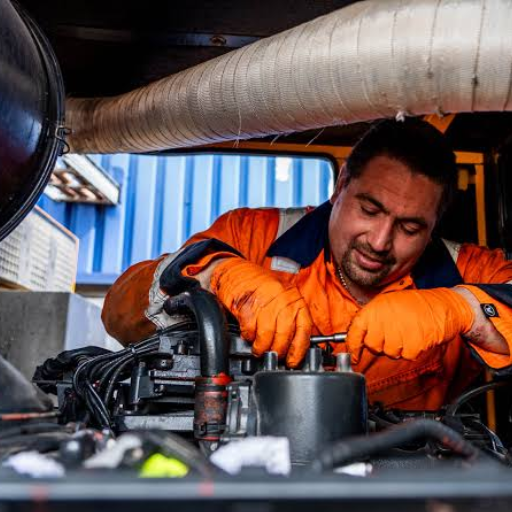
No. Never refuel a generator while it is running, and never refuel one that has not cooled down. This is the single rule every manufacturer manual, fire authority, and safety regulator agrees on, and the physics behind it is unambiguous.
Gasoline auto-ignites at roughly 536°F (280°C). Mufflers, exhaust manifolds, and turbo housings run far above that during operation and stay above it for minutes after shutdown. A splash or overfill that reaches those surfaces does not smolder; it produces a flash fire, an expanding vapor flame that engulfs the person holding the container.
Diesel feels safer, and that feeling is exactly the trap. Diesel’s higher flash point means pooled liquid resists ignition, but hot-surface ignition does not care about flash points. Fuel hitting a 500°C surface vaporizes and ignites regardless of what the fuel spec sheet says. Add the Consumer Product Safety Commission’s finding that generators are among the deadliest consumer products in American homes, and the rule earns its absoluteness.
The “just top it off while it idles” habit survives because it usually works. The times it doesn’t are the ones that make incident reports.
How Long Should a Generator Cool Before Refueling?
Cool-down guidance in real manuals ranges from 2 minutes to 2 hours, and that spread confuses people into picking the shortest number. The differences are not random. They track unit size, how hard the engine was working, and ambient temperature.
| Generator Class | Cool-Down Time Before Refueling | Governing Rule |
|---|---|---|
| Small portable (under 5 kW) | 15-20 minutes | Manufacturer manual |
| Mid-size portable/mobile (5-20 kW) | 20-30 minutes | Manufacturer manual |
| Industrial stationary (20 kW+) | 30 minutes to 2 hours | Manufacturer manual; site procedure |
| After high-load running or emergency shutdown | Longest published interval; some engine makers warn against opening crankcase covers within 15 minutes | Engine manual |
Three factors push you toward the long end of the range:
- Load history. A set that just ran at 80% load for six hours holds far more heat than one that idled for ten minutes.
- Ambient conditions. A hot, still afternoon slows cooling; a cold, windy site speeds it up.
- Enclosure. Silent and containerized sets trap heat by design. The canopy that protects bystanders also protects hot surfaces from cooling air.
The correct procedure starts before shutdown: disconnect the electrical loads, let the engine idle with no load for about two minutes so temperatures stabilize, then shut down and start your cool-down clock. When no manufacturer number exists, use the table above and err long. A generator maintenance routine that includes planned refueling windows, like the one in our generator maintenance checklist, removes most of the pressure that makes people skip this wait.
Planning a new installation or upgrading fuel handling on an existing fleet? Talk to our engineering team about fuel-system design that makes safe refueling the default, not the discipline.
Static Electricity When Fueling Diesel: The Ignition Source Nobody Sees
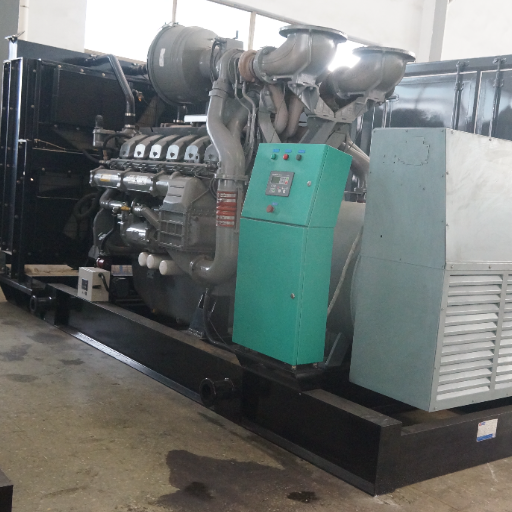
Flash fires get the attention, but static discharge is the ignition source that works at room temperature, on a cold engine, with no flame anywhere nearby. Fuel moving through hose and filters generates charge the way a shoe on carpet does, and a filling tank accumulates it. When the charge difference between the supply and the receiving tank gets large enough, a spark jumps. If it jumps through fuel vapor, you have a fire that starts before a drop is spilled.
Bonding and Grounding in Fuel Transfer: You Need Both
The two terms get used interchangeably, and they are not the same control:
- Bonding connects the two containers, tanker to receiving tank, or nozzle to tank, so no voltage difference can exist between them. A spark cannot jump a gap that has no potential across it.
- Grounding connects the system to earth, draining accumulated charge away. NFPA 77, the standard for static electricity, uses 10 ohms as the benchmark for metal grounding circuits (section 7.3.1.6.1).
OSHA’s flammable liquids standard, 29 CFR 1910.106, requires bonding during Class I liquid transfers, and the same discipline applies to diesel delivery. The sequence that matters: attach the bond cable before opening any cap, keep it attached through the entire transfer, and wait two minutes after flow stops before disconnecting. That last wait lets residual charge equalize, and skipping it is a documented ignition mechanism.
Why Modern Diesel Made This Worse
Ultra-low-sulfur diesel, the standard fuel in most markets now, is a meaningfully different static risk than the diesel these procedures were written for. Removing sulfur removes compounds that made fuel naturally conductive, so ULSD accumulates charge faster and dissipates it slower. The risk peaks in exactly the conditions site refueling happens in: cold, dry weather, splash filling, and high flow rates. Conductivity additives exist to bring fuel back above roughly 25 pS/m at handling temperature, but you cannot count on them at the point of use.
The worst case has a name. Switch loading is the transfer of diesel into a tank or compartment that previously held gasoline: the headspace fills with gasoline-range vapor while the low-conductivity fuel builds charge, the exact combination static ignition needs. Treat any tank with an uncertain fuel history as a switch-loading case: slow fill rate, bonded connections, and extra equalization time.
A composite example drawn from fleet maintenance patterns shows how unglamorous the fix is. A fleet manager, call her Dana, spent months tracing recurring injector failures across six units to contamination. The source turned out to be the site’s transfer pump: a missing filter screen on the pickup line was pulling dust and rust into every refuel. A $40 screen ended the failures. Fuel problems that look like storage problems or supplier problems frequently enter at the transfer point, which is why the procedure below treats the transfer hardware as part of the safety system.
The 8-Step Generator Refueling Safety Procedure
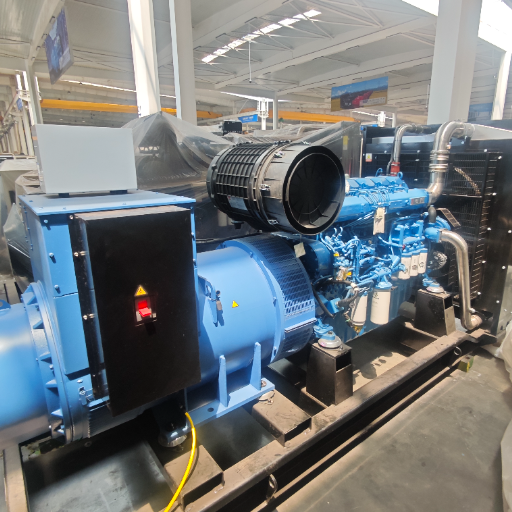
This eight-step sequence scales from a jerry can on a job site to a transfer pump filling a day tank:
- Position. Move the work outdoors or to a designated fueling area on level ground, away from ignition sources, drains, and building openings.
- Shut down correctly. Disconnect loads, idle no-load for two minutes, shut down, and remove the key or isolate the controls.
- Cool. Wait the manufacturer-specified time from the table above. Use the wait to stage the rest of the job.
- Stage the response equipment. Fire extinguisher within reach, spill kit open, metal (never plastic) drip pail under the fill point.
- Bond before opening. Connect the bond between the supply container and the receiving tank, and ground where the installation calls for it, before any cap comes off.
- Fill deliberately. Controlled flow, no splash filling, stop at 90-95% to leave expansion space. Fuel expands with heat; a brimmed tank in morning cool becomes a weeping tank by afternoon.
- Clean up immediately. Wipe every drip, close caps, and wait two minutes before disconnecting the bond. Bag contaminated absorbent as fuel waste, not trash.
- Inspect before restart. Check the fill cap seal, look for weeping at fittings, and confirm no fuel odor before cranking. Refuel checks belong on the same inspection rhythm as the rest of the fuel system.
On construction sites, this procedure folds into the broader placement and ignition-control rules our construction site generator safety guide covers; the refueling steps here are the fuel-handling layer of that same plan.
Industrial Generator Refueling: Bulk Delivery and Day Tanks
Generator fuel transfer safety at this scale keeps every rule above and adds its own failure modes. When the supply is a tanker and the destination is a base tank holding a thousand liters, the failure mode with the longest incident history is the overfill.
Receiving a Tanker Delivery
The near-overfill pattern is remarkably consistent: the driver assumed the site representative was watching the level gauge, and the site representative assumed the driver was. Both were watching nothing. The controls that break the pattern:
- Two people, assigned roles. The driver controls the pump; the site representative owns the tank level and has absolute stop authority. Say it out loud before flow starts.
- Verify capacity before connecting. Confirm the ullage, the empty space available, exceeds the delivery volume. Never “top off” a tank whose contents you haven’t measured.
- Bond truck to tank before opening caps, ground per site requirements, and keep the bond until two minutes after flow stops.
- Inspect the delivery equipment. Hoses, gaskets, and the meter. Metal drip pails under every connection point.
- Document it. Delivery ticket, tank readings before and after, and any water-find paste result. The paperwork is how you catch a slow leak or a drifting gauge months later.
Day Tanks and Transfer Pumps
Filling a day tank from bulk storage is the same transfer in miniature, with one addition: overfill protection. An overfilled day tank in a generator room wets the floor with fuel meters from hot surfaces, which is why day tanks need high-level alarms or automatic shutoff, and why transfer pumps need lockable controls. This is the standard fuel stack in data center generator systems, where bulk storage feeds day tanks under strict uptime pressure. Work on any fuel piping or transfer hardware is hazardous-energy work; isolate it under your lockout tagout procedure before wrenches come out.
Storage itself, bunding, separation distances, and the EPA’s SPCC rules that kick in at qualifying quantities, is a layer of its own, covered in our diesel fuel storage regulations guide.If your site holds fuel in bulk, it is worth reading our full guide to diesel fuel storage regulations before your next delivery, since it walks through bunding, separation distances, and the SPCC thresholds that decide what paperwork and containment your tanks actually need.
Spills, Contamination, and What Enters With the Fuel
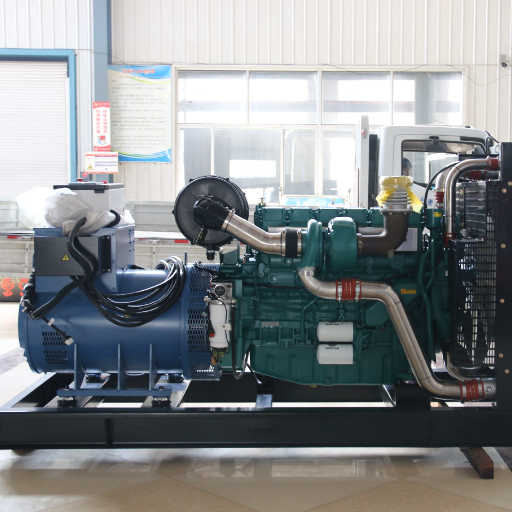
Even a well-run refueling operation produces drips. Diesel spill cleanup procedures split into two tiers:
- Minor spills (under ~5 liters): stop the source, apply absorbent from the staged kit, bag the waste as fuel-contaminated material, and inspect the area before restart.
- Major spills: stop the source if safe, eliminate ignition sources, contain the spread away from drains and watercourses, evacuate the immediate area, and escalate to your environmental response procedure. Reportable-quantity thresholds apply in most jurisdictions.
The quieter problem is what enters the tank with the fuel. Water, dust, and rust do not announce themselves; they accumulate as clogged filters, injector wear, and microbial growth at the fuel-water interface. Three habits keep transfer from becoming the contamination source:
- Keep transfer equipment dedicated, filtered, and capped when not in use, as Dana’s story above illustrates.
- Sample delivered fuel before it goes into long-term storage where volumes justify it.
- Track fuel age and quality as part of routine maintenance, not as a reaction to the first failed start.
Fuel quality discipline is also a selection-time decision: tank sizing, filler-point placement, filtration, and containment are all easier to build in than to retrofit, and our guide to choosing the right diesel generator covers what to specify at purchase.
Frequently Asked Questions
Why can’t you refuel a hot generator?
Spilled or splashed fuel can contact exhaust components that remain above fuel auto-ignition temperatures for many minutes after shutdown. Gasoline auto-ignites around 536°F (280°C), and diesel ignites on hot surfaces despite its higher flash point. The result is a flash fire, not a slow flame, and it happens faster than a person can react.
Is diesel less flammable than gasoline when refueling?
Diesel’s higher flash point makes pooled liquid harder to ignite, which reduces some risks, but it does not eliminate them. Hot-surface ignition still occurs, and modern ultra-low-sulfur diesel builds static charge faster than gasoline or legacy diesel. Diesel refueling needs the same shutdown, cool-down, and bonding discipline as gasoline, plus stricter static control.
Do you need to ground a diesel tank when refueling?
Yes, and bonding matters even more. Bond the supply to the receiving tank before opening any cap so no spark can jump between them, and ground the system to earth where the installation requires it, with NFPA 77 calling for a grounding path below 10 ohms. Wait two minutes after transfer before disconnecting either connection.
What PPE should you wear when refueling a generator?
At minimum: safety glasses or goggles, fuel-resistant gloves, and flame-resistant or non-synthetic clothing. Industrial transfers add safety footwear and, where splash risk is high, a face shield. Keep synthetic fabrics away from fueling work; they melt into skin in a flash fire.
Can you use any container to refuel a generator?
No. Use an approved, DOT or UN-rated fuel container designed for the fuel type, in good condition, with a functioning closure. Improvised containers, including glass, thin plastic, and food containers, fail under fuel exposure and static conditions. Fill portable containers on the ground, never in a vehicle bed.
What is switch loading in fuel transfer?
Switch loading is transferring diesel into a tank or compartment that previously held gasoline. The headspace retains gasoline-range vapor, which ignites far more easily than diesel vapor, while low-conductivity diesel builds static charge during the fill. Use slow fill rates, bonded connections, and extended equalization time whenever a tank’s fuel history is uncertain.
Can you refuel a generator in the rain?
Rain itself does not ignite fuel, but it makes every other control harder: slippery footing, contaminated fuel risk through open caps, and difficult spill cleanup. Refuel under cover where possible, keep caps closed until the moment of transfer, and never let rainwater enter the tank. A weather-protected fueling point is a design feature worth specifying.
Conclusion: Refueling Is a Procedure, Not a Chore
Generator refueling safety fails at the margins: the two-minute cool-down that became zero, the bond cable that stayed on the truck, the delivery nobody was watching, the transfer pump that quietly fed rust into six engines. Every one of those is a procedure failure, which means every one is fixable with a procedure.
Key takeaways:
- Never refuel running or hot: shutdown, two-minute no-load idle, then the manufacturer-specified cool-down
- Match cool-down to size and load: 15-20 minutes portable, 30 minutes to 2 hours industrial, longer after heavy load
- Bond before opening caps, ground where required, and wait two minutes after flow stops; ULSD makes static control stricter, not looser
- Bulk deliveries need two people with assigned roles, verified ullage, and a written stop authority
- Treat the transfer point as a contamination source: filtered, dedicated, capped equipment
- Stage the response before the spill: extinguisher, spill kit, and the two-tier plan
Shandong Huali manufactures diesel generator sets from 8 kVA to 4000 kVA with fuel systems designed for safe handling: lockable filler points, contained base tanks, day-tank arrangements with overfill protection, and commissioning documentation that includes site-ready refueling procedures. Our after-sales team supports fuel-system design reviews and maintenance training worldwide.
Send us your site layout and refueling arrangement, and our engineers will return recommendations covering transfer equipment, bonding points, containment, and procedures your team can actually follow.
