Generator Cable Overheating: Causes, Fixes & Sizing
Generator cable overheating is not normal wear, and it’s usually not a generator fault either. The cable is telling you one of three things: it’s

Generator cable overheating is not normal wear, and it’s usually not a generator fault either. The cable is telling you one of three things: it’s
Diesel generator black smoke under load means the engine is burning more fuel than the air entering it can burn cleanly. A puff that clears
Diesel generator low power factor is a load condition, not a machine fault: the motors and equipment on the site draw reactive power, so the
A diesel generator fails a load bank test for one of four reasons. The engine cannot deliver its rated power, the alternator cannot hold voltage
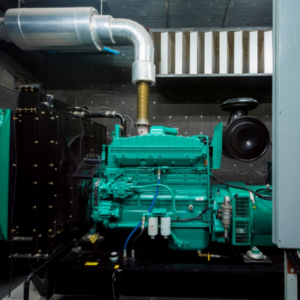
A generator room overheats for one of two reasons. Either the room can’t remove the heat the set produces, which is a ventilation problem, or
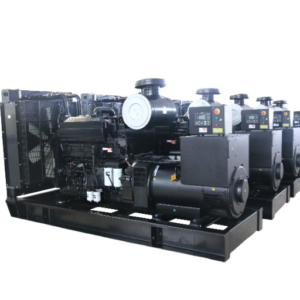
A diesel generator trips when a motor starts for one of three reasons. The motor’s starting current genuinely exceeds what the set can supply, which
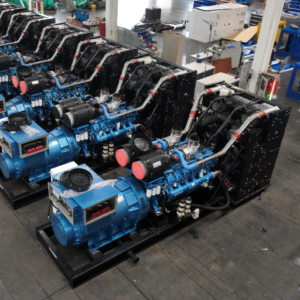
When a motor starts, a diesel generator’s voltage drops 15-30% for a few seconds, and the deepest part of the dip lasts under two seconds.
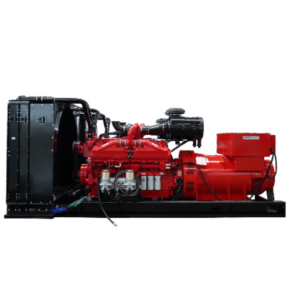
A safe generator wet stacking load percentage is 50-80% of rated load. Never run a diesel generator below 30% of its rated load for extended
Generator short circuit protection detects fault current and disconnects the set before the alternator’s damage curve is reached. It uses circuit breakers to open the circuit
This diesel generator wet stacking calculator works in five numbers: generator rating, actual running load, power factor, target test load, and monthly exercise load. Run
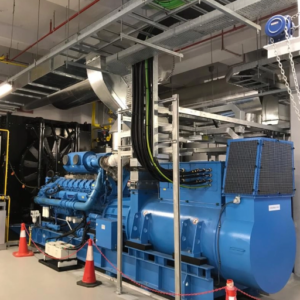
To calculate generator room ventilation, add three air flows: combustion air at roughly 5-7 m³/h per kW, radiator cooling air at 30-50 m³/h per kW
A generator voltage drop under load of 2 to 3 percent from no-load to full load is normal. A sustained drop above 5 percent, or a deep