
Generator cable overheating is not normal wear, and it’s usually not a generator fault either. The cable is telling you one of three things: it’s undersized for the current, its connection is bad, or it sits in heat it was never rated for. Where the cable is hot tells you which. Read the location, fix the cause, and resize before the insulation fails.
Take a food-processing plant outside Lagos. Tariq, the plant engineer, had a 400 kVA diesel set. Minutes into every full-load run, the output feeder was too hot to hold along its whole length, and he blamed the alternator. It was the cable: the installer had sized the feeder from the engine’s 320 kW rating instead of the alternator’s 400 kVA rating. At 400 V that’s about 577 A per phase, and the installed conductor was rated for far less. Two parallel cables, sized and derated properly, fixed it, and the run stayed cool.
Huali has built diesel generator sets from 8 kVA to 4,000 kVA and shipped them to more than 20 countries since 1999, so sizing output feeders is work we do every week. If you send our engineers your set rating, cable size, and run length, we’ll tell you whether the cable is undersized before anything gets hot.
This article covers the cables and terminations between the alternator terminals and the load on a set that runs in service. If the generator itself loses voltage when loaded, that’s an AVR problem, and the generator voltage drop under load guide covers it. If the whole set is struggling, start with the diesel generator troubleshooting guide. Here, the set runs fine. The cable is hot.
Key Takeaways
- A hot cable is a warning, not normal wear: it’s undersized, badly connected, or unable to shed heat, and the location of the heat names the cause.
- Cable current follows kVA, not kW. A 400 kVA set at 400 V draws about 577 A per phase, so sizing a feeder from engine kW undersizes it.
- A loose or corroded lug gets hot at one point while the cable stays cool; a hot full length means too much current for the conductor.
- Size in two passes: ampacity with a code margin first, then voltage drop, and take the larger conductor.
- Fix in order: connection, cable, route, then load. Most hot-cable jobs never need a bigger generator.
Generator Cable Overheating: What the Heat Is Telling You
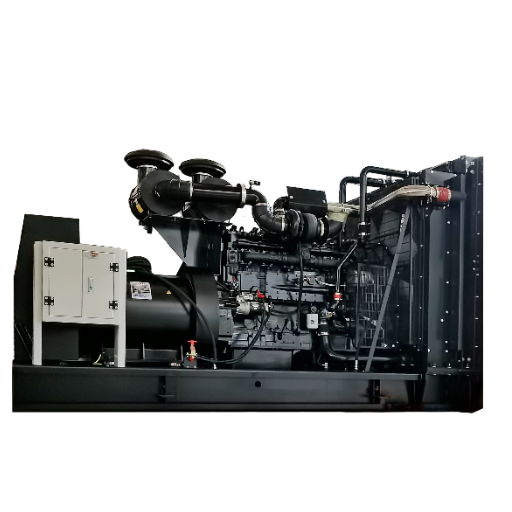
Every live conductor makes heat, and a warm cable at full load can be completely healthy. Current moving through copper or aluminum meets resistance, and the power turned into heat follows I²R, the current squared times the resistance. That heat escapes through the insulation and jacket at a steady temperature that tracks the load.
The rating that matters is the insulation’s maximum continuous conductor temperature. Cross-linked polyethylene (XLPE) cable is usually rated for a 90 °C conductor, while older PVC-insulated cable is rated at 70 °C. Because the heat is made in the metal core, the outer jacket you touch always runs cooler than the conductor inside. A genuinely hot jacket can still hide a conductor inside its design limit, so “it feels hot” alone is not a fault.
Two facts turn expected warmth into a problem. First, heat scales with the square of the current: double the current, and the cable makes four times the heat. Second, insulation ages rather than fails suddenly. As a working rule of thumb, every 10 °C the conductor runs above its rating roughly halves its remaining insulation life.
So generator cable overheating has three possible sources, each with its own fix:
- The conductor is carrying more current than it is rated to carry.
- A termination or joint adds resistance at one point.
- The cable cannot shed its heat because of the environment around it.
Why Generator Cables Overheat: Real Causes
Diesel generator cable overheating on an installed feeder almost always traces to one of six causes. Work through them in the order that matches where the cable is hot.
1. Undersized for the current. This is the most common cause, and it starts at sizing. Cable carries current, and that current is a kVA story, not a kW story. A 400 kVA set at 400 V draws about 577 A per phase whether you call it a “320 kW generator” or not, because the alternator, not the engine, sets the electrical output. Our generator kVA vs kW guide explains the difference, and the alternator specifications guide shows where that nameplate current comes from.
2. A high-resistance connection. A loose lug, an undertorqued terminal, a corroded joint, or a copper-to-aluminum connection made without a bimetallic lug all add resistance at one point. The heat concentrates exactly there while the cable a meter away stays cool. This one scares operators most: fuses and breakers do not reliably catch it, because the connection still passes current, so nothing trips, it just cooks.
3. Trapped heat from the environment. The cable can be correctly sized for free air yet bundled tight with other conductors in a trunk, run close to a hot enclosure wall or exhaust, laid in direct sun, or left coiled on a reel. Heat that cannot escape raises the operating temperature exactly as if the current were higher. Fully uncoil temporary reels under load; the drum traps the heat.
4. Overload and start transients. A set pushed past the nameplate, or a feeder sized only for steady running, sees extra current during block starts. In a worked example for a 500 kVA emergency generator feeder, starting every motor at once peaked near 1.3 times the rated current for 8 to 15 seconds, while staggering the starts stayed within the cable’s continuous rating. Our generator motor starting kVA guide and generators tripping when motors start cover the start side; the cable lesson is that transients count.
5. Harmonic and neutral current. Drives, UPS systems, and other non-linear loads draw a distorted current waveform. The extra harmonic content adds heating beyond what a clean sine-wave calculation predicts, and on single-phase four-wire systems the triplen harmonics add in the neutral instead of cancelling. If the load is full of drives and inverters, derate the cable or filter the harmonics.
6. Damage and uneven parallel sharing. A crushed jacket, a bad splice in the middle of the run, or a set of parallel conductors that are not identical in size, length, and route all push extra current or extra resistance into one spot. Parallel cables are only as balanced as their construction: same type, same cross-section, same length, same route.
Generator Cable Overheating: Read the Thermal Signature
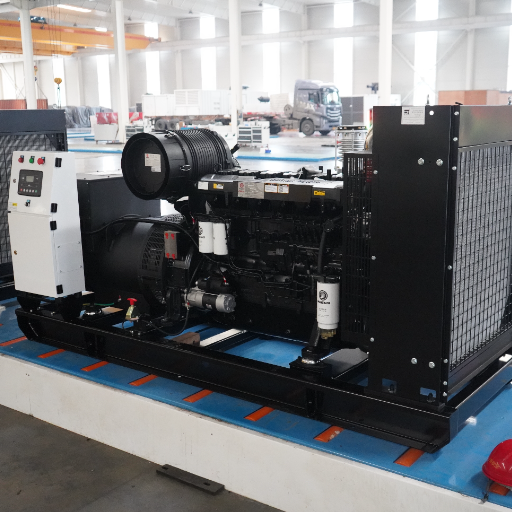
The fastest way to find the cause of generator cable overheating is to read the thermal signature. Note exactly where the cable is hot, then match it to this table:
| Where the heat is | Most likely cause | First check |
|---|---|---|
| Whole run, hotter as load rises | Undersized or overloaded conductor | Clamp each phase at full load; compare with the cable rating |
| One lug or terminal only | High-resistance connection | Check torque, corrosion, and crimp off-load; IR the lug against its cable |
| One spot in the middle of the run | Damage, a bad splice, or contact with a hot surface | Inspect that point; megger the run |
| Near the engine, a wall, or in the sun | Trapped external heat | Separate and shade the run; check ventilation |
| Builds slowly over 20 to 60 minutes at steady load | Sustained overload or missed derating | Review the load profile; apply ambient and grouping derating |
| Only when a large motor starts | Start inrush current | Confirm start current; stagger the motor starts |
| Warm everywhere, even and stable | Normal full-load operation | None; record it as a baseline |
Infrared is the right tool because it reads live terminations from a safe distance. Compare like with like: the same lug type across all three phases, and each lug against its own cable a few centimeters away. A lug more than about 10 °C above its own cable puts the resistance in the joint, not in the conductor.
How to Test a Hot Generator Cable (Without Getting Burned)
Run these checks in order, and you’ll usually name the cause without replacing anything.
- Clamp every phase at full load. Use a clamp meter and write down the amps on A, B, and C. Compare them with the cable’s tabulated rating and with the upstream breaker. A phase at or over rating is a size problem.
- Scan with an infrared camera or non-contact thermometer under load. Read each lug, each termination, and the cable mid-run. Compare phases and compare each lug with its own cable.
- Read temperatures against ambient and against your own baseline. A new reading 20 °C hotter than last year’s survey is news. The same reading as last year is probably just the load.
- Inspect the terminations off-load, locked out. Check torque against the lug specification, look for discoloration and oxidation, and confirm the crimp and any aluminum-to-copper joint.
- Match the reading to the signature table above. Then fix in the order in the next section.
Treat the whole feeder as live until the set is stopped and isolated. A loaded generator cable sits at several hundred volts, and the connection you are inspecting is the one most likely to arc. Infrared cameras and clamp meters keep your hands off it; torque checks happen only after lockout.
If you caught a reading you’re not sure about, send our engineers the numbers: amps per phase, IR temperatures, set rating, cable size, and run length. We read these signatures weekly and will tell you which cause you’re chasing.
Fixing & Resizing: Connection, Cable, Route, Load
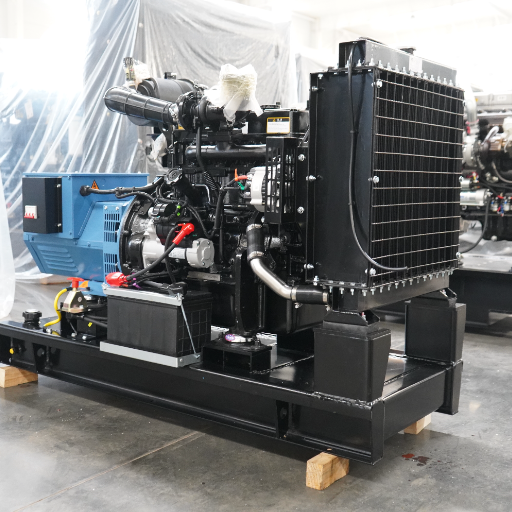
Fix in this order: connection, cable, route, load. Each step below matches a signature row above, and you re-test under full load after every change.
Fix the connection first when the heat is at a lug. A mine camp set near Lusaka showed exactly why. An annual infrared survey on a 250 kVA set found one alternator output lug running about 40 °C hotter than the identical lugs on the other two phases, while the cable mid-run was cool. That signature meant a high-resistance joint, not a cable problem. Off-load, the electrician removed the lug, cleaned the interface, and re-torqued it to specification. On the next loaded scan, all three phases sat within a few degrees of each other. No cable was replaced.
Do the connection work properly: clean the surfaces, use the right lug and crimp die, torque to the manufacturer’s spec, and fit a bimetal lug with antioxidant compound wherever copper meets aluminum. Aluminum cable also needs roughly one to two size steps up from copper for the same ampacity, so never swap metals without re-sizing.
Then size the cable for the current. Size in two passes and take the larger conductor. Pass one is ampacity: start from the kVA current (see the FAQ table below), add a code margin, and derate for the real environment. For US sites, National Electrical Code Article 445 calls for the generator feeder to be rated at not less than 115 percent of the generator’s nameplate current rating, and the kVA-to-cable chart guides installers in applying the same margin; check the edition your site enforces. Derating matters: ambient heat and grouped cables cut usable ampacity, and in the 500 kVA example above the combined factor fell to about 70 percent, which pushed the feeder to two cables per phase.
Pass two is a voltage drop. On long runs, the limiting constraint is the voltage lost in the cable, commonly capped at about 3 percent for feeders and up to 5 percent in some codes. Voltage drop roughly doubles with length, so a long feeder can need a bigger conductor than ampacity demands. Keep the boundary clear: terminal sag under load is an AVR matter in the generator voltage drop under load guide; volts lost in a long cable are a cable matter, exactly as field guides on generator cables and voltage drop put it.
Then fix the route and the environment. A telecom site cable had only ever been checked after no-load exercise runs, so nobody saw the fault. Under real evening load, a bundle of phases bound tight in a trunk against a hot enclosure wall climbed toward the insulation limit within about 40 minutes. The cable was not undersized; it was being cooked by its neighbors. Splitting the runs, adding ventilation, and rerouting clear of the hot wall dropped the measured temperature by more than 20 °C.
Only then look at the load side. If the current is genuinely too high, ask why. Low power factor raises current for the same real power, which raises cable heat, and our generator low power factor guide explains the mechanism and the fix. Heavy motor starts want staggering (motor starting and trip guides above). If the load genuinely exceeds the set, that’s a sizing problem, not a cable problem: the how to choose the right generator size guide and the generator fails load bank test article show how to measure it honestly.
Generator Cable Overheating: Frequently Asked Questions
Why Is My Generator Cable Getting Hot?
The cable is either carrying more current than its size allows, has a bad connection that adds heat at one point, or cannot shed heat because of bundling, sun, or a hot surface nearby. Measure the amps per phase and scan the run with infrared.
Is It Normal for Generator Cables to Get Warm Under Load?
Yes, to a point. Current always produces some heat, so a warm, stable cable at the same temperature on all three phases is usually fine: XLPE cable is rated for a 90 °C conductor and PVC for 70 °C, and the jacket you touch runs cooler still. Heat at one lug only, one phase much hotter than the others, or a temperature that keeps climbing under steady load is not normal.
What Size Cable Do I Need for a Generator?
Start from the full-load current, not from the engine kW. For a three-phase set, current equals kVA times 1000 divided by the line voltage times the square root of three (about 1.732). At 400 V that works out to:
| Generator rating (kVA) | Approx. full-load current per phase at 400 V |
|---|---|
| 100 | 144 A |
| 200 | 289 A |
| 300 | 433 A |
| 400 | 577 A |
| 500 | 722 A |
| 800 | 1,155 A |
| 1,000 | 1,443 A |
At 480 V at 60 Hz, an export set draws less current for the same kVA: 500 kVA is about 601 A per phase instead of 722 A. Apply a code margin and derating, then check voltage drop on long runs, and choose the larger conductor.
Can a Loose Connection Melt a Generator Cable?
Yes, and it’s one of the most dangerous causes because the protection does not reliably catch it. A loose or corroded lug passes current, so the fuse and breaker hold, but the joint resistance makes intense local heat that can melt the lug, burn the insulation back, and start a fire. If one terminal runs much hotter than the others, shut down, lock out, and re-torque before running again.
Why Is Only One Phase of My Generator Cable Hot?
Either that phase is carrying more load than the others, or its connection is the weak one. Check the per-phase amps with a clamp meter: if one phase is well above the others, rebalance the single-phase loads. If the amps are balanced but one phase is still hot, the fault is at that termination, which needs re-torquing.
Can I Run a Generator on a Coiled Extension Cable?
Not at full load. A coil traps its own heat, so a cable that is fully unrolled can overheat, melt, or drop voltage when it’s left coiled on a drum or in a tight loop. Unroll the reel completely, keep loops loose, and size the temporary feeder for the actual current.
Conclusion
Generator cable overheating is a message about the cable, not the set. A hot full length means too much current for the conductor, usually because the feeder was sized from kW instead of kVA. A hot lug with a cool cable means a bad connection, and it will not trip the breaker. A hot bundle in a hot spot means the heat cannot escape. Match the signature, test with a clamp meter and an infrared camera, then fix in order: connection, cable, route, load.
Most hot-cable jobs end without a bigger generator, and most end faster when an engineer checks the arithmetic first. If you have a feeder that is running hot, or you’re sizing a new one and want the cable right the first time, send our engineers the set rating, the measured current, and the run length. We’ll confirm whether the cable is undersized and, if it is, specify the right conductor and connection kit for your export voltage, from 8 kVA to 4,000 kVA.
