
Yes, you can run a generator in the rain, but only when the unit is protected by a weather-rated, properly ventilated cover or enclosure. Running an exposed generator in wet weather creates a real risk of electric shock, short circuits, and permanent equipment damage.
When a storm knocks out power at your home or worksite, waiting for clear skies is rarely an option. That is exactly when most people ask: can you run a generator in the rain safely? This guide gives you the straight answer, the risks you need to respect, the setup rules that make wet-weather operation safe, and the weatherproof generator options built for continuous outdoor duty. As a generator manufacturer with more than 25 years of engineering experience, we build and test power equipment for exactly these conditions.
Key Takeaways
- Never run an unprotected generator in the rain. Water on outlets, wiring, or the frame can cause electrocution and short circuits.
- A purpose-built, ventilated running cover or canopy makes wet-weather operation safe. Tarps do not.
- Keep the generator on elevated, dry ground at least 20 feet (6 meters) from buildings, and never move it indoors or into a garage. Carbon monoxide kills.
- “Rain tested” on a spec sheet means the unit survives rain while off. It does not mean it is safe to operate in rain.
- For worksites and facilities that need guaranteed all-weather power, silent canopy and containerized diesel generator sets are engineered for permanent outdoor installation.
Can You Run a Generator in the Rain?
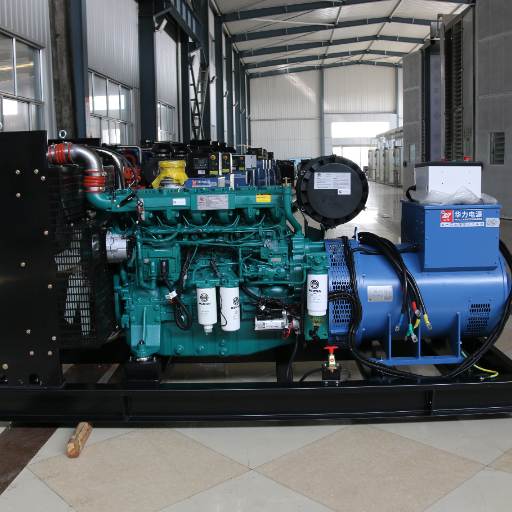
Here is the direct answer for anyone in a hurry: a generator must stay dry to operate safely. Standard portable and open-frame generators are not waterproof. If you need power during rain, you must shield the unit with a ventilated, weather-rated cover, keep it on dry elevated ground, and maintain safe distance from buildings.
| Scenario | Safe? |
|---|---|
| Running in rain with no cover | No |
| Running under a ventilated, weather-rated running cover | Yes |
| Running inside a silent canopy or containerized enclosure | Yes |
| Moving it indoors or into a garage to escape rain | Never |
| Operating on wet ground or standing water | No |
| Severe storm with lightning and flooding | No |
Why Rain and Generators Don’t Mix: The Real Risks
Water and electrical equipment are a dangerous combination. Can a generator get wet and keep working? Sometimes, briefly. But the damage starts immediately. Here is exactly what goes wrong.
Electric Shock and Electrocution
Water conducts electricity. Rain on outlets, plugs, wiring, or the generator frame can energize surfaces that should be safe to touch. Touching a wet generator with wet hands, or standing in a puddle while handling cords, can deliver a lethal shock. This is the single most immediate danger of running a generator in the rain without protection.
Short Circuits and Component Damage
Moisture inside the control panel, alternator, or outlets causes short circuits. At best, the unit trips a breaker and shuts down during the outage you bought it for. At worst, water destroys the alternator windings, voltage regulator, or control electronics, turning a bad storm into an expensive repair.
Corrosion, Moisture, and Fuel Contamination
Even when a wet generator keeps running, the damage accumulates. Water inside the engine and electrical housing accelerates rust and corrosion. Rain entering the fuel tank contaminates diesel or gasoline, which leads to poor combustion, injector damage, and hard starting. These problems often appear weeks later, long after the storm passes.
The “Rain Tested” Myth
Some manufacturers note that their generators pass rain exposure testing, such as the PGMA G300 standard from the Portable Generator Manufacturers’ Association. This is widely misunderstood. Rain testing confirms the unit still works after being rained on while switched off and then dried. It is not a certification for running in the rain. A rain-tested generator is still an unprotected generator the moment you start it in a downpour.
How to Protect a Generator from Rain: 6 Safety Rules
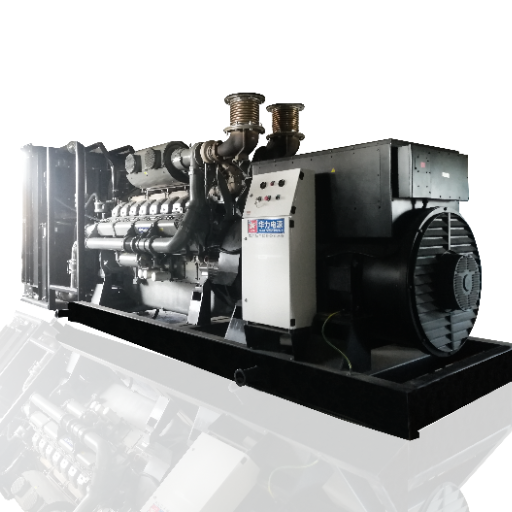
If you must run a generator in wet weather, these six rules separate a safe setup from a dangerous one.
1. Use a Weather-Rated Running Cover or Canopy
A purpose-built generator rain cover, such as a generator tent or running canopy, is engineered to shed rain while maintaining the airflow the engine needs for cooling and combustion. Leading products are tested against heavy rainfall and high winds, and they clamp to the frame so the electrical panel stays dry.
What does not work: a tarp thrown over the top. Consider what happened to Daniel, a site manager running a drainage project during a week of storms in 2024. His pumps depended on a portable generator, so he draped a tarp over the frame to keep it dry. Within two hours, trapped heat forced an over-temperature shutdown right as water levels peaked. The tarp blocked the rain. It also blocked every ventilation path. A proper running cover would have handled both problems at once.
2. Place the Generator on an Elevated, Dry Surface
Set the unit on a platform, pallet, or firm high ground where puddles cannot form around the frame. Even a few centimeters of standing water around the base creates shock risk and lets splashback reach electrical components. Check that the spot will not flood as the rain continues, not just that it is dry now.
3. Keep It at Least 20 Feet from Buildings
Rain tempts people to pull the generator closer to the house, under a porch, or just inside the garage door. Never do this. Generator exhaust contains carbon monoxide (CO), an odorless gas that can kill within minutes. The U.S. Consumer Product Safety Commission links portable generators to dozens of CO deaths every year. Most of those deaths happen when units run too close to homes or in partially enclosed spaces.
Mike, a homeowner in Florida, learned this during a 2023 hurricane. To keep his generator out of the rain, he rolled it into the garage and left the door half open. Two hours later, his CO alarm sounded with his family asleep upstairs. He moved the unit outside in time, but the readings showed how fast exhaust accumulates even in a “ventilated” garage. The rule is absolute: at least 20 feet (6 meters) from doors, windows, and vents, with the exhaust pointed away from the building. For placement rules, alarm setup, and poisoning symptoms, see our generator carbon monoxide safety guide.
4. Use Outdoor-Rated Cords and GFCI/RCD Protection
Every connection between the generator and your equipment needs protection:
- Use heavy-duty, outdoor-rated extension cords in good condition, sized for the load.
- Route cords downhill from the generator so water cannot run along the cable into connections.
- Keep plugs and junctions off the ground and shielded from direct rain.
- Use GFCI or RCD protection, which cuts power in milliseconds if current leaks through water or a person.
OSHA’s workplace safety guidance treats ground-fault protection as essential whenever electrical equipment operates in wet conditions, and the same logic applies at home.One connection mistake matters even more in wet weather: plugging a generator into a building outlet or panel without proper transfer equipment sends power backward into the wiring and out to the grid, a deadly fault known as backfeeding. Before you connect to any circuit, read our guide to generator backfeeding dangers to keep yourself and utility crews safe.
5. Fit an Exhaust Rain Cap
Rain entering the exhaust pipe can reach the engine cylinders, causing corrosion and potential hydro-lock damage. A simple flapper-style rain cap covers the exhaust outlet when the engine is off and opens automatically under exhaust pressure when running. It is an inexpensive part that prevents an expensive failure, especially on standby units that sit outdoors between uses.
6. Know What to Avoid
- No tarps or improvised covers that block airflow or touch hot surfaces.
- Never indoors: no garages, sheds, basements, or porches, even with doors open.
- No wet-hand contact: dry your hands, wear insulated gloves, and stand on dry ground or a rubber mat when operating the unit.
- No operation in severe storms: lightning, flooding, or extreme wind means shut it down and wait.
- Never refuel in the rain: water entering the fuel system contaminates the supply, and spilled fuel near a hot engine is a fire risk.
Weatherproof Generator Enclosure Options for Continuous Outdoor Operation
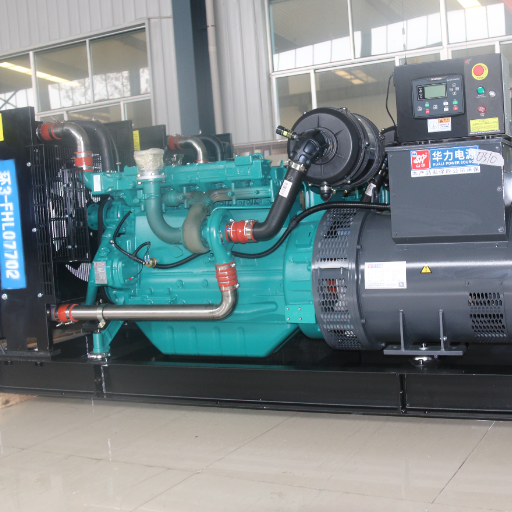
Covers and canopies solve the problem for portable units. But if your site needs power through an entire rainy season, the better answer is a weatherproof generator enclosure: a unit engineered for permanent outdoor installation from day one.
Silent Canopy Diesel Generator Sets
Silent canopy diesel generator sets enclose the engine and alternator inside a weather-resistant steel housing with sealed access doors, protected air intake and outlet louvers, and an integrated exhaust system. The canopy keeps rain off every electrical component while engineered airflow paths prevent the overheating problem that defeated Daniel’s tarp. As a bonus, the acoustic lining that gives these units their name also cuts noise, which matters on urban construction sites and near occupied buildings.If you manage power on an active jobsite, weatherproofing is just one piece of the picture, so our guide to construction site generator safety covers the GFCI, placement, grounding, and crew-safety rules that apply alongside rain protection.
A mining contractor in Southeast Asia put this to the test through the 2025 monsoon season. Their two canopy-type 250 kVA diesel generator sets ran prime power on site through three months of near-daily rain. Scheduled inspections found dry electrical compartments, clean fuel, and zero weather-related downtime. The enclosure turned the weather from a risk into a non-issue.
Containerized Generator Sets
For larger installations, containerized generator sets mount the entire power system inside a modified shipping container. The container provides full weather protection, security, sound attenuation, and space for larger fuel tanks and control systems. These units are standard for mining, construction, and remote infrastructure projects where equipment must operate unattended through any weather.
What IP Ratings Mean for Outdoor Equipment
Ingress Protection (IP) ratings tell you how well an enclosure resists dust and water. The first digit covers solids, the second covers liquids. An IP23 rating, common on open generator sets, protects against spraying water at angles up to 60 degrees but not against wind-driven rain or pooling water. Ratings like IP54 and above indicate protection against water jets and dust ingress, suitable for exposed outdoor duty. When you are selecting equipment for a wet climate, ask for the IP rating and match it to your actual exposure. Our guide on how to choose a diesel generator covers enclosure selection alongside sizing, fuel, and duty rating.
What to Do If Your Generator Gets Wet
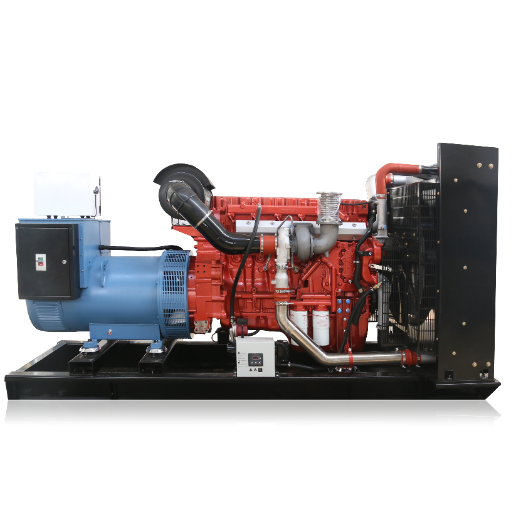
If rain reaches an unprotected generator, act quickly and follow these steps before restarting:
- Shut the unit down immediately using the normal stop procedure. Do not just kill the load.
- Disconnect all cords and loads and move the generator to a dry, ventilated area.
- Dry the exterior with towels, then open access panels so trapped moisture can escape.
- Inspect the critical points: air filter, outlets, control panel, fuel cap seal, and oil filler. Look for visible water or moisture film.
- Check the oil and fuel for contamination. Milky oil or water in the fuel filter means do not start the engine.
- Allow full drying time, typically 24 to 48 hours in a dry space. For larger diesel sets, a technician should perform an insulation resistance test on the alternator windings before energizing.
- Test start with no load, listen and watch for faults, then add load gradually.
- Call a qualified technician if breakers trip, the control panel shows errors, or you found water in the oil or fuel. Internal corrosion damage is easy to miss and expensive to ignore.
Water exposure is also a reminder that prevention beats repair. A regular diesel generator maintenance checklist that includes seal, canopy, and rain cap inspections catches weatherproofing problems before the storm does.
Running a Generator in the Rain: Safety FAQ
Can you run a generator in the rain with a cover?
Yes, as long as it is a purpose-built, weather-rated running cover or canopy that keeps water out while maintaining airflow. The generator still needs to sit on dry, elevated ground at least 20 feet from buildings. A tarp or improvised cover is not a safe substitute because it blocks ventilation and traps heat.
How do you cover a generator in the rain?
Use a generator tent or running cover designed for your unit’s frame size, or install the generator under a fixed canopy with open sides for ventilation. The cover must shield the electrical panel and outlets from above while leaving the exhaust unobstructed and cooling air flowing. Never enclose the unit on all sides.
Can a diesel generator stay outside in the rain?
An open-frame diesel generator should not sit exposed in the rain, running or not. Silent canopy and containerized diesel generator sets are different: their weather-resistant enclosures are engineered for permanent outdoor installation, with protected air intakes, sealed panels, and rain-capped exhausts. That is why they are the standard choice for construction sites, mines, and standby installations in wet climates.
Where should you put a generator during a storm?
Outdoors, on elevated and dry ground, at least 20 feet (6 meters) from any building, with the exhaust pointing away from doors, windows, and vents. Protect it with a ventilated running cover or canopy. Never bring it into a garage, shed, or basement, because carbon monoxide accumulation in enclosed spaces is the leading cause of generator-related deaths.
What happens if water gets into a generator?
Water in the electrical system can cause short circuits, tripped breakers, and destroyed alternator windings or control boards. Water in the engine or fuel leads to corrosion, injector damage, and starting failure. If your generator gets wet, shut it down, dry it completely, inspect oil and fuel for contamination, and have it checked before returning it to service. Facilities that depend on backup power, such as the data centers that rely on diesel generators for uptime, treat post-storm inspection as a mandatory step for exactly this reason.
Can I run my generator in the garage with the door open?
No. A garage with the door open is still an enclosed space, and carbon monoxide accumulates to lethal levels within minutes. Rain is never a reason to move a generator indoors or under an attached structure. Keep the unit outside, 20 feet from the building, under a ventilated cover. Our complete generator safety tips guide covers placement, grounding, and fuel handling in detail.
Conclusion
So, can you run a generator in the rain? Yes, but only on the right terms:
- Keep the unit dry with a purpose-built, ventilated running cover or weatherproof enclosure.
- Set it on elevated, dry ground at least 20 feet from buildings.
- Protect every connection with outdoor-rated cords and GFCI/RCD devices.
- Never trade rain protection for carbon monoxide safety by moving the unit indoors.
- If a generator does get wet, dry, inspect, and test it before the next start.
For occasional storm outages, a quality running cover does the job. For worksites, mines, and facilities that need dependable power through every season, a silent canopy or containerized diesel generator set removes the weather variable entirely.
At Shandong Huali Electromechanical Co., Ltd., we manufacture diesel generator sets from 8 kVA to 4000 kVA, including weatherproof silent and containerized configurations built and tested for harsh outdoor environments. Contact our team today for a customized power solution that keeps running, whatever the forecast.
