
Construction site generator safety rests on four controls: outdoor placement at least 20 feet from structures, correct grounding and GFCI protection under OSHA’s construction electrical standards, shut-down-and-cool refueling, and a daily inspection routine. Get these four right, and you have addressed the hazards that cause nearly every serious generator incident on site.
The reason these rules exist is grim. Portable generators kill about 100 people a year in the US from carbon monoxide alone, according to the Consumer Product Safety Commission. Generators cause more CO deaths than any other consumer product. And the places construction workers actually run them, basements, excavations, and half-built structures, trap exhaust exactly like a garage.
If you manage a site, a crew, or a temporary power setup, you already know the guidance is scattered. Consumer advice assumes a homeowner with a 2 kW portable during a storm. This guide is written for professionals running industrial temporary power. We cover carbon monoxide, electrical safety, fire and fuel handling, and site placement, and close with a checklist your safety officer can use on a walk-through.The controls here focus on the jobsite, so for the wider set of hazards that apply to any generator, our guide to generator safety tips works as a companion overview.
At Shandong Huali Electromechanical, we build trailer-mounted and containerized diesel generator sets for construction and mining projects in more than 20 countries. Site safety is part of every delivery we support.
Key Takeaways
- Carbon monoxide is the deadliest generator hazard: about 100 US deaths per year, with enclosed-space concentrations exceeding 1,000 ppm against an OSHA limit of 50 ppm. Outdoors, 20+ feet away, exhaust pointed away from workers.
- Under OSHA 1926.404(f)(3), a portable or vehicle-mounted generator’s frame can serve as the ground when the neutral is bonded to the frame and loads plug into the generator’s own receptacles. Separately derived systems need grounding electrodes.
- GFCI protection is required on 120V single-phase 15/20A receptacles on construction sites (1926.404(b)(1)), or you must run an assured equipment grounding conductor program.
- Never refuel a running or hot generator: shut down, cool for 15 minutes, and bond containers during transfer.
- Partially enclosed structures are the construction-specific trap: a basement or half-built building traps exhaust like a garage, even with the generator “outside” the work area.
Carbon Monoxide: The Hazard That Kills Without Warning
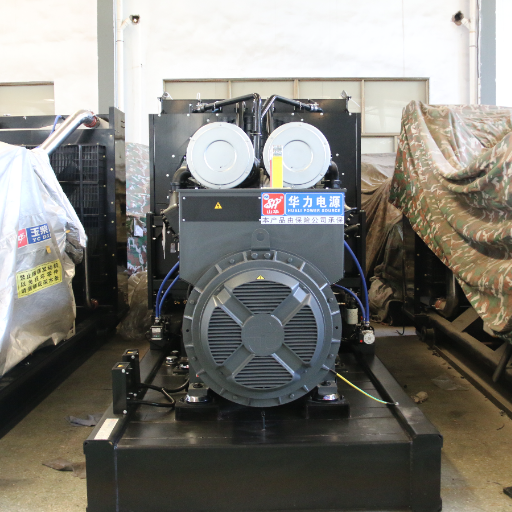
Generator carbon monoxide safety earns its own section: CO kills more generator users than every other hazard combined. You cannot see it, smell it, or taste it, and a running generator produces as much of it as hundreds of idling cars.
The numbers from CPSC reporting are consistent year after year. Roughly 100 people die annually from portable generator CO poisoning, and more than 770 died between 2011 and 2021. Generators account for about 40% of all consumer-product CO deaths.
The Exposure Math
OSHA’s permissible exposure limit for construction is 50 ppm as an 8-hour time-weighted average, under 29 CFR 1926.57(a). A generator running in an enclosed space can push concentrations past 1,000 ppm in minutes. At 150 to 200 ppm, exposure can be fatal. Unconsciousness can come within about five minutes at high concentrations, with no warning symptoms strong enough to act on.
| CO Concentration | Context |
|---|---|
| 25 ppm | Common recommended ceiling for continuous exposure |
| 50 ppm | OSHA construction PEL, 8-hour TWA (1926.57(a)) |
| 150-200 ppm | Potentially fatal with sustained exposure |
| 1,000+ ppm | Achievable within minutes in an enclosed space; incapacitation in about 5 minutes |
The Construction-Specific Trap
Consumer guidance says “keep it 20 feet from windows and doors.” That assumes a finished house. Construction sites offer something worse: partially enclosed spaces. A generator placed outside a basement level, next to an excavation, or against the open face of a half-built structure feeds exhaust into a pocket where air barely moves.
In 2024, a safety officer named Dana noticed a pattern on a mid-rise project in Ohio. Two concrete finishers working in a below-grade parking level kept reporting headaches and nausea that cleared up every evening. The site generator sat outdoors, compliant on paper. But it stood upwind of the level’s only open face, and its exhaust drifted straight into the work area. A $30 CO monitor confirmed readings near 120 ppm during afternoon shifts. Dana moved the generator 25 feet, rotated the exhaust away from the structure, and posted monitors at the level entrance. The “flu” disappeared the next day.
The placement rules that follow from this:
- Outdoors only. Never in basements, parking structures, trenches, or partially enclosed buildings, not even “just for an hour.”
- At least 20 feet from structures, openings, and worker gathering points.
- Exhaust pointed away from the building and from where crews work, accounting for prevailing wind.
- CO monitors in occupied areas near generator operation. They cost less than a box of respirators.
Generator Safety on Construction Sites: Grounding, Bonding, and GFCI
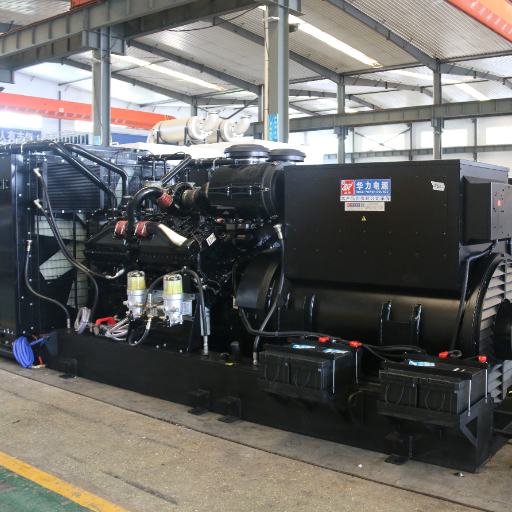
Electrical hazards on construction sites come from a different direction than most people expect. The generator itself is rarely the killer; the temporary distribution around it is. OSHA’s construction electrical standard, 29 CFR 1926 Subpart K, sets the generator grounding requirements that every site plan starts from.
When the Frame Is Enough (OSHA 1926.404(f)(3))
Does a portable generator need to be grounded on a construction site? Usually not with a ground rod. Under OSHA 1926.404(f)(3), the frame of a portable or vehicle-mounted generator may serve as the grounding electrode when the neutral conductor is bonded to the frame and the connected loads plug directly into receptacles mounted on the generator. In that configuration, driving a ground rod adds nothing.
That single sentence resolves the most confusing topic in temporary power. But it has conditions, and they matter:
- The generator must be portable or vehicle-mounted, which covers trailer sets.
- The neutral must be bonded to the frame. Many rental units ship this way; many do not. Check the data plate or manual, or have an electrician verify it.
- Loads must connect through the generator’s own receptacles, using cords with intact grounding conductors.
When You Need a Ground Rod
The frame exemption ends the moment the generator feeds a separately derived system. If the generator connects to a distribution panel, a transfer switch, or site wiring through a breaker rather than a cord-and-plug receptacle, it is supplying a premises wiring system. That system needs its own grounding electrodes, typically ground rods, and a correctly configured neutral-to-case bond at the first disconnect. If the frame-versus-ground-rod distinction still feels murky, our guide to generator grounding requirements breaks down when each configuration applies in plain language.
A crew in Texas found this out during a 2025 OSHA inspection. Their 150 kVA trailer generator fed a site distribution panel through hardwired connections. The generator frame was bonded, so the foreman assumed grounding was handled. The inspector disagreed: the panel made it a separately derived system, and no grounding electrode existed anywhere in the setup. The citation carried a five-figure penalty, and the fix, two rods and an hour of an electrician’s time, cost under $200.
GFCI Requirements on Construction Sites
OSHA 1926.404(b)(1) requires ground-fault circuit interrupter protection on all 120V single-phase 15 and 20 amp receptacle outlets used on construction sites. You have exactly two ways to comply:
- GFCI protection on the receptacles or the cords feeding them, or
- An assured equipment grounding conductor program: scheduled testing of every cord and tool’s grounding path, documented and assigned to a competent person.
Almost every site chooses GFCIs, because the assured program demands disciplined record-keeping that temporary work rarely sustains. Check GFCIs with the test button weekly, and after any trip, find out why before resetting.One connection mistake outranks all the others: wiring a generator into a building’s electrical system without a proper transfer switch sends power backward through the service, a lethal fault covered in our guide to generator backfeeding dangers.
Damaged cords deserve a word of their own. Temporary power cables take more abuse than any other equipment on site: driven over, dragged through rebar, pinched in doorways. A cord with compromised insulation defeats GFCI protection upstream of the damage. Inspect cords daily and destroy damaged ones rather than taping them back into service. The Electrical Safety Foundation International gives the same advice for temporary power: treat every damaged cord as scrap, not a repair project.
Fire and Fuel Safety on Site
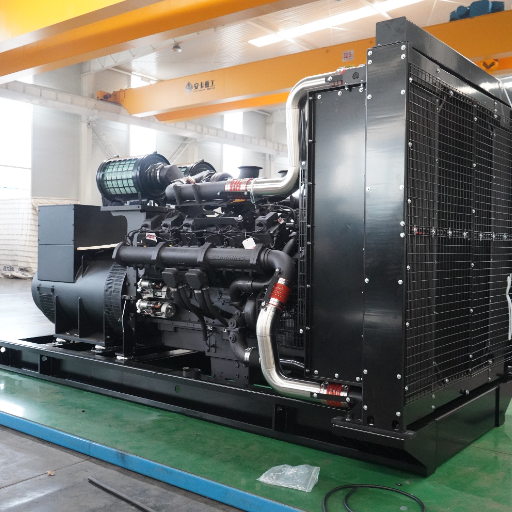
Diesel is far less volatile than gasoline, which is one reason it dominates construction power. It still burns, and generator refueling safety failures follow a remarkably consistent pattern: fueling a hot engine, or storing fuel against a hot exhaust.
Refueling Without the Flash Fire
The procedure is simple, and skipping any step is how incidents start:
- Shut the generator down. Never refuel a running engine.
- Let it cool for about 15 minutes. Exhaust components and turbo housings run hot enough to ignite spilled fuel on contact.
- Bond the fuel container to the equipment during transfer to prevent static discharge, and use a funnel or spout to control splashing.
- Keep a spill kit nearby, clean up drips immediately, and keep absorbent pads under the fill point.
- No smoking, no open flame, no grinding or welding within 25 feet of fueling operations.
A foreman named Ray watched the 15-minute rule pay off on a highway project in 2025. A laborer splashed diesel across the engine cowling of a set that had been shut down only three minutes earlier. The fuel hit the exhaust housing and flashed, burning the laborer’s arm and singeing the alternator wiring. The unit was down for four days. The same spill on a cooled engine would have been a rag and a spill pad. Any deeper service goes further than a cool-down: before a technician opens panels or works on the electrical side, the set must be fully de-energized and locked out, and our step-by-step generator lockout tagout procedures show how to do it safely.
Fuel Storage and Hot Surfaces
Day tanks and drums need to be separated from the generator’s hot side and from site ignition sources. Store fuel away from exhaust outlets, keep containers sealed and shaded where possible, and label everything. Bulk storage brings its own regulatory layer: secondary containment, separation distances, and spill prevention planning. Our guide to diesel fuel storage regulations covers those requirements in detail.
One more rule that gets violated weekly on real sites: keep combustibles away from the exhaust. Cardboard, plastic sheeting, and timber stacked against the exhaust side of a generator constitute a fire load placed against a 500°C surface. Maintain clear space on all sides, and treat the exhaust outlet’s direction as a no-storage zone.
Site Placement and Physical Hazards
Where the generator sits determines how half the other hazards behave. Placement is a safety decision, not a convenience decision.
Ground and Stability
Set the unit on level, stable, compacted ground. A generator that settles or tilts can stress fuel lines and, on trailer units, shift weight off the jack stands. Trailer-mounted sets need wheel chocks and stabilizers deployed before startup, and the trailer should be unhitched or the tow vehicle parked with the brake set.
Weather Protection That Doesn’t Trap Exhaust
Generators need shelter from rain and standing water, but the wrong shelter recreates the enclosed-space CO problem. Canopies and tarps must leave the exhaust path completely open, with generous clearance above and around the outlet. A weather roof with four open sides is fine; a plywood box with a vent hole is a gas chamber.Wet weather adds shock and equipment risks of its own, so it is worth reading whether can you run a generator in the rain safely before your next storm shift.
Cables, Trips, and Traffic
Temporary cables crossing walkways and vehicle routes create two hazards: trip-and-fall injuries, and insulation damage from traffic. Route cables overhead where practical, or protect crossings with cable ramps rated for the vehicles using them. Never run cables through standing water, and elevate connections off the ground.
Position the generator outside vehicle swing paths or protect it with barriers. A reversing excavator does not stop for a canopy.
Noise and Worker Exposure
A running industrial generator near 100 dB(A) exceeds OSHA’s 90 dBA workplace exposure limit for anyone working beside it for extended periods. Distance is the cheapest control, since sound drops about 6 dB per doubling of distance, and silent canopy or containerized sets cut noise at the source by 15 to 25 dB. Site boundaries bring a second layer of rules: our guide to generator noise regulations covers the site and community sound thresholds that apply alongside worker exposure limits.
Industrial Sets vs. Portable Generators: What Changes
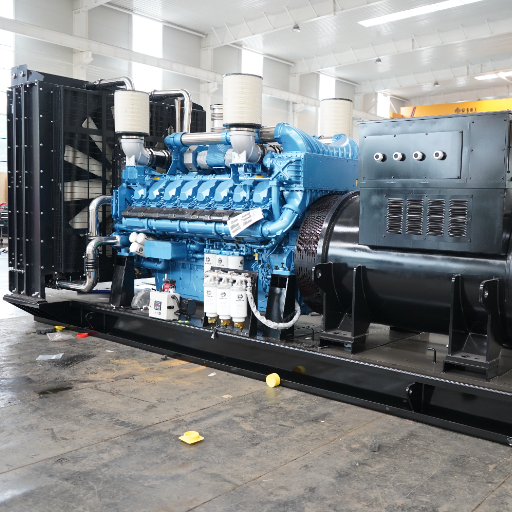
Most generator safety content assumes a 2 kW portable carried out of a truck bed. A 100 to 500 kVA trailer or containerized set runs on the same physics, but the scale changes what construction site generator safety means as a management task.
Fuel volume scales the consequences. A portable holds a few gallons; a trailer set’s base tank can hold hundreds. Spill control, containment, and storage separation move from good practice to regulatory requirement at those volumes.
Distribution gets formal. Industrial sets feed panels, spider boxes, and long cable runs rather than a couple of cords. That is exactly the separately derived system territory from the grounding section: electrodes, bonding configuration, and GFCI strategy all need an electrician’s sign-off, not a foreman’s assumption.
Positioning is a crane-and-logistics decision. Once a 5-ton trailer set is spotted and chocked, nobody is moving it 25 feet because of wind direction. Get placement right the first time: 20+ feet from structures, exhaust away from work areas, outside traffic paths, with refueling access that does not require hoses draped across walkways.
The site needs a temporary power plan. For anything beyond a single portable, write it down: placement map, grounding configuration, GFCI strategy, cable routing, refueling procedure, and the daily inspection assignment. In an OSHA inspection or an incident investigation, the plan is the difference between a managed site and an improvised one.
Writing safety and power requirements into a project tender? Our guide to generator set specifications for tender shows how to phrase them so suppliers cannot dodge.
Choosing between open, trailer, and containerized configurations for a project involves these same trade-offs, and our guide to choosing the right diesel generator walks through the full selection process.
Construction Site Generator Safety Checklist
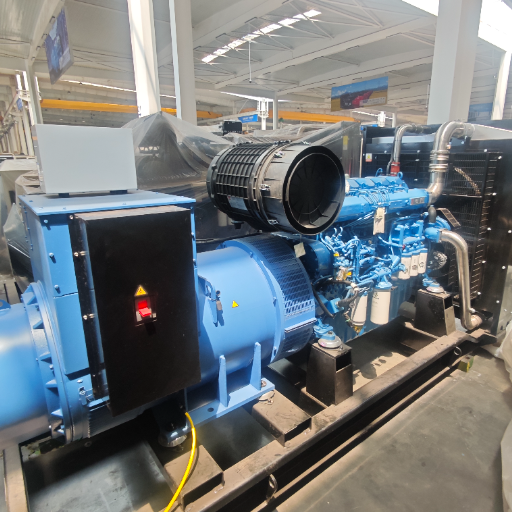
Run this ten-point check daily during operation, and before startup after any relocation:For the pre-start, operation, and shutdown checks that apply to generators beyond the jobsite too, use our full generator safety checklist as a companion document.
- Placement verified: outdoors, 20+ feet from structures and openings, exhaust pointed away from workers and buildings.
- No enclosed operation: nothing running in basements, excavations, or partially enclosed structures.
- CO monitors active in occupied areas near the generator, with fresh batteries.
- Grounding confirmed: neutral bonded to frame for receptacle-fed loads; grounding electrodes installed for any panel-fed separately derived system.
- GFCI protection tested on all 120V receptacles, or the assured grounding program’s records current.
- Cables inspected: no damaged insulation, connections elevated, crossings ramped, no runs through standing water.
- Trailer secured: chocks and stabilizers deployed, unit level on stable ground.
- Refueling procedure followed: shut down, 15-minute cool-down, bonding during transfer, spill kit in place.
- Fuel storage separated from exhaust and ignition sources, containers sealed and labeled.
- Housekeeping clear: no combustibles stored against the unit, exhaust-side clear, barriers in place against vehicle traffic.
Fold this into your existing inspection rhythm. The mechanical items pair naturally with a generator maintenance checklist, so one walk-through covers both safety and reliability.
Frequently Asked Questions
Does a portable generator need to be grounded on a construction site?
No, in most cases a ground rod is not required. OSHA 1926.404(f)(3) allows the frame of a portable or vehicle-mounted generator to serve as the ground when the neutral is bonded to the frame and loads connect through the generator’s own receptacles. If the generator feeds a distribution panel or site wiring, it becomes a separately derived system and grounding electrodes are required.
How far should a generator be from workers and structures?
At least 20 feet from buildings, openings, and occupied work areas, with the exhaust pointed away from people and structures. Increase the distance when the generator sits upwind of work areas, and never treat an outdoor-but-adjacent position as safe when the adjacent space is partially enclosed.
Can I run a generator in a partially enclosed structure?
No. Basements, parking levels, trenches, and half-built structures trap carbon monoxide exactly like a closed garage. CO is colorless and odorless, concentrations can exceed 1,000 ppm within minutes, and incapacitation can follow in about five minutes. There is no safe duration for enclosed operation.
Is a GFCI required on construction site generators?
Yes, in practice. OSHA 1926.404(b)(1) requires GFCI protection on all 120V single-phase 15/20A receptacles on construction sites. The only alternative is an assured equipment grounding conductor program with documented scheduled testing, which few temporary sites sustain. Most use GFCIs.
How long should a generator cool before refueling?
About 15 minutes after shutdown. Exhaust and turbo components run hot enough to ignite spilled diesel on contact, and refueling a running engine is prohibited practice everywhere. Bond the container during transfer and keep ignition sources at least 25 feet away.
Conclusion: The Checklist Is the Culture
Construction site generator safety is not complicated, but it is unforgiving. Carbon monoxide gives no warning, grounding errors stay invisible until a fault finds them, and a refueling shortcut takes one second. The sites that avoid incidents are the ones that turn the four controls into routine: placement, grounding and GFCI, cool-down refueling, and daily inspection.
Key takeaways:
- Generators kill about 100 people a year from CO; outdoors, 20+ feet, exhaust away, monitors posted
- Frame grounding is fine for receptacle-fed loads (1926.404(f)(3)); panel-fed systems need electrodes
- GFCI protection is mandatory on construction receptacles, or document an assured grounding program
- Shut down and cool 15 minutes before refueling; bond containers; store fuel away from the hot side
- Partially enclosed structures are the construction trap: outside the door is not the same as safe
- For industrial sets, write the temporary power plan before the crane sets the unit down
Shandong Huali manufactures trailer-mounted and containerized diesel generator sets from 8 kVA to 4000 kVA, engineered for construction and mining conditions with documented electrical configurations and enclosure designs. Our engineers support site power planning, grounding configuration, and placement reviews for projects worldwide.
Share your site layout and load requirements, and our team will recommend a configuration that meets the safety requirements above from day one. For installations moving from temporary to permanent, our guide to generator room fire safety requirements covers the fixed-installation counterpart.
